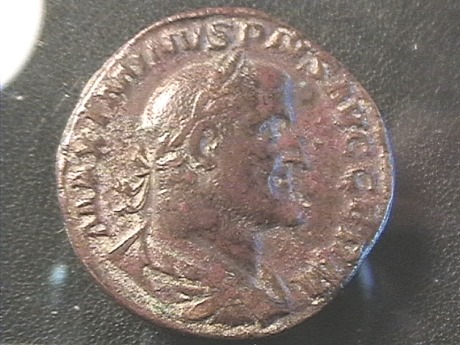
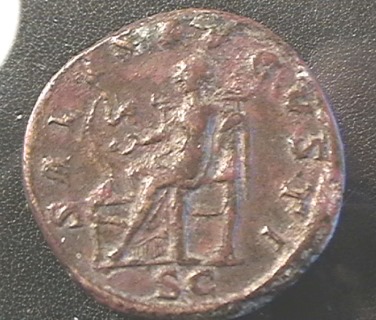
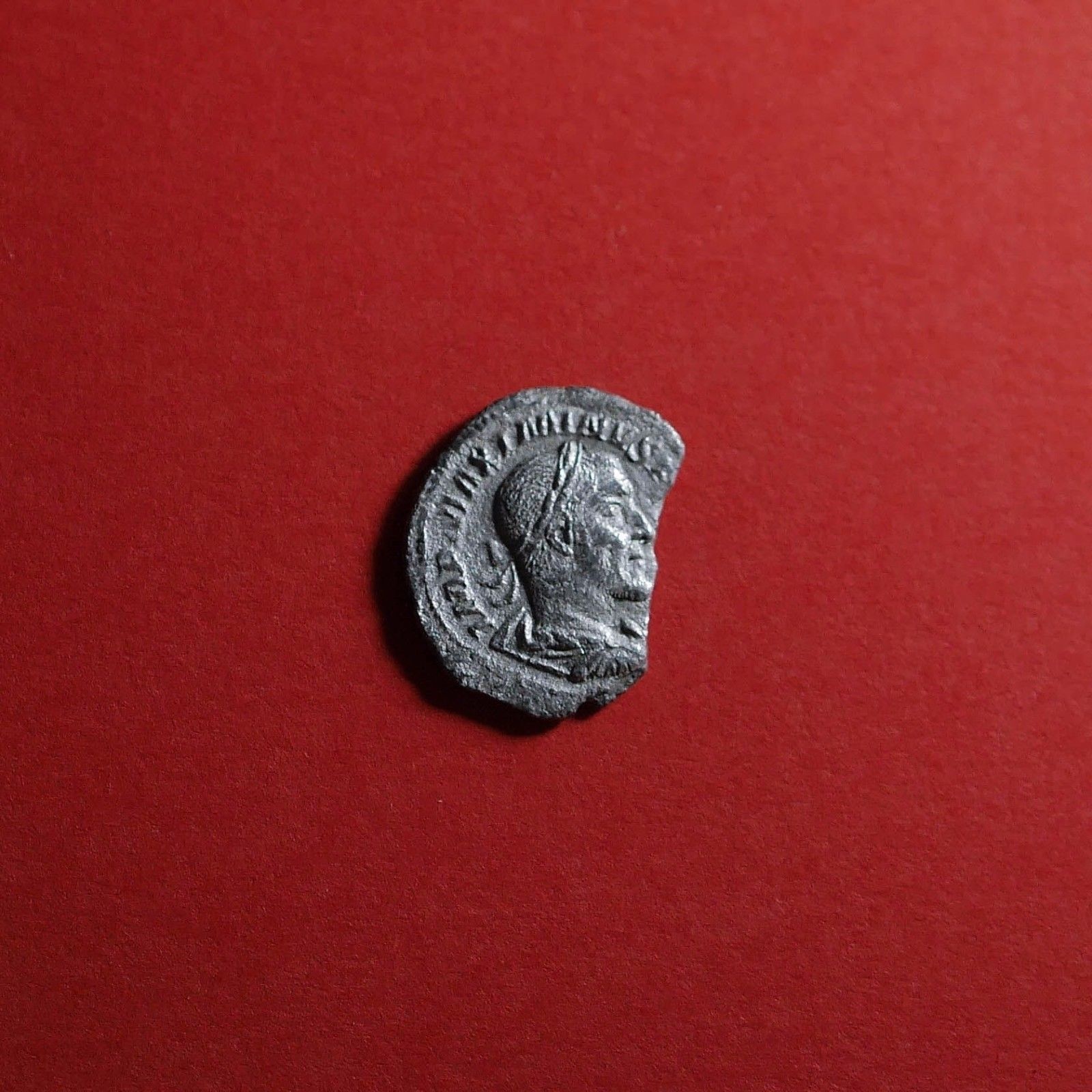
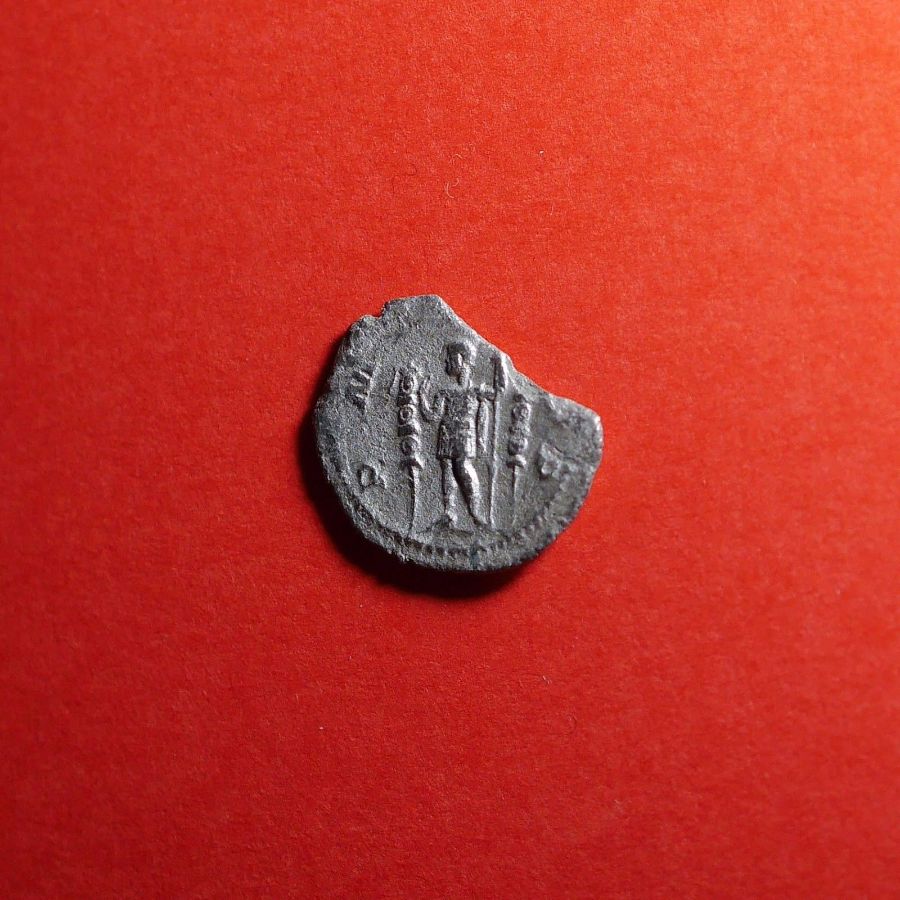
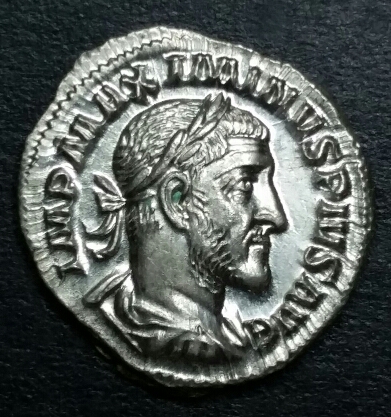
Everyone, How are ya? it's been a while and anyway I've just got this very nice silver Denarius of Maximinus I Thrax this week


too. There's the ref number for it:Ref Maximinus I Denarius, RIC 1, RSC 46, BMC 9
Maximinus I Denarius. Rome mint, April - Dec, 235 AD. IMP MAXIMINVS PIVS AVG, laureate, draped & cuirassed bust right / P M TR P P P, Maximinus standing left between two standards, leaning on sceptre & raising right hand in salute. RSC 46.
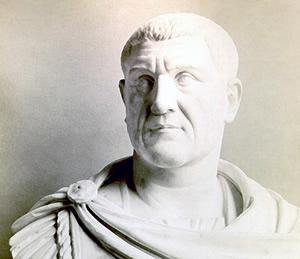
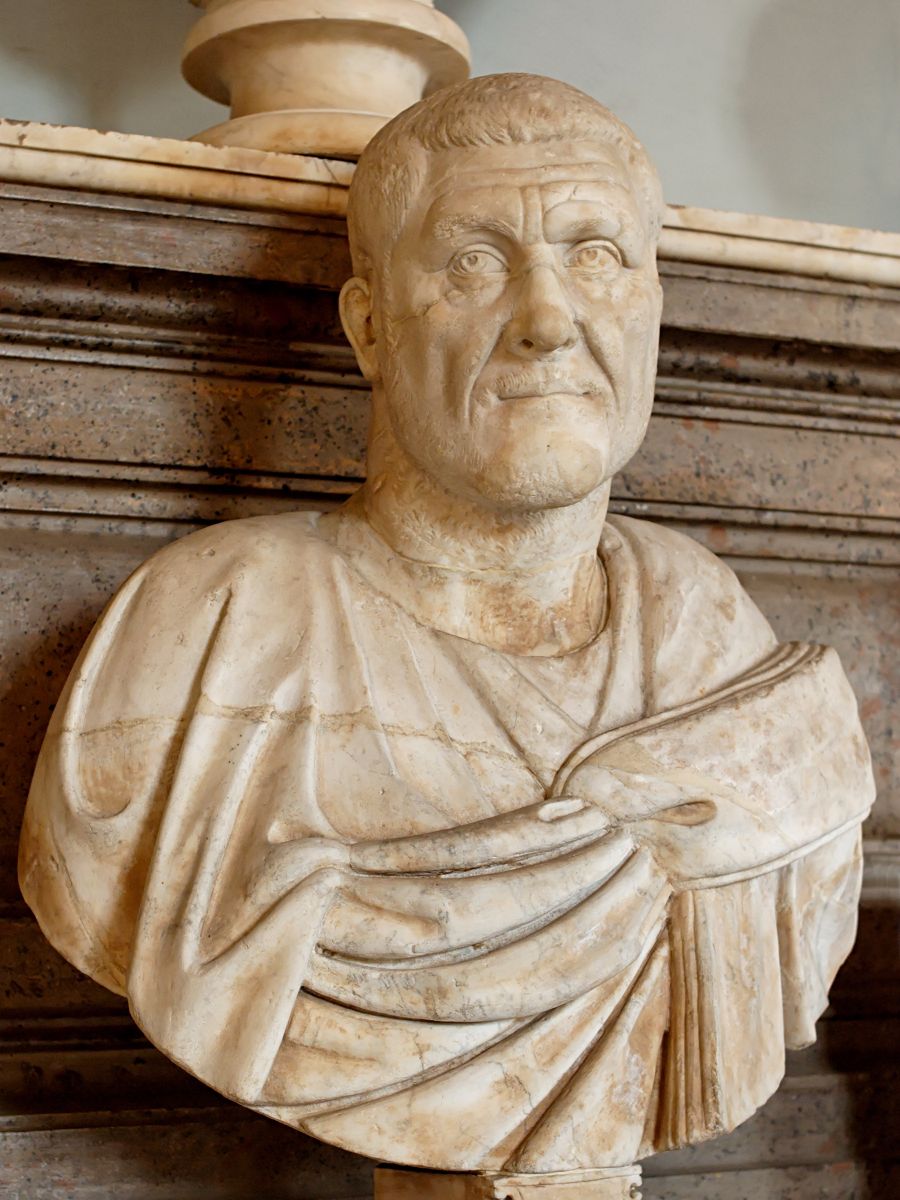
More on him. Maximinus Thrax (Latin: Gaius Julius Verus Maximinus Augustus;c. 173 - May 238 AD), also known as Maximinus I, was Roman Emperor from 235 to 238 AD.
Maximinus is described by several ancient sources, though none are contemporary except Herodian's Roman History. He was a so-called barracks emperor of the 3rd century; his rule is often considered to mark the beginning of the Crisis of the Third Century. He died at Aquileia whilst attempting to put down a Senatorial revolt. Rise to power
Most likely Maximinus was of Thraco-Roman origin (believed so by Herodian in his writings). According to the notoriously unreliable Augustan History (Historia Augusta), he was born in Thrace or Moesia to a Gothic father and an Alanic mother,[5] an Iranian people of the Scythian-Sarmatian branch; however, the supposed parentage is highly unlikely, as the presence of the Goths in the Danubian area is first attested after the beginning of the Crisis of the Third Century. British historian Ronald Syme, writing that "the word 'Gothia' should have sufficed for condemnation" of the passage in the Augustan History, felt that the burden of evidence from Herodian, Syncellus and elsewhere pointed to Maximinus having been born in Moesia. The references to his "Gothic" ancestry might refer to a Thracian Getae origin (the two populations were often confused by later writers, most notably by Jordanes in his Getica), as suggested by the paragraphs describing how "he was singularly beloved by the Getae, moreover, as if he were one of themselves" and how he spoke "almost pure Thracian".
His background was, in any case, that of a provincial of low birth, and was seen by the Senate as a barbarian, not even a true Roman, despite Caracalla's edict granting citizenship to all freeborn inhabitants of the Empire. In many ways, Maximinus was similar to the later Thraco-Roman emperors of the 3rd-5th century (Licinius, Galerius, Aureolus, Leo the Thracian, etc.), elevating themselves, via a military career, from the condition of a common soldier in one of the Roman legions to the foremost positions of political power. He joined the army during the reign of Septimius Severus, but did not rise to a powerful position until promoted by Alexander Severus. Maximinus was in command of Legio IV Italica, composed of recruits from Pannonia, who were angered by Alexander's payments to the Alemanni and his avoidance of war.[12] The troops, among whom included the Legio XXII Primigenia, elected the stern Maximinus, killing young Alexander and his mother at Moguntiacum (modern Mainz). The Praetorian Guard acclaimed him emperor, and their choice was grudgingly confirmed by the Senate, who were displeased to have a peasant as emperor. His son Maximus became caesar. Defeat and death
Maximinus marched on Rome, but Aquileia closed its gates against him. His troops became disaffected during the unexpected siege of the city, at which time they suffered from famine and disease. In May 238, soldiers of the II Parthica in his camp assassinated him, his son, and his chief ministers. Their heads were cut off, placed on poles, and carried to Rome by cavalrymen. 'Game of Thrones style'
Pupienus and Balbinus then became undisputed co-emperors. However, they distrusted each other, and ultimately both were murdered by the Praetorian Guard, making Gordian III sole Emperor.









 Posted 08/26/2017 10:57 am