Okay, here goes...
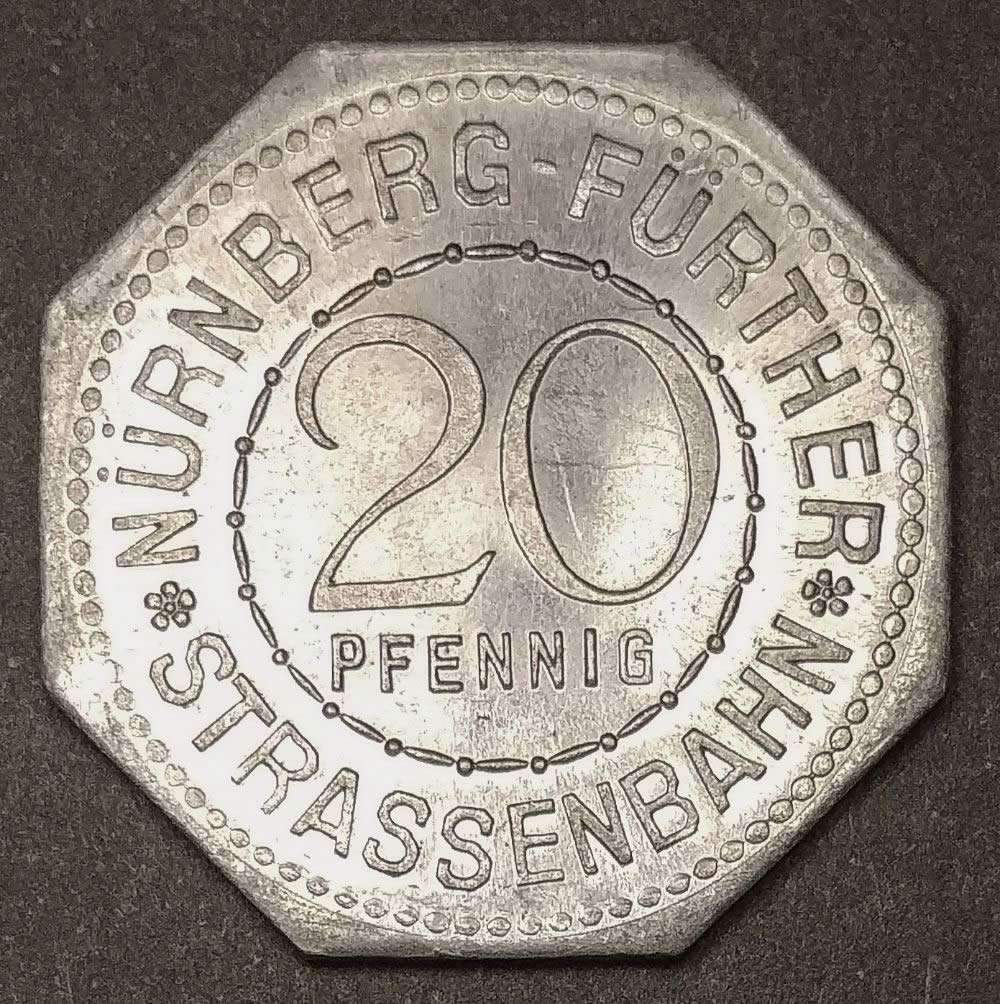
I recently received nine Nürnberg 20 pfennig transit tokens from Crazyb0 and would like to make a post about them. They are sometimes considered to be Notgeld. The entire set contains 45 different reverses but, the obverse is the same throughout:
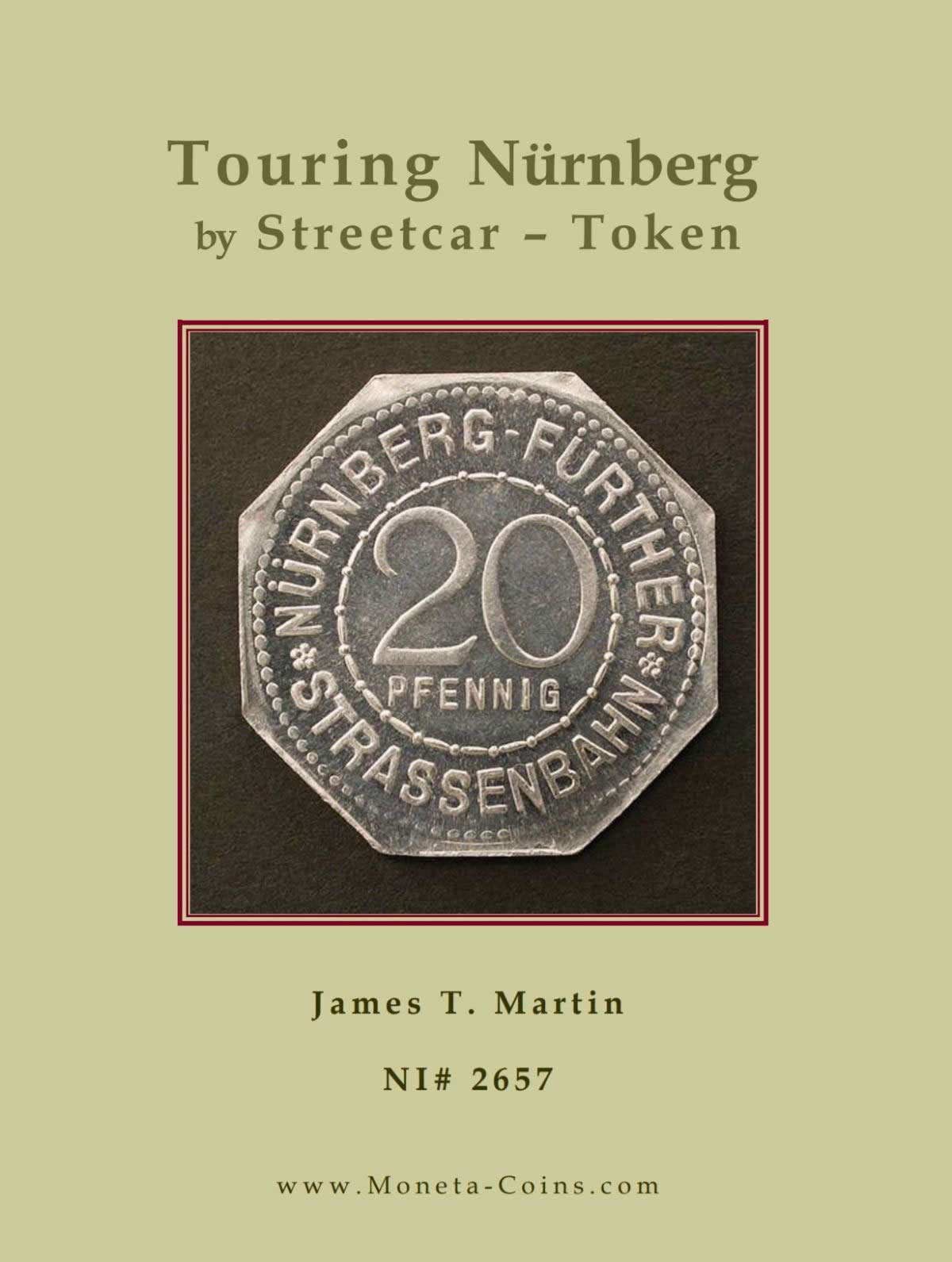
To preface, I must say that the information and related images were borrowed from this great work:
All of the individual token images are my own.
Nürnberg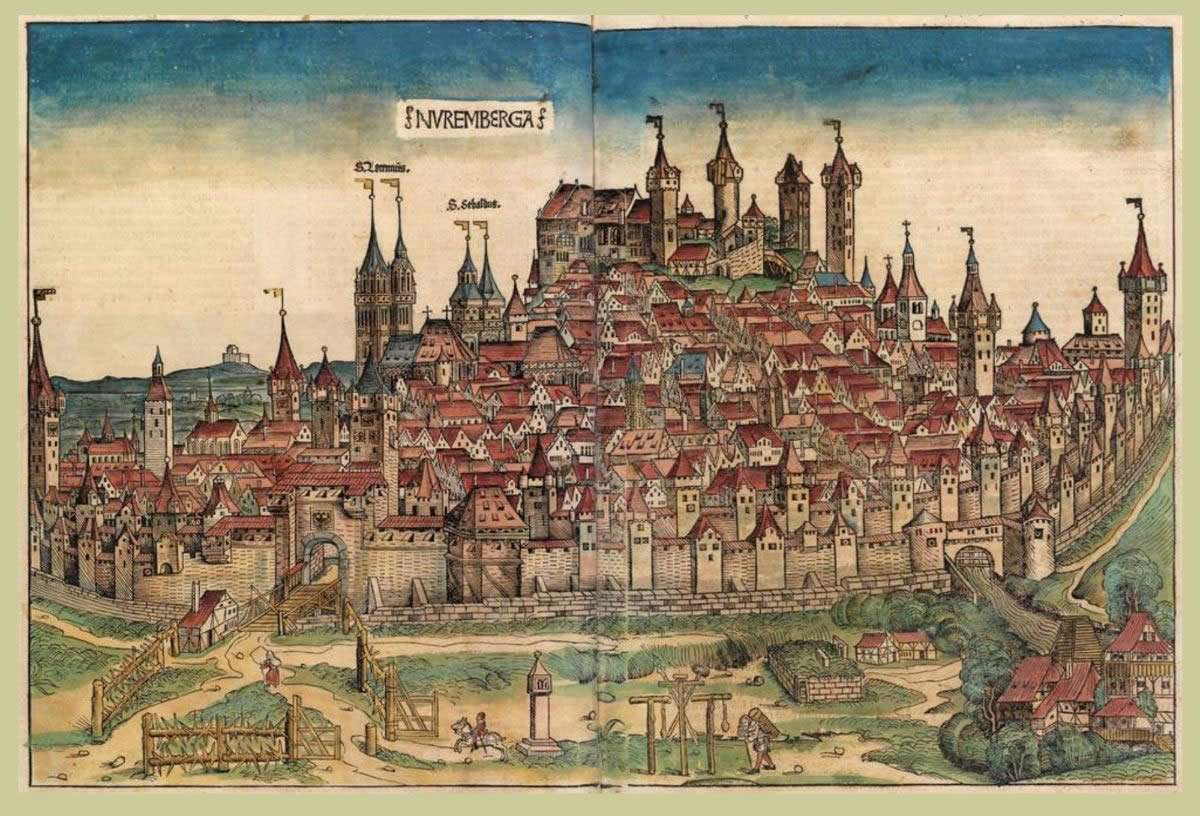
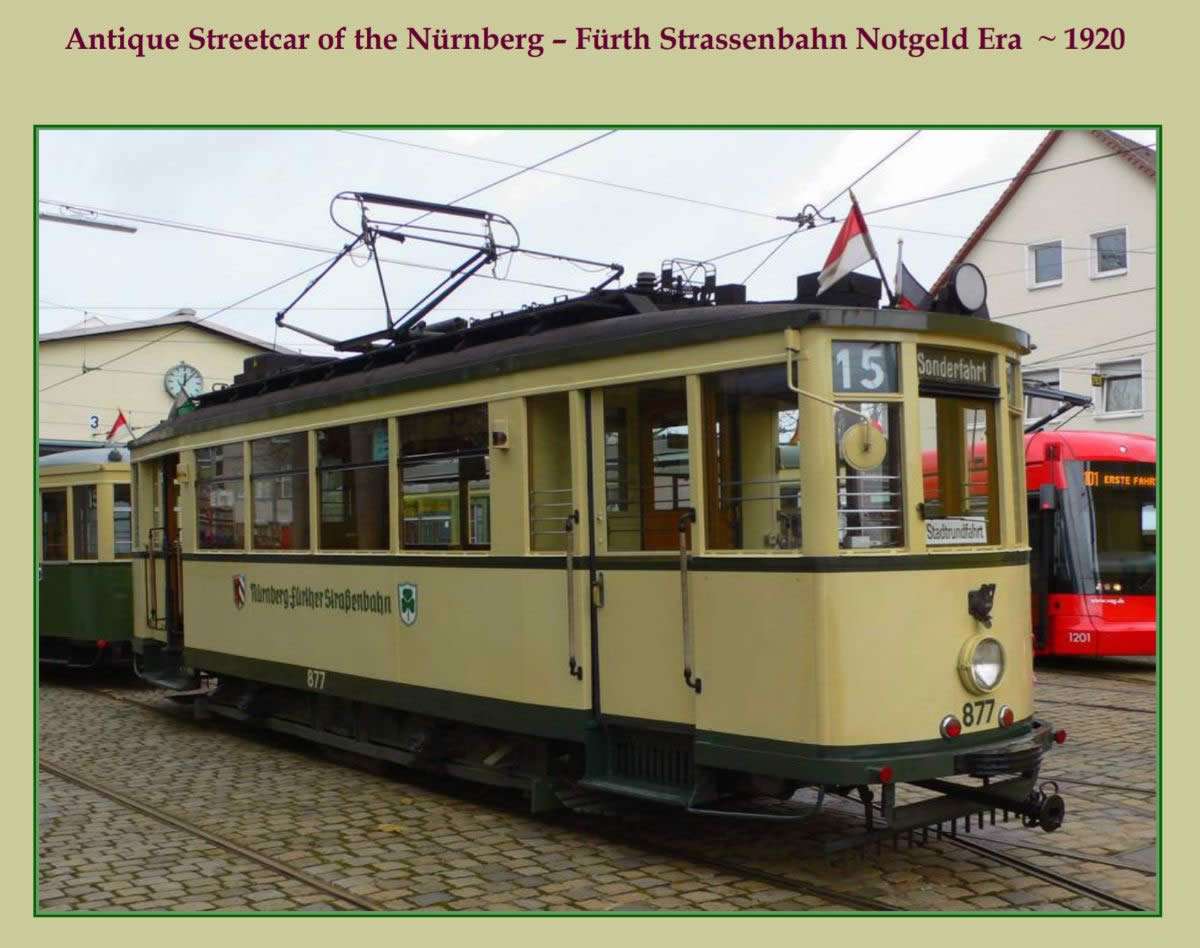
A wonderful series of Nürnberg - Fürth Strassenbahn (Streetcar) tokens were issued during the Weimar Republic, following the Great War. While they can be classified as transportation tokens they are commonly attributed as German notgeld (emergency money). Notgeld was used during the inflationary period brought on by reparations payments stipulated by the terms of the Treaty of Versailles after WWI.
Forty-five separate designs were issued for the reverse motif, while the obverse design is static, and illustrated on the title page. The noteworthy aspect of the reverse designs is that they depict picturesque places, objects of art, and famous people of Nürnberg. These octagonal tokens are made of aluminum and are twenty-five millimeters across. The twenty pfennig tokens are undated but are known to have been issued in 1920 with a mintage of ten thousand for each design.
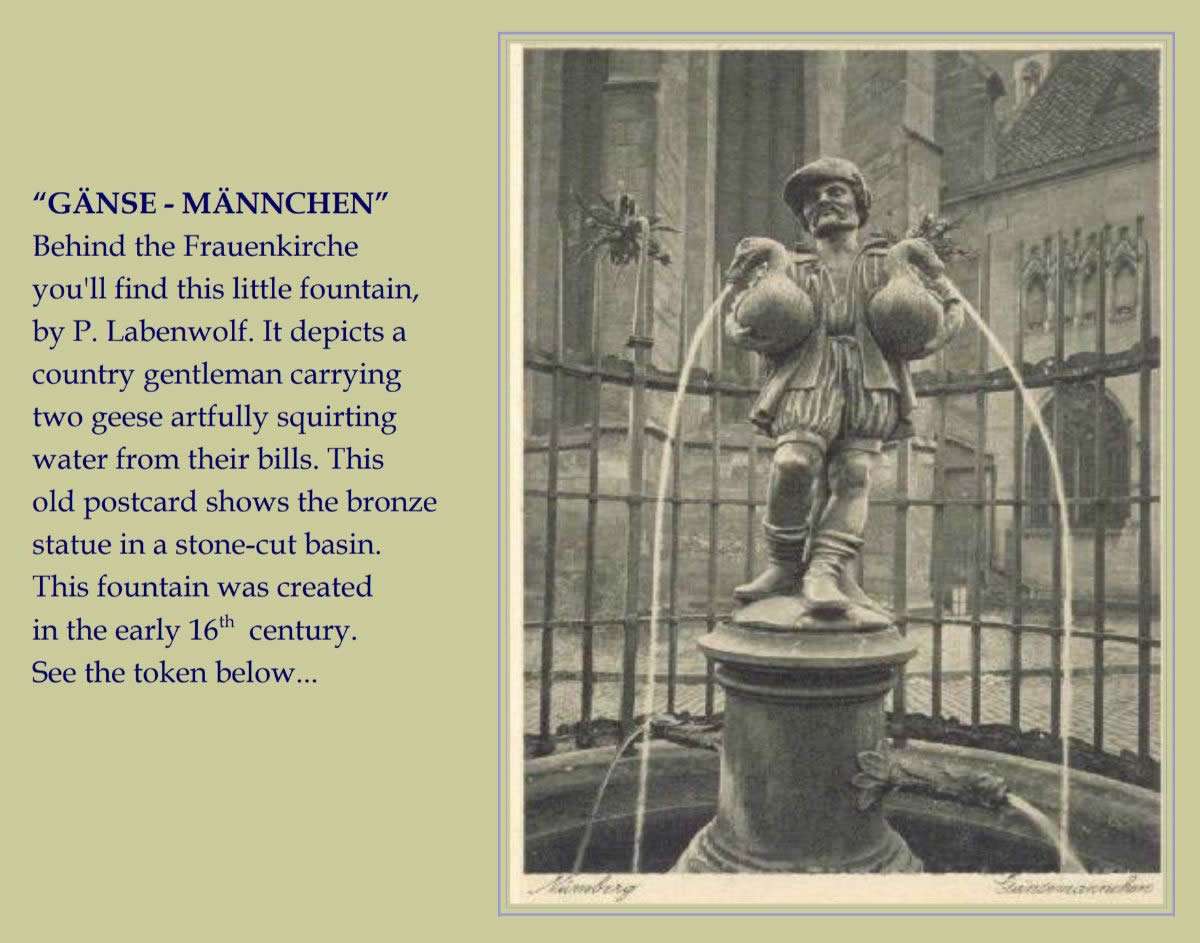
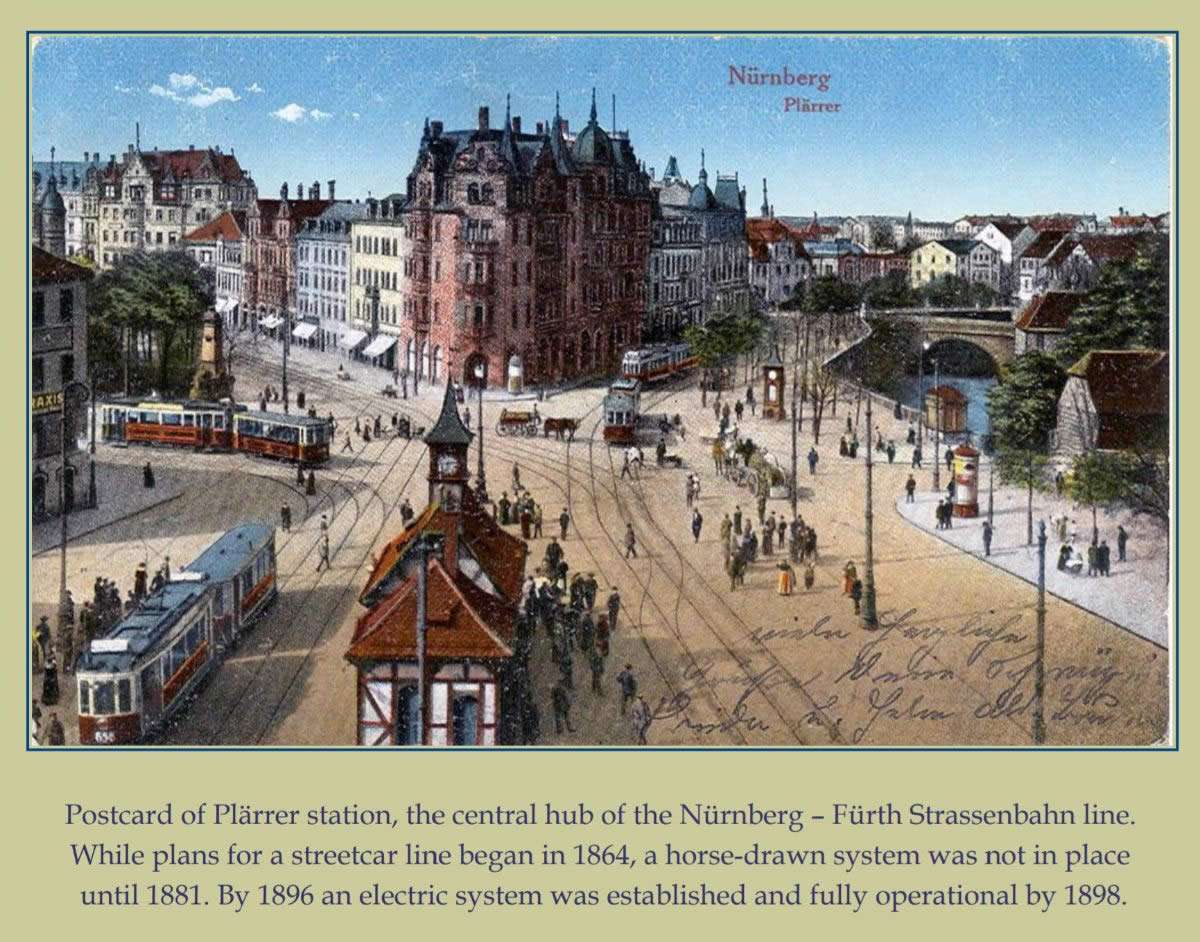 Gänse-Männchen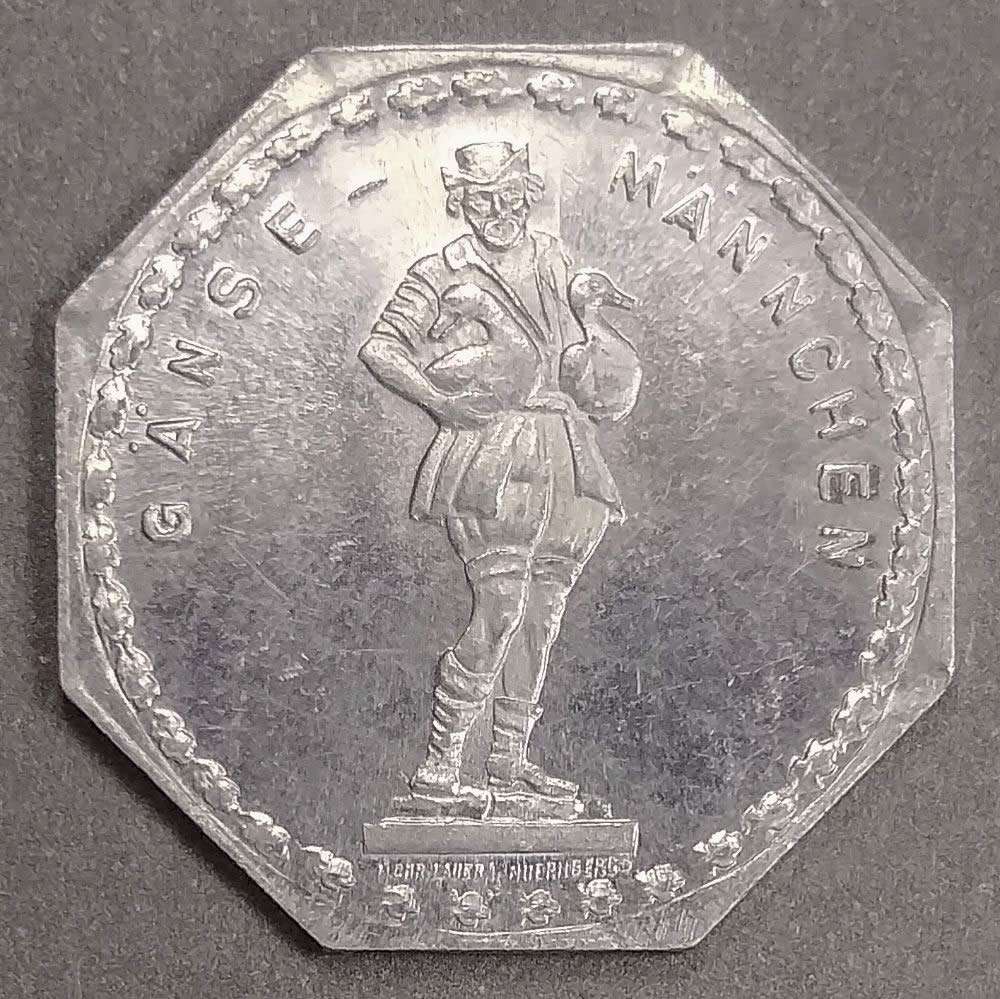
 Frauentor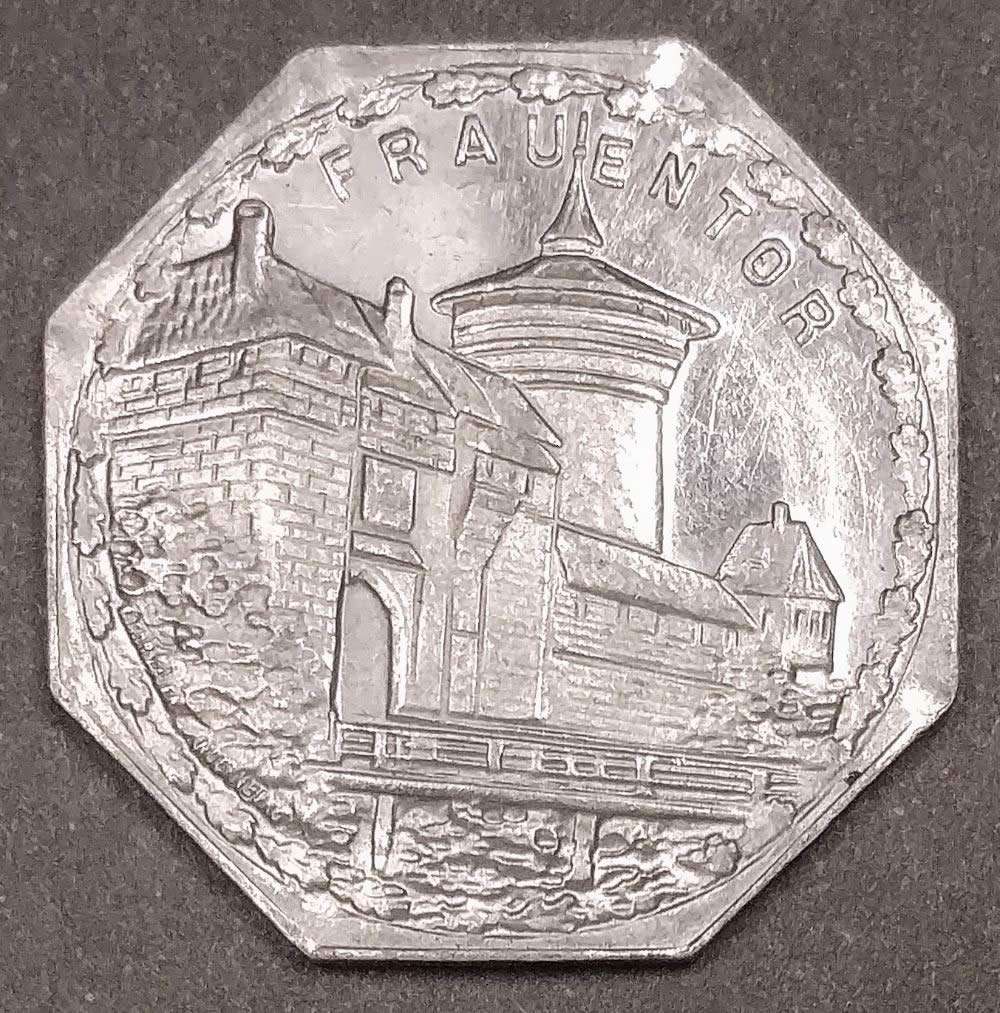
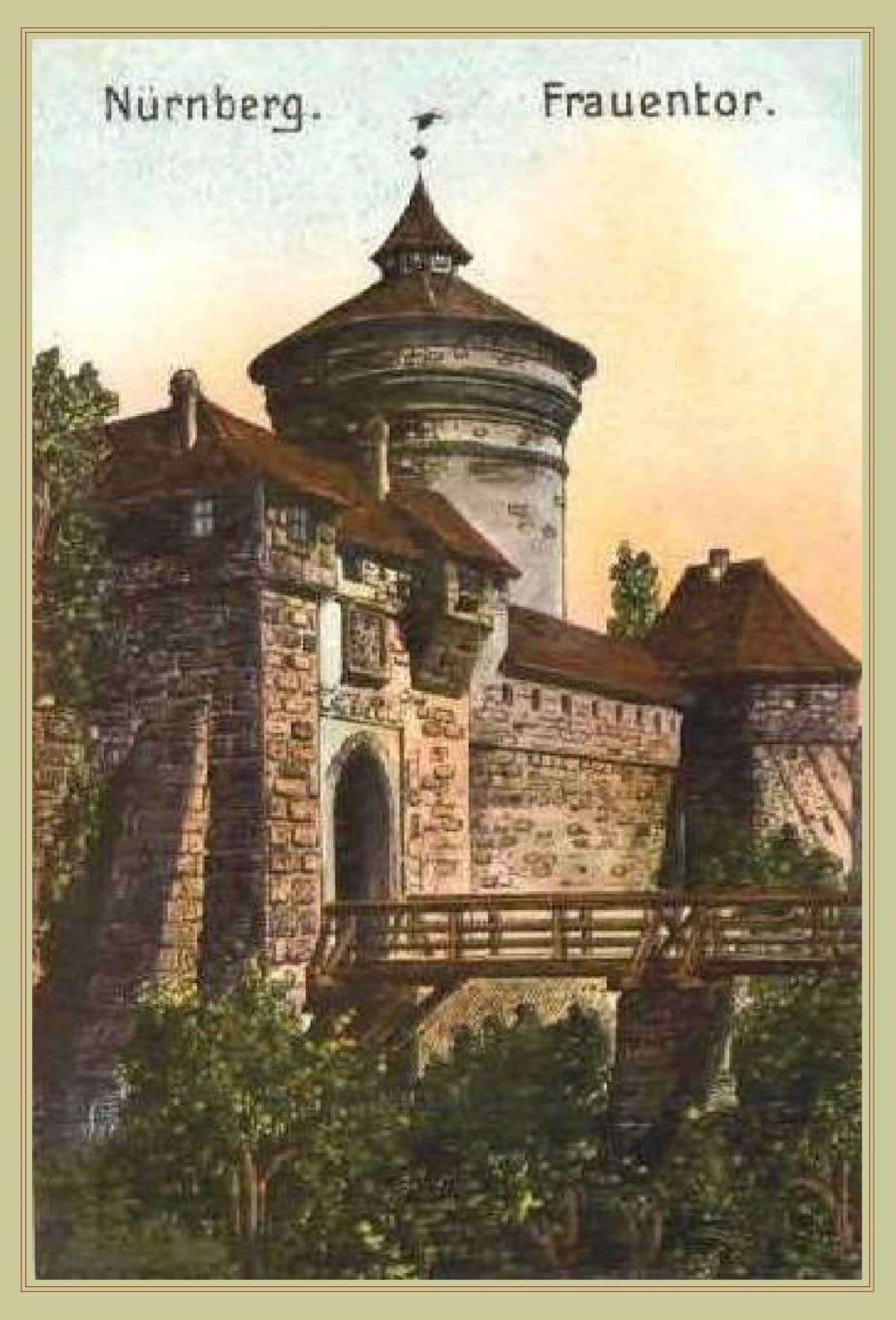
The Frauentor, with the Frauenturm (tower) behind, is the main gate facing the southeast towards Regensburg. The term "Frau" refers to the Holy Mother and the relationship to the St. Clare Monastery of the Poor.
 Auf der Burg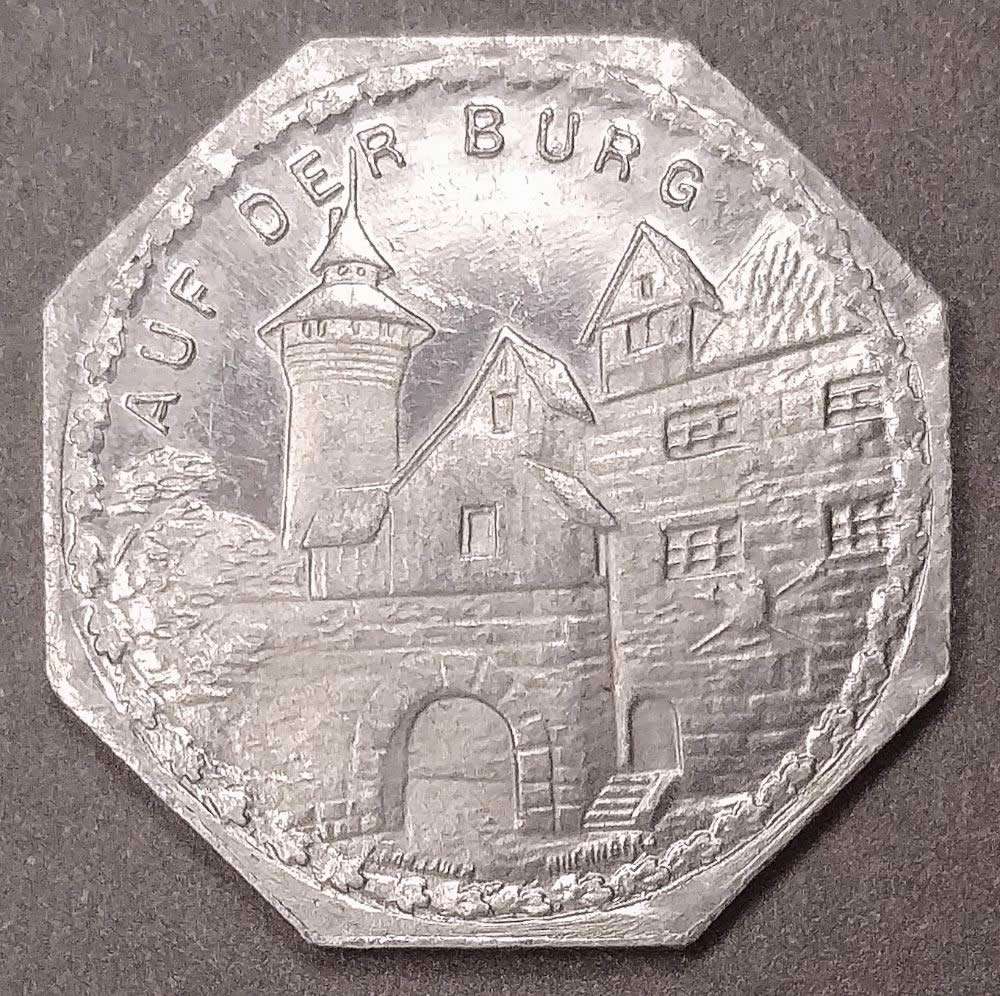
Like most burgs (castles) in Europe, Kaiserburg is built on a berg, or hilltop. This Imperial castle was begun around 1040 A.D. by Henry III, Duke of Bavaria and it became one of the major castles of medieval Europe. Besides the deep well there are three main buildings in this large complex, the Kaiserburg, some buildings of the Burgraves of Nürnberg, and those for municipal administration.
Peller Haus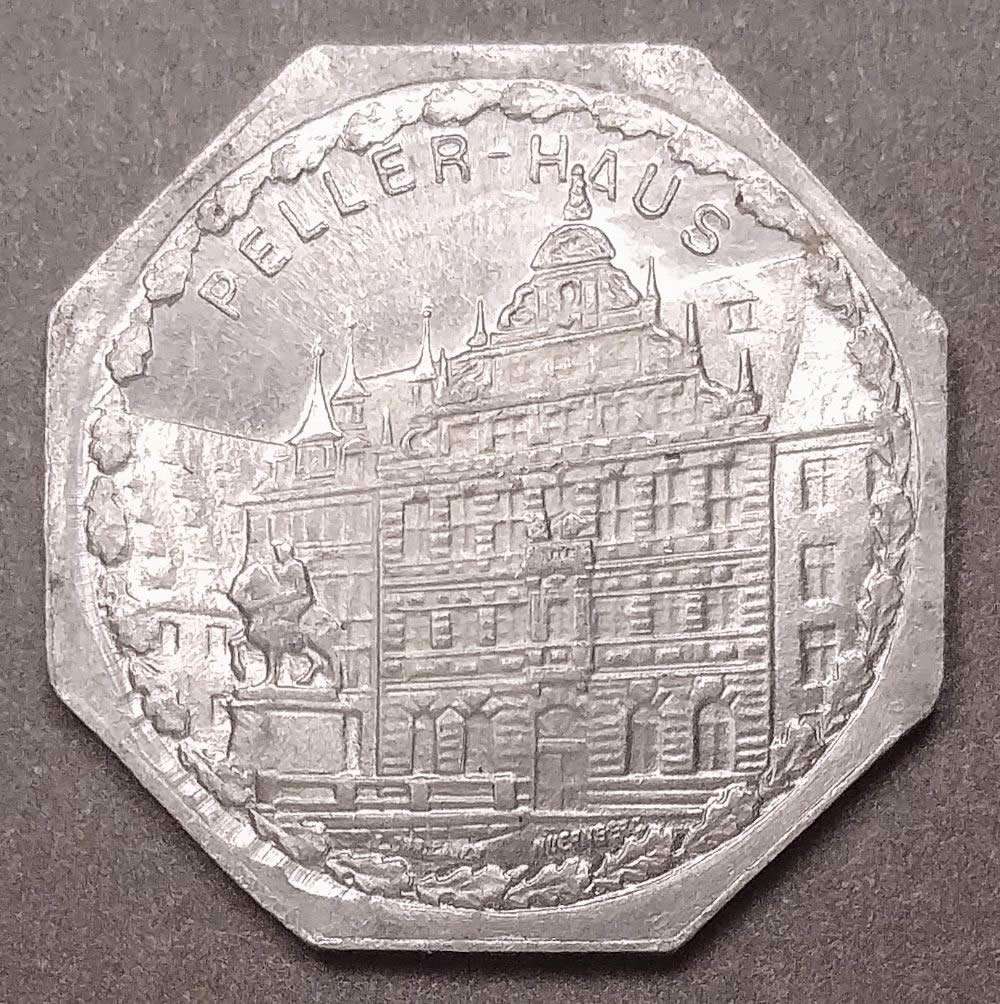
This was one of the most outstanding domestic Renaissance buildings in Northern and Central Europe. Designed by Jacob Wolf the Elder it was built by Viatis Bartholomew for his son Martin Peller. This magnificent building had a beautiful courtyard. Unfortunately, like 90% of Nürnberg, it was destroyed in World War II. The ground floor of the courtyard survived and was incorporated into a new building in the 1950s. The famous courtyard has been reconstructed.
Fünfeckiger Turm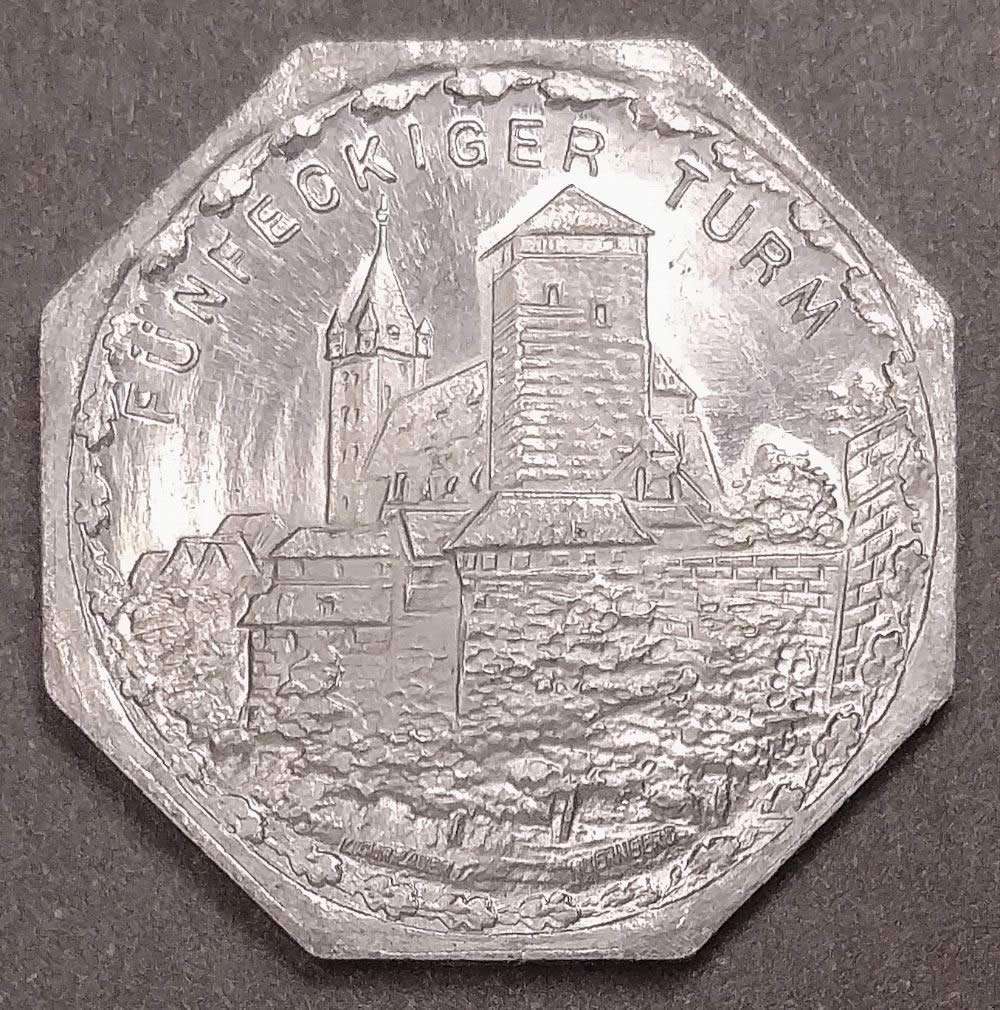
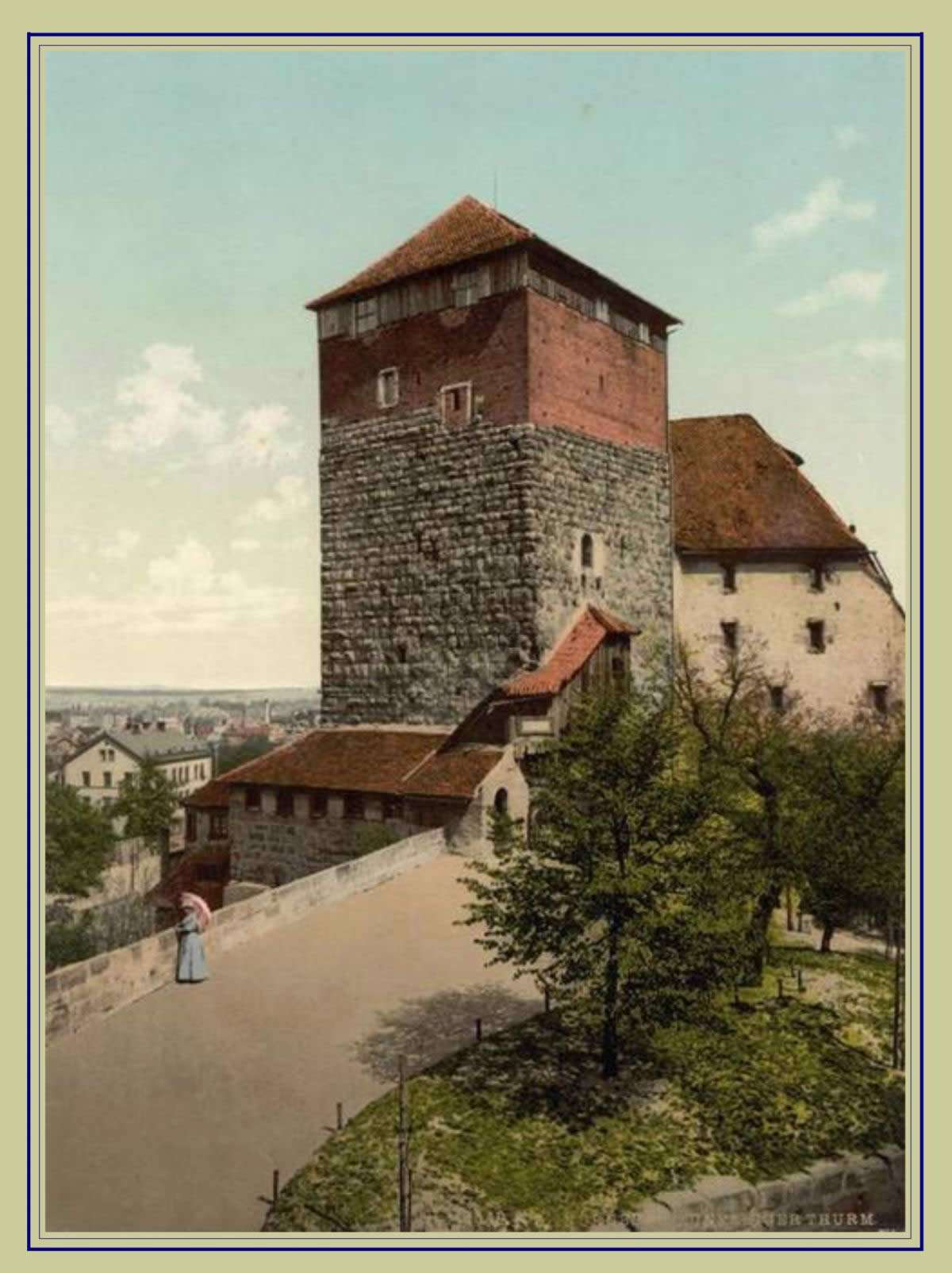
Fünfeckiger Turm or The Quintagonal Tower refers to five corners or sides. The obvious question is the fact that the tower appears to have four corners. Below, a postcard from about 1904 showing a staircase that allows entrance to the tower a good distance from ground level. It is the oldest surviving structure in Nürnberg.
 Luginsland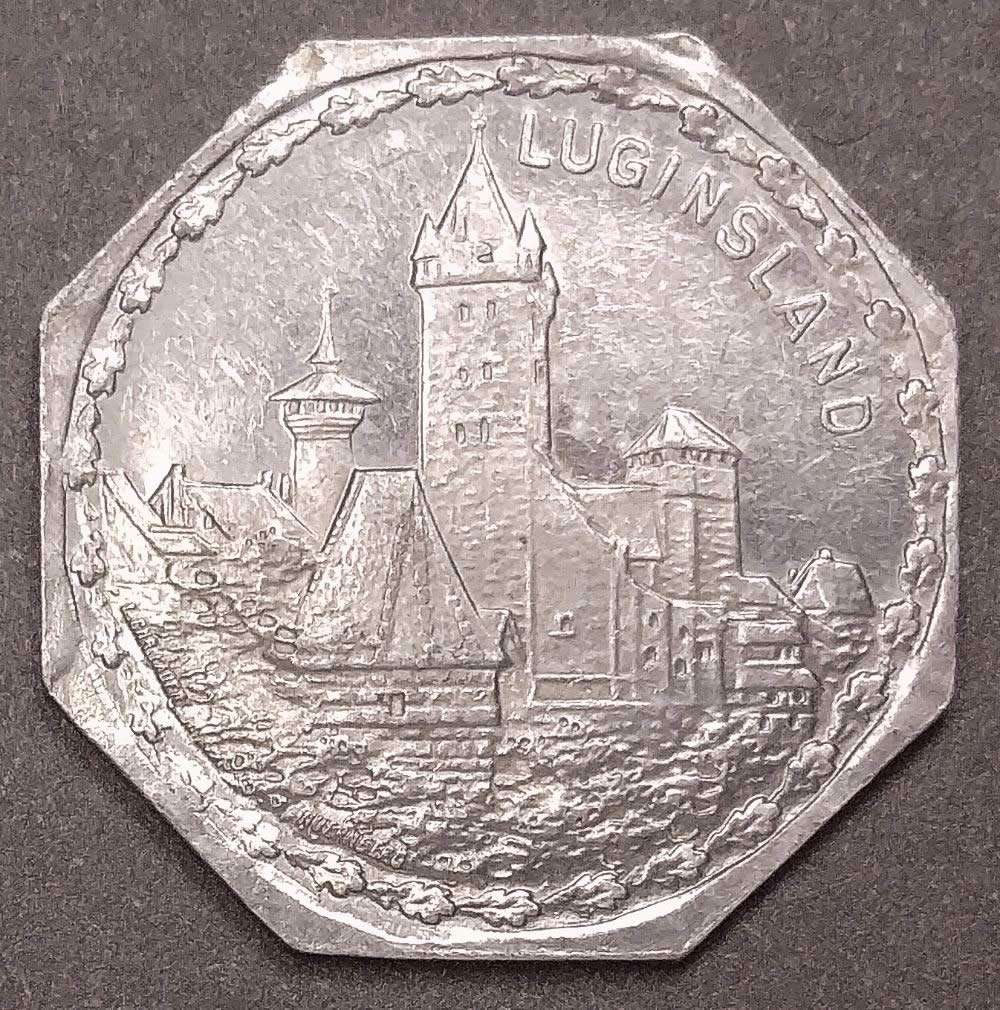
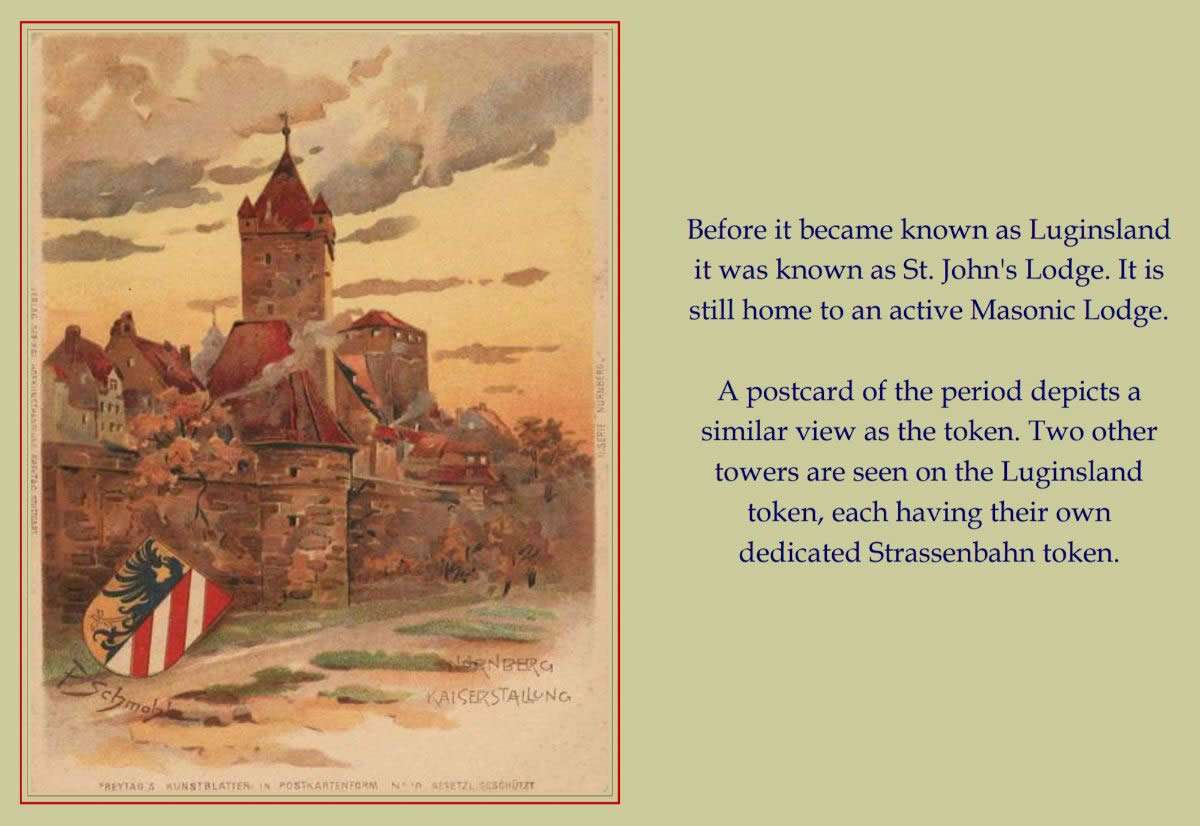
Luginsland Tower was completed in five months during 1377 while the neighboring viscount was away. It was built in order to better observe the Viscount's activities upon his return. The viscount appealed to the Emperor to have it torn down. When that was refused a violent battle ensued. It has since been used as a prison tower.
 Peter Henlein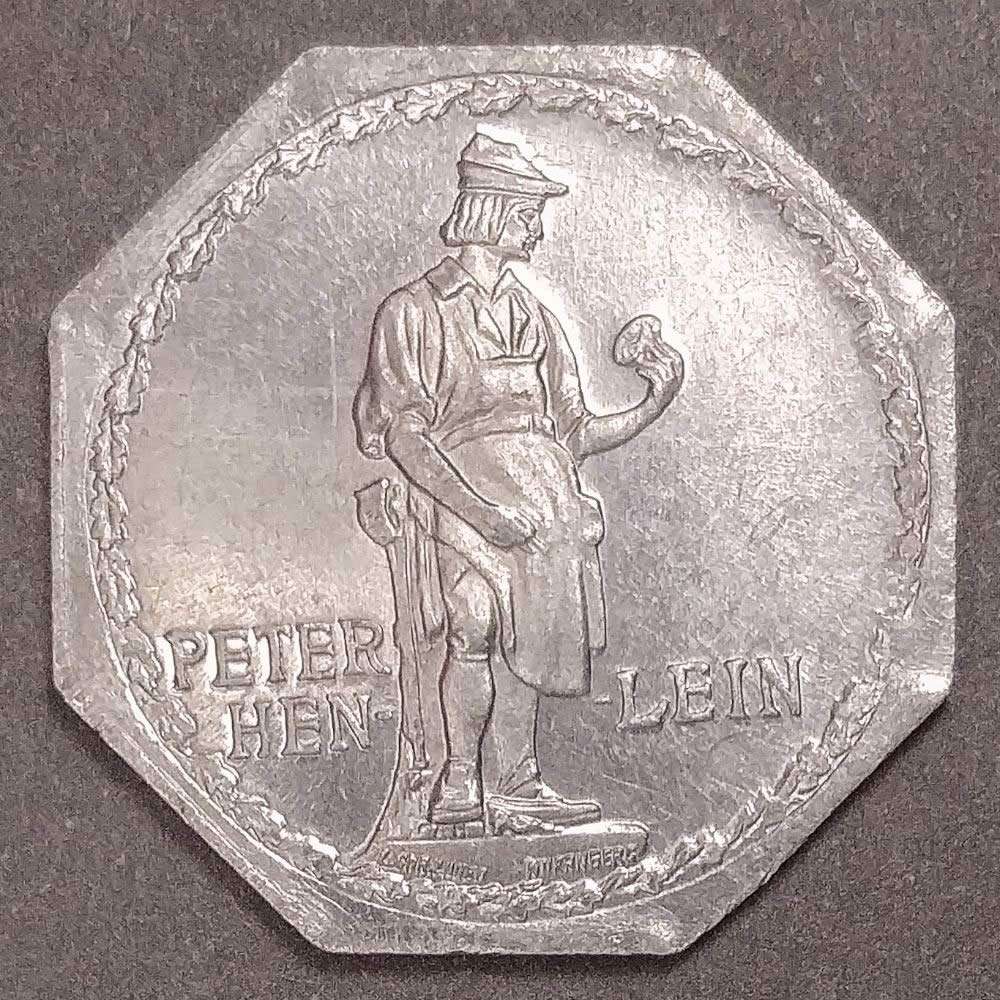
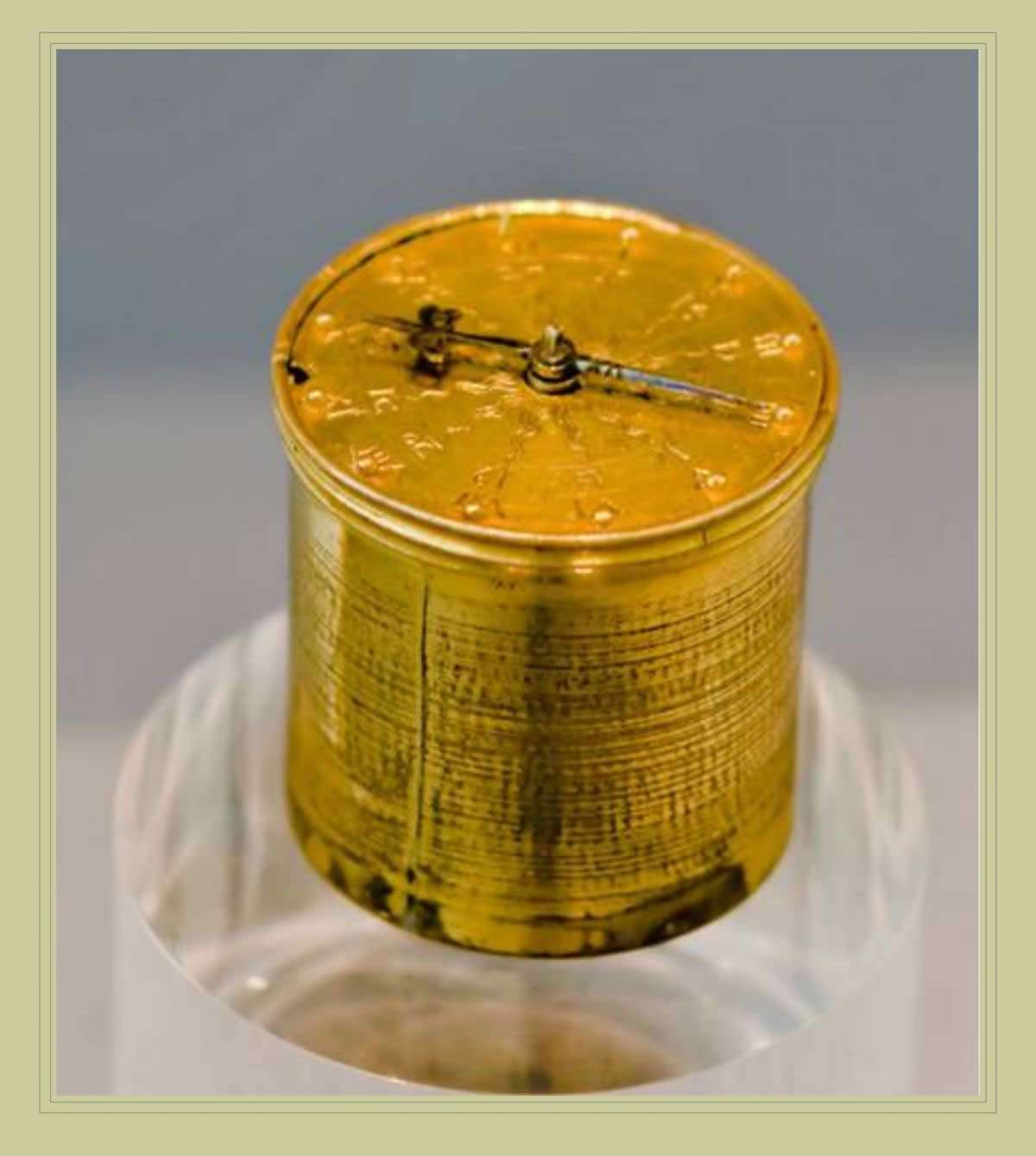
Peter Henlein (1485 - 1542) is generally considered to be the inventor of the pocket watch. These were actually "clock-watches," the first portable clocks. Too big to worn on the wrist, they were usually worn as a pendant or attached to clothing. Henlein, however, did not invent the mainspring, so accuracy was compromised. His was a major technological development and it wasn't long before the mainspring was miniaturized for use in smaller time pieces.
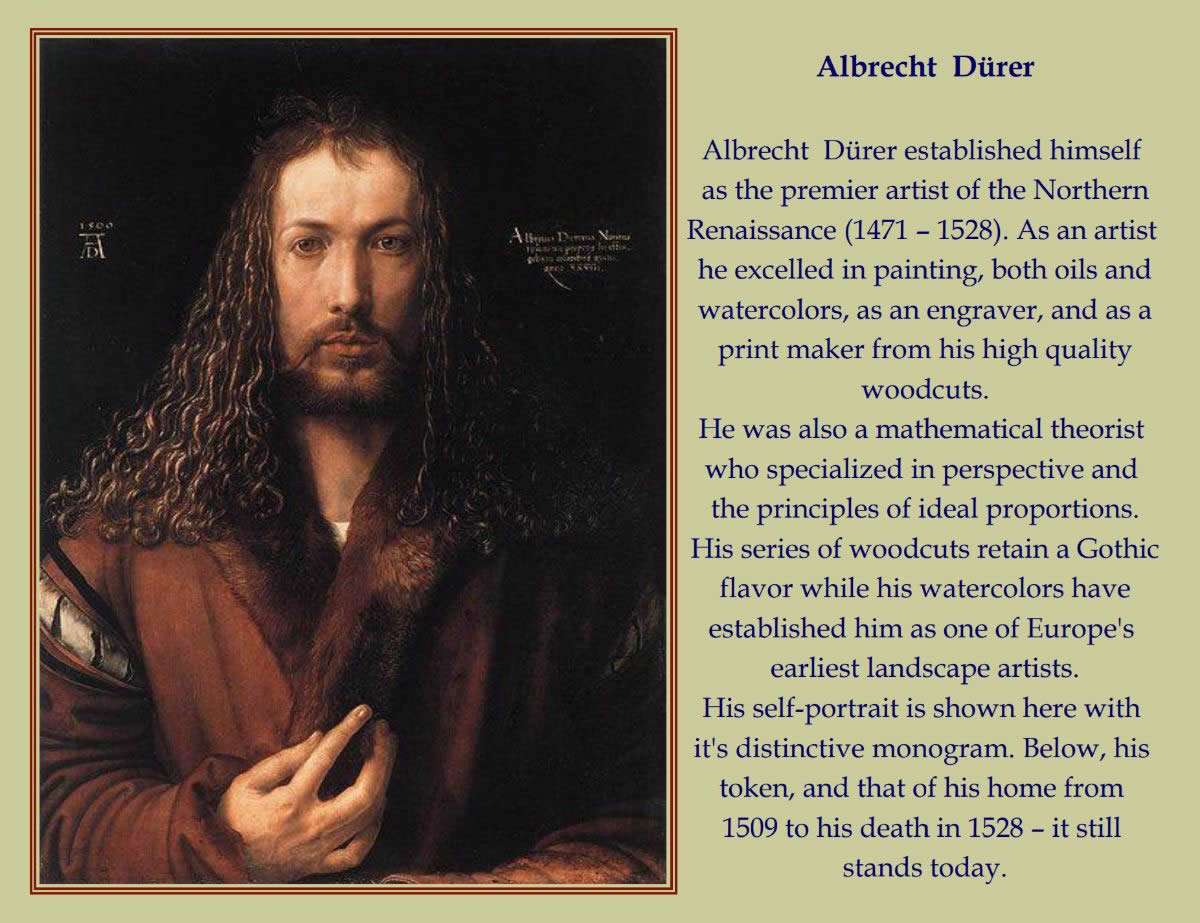
 Albrecht Dürer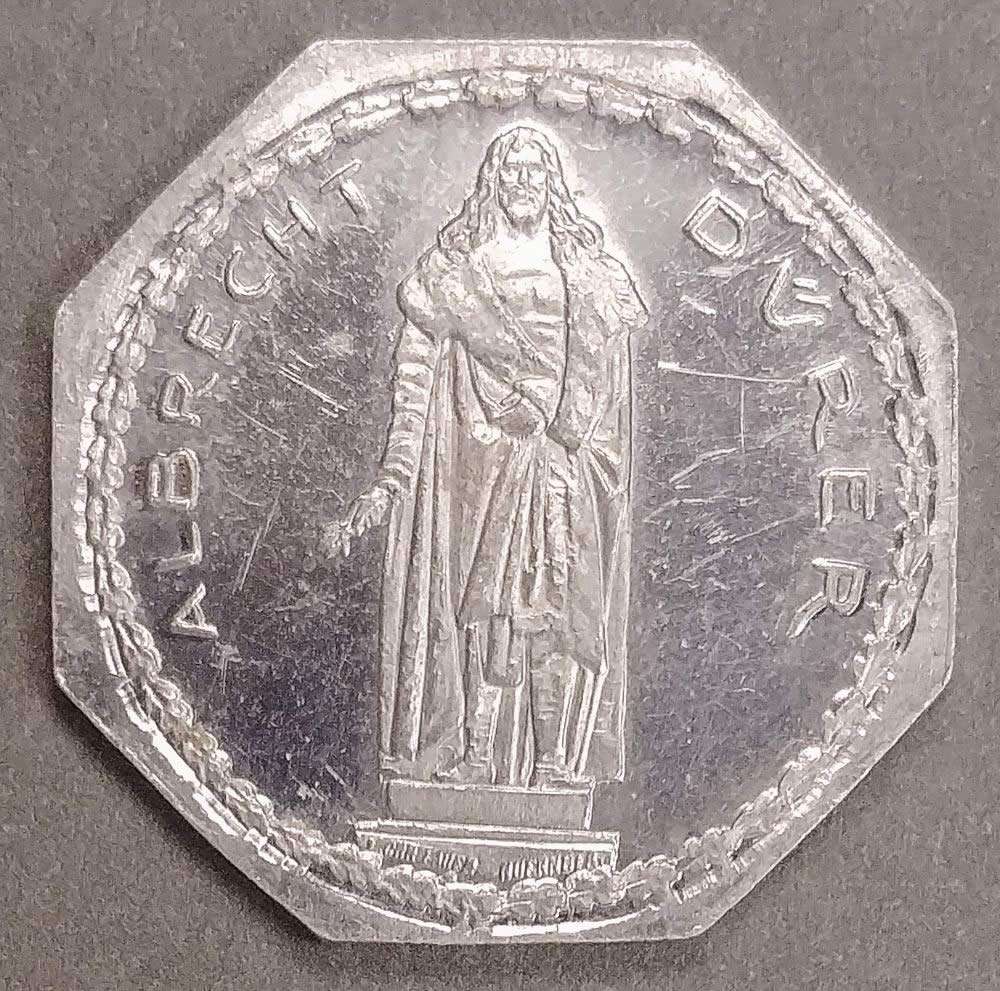
 Hans Sachs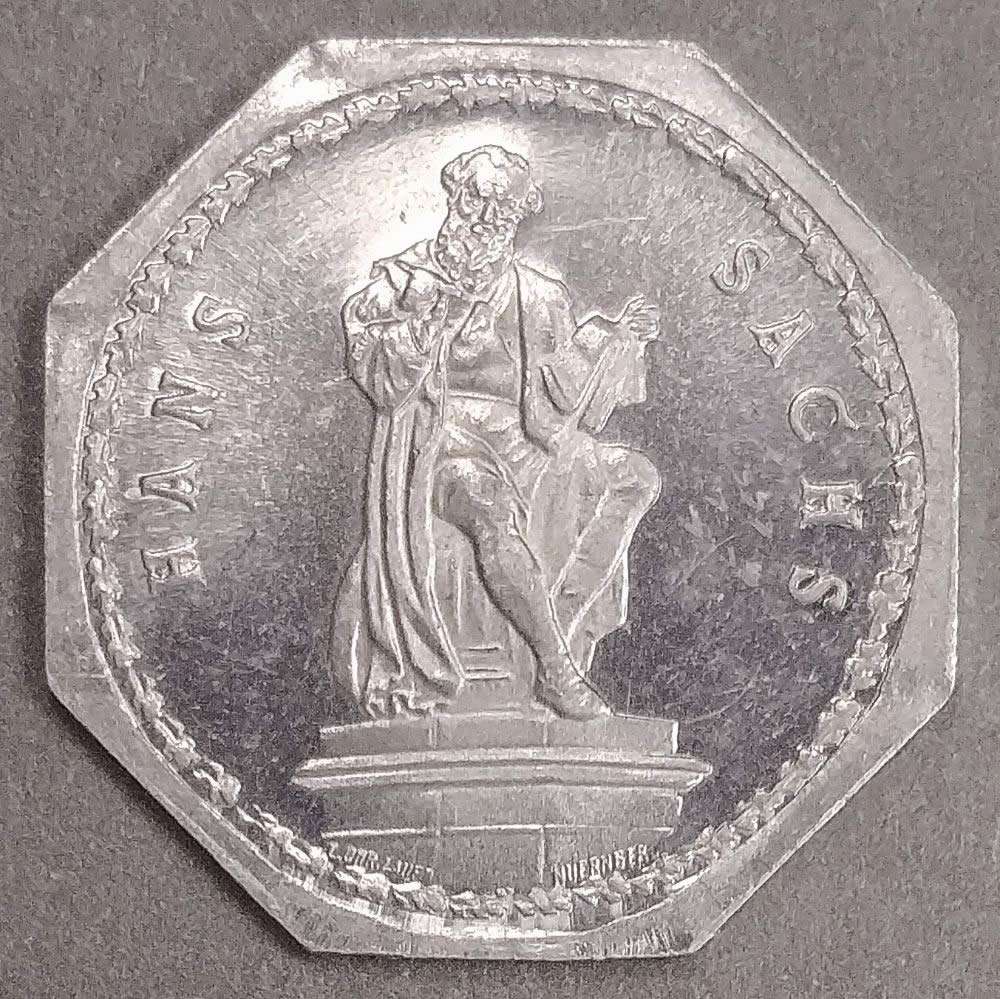
Hans Sachs was born in Nürnberg and attended a singing program at his local church, awakening in him a talent for poetry and song. At age 14 he apprenticed as a shoemaker and achieved journeyman by age 17 whereupon he traveled Germany practicing his craft and art. By 1517 he was discovered by Emperor Maximilian I of Austria and invited to the palace as a meistersinger. His greatest intellectual achievements were inspired by the coming of the Reformation, which he embraced early and with enthusiasm. He wrote a poem which began with "The nightingale of Wittemberg, which is heard everwhere," and other works of prose praising Martin Luther, for which he became famous.
__________________________
I hope you enjoyed it!






 First Page
 Previous Page




 Posted 12/07/2017 5:31 pm



 . They look like they just might have the info I am looking for. Emailed them this evening.