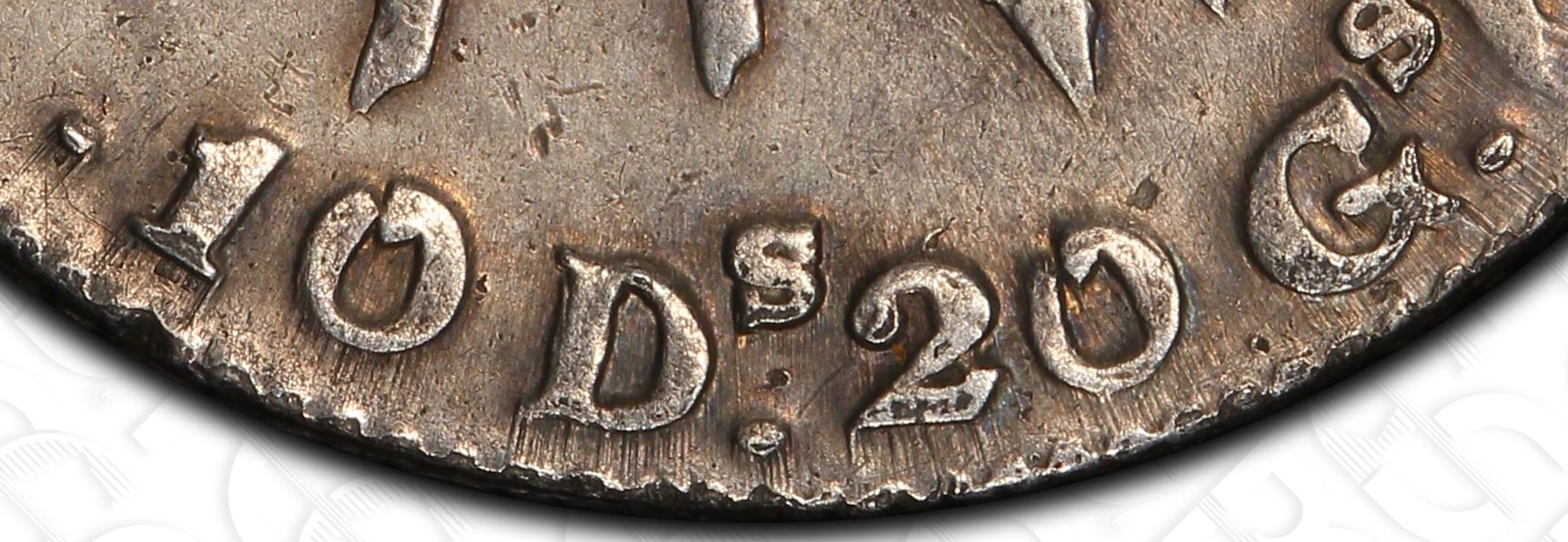
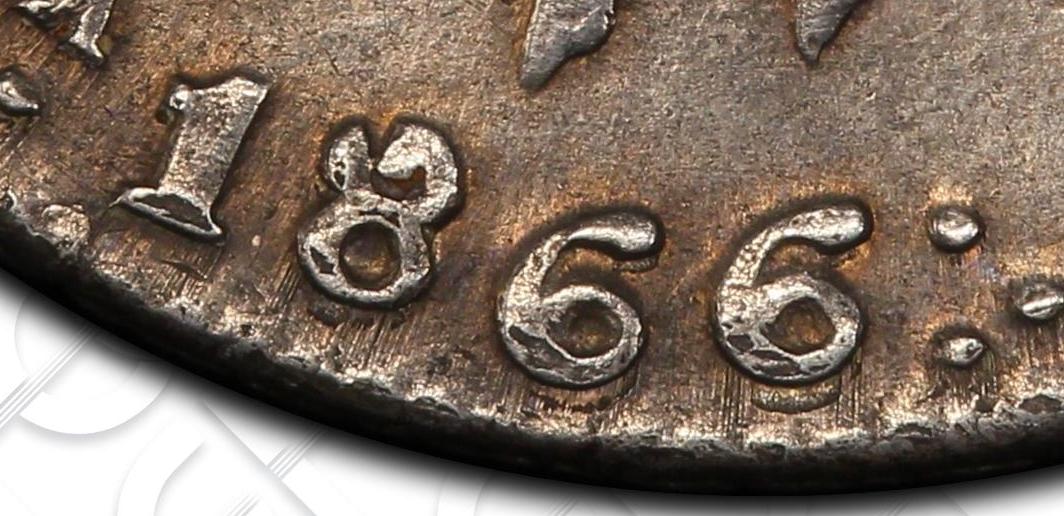
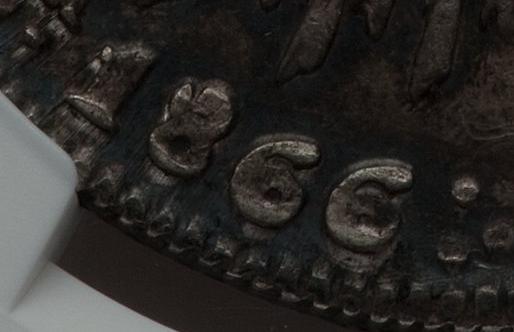
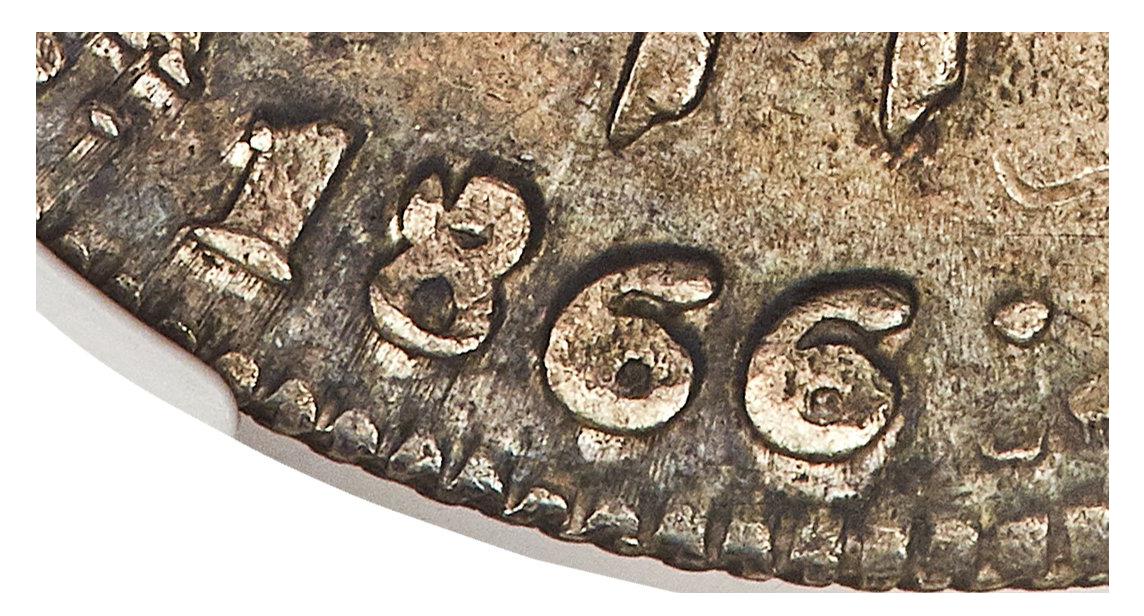
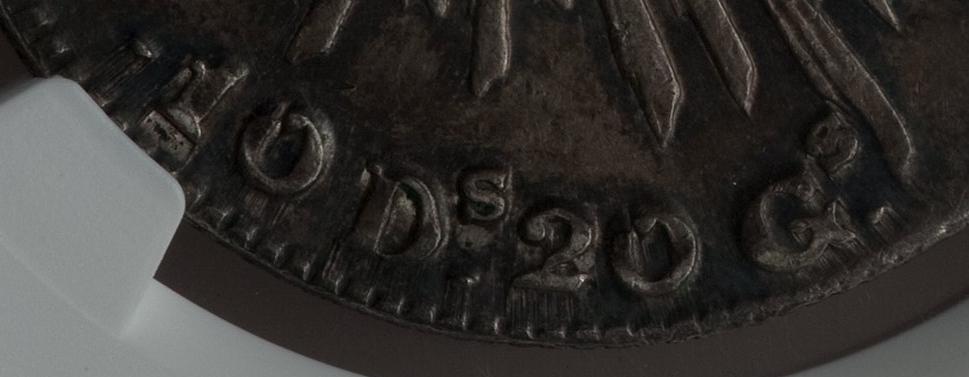
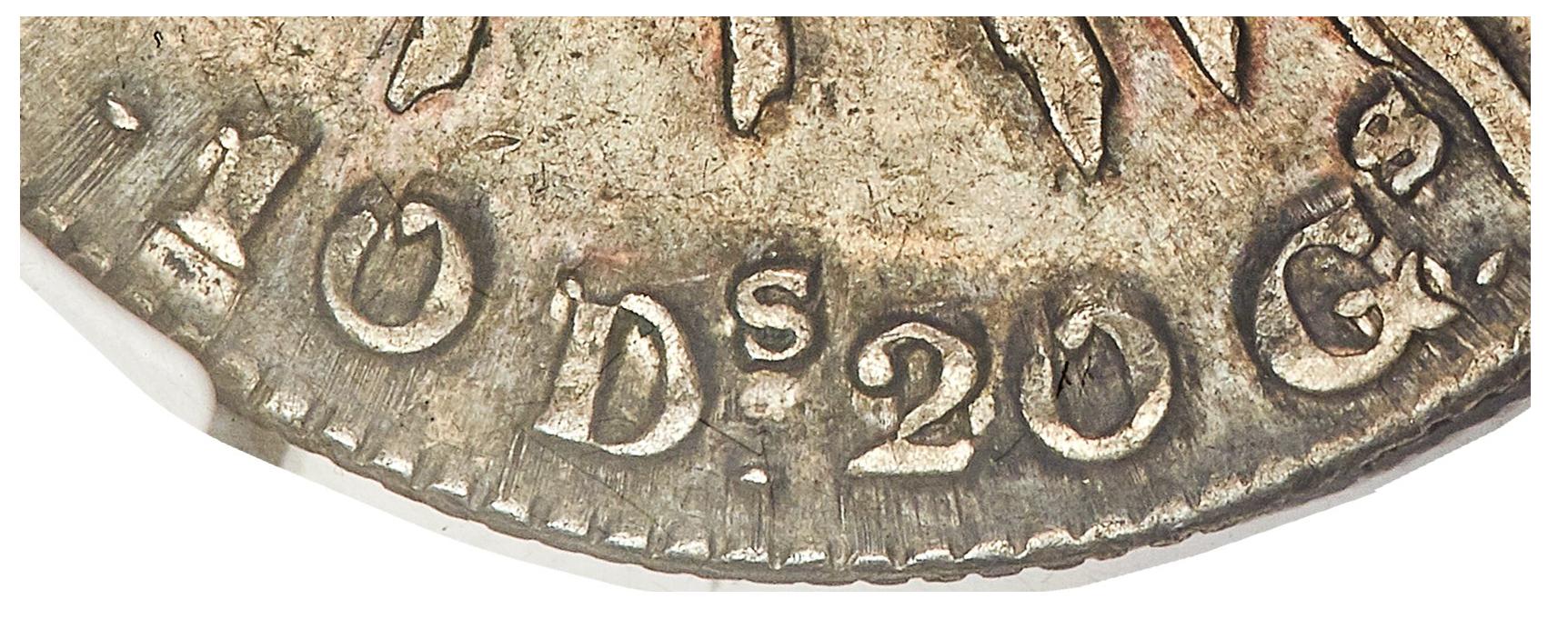
basebal21 Since you believe PCGS provides a clear guarantee of authenticity and a method for cost recovery, could you respond to this comment I posted on the other thread where I posted another example of a PCGS error. (1794 So DA counterfeit host with a counterfeit George III oval counter stamp)
The following is edited slightly for clarity here.
basebal21 I agree with some of your comments, in particular to the fact that it is essentially impossible to be an expert in all series. I certainly admit that I am not an expert for all series. But I do claim to be an expert with some series.
I do not expect perfection from any
TPG but at the same time the
TPG's represent the results of their process as "certain" by offering a guarantee. They do not disclose all of the loopholes in this "guarantee" except in the fine print of the agreement which they know most folks don't read in detail. Even this agreement does not clearly state how they plan to recover costs.
One serious problem with what they are doing is that they could avoid a great number of the errors (in particular those that I have spotted) by following three simple steps.
1. Check the standard references on forgeries or originals to see if the coin looks right.
2. Weigh each coin accurately and compare it to standard weight.
3. Test the density of the coin and compare that to alloy.
If I were them I would add weight and SG to the label because that is valuable information that is not available after the coin is holdered. The tabulation of thousands or millions of such weights would be a valuable future authentication tool that all collectors would benefit from.
Some coins (10% tops) might need more than that for absolute certainty but even XRF needs to become a standard. Avoiding science only continues to produce and protect errors of the past. The TPGs make tons of money when grading
US coins and common modern world series because authenticity is less of a concern (due to familiarity), so why not introduce scientific testing for older pre-modern foreign coins? Too costly? Hardly.
Perhaps it would be better for them to grade only when there is some uncertainty of authenticity and to return the bulk of the fees charged for older foreign material that they can not grade or guarantee.
Reliance on their absolute guarantee of authenticity
WILL in the end cost many collectors and dealers a lot of money when they or their estate sells their coins. This is because most of the graded coins are safely tucked away as an investment. Many may not be resold for years. They become a time bomb that will continue to damage innocent people for decades.
In cases where I know the buyer of these forgeries (JUNK TYPES not valuable contemporary counterfeits) I have discovered an odd fact. Most of the buyers feel some level of shame at being duped and would prefer to hide these mistakes and eat the costs.
In one specific case where a buyer had spent well over $1,500 on a modern (likely Chinese) forgery, he did not get a refund because the
TPG planned to contact the dealer who originally submitted the coin for grading so that they could recover the value from that party. The buyer did not want the
TPG to do this because the buyer also had a reputation of his own vto protect. So the buyer ate the cost (or at least $1,500 of it). I bought and still own the coin as an example of a flagrant error.
Does that make sense to you or anyone? If a dealer gets a rare coin, one he has never encountered before what does he do? If he sends it to a
TPG that takes a fee and guarantees the coin is genuine why should HE REMAIN ON THE HOOK?
The answer seems to be yes, unless you want to lose access to grading. Why? Because the
TPG says so that's why. Not fair. Just a way of protecting the image of the
TPG.
Say the coin sells several times in prestigious auctions over a few years due in large part to it being slabbed and then it is finally discovered that it is a fake; should the original dealer be expected to pick up the cost?
This seems to me to constitute a "legal" form of extortion. The buyer has a choice of getting damaged monetarily by eating the
TPG's error or, if the buyer happens to be a dealer, they will get damaged monetarily by not being allowed to submit any more coins?
Have you or anyone seen this stated clearly in the "boilerplate"? Do they tell submitters up front that they will be held accountable as long as they remain in business? Do they tell buyers how the money for the refund is secured?
Shame on all TPGs including PCGS that follow this system.








 First Page
 Previous Page


 Posted 01/10/2018 10:51 am