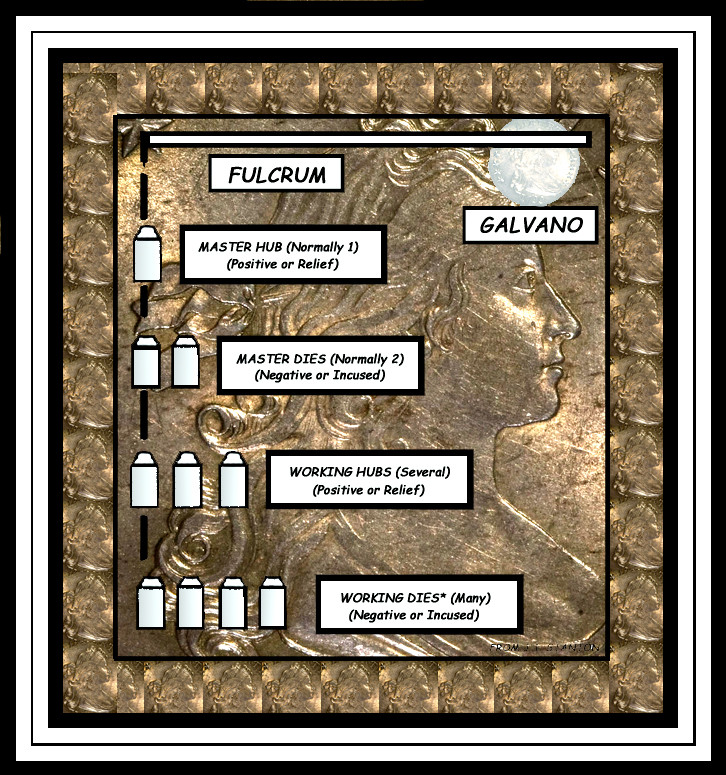
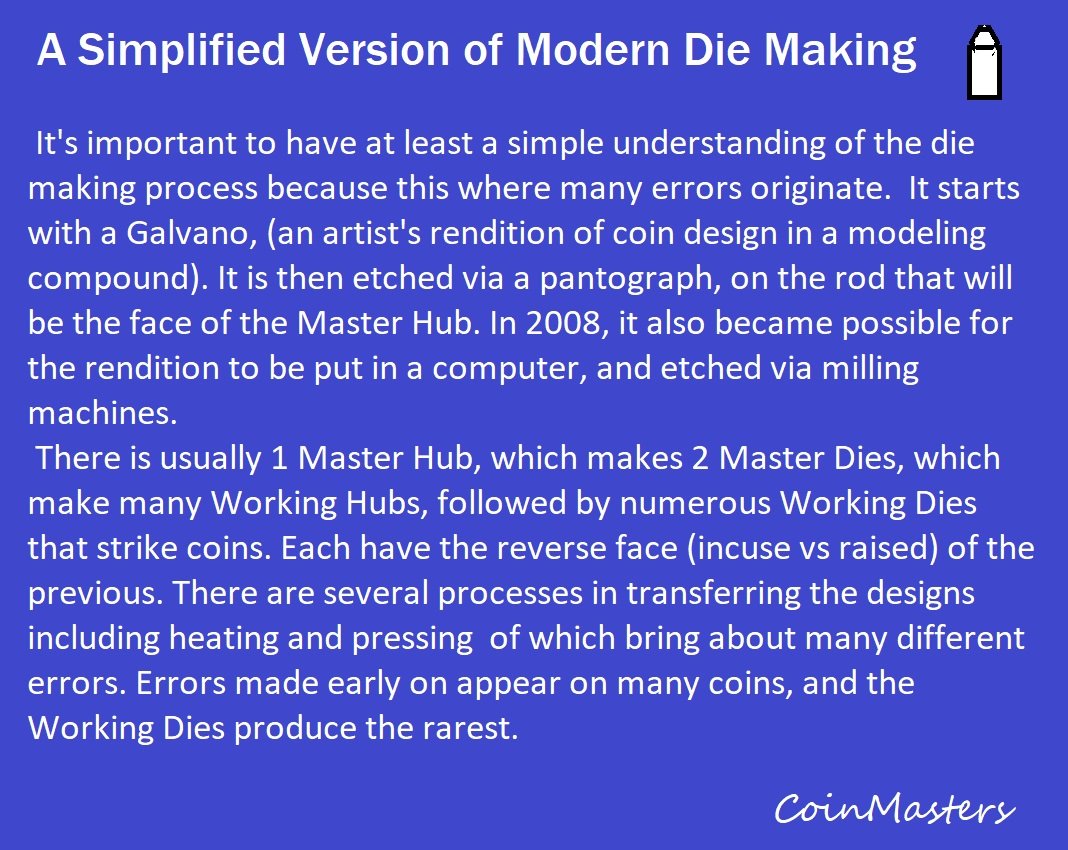
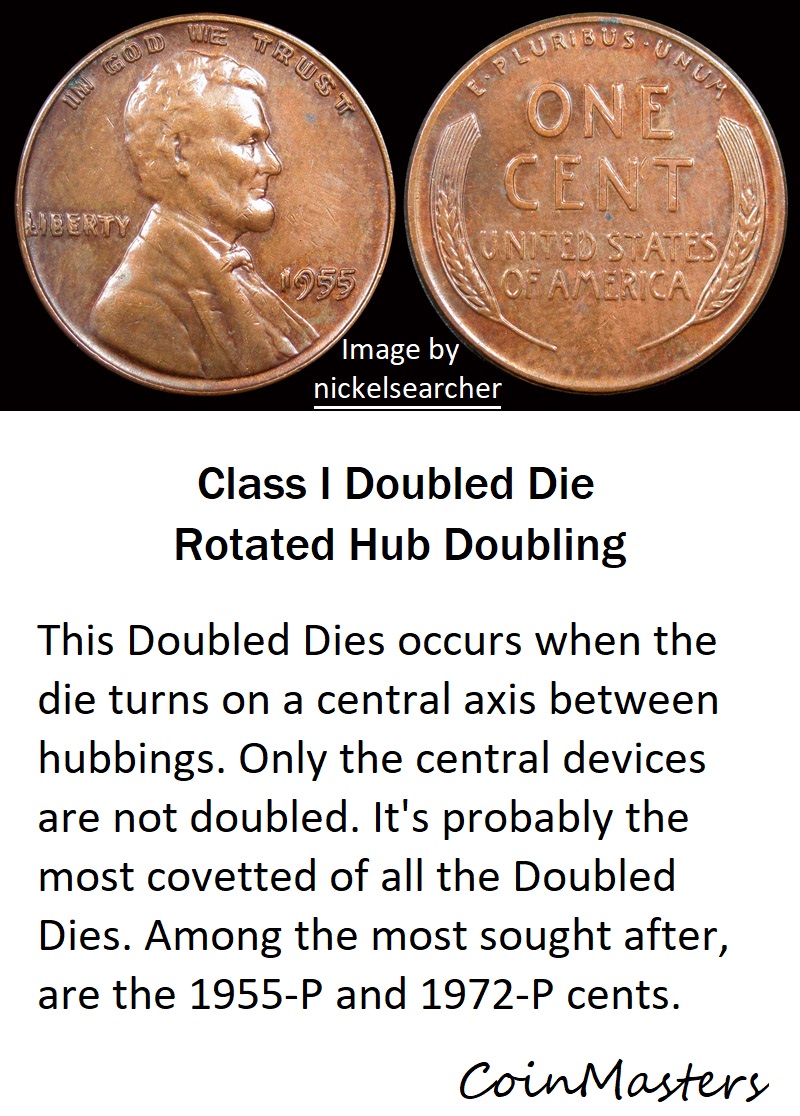
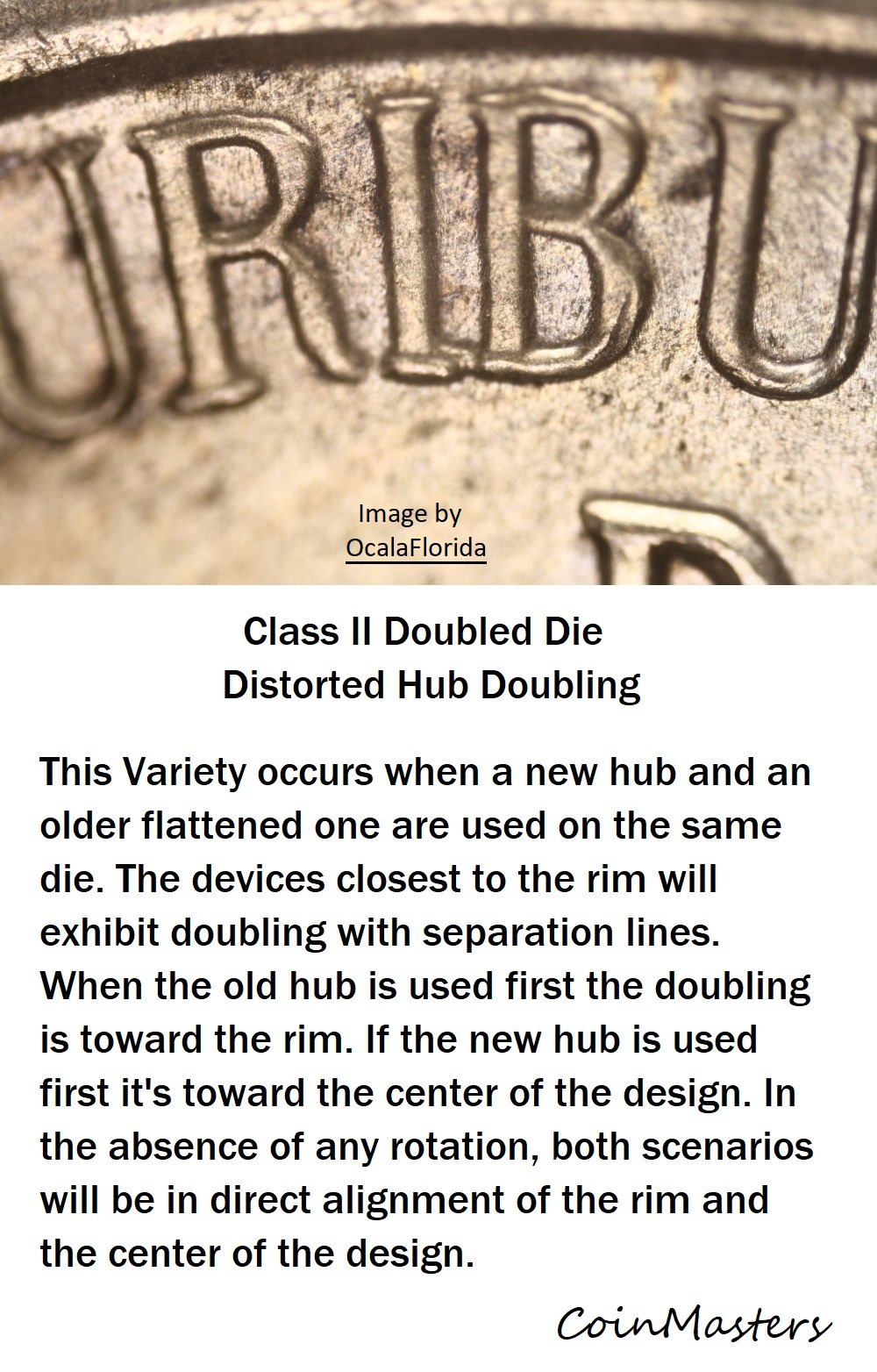
I think just about everybody likes a good Doubled Die. A problem for many people is distinguishing them from lesser anomalies. Another problem is distinguishing the nine different types of Doubled Dies. To solve both problems, an understanding of the minting processes is necessary. There are several websites and books available to acquire this information, and I strongly recommend reading them, as I have to help with this post. My intent here is not to replace the valuable and in depth information they contain, but to make available some of the highlights and what I consider to be the most important information in an easily accessed and brief format.
The "lesser anomalies" I mentioned, is the first thing most entry level numismatists learn to distinguish. In my opinion, they can be lumped into four major categories:
1.
Strike Doubling AKA
Machine Doubling (MD), is the result of the die making contact more than once, altering the initial devices. It usually reduces the size of the initial devices by leaving a flattened edge with a different color.
2. Die Wear is when the die has recesses on it that are transferred to coins as raised areas. They are usually alongside or near the devices and without the crisp edges of normal devices.
3. Damage is anything that happens to a coin after it's been minted. It's usually recessed in the coin.
4. Minor Errors are "lesser anomalies" only as they relate to Doubled Dies and major errors. They stem from damage on dies, and include clashes, chips, cracks, etc. They are valued less than major varieties and errors, but highly collected.
There are variations in the four categories, but as I said, I'm trying to present as much information as possible while remaining brief. That being said, here are my Doubled Die E-Files. Anyone can use them on here, but please wait a few days before copying them, as corrections may be necessary.
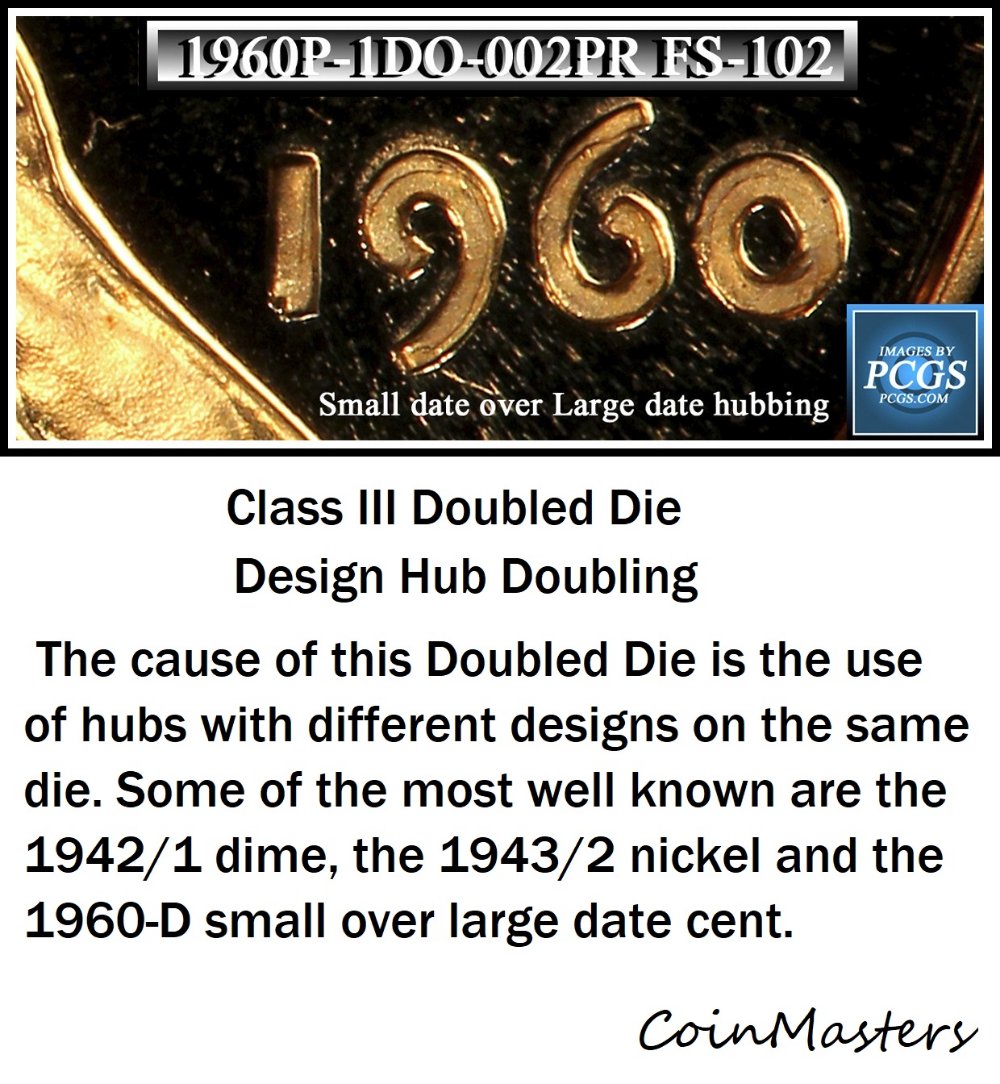
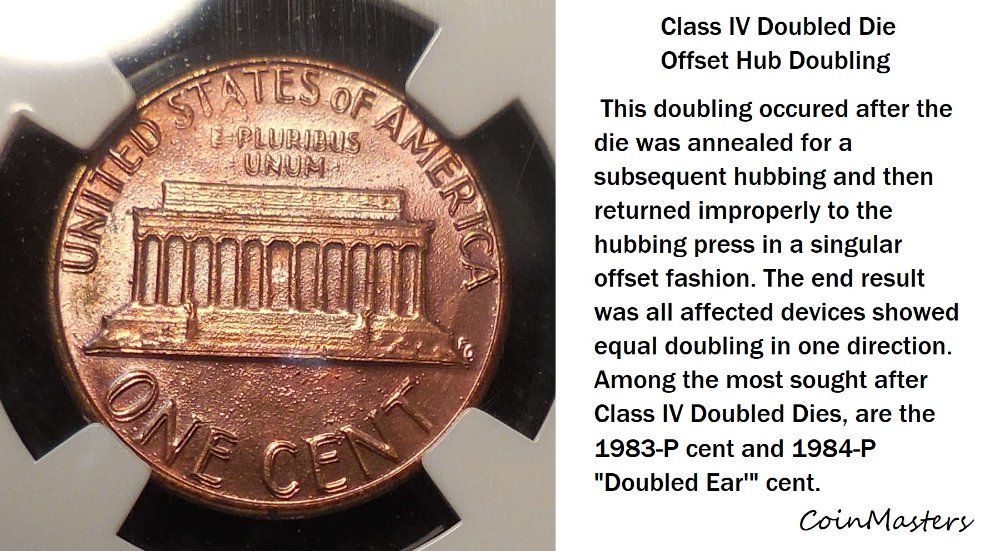
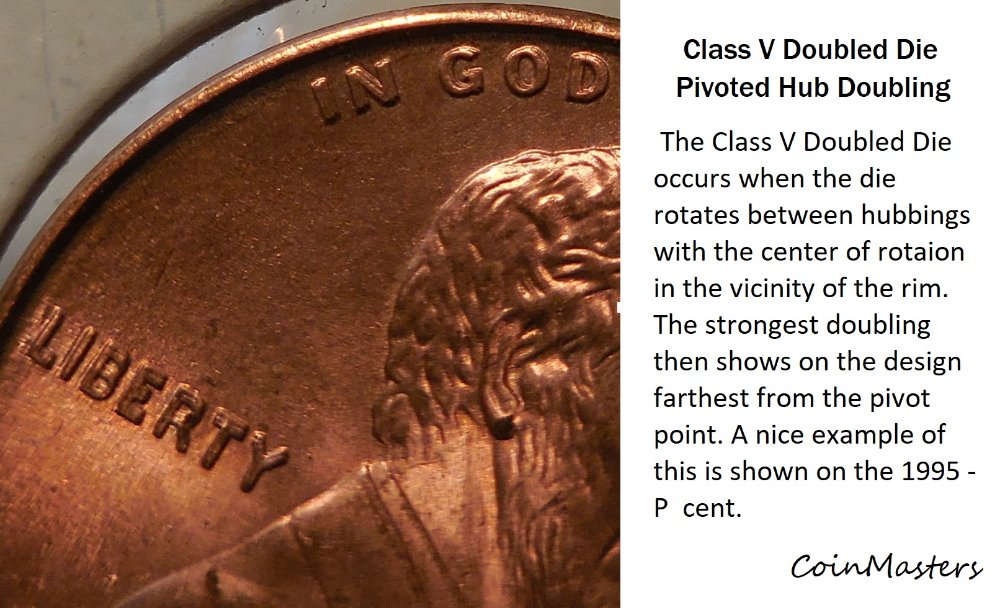
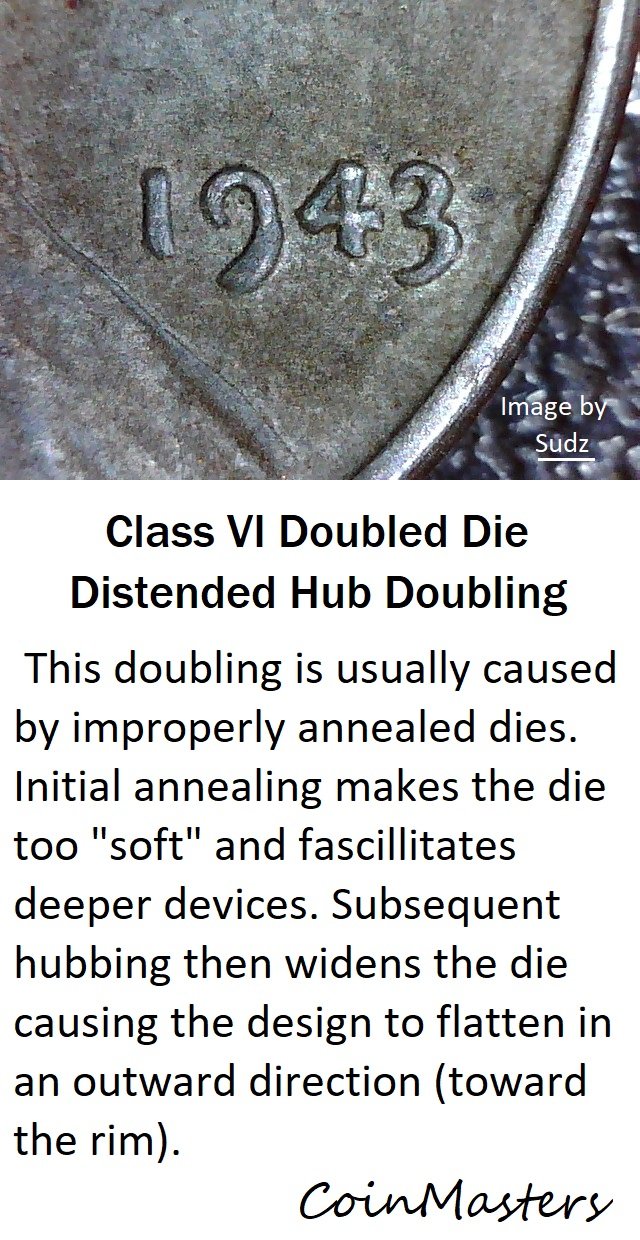










 Posted 02/28/2018 5:11 pm