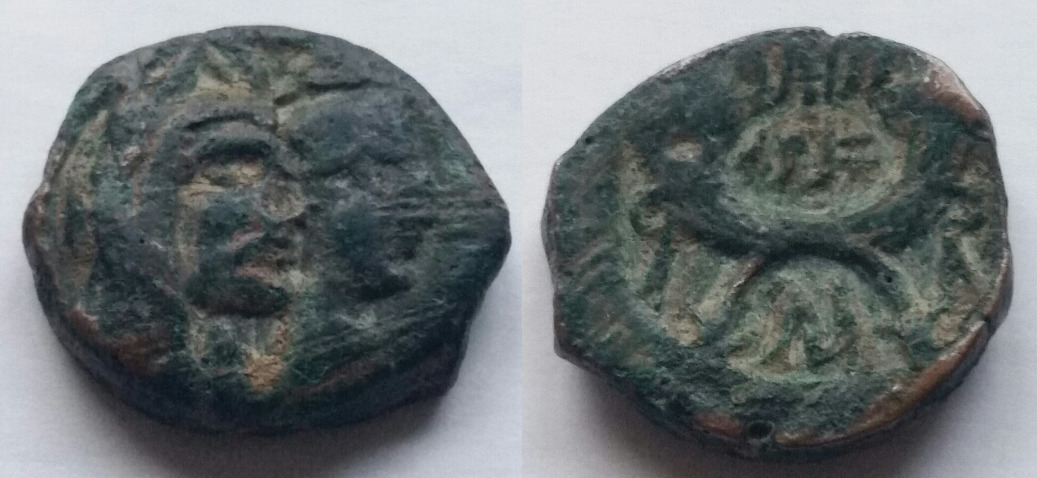
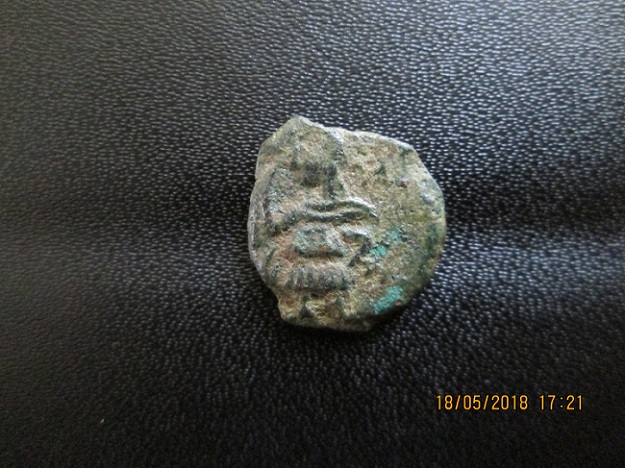
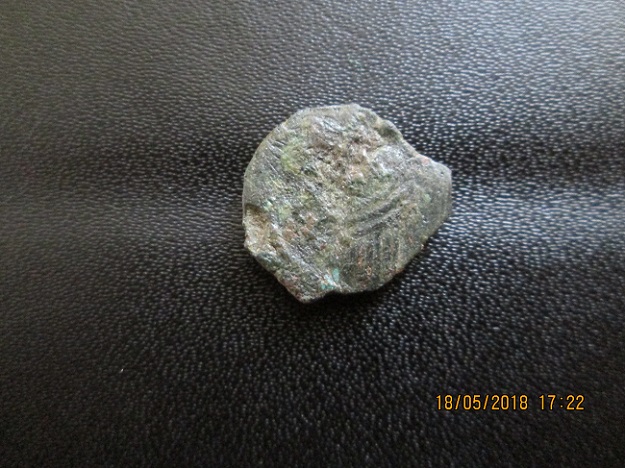
Naumann first lot contained 125 bronze coins from the near east area, of which about 40-50 were Nabatean! Lots of common types, some scarce and rare types, but this one is my favorite.
Nabatea (Jordan and Saudi Arabia)
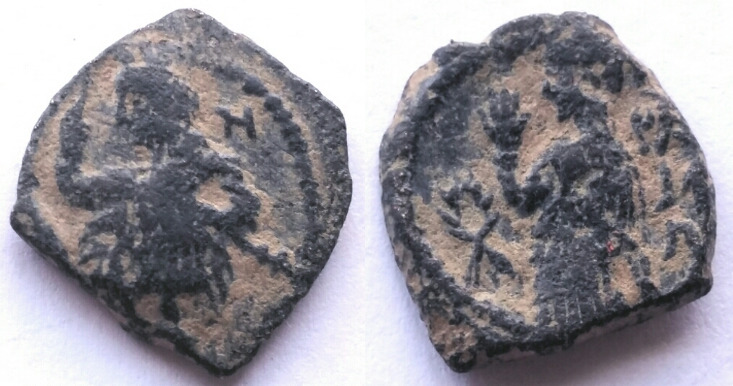
Aretas IV (9 BC - 40 AD) and Shuqailat (Shaquilat)
Struck ca. AD 16
Obv: Aretas IV standing, holding spear and resting hand on sword at hip, palm front before, Nabatean H behind (for HRTT, Haritat, his name in Nabatean)
Rev: Shuqailat standing, hand saluting (?), palm wreath before, Nabatean SQ/LY/T behind
The Nabateans were an ancient Arabian tribe who came to sudden prominence in the 2nd/1st centuries BC to capitalize on their ability to navigate the desert to transport spices and other goods to the wealthy Seleucid and Roman provinces. They remained famously unconquerable by virtue of being able to simply pack up and leave at the first sign of trouble - the heavily armed Roman, Seleucid, and Parthian troops simply couldn't pursue them into the wilderness. They are today best known for their capital city at Petra, cut directly from the rock of the surrounding cliffs.
Aretas ascended to the throne in about 9 BC, and Augustus grudgingly accepted him as a sovereign king, outside of Roman influence. His relationship with the Romans was often rocky, although he lent troops to the Romans in 4 BC for an expedition against a Jewish uprising. He became intricately involved with Biblical events when he sent his daughter Phasaelis to marry the Judaean Tetrarch Herod Antipas to solidify peace between their nations. Antipas however had an affair with his half-brother's wife, causing Phasaelis to flee to her father for protection. John the Baptist was the most outspoken critic of Antipas' actions, leading to his arrest and ultimate execution. After further souring relations, Aretas and Antipas went to war; the death of Tiberius halted the reinforcements that Antipas had expected, and Aretas was victorious.
Aretas was initially married to Huldu, but was apparently widowed in about 16, after which he married Shuqailat. She appears on nearly all of Aretas' coinage from that point; he seems to have been quite enamored with her. He was succeeded by his son Malichus, who issued very rare coins naming Shuqailat as his mother, but then he married a woman also named Shuqailat, presumably his sister.
This coin is markedly different from the usual Jugate portrait type, and is assumed to commemorate their marriage.







 Also a awesome write up too.


 Posted 05/16/2018 1:37 pm