| Author |
 Replies: 5,294 / Views: 291,198 Replies: 5,294 / Views: 291,198 |
|
|
|
Pillar of the Community
 United States
2703 Posts |
King Karl X Gustav of Sweden2 Mark, n.d. (1654)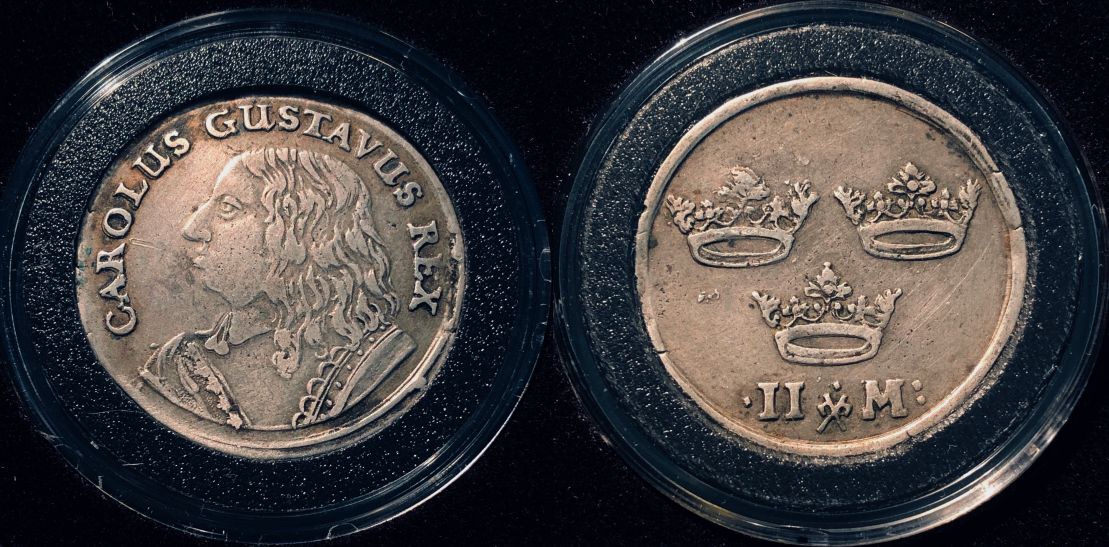
|
|
Pillar of the Community
United States
2703 Posts |
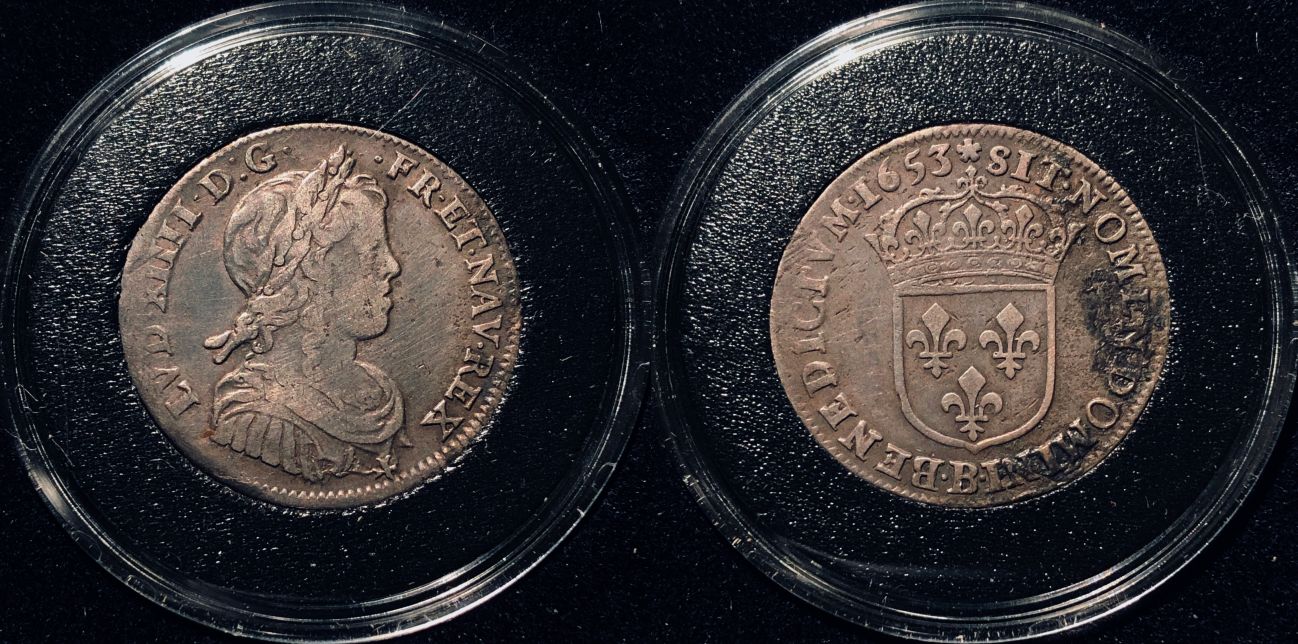
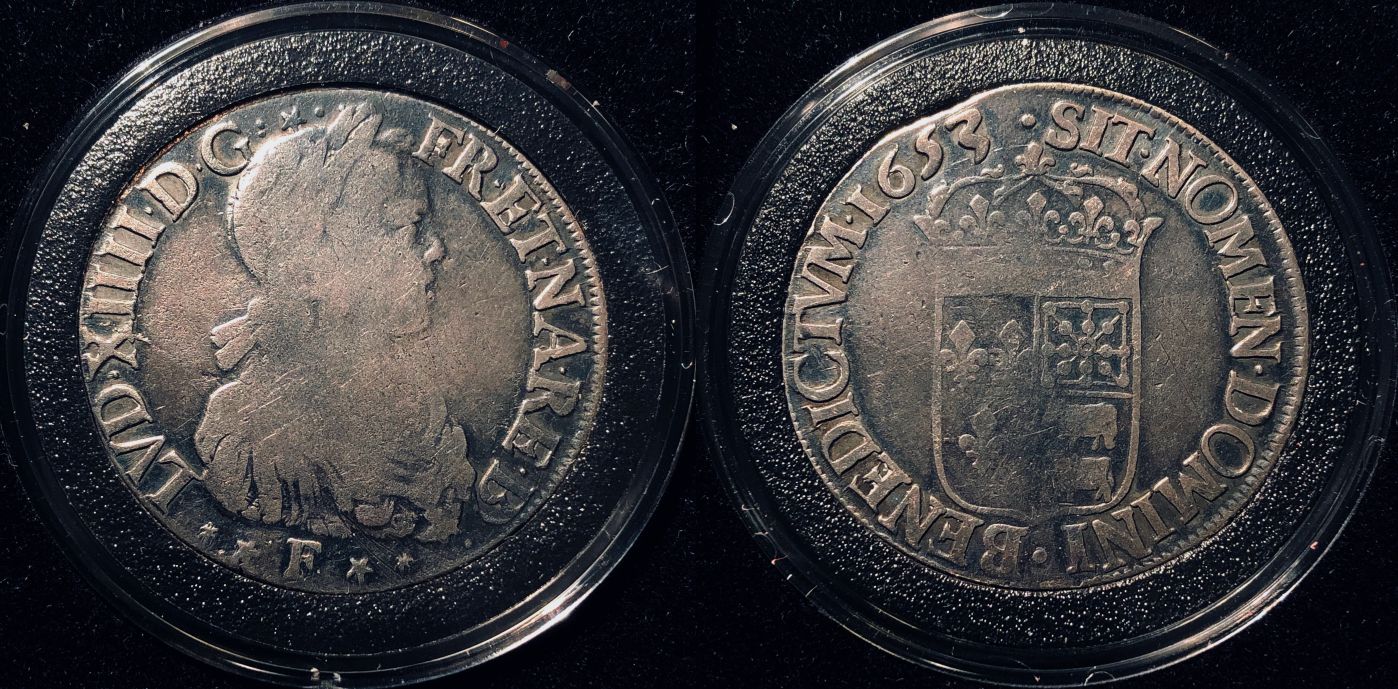
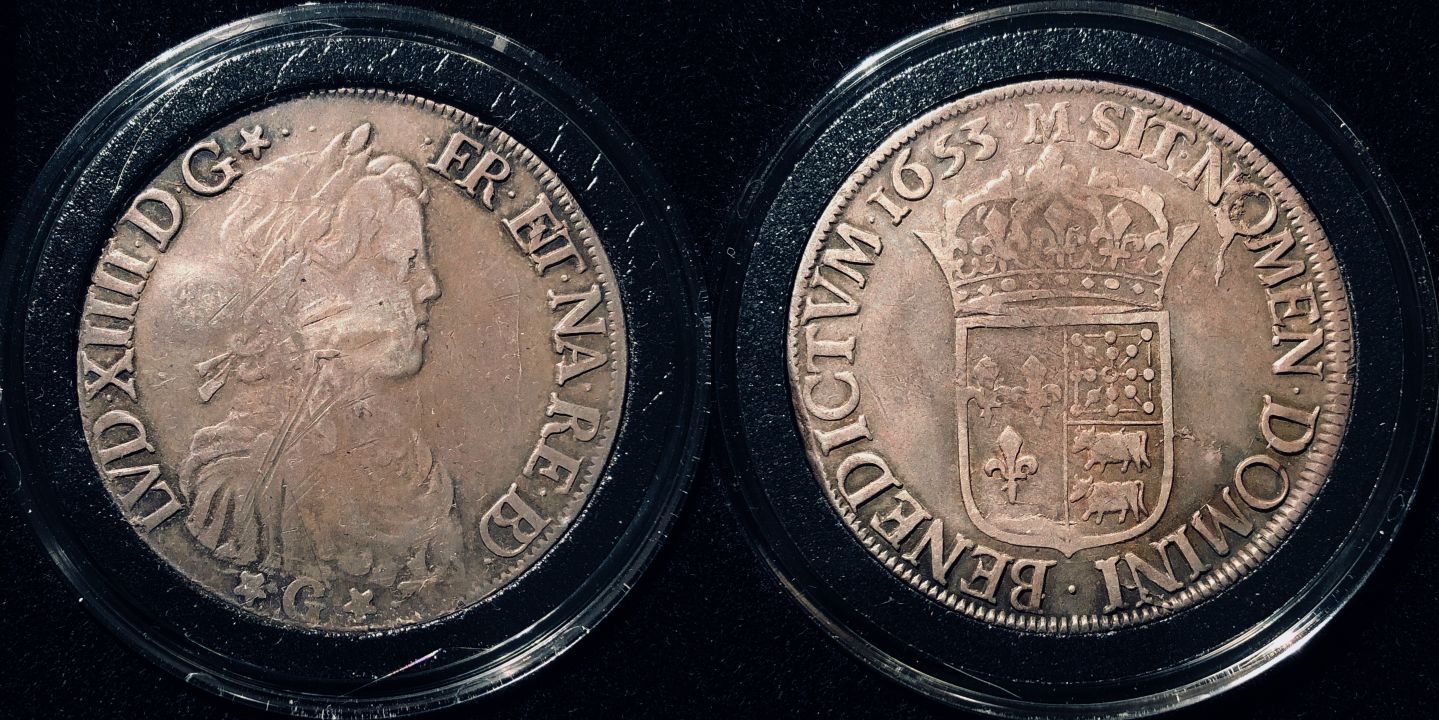
1654 King Louis XIV of France1/12 Ecu for Navarre with Long CurlSaint Palais, star-V-star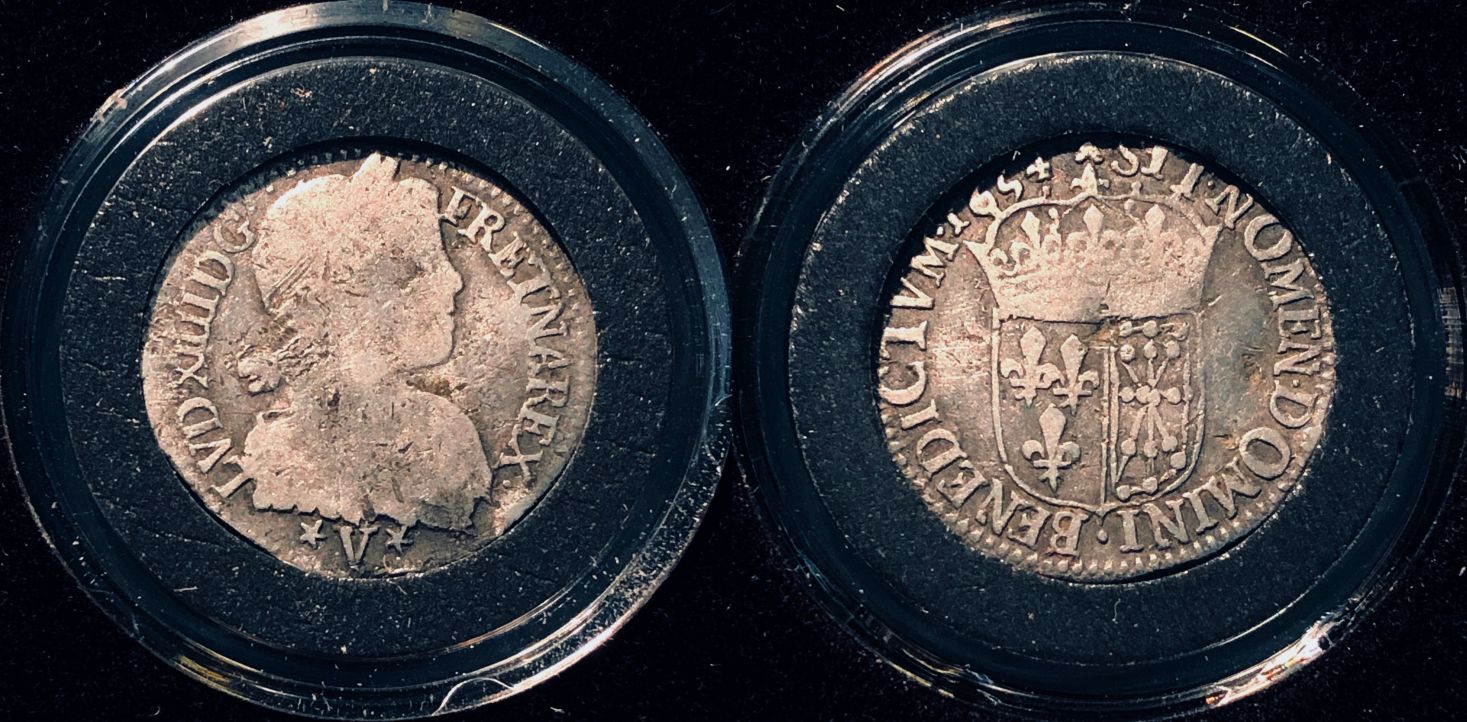 1/2 Ecu with Long CurlNantes(T) 1/2 Ecu with Long CurlNantes(T)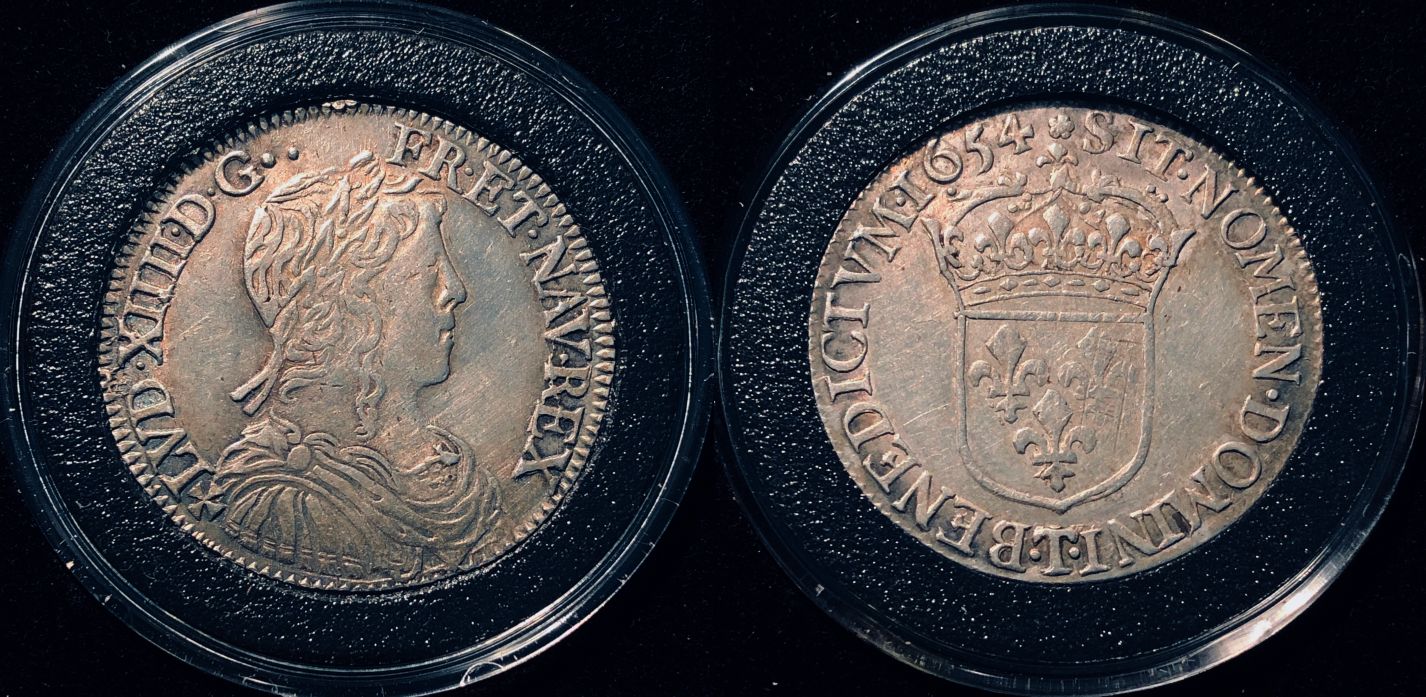 Rennes(9), first example Rennes(9), first example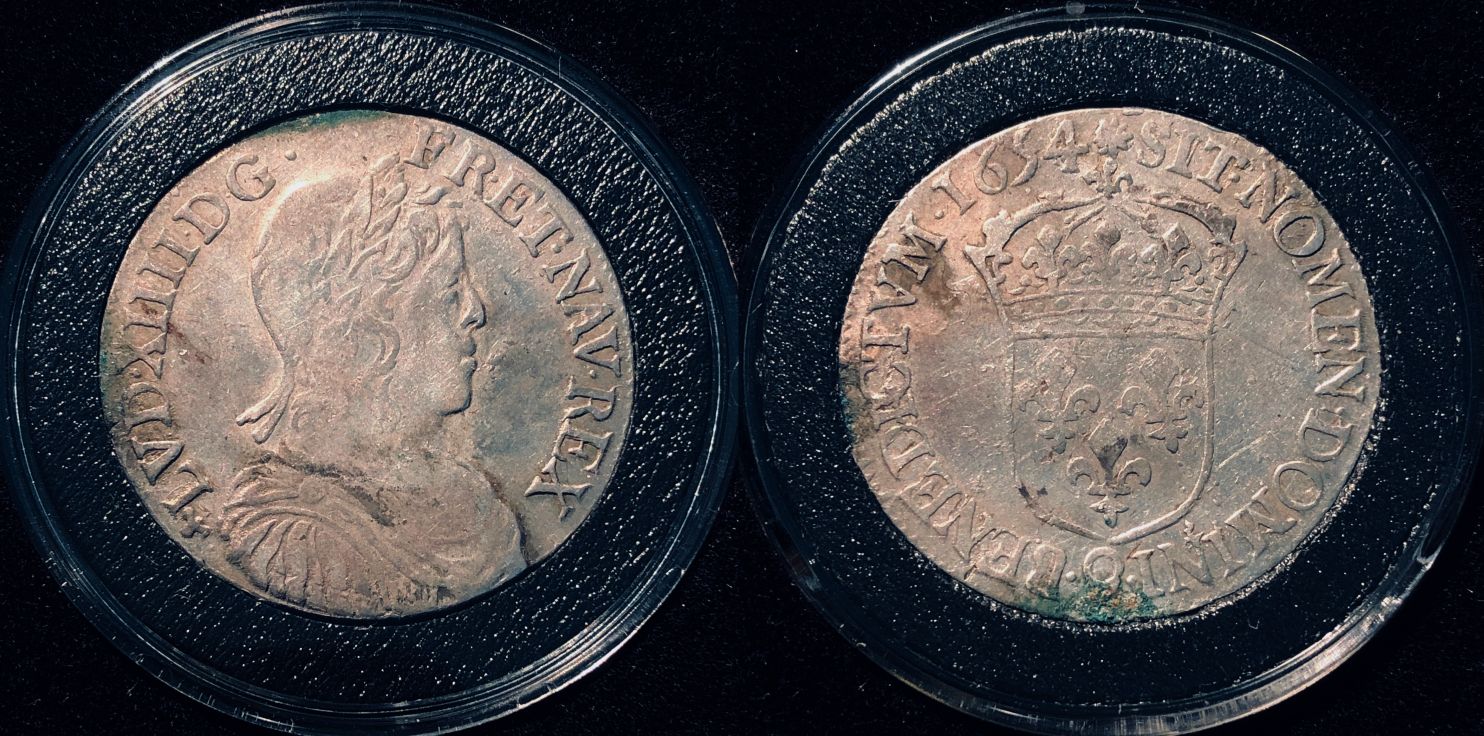 Rennes(9), second example Rennes(9), second example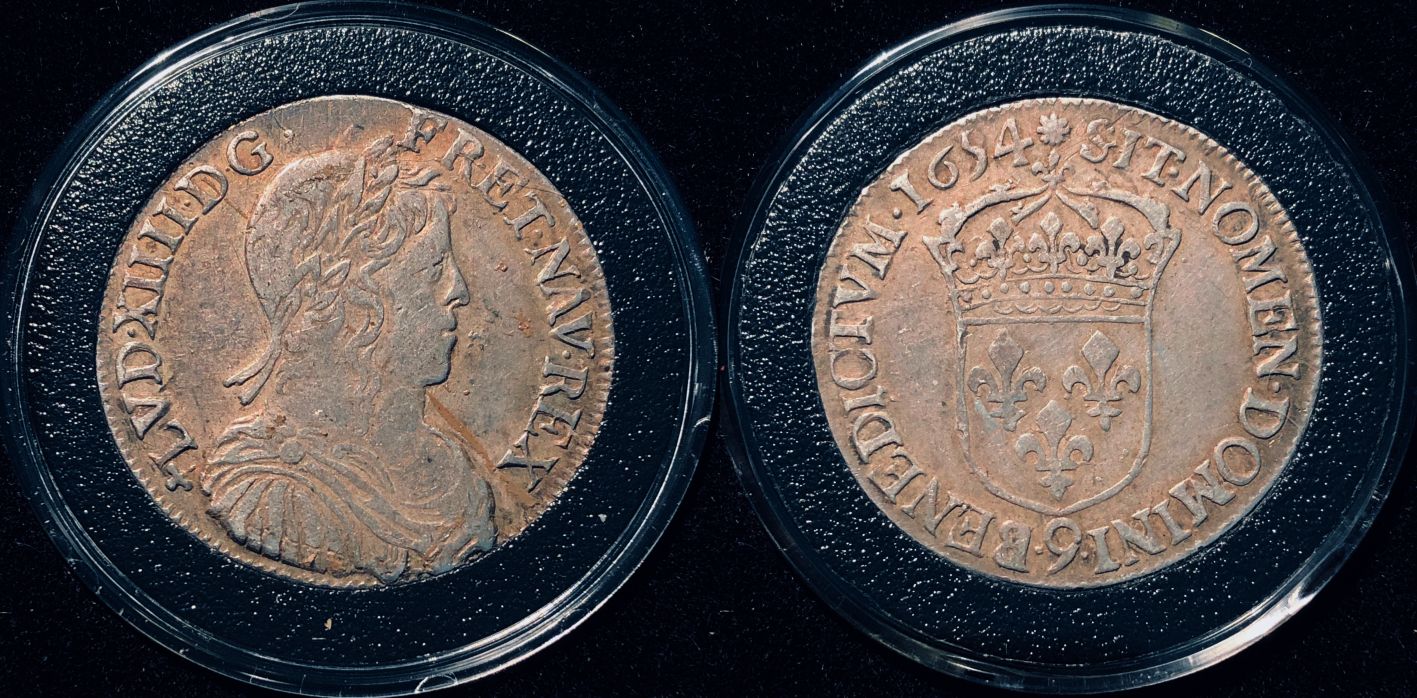 Ecu for Navarre with Long CurlSaint Palais, star-V-star Ecu for Navarre with Long CurlSaint Palais, star-V-star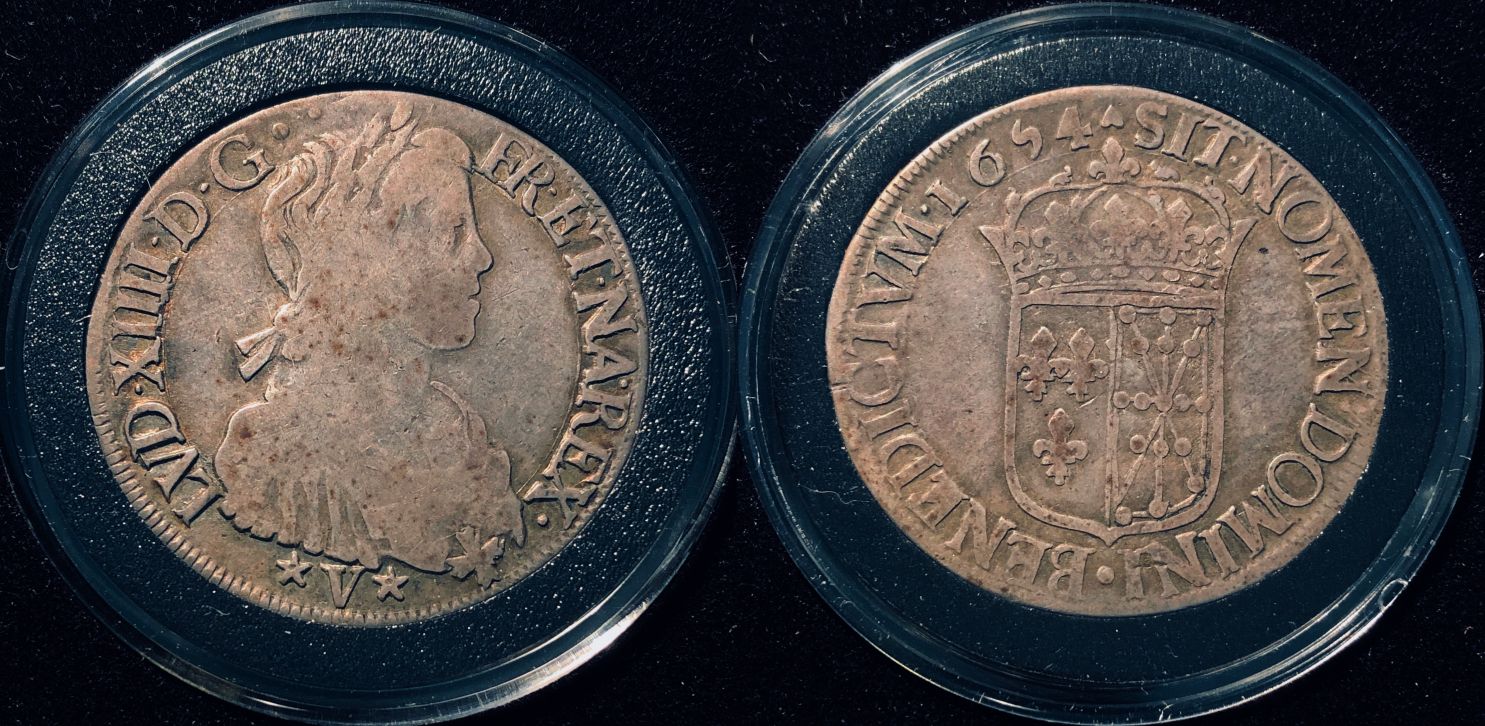 Ecu for Bearn with Long CurlPau, pellet-star-F-star-pellet, obverse die state I with head crack Ecu for Bearn with Long CurlPau, pellet-star-F-star-pellet, obverse die state I with head crack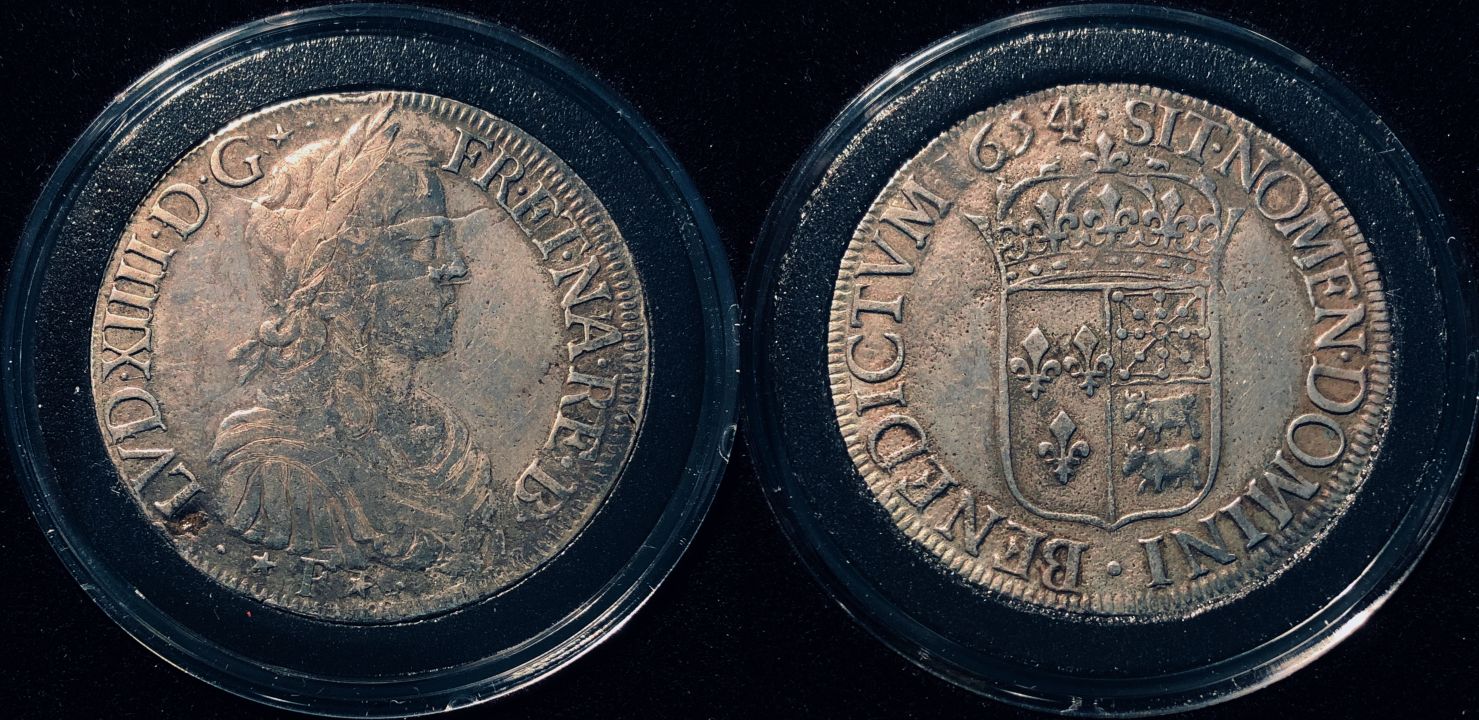 Pau, pellet-star-F-star-pellet, obverse die state II with enlarged head crack Pau, pellet-star-F-star-pellet, obverse die state II with enlarged head crack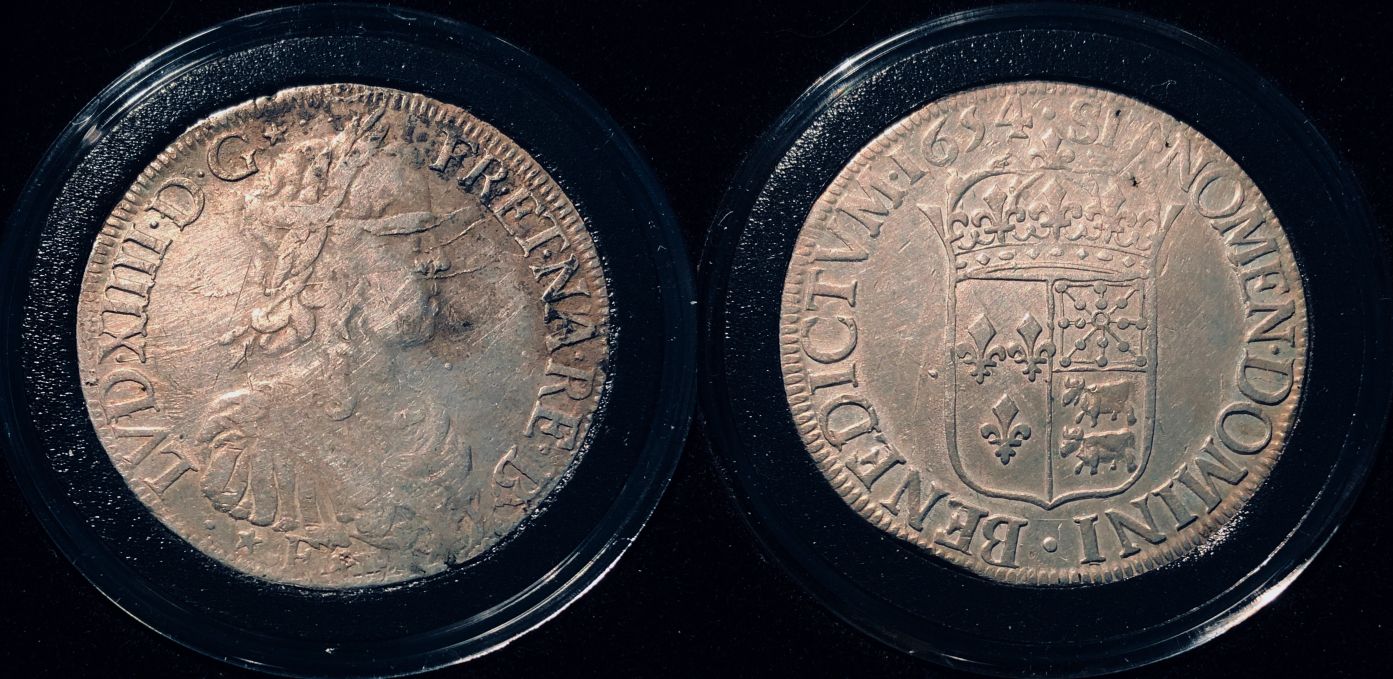
|
|
Moderator
United States
34563 Posts |
Here is a Denier Tournois from the French County of Nethers-Rethel dated AD 1653: 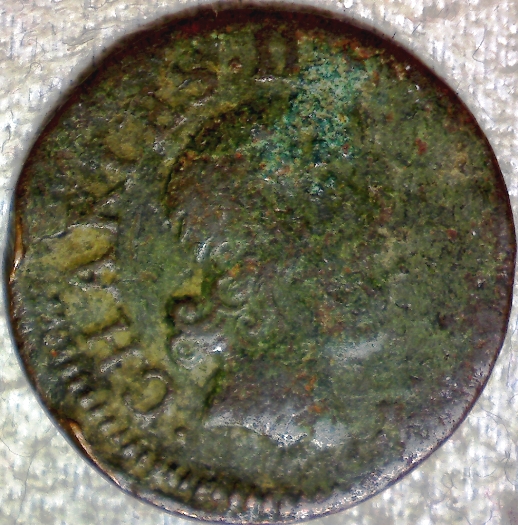 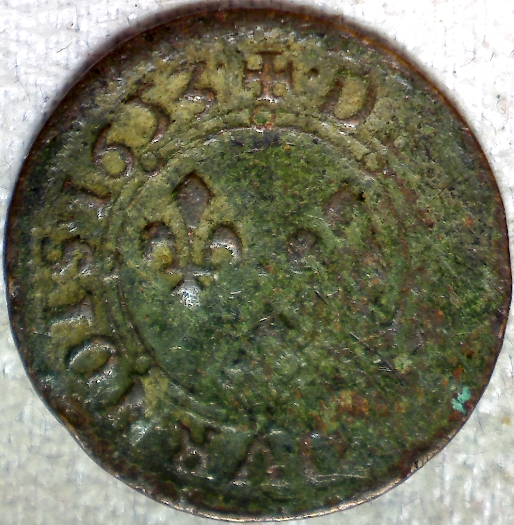 "If you climb a good tree, you get a push."
-----Ghanaian proverb
"The danger we all now face is distinguishing between what is authentic and what is performed."
-----King Adz
|
|
Pillar of the Community
 United States
8057 Posts |
Nice! I thought my grasp of French geography was pretty good, but that one sent me on a hunt for more facts, including why these two places were "joined", and why it was still somewhat independent of royal France in the mid-1600s. Nevers is in east-central France, between Berry province, which was historically part of royal France, and the Duchy of Burgundy which was a rival of the French crown until 1477 when Duke Charles the Bold died without heir in battle, and Burgundy became part of France. But Nevers did not, so it became a sort of enclave within the kingdom of France. Rethel lies 300 km to the north, between the Champagne region (again, a part of France from early medieval times), and an area which in medieval times would have been the County of Hainaut, historically aligned with first Burgundy and then the Hapsburg empire. The two places were joined by the 1290 marriage between Louis I, Count of Nevers, and Joan, Countess of Rethel (thus explaining the odd geographical separation). IN the early 1600s, the Italian house of Gonzaga became involved, when Louis Gonzaga married Henriette of Cleves, who had inherited the duchies of Nevers-Rethel. Charles IV on this coin was their grandson, and the last Gonzaga duke, as Nevers-Rethel was sold in 1659 to Mazarin, and passed on to France thereafter. Edited by tdziemia
06/24/2019 09:17 am
|
|
Pillar of the Community
Sweden
2124 Posts |
Quote:
Nevers is in east-central France... Concise and interesting historical review, thank you! |
|
Pillar of the Community
United States
8057 Posts |
Thank you! And while we are pondering things about these great coins of the 1650s which have been posted, I am wondering when the "laureate" type portrait was revived in Europe? On Polish coins, we saw this on Jan Sobieski in the 1680s (very few of his coins show him wearing a crown) and on certain coins of Jan Casimir: all of the copper schillings 1660-66 have this type of portrait, and we will see that large silver coins of 1650-1652 also use a laureate bust, though his silver coins after 1652 tend to show him with a crown. For Louis XIV of France, we have seen the laureate bust on his silver coins of the 1650s, but a crown on the copper liards. Cromwell and Charles Gustav have also appeared with the laureate look. I guess we will see how far back this goes  |
|
Moderator
 United States
196342 Posts |
Looking good!  |
|
Pillar of the Community
United States
9395 Posts |
1653 -- Kingdom of France, 1/2 ecu:   |
|
Pillar of the Community
Sweden
2124 Posts |
Quote:
I am wondering when the "laureate" type portrait was revived in Europe?
...
For Louis XIV of France, we have seen the laureate bust on his silver coins of the 1650s, but a crown on the copper liards. I can at least shed some light on the French coins. For Swedish coins I think we have others who are experts  Laureated portraits on French coins go back to Henri II and the 1550s (as I will be able to show eventually  ). His predecessor Francois I wore a crown on his testons, but there are other portraits of him - not on coins - with a laurel. |
|
Pillar of the Community
Belgium
1185 Posts |
For the Netherlands the "laureate" type portrait goes back to between 1586-1596 when Realen (Ryals) and Daalders (Thalers) with the portrait of Earl of Leicester were minted in 5 provinces.
Robert Dudley, was sent by Elisabeth of England to support the Dutch Revolt against Philip II. These large silver coins are splendid in design and we may see a few examples two months from now.
|
|
Pillar of the Community
Belgium
1185 Posts |
here is my 1653 piece, a jeton from Brussels on occasion of the capture of Duinkerken (Dunkirk) by the troops of Philipe IV in the war against France for the dominion of the Spanish Netherlands. OBV coat-of-arms of the Van der Haeghe family REV Ermine cloak with French lilies Lots of Latin, I guess it is about integrity and corruption INTEGRITAS PVRI VELLERIS IN PRETIO EST 1653 CAPI POTEST CORRVMPI NON POTEST 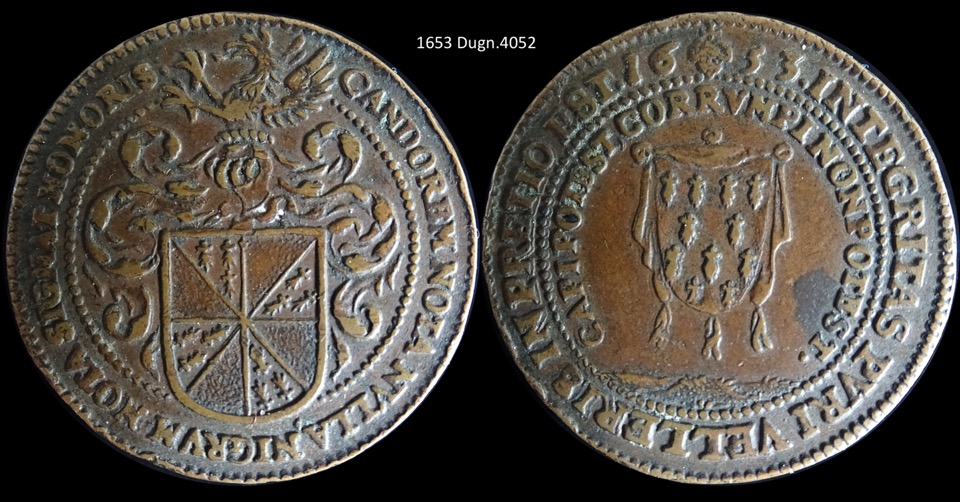 |
|
Pillar of the Community
United States
2703 Posts |
1653 Commonwealth of EnglandSixpence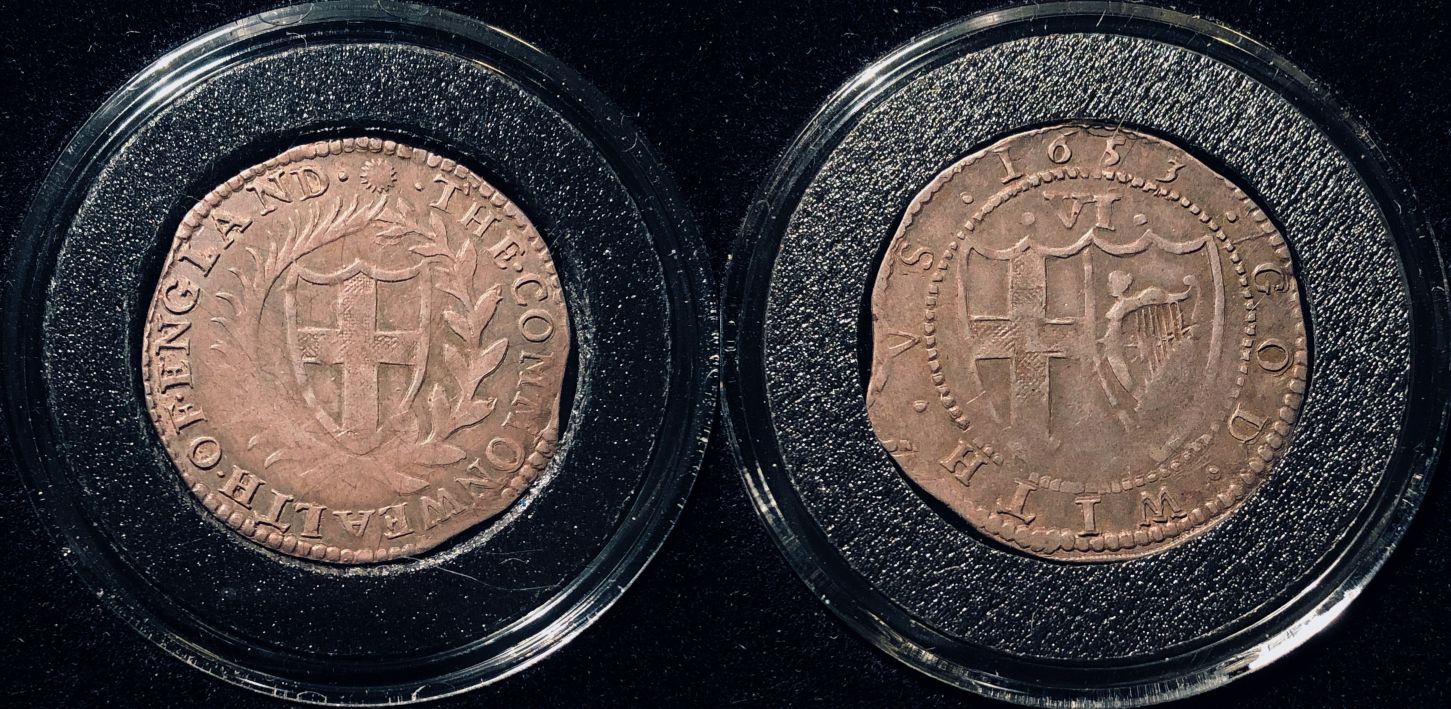
|
|
Pillar of the Community
United States
789 Posts |
Google translate gives me:
"INTEGRITY maker would have value therefore it can not be tampered 1653"
|
|
Pillar of the Community
United States
2703 Posts |
|
|
Pillar of the Community
Belgium
2895 Posts |
@1c5d7n5m: Quote:
here is my 1653 piece, a jeton from Brussels on occasion of the capture of Duinkerken (Dunkirk) by the troops of Philipe IV in the war against France for the dominion of the Spanish Netherlands.
Mooie jeton! Fanstastisch!! |
| |
Replies: 5,294 / Views: 291,198 |







 First Page
 Previous Page


 Posted 06/23/2019 7:17 pm