| Author |
 Replies: 10 / Views: 2,535 Replies: 10 / Views: 2,535 |
|
|
Pillar of the Community
United States
772 Posts |
Hello. Picked this up over the weekend. I have no idea if it is authentic or not. Can anyone give me any info on this and a way to see if it is indeed authentic? Thanks! Image: 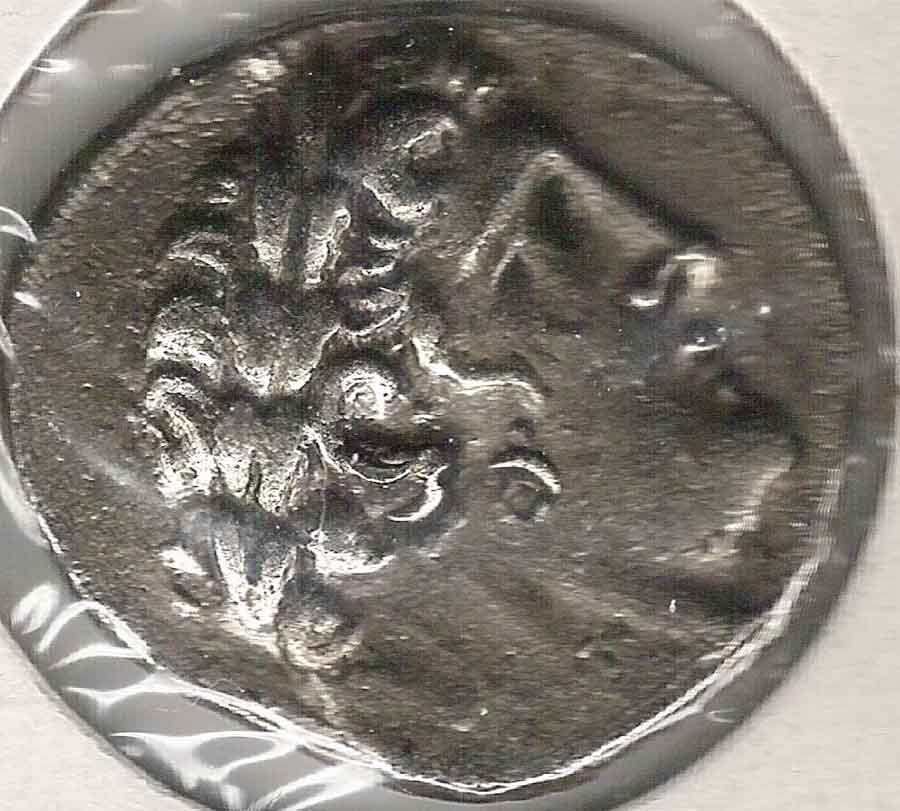 roman.jpg roman.jpg91.57 KB Image: 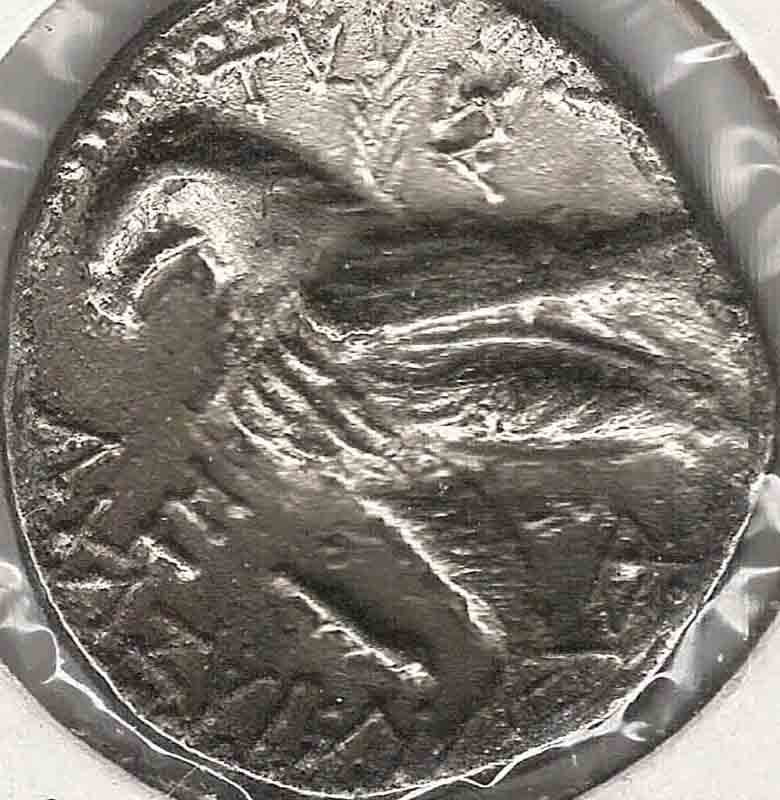 roman2.jpg roman2.jpg87.15 KB |
|
|
|
Pillar of the Community
Australia
1079 Posts |
Looks authentic.
Looks Greek to me. Will let the experts give a detailed discription.
|
|
Forum Mom
 United States
5877 Posts |
In looking for this coin in my Ancient Greek & Roman Coins book, I think this coin might be one of the Ptolemy rulers from Egypt. The eagle has a distinctive Egyptian look. I would suggest taking a look at Forvm Ancient Coins. They have lots of pics and they make it easier to ID ancient coins. http://www.forumancientcoins.com/ |
|
Pillar of the Community
 United States
772 Posts |
I got it posted on that forvm. Thanks for the info and link KLD and susanlynn
|
|
Valued Member
Canada
170 Posts |
I may be wrong but it looks roman to me, but since it doesn't have a legend around it,it couls be greek.
|
|
Valued Member
United States
123 Posts |
I have one or two similar coins. This coin is most likely Ptolemaic Egypt, but I can't tell which particular king this one is, but perhaps when I get some time I can look it up and figure it out. It could also be from somewhere around Lebanon; Egyptian-style coins were made there too, and there may have been imitations from elsewhere. These were trusted coins which were used extensively in international commerce.
Roman Egyptian coins are generally a bit smaller, and they carry Greek legends and a portrait of the emperor on the obverse (usually). They typically have the Egyptian eagle on the reverse.
Heather
|
|
Pillar of the Community
United States
772 Posts |
I have found out this is not an original coin... bummer
|
|
Valued Member
United States
123 Posts |
That's a shame. Unfortunately, there are a lot of fakes floating around. It's hard to tell from the image (although now that you mention it, I may see signs of casting bubbles), but maybe it would be obvious in person.
Heather
|
|
Pillar of the Community
Australia
1079 Posts |
I don't think I would be able to tell even in the flesh.
|
|
Valued Member
United Kingdom
104 Posts |
|
|
Valued Member
United States
236 Posts |
I agree with Susan about the Ptolmeic eagle- What did you buy the coin as- Drachm, di-drachm-or tetradrachm- Or tetra-obol.. This will give you a better idea- The mint (Master?) was trying to make the coin look like Alexander the great. His four successors used his images on coins for approximately 8 years after his demise. The Greek lettering for Alexander did not look as it should have (IMHO) However, I suggest you get the grain weight of the coin-then look under each of the above coins in the Greek (Seaby's) or Klawins handbook on Greek coins. See what the grain weight is for each of those coins, then go to a dealer that has the grain weight scales- or digital that will give you grain weight. This is the way I learned that I had acquired an authentic Greek tetra-obol- but I used modern day wheat grains to weigh it. 20 years later, leaned that I have a 3000.00 coin- That is the way I attributed it. Seabys Greek coin book now has it listed. When I acquired the coin, it was not listed- - Please let us know what you learn. Habiru001- Just call me Dewey
|
| |
Replies: 10 / Views: 2,535 |
|










 Posted 01/04/2006 9:18 pm


