











 Posted 03/01/2006 05:26 am


If you acquired these in Lebanon, then I must say I'm skeptical about them. As with most Middle-eastern countries, it's effectively illegal to export ancient coins without a licence. I cut-and-pasted this off a Lebanese archaeology site:
This is the Law of Antiquities Lebanon has today. It does not allow the illicit export or import of antiquities, nor does it permit illegal excavations. Though it is perfectly adequate on paper and could, in fact, put a halt to clandestine digs and the illicit traffic of looted Archaeological materials, the law has not been adequately implemented, especially in recent years.
If any of your coins are genuine, they may well have come from a illegal excavation and would not likely have been readily available to a casual visitor. Most of the finds from illegal digs are smuggled straight out of the country in exchange for hard cash.
Strangely enough, it's usually perfectly legal in these same countries to make (and sell for sale to tourists) copies of ancient coins. It's the sad tale of many a tourist, to bring home their coins they bought overseas, only to be told when they get back home that their "ancient coins" are modern copies. Sadly, such an experience puts many budding collectors right off the hobby entirely.
And so we come to the coins themselves. This is what they purport to be:
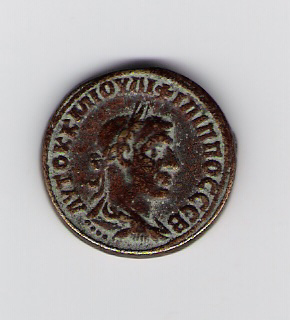
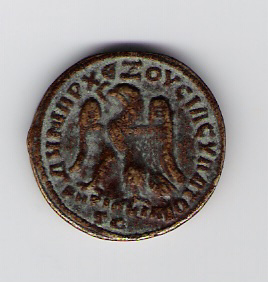
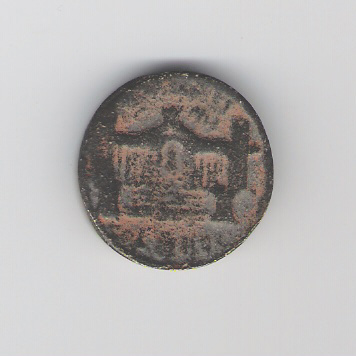
Coin 3: Roman Provincial bronze from the city of Antioch (now in Turkish Syria), Emperor Phillip I (244-249 AD), catalogued (Sear Greek Imperial #3958) at £35.
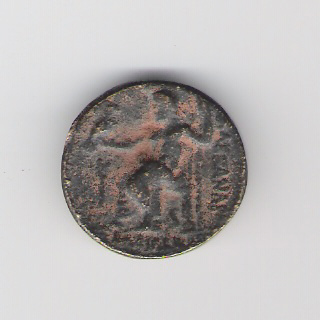
Coin 4: Tetradrachm of the city of Aradus (an island off the Lebanese coast), year 136 (=123 BC). Catalogued (Sear Greek #5991/2) £100-£120. It's supposed to be silver.
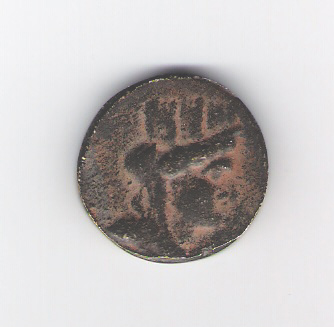
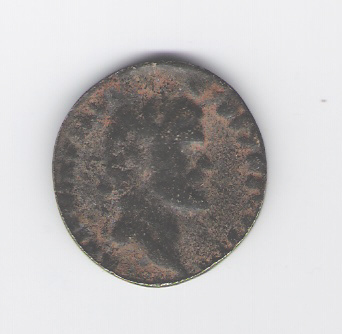
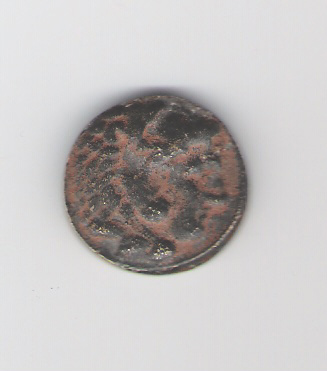
Coin 5: Roman Provincial. Can't say too much more; the legends are too worn and blurry for me to ID the emperor (it's bearded, so it's a later emperor, 100-250 AD). City name appears to be Alexandria, though there were several cities by that name.
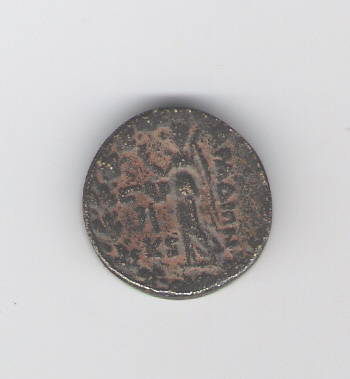
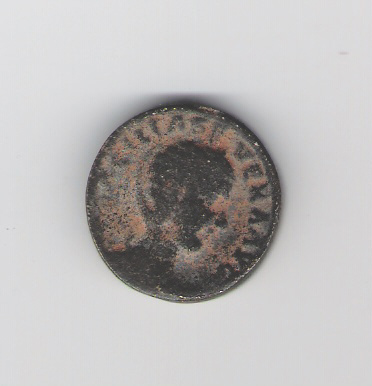
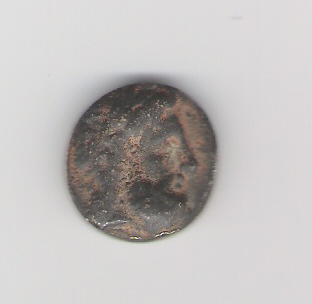
Coin 6: Roman Provincial bronze, apparently of the colony of Heliopolis (better known as Ba'albeck, Lebanon), Empress Otacilia Severa (244-249 AD), wife of the guy on coin #3. Not in Sear.
Coin 7: Looks like a classic Alexander the Great tetradrachm, circa 300 BC Sear#6713 to 6726, except that's clearly not silver. I paid AU$400 for a silver one here in Australia.
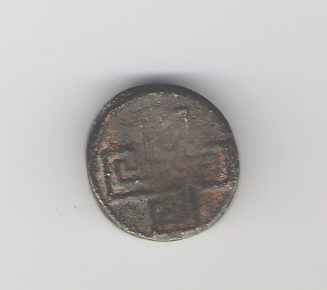
Coin 8: looks like a "swastika-labyrinth"-type stater of Knossos, Crete, similar to Sear #3216 (circa 300 BC) but with portrait of Zeus. It's supposed to be silver, too.
Such a mixture of coins from all sorts of origins and such a broad timescale is not normal for a single source, especially for Greek bronze coins; for example, coins from Crete would rarely leave the island.
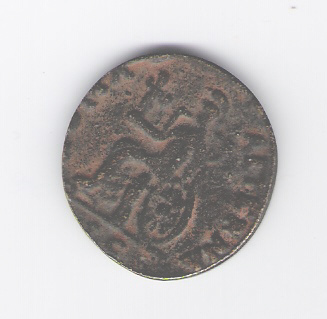
Coins 4, 7 and 8 are highly unlikely to be authentic; the metal is just wrong. Speaking of colour, they all seem to have the same reddish tinge. That, and the coarse grainy appearance all the coins have, would make me very suspicious. Pitting can be caused by peculiar burial conditions, but most often it's because they're cast copies.
Conclusion: it's most likely these are all cast copies. Sorry.
This is the Law of Antiquities Lebanon has today. It does not allow the illicit export or import of antiquities, nor does it permit illegal excavations. Though it is perfectly adequate on paper and could, in fact, put a halt to clandestine digs and the illicit traffic of looted Archaeological materials, the law has not been adequately implemented, especially in recent years.
If any of your coins are genuine, they may well have come from a illegal excavation and would not likely have been readily available to a casual visitor. Most of the finds from illegal digs are smuggled straight out of the country in exchange for hard cash.
Strangely enough, it's usually perfectly legal in these same countries to make (and sell for sale to tourists) copies of ancient coins. It's the sad tale of many a tourist, to bring home their coins they bought overseas, only to be told when they get back home that their "ancient coins" are modern copies. Sadly, such an experience puts many budding collectors right off the hobby entirely.
And so we come to the coins themselves. This is what they purport to be:
Coin 3: Roman Provincial bronze from the city of Antioch (now in Turkish Syria), Emperor Phillip I (244-249 AD), catalogued (Sear Greek Imperial #3958) at £35.
Coin 4: Tetradrachm of the city of Aradus (an island off the Lebanese coast), year 136 (=123 BC). Catalogued (Sear Greek #5991/2) £100-£120. It's supposed to be silver.
Coin 5: Roman Provincial. Can't say too much more; the legends are too worn and blurry for me to ID the emperor (it's bearded, so it's a later emperor, 100-250 AD). City name appears to be Alexandria, though there were several cities by that name.
Coin 6: Roman Provincial bronze, apparently of the colony of Heliopolis (better known as Ba'albeck, Lebanon), Empress Otacilia Severa (244-249 AD), wife of the guy on coin #3. Not in Sear.
Coin 7: Looks like a classic Alexander the Great tetradrachm, circa 300 BC Sear#6713 to 6726, except that's clearly not silver. I paid AU$400 for a silver one here in Australia.
Coin 8: looks like a "swastika-labyrinth"-type stater of Knossos, Crete, similar to Sear #3216 (circa 300 BC) but with portrait of Zeus. It's supposed to be silver, too.
Such a mixture of coins from all sorts of origins and such a broad timescale is not normal for a single source, especially for Greek bronze coins; for example, coins from Crete would rarely leave the island.
Coins 4, 7 and 8 are highly unlikely to be authentic; the metal is just wrong. Speaking of colour, they all seem to have the same reddish tinge. That, and the coarse grainy appearance all the coins have, would make me very suspicious. Pitting can be caused by peculiar burial conditions, but most often it's because they're cast copies.
Conclusion: it's most likely these are all cast copies. Sorry.
Don't say "infinitely" when you mean "very"; otherwise, you'll have no word left when you want to talk about something really infinite. - C. S. Lewis


