| Author |
 Replies: 154 / Views: 24,697 Replies: 154 / Views: 24,697 |
|
|
|
Pillar of the Community
  United States
8062 Posts |
The reign of Poland's next sovereign was the beginning of the end of the Polish-Lithuanian Commonwealth as a sovereign state. In a close vote, Friedrich August, Elector of Saxony, was elected king following the death of Jan Sobieski in 1696. From a numismatic viewpoint, the first coins issued for Poland were minted in 1698 in Leipzig with the traditional title: Augustus II, King of Poland and Grand Duke of Lithuania (REX POL M D L). The next issues, in 1702 use the title King of Poland, Grand Duke of Lithuania and Elector of Saxony (REX POL M D LIT & ELECT SAX). Coins issued for Lithuania are rare, having only been minted in 1706 and 1707 (only the 1706 6 groschen shows up at auction). Coins of Saxony from his reign are usually cross-referenced in the Polish catalogs since he jointly held the crowns of both (so, feel free to post Saxony coins of Friedrich Augustus!) His reign would see the occupation of Poland by Sweden in the disastrous Great Northern War, leading to his being deposed in 1706. As Sweden's fortunes turned for the worse in favor of Russia, he was returned to the throne in 1709 in an election engineered by the Russian crown. Here is a 1702 szostak/6 groschen, Leipzig mint, Kop. 2011. 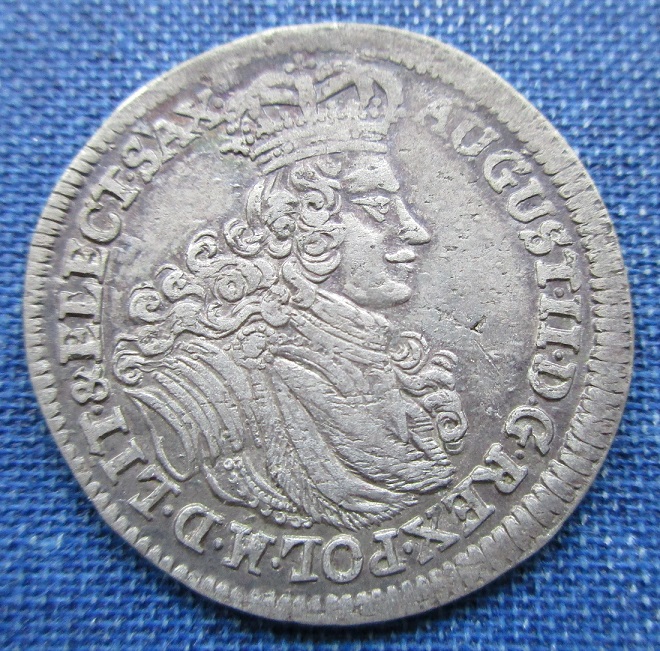 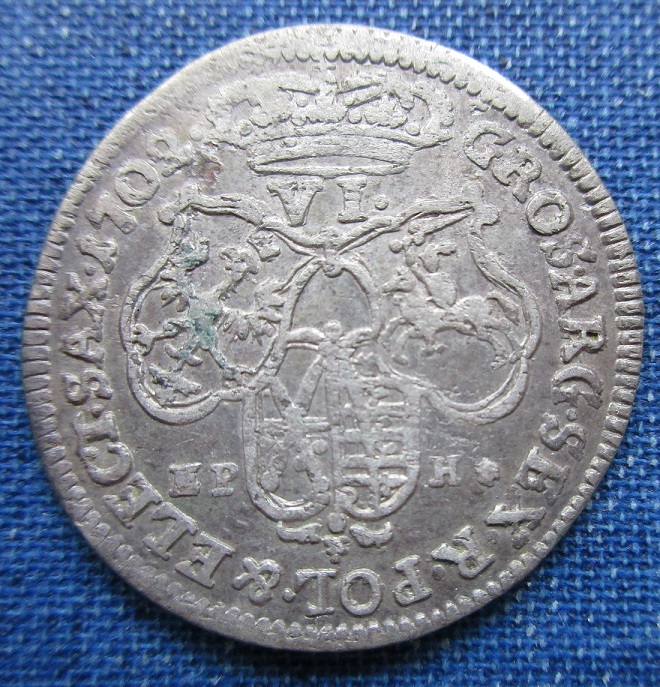 Edited by tdziemia
12/10/2018 6:06 pm
|
|
Pillar of the Community
 United States
5029 Posts |
Some great coins! And tdziemia thanks for the continued history lessons. Very fascinating!  |
|
Moderator
United States
34564 Posts |
I only have a handful of Polish coins from the 18th Century. Here is a 1/2 Grosza minted in Krakow and dated 1768 AD. 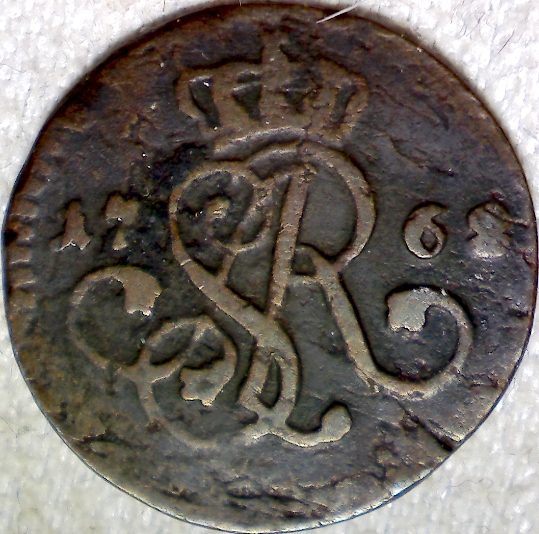 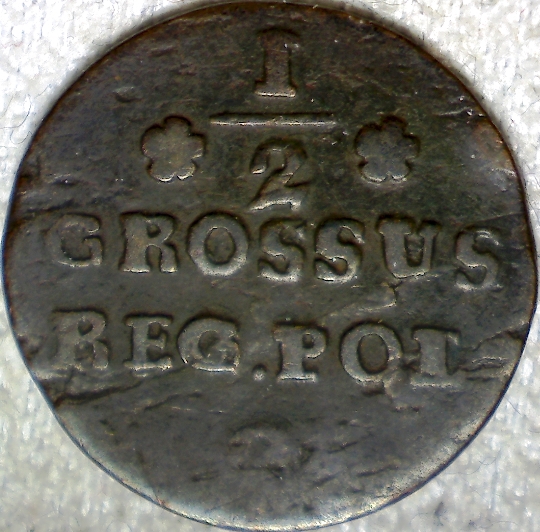 "If you climb a good tree, you get a push."
-----Ghanaian proverb
"The danger we all now face is distinguishing between what is authentic and what is performed."
-----King Adz
|
|
Pillar of the Community
United States
8062 Posts |
I think that after the glut of 17th c. silver, the higher denominations are a bit scarcer in the first half of the 18th c.
Gumowski makes some comments on "sporadic" minting of coins for Poland under Augustus II.
Gallienus posted a couple of 18th c. thalers upthread. I have just a single coin of Augustus III (which I have dragged my feet photographing because this ruler is so unpleasant looking), and none from Stanislaw August, though I think his coinage is plentiful.
So, feel free to post some more!
|
|
Moderator
United States
34564 Posts |
"If you climb a good tree, you get a push."
-----Ghanaian proverb
"The danger we all now face is distinguishing between what is authentic and what is performed."
-----King Adz
|
|
Bedrock of the Community
United States
37206 Posts |
|
|
Pillar of the Community
United States
906 Posts |
I realize that I am a week late to the party here, but the OP mentioned Silesia, and I did not see that introduced in the thread. 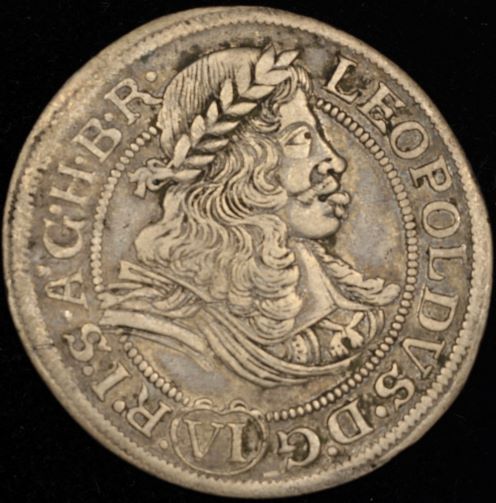 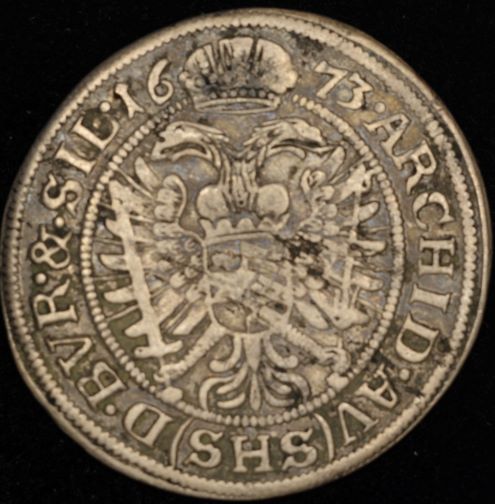 |
|
Pillar of the Community
United States
8062 Posts |
Nice coin! Indeed, I donk't think we've had a Silesia coin since the other thread, around 1500. On that thread we covered some of the back-and-forth of Silesia between Poland and Bohemia in the 13th and 14th centuries. By the end of the 14th century, most parts of Silesia were vassals of the Bohemian crown, though some parts were ruled by dukes who were members of the Polish royal family until well into the 1500s. Truly confusing  . |
|
Pillar of the Community
United States
906 Posts |
Here is a Augustus III who is also apparently known as Friederick Augustus II. 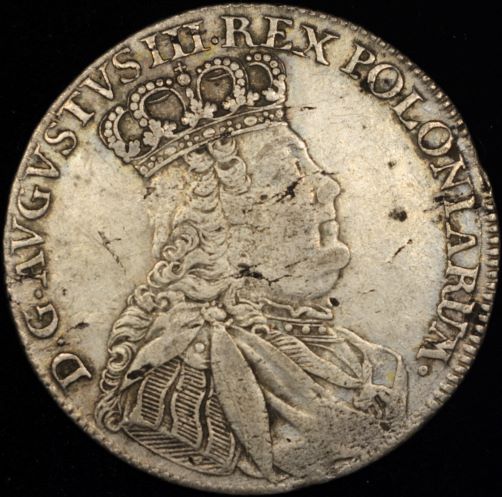 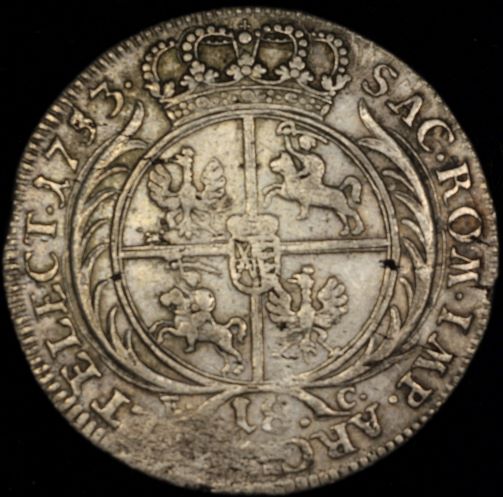 I have a 1768 Saxony Elector Thaler with Frid August, but I believe this is a different person. |
|
Pillar of the Community
United States
8062 Posts |
Nice 1/4 thaler coin (also called an ort)! Yes, the naming is confusing. Friedrich Augustus I, elector of Saxony, was also King Augustus II of Poland on-and-off between 1697 and 1733 (Poland had a previous Augustus I'm mid-1500s). His son, pictured on your coin is Friedrich Augustus II, Elector of Saxony and Augustus III of Poland 1734-1763. His son was Friedrich Augustus III, elector of Saxony 1763-1806, then King Friedrich Augustus I of Saxony 1806-1827. I have a slightly later 1/4 thaler. 1756 EC (Leipzig mint), large bust, Kop. 2115 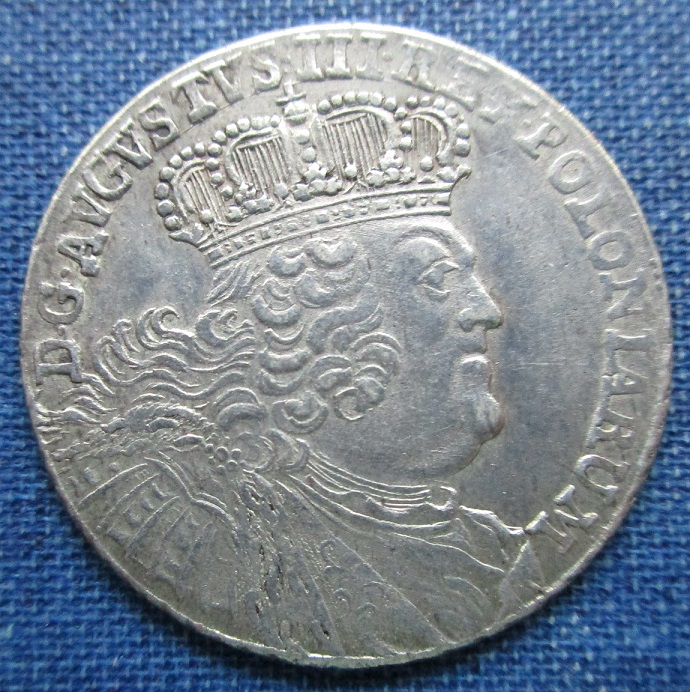 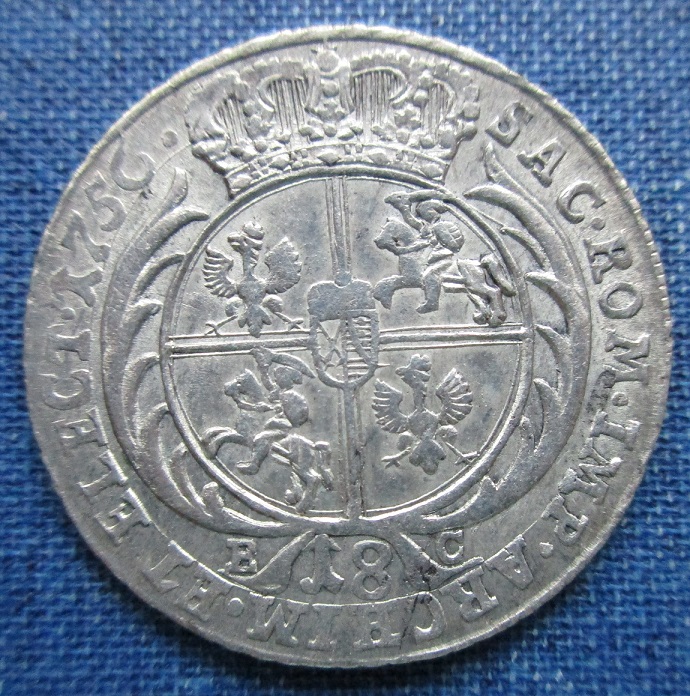 Edited by tdziemia
12/15/2018 3:53 pm
|
|
Pillar of the Community
United States
8062 Posts |
A bit more on Poland's confusing 18th century history ... We've seen some coins of the two Saxon kings, Augustus II, and his son Augustus III. But their reigns were far from smooth and continuous. In the first years of the 18th century, Augustus II, allied with Russia and Denmark, lost a series of battles to Sweden's Charles XII, resulting eventually in Augustus' abdication in favor of Stanislaw I Leszczynski, the chosen of Charles of Sweden. The tide soon turned AGAINST the Swedes, though, who were evicted by the Russians in 1709, with the restoration of Augustus II. On Augustus's death in 1733, the Polish parliament elected Stanislaw to the throne again, triggering the War of the Polish Succession among the various nations who had an interest in the Polish crown (France, Hapsburg Austria, Prussia, Russia). According to the terms of the Peace of Vienna (1738), Stanislaw left Poland and was given the Duchy of Lorraine (which had just been conquered by France); the House of Lorraine in turn was given rule over Tuscany ...  All as a prelude to the carving up of Poland a generation later. Stanislaw issued no coins in either Poland or Lorraine. But one of my few pieces of exonumia is this large bronze medal from 1755 designed by Saint-Urbain with Stanislaw's image obverse: 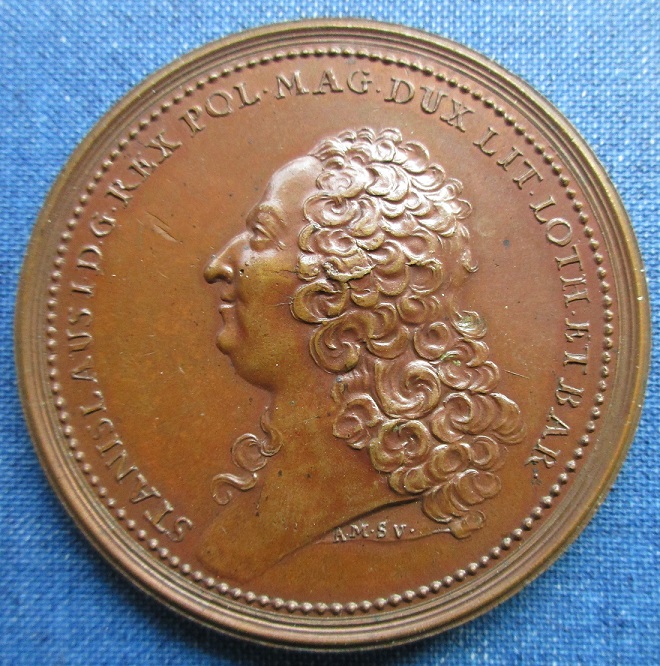 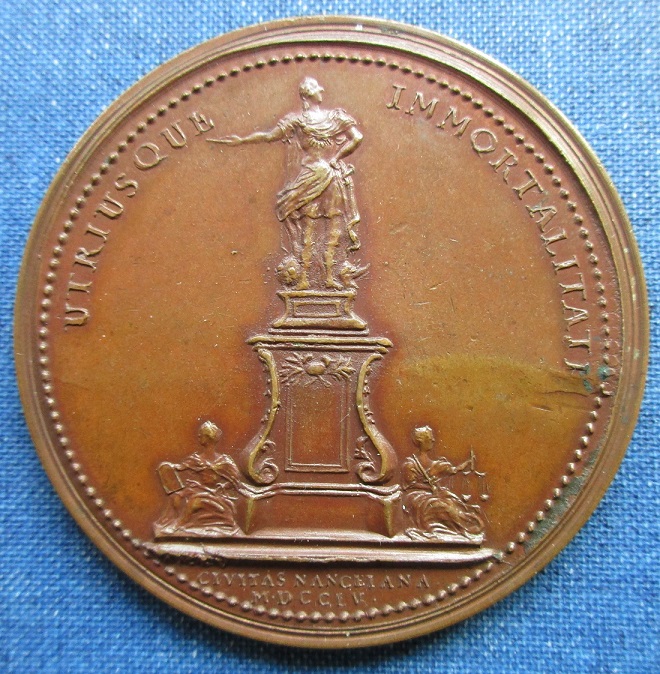 Edited by tdziemia
12/23/2018 10:36 pm
|
|
Valued Member
United States
167 Posts |
Quote:
Stanislaw I Leszczynski, bronze medal Very appropriate medallion of a Polish King who minted no coins. I guess he didn't care to be memorialized by the Poles and didn't care enough for the currency needs of the nation so as to even make small change? How did they get away with that I wonder. Things were certainly different from the proud times of John Sobiesky who issued those nice commemorative thalers two years after The Seige of Vienna. I think they were dated 1685. Karl S. wrote that these were a favorite of Henry Karolkiewicz. However since his sale I've not seen too many around. Also Stanislaw looks like one of the French King Louises Louis 14 or 15th? I'll post my Louis 14th, 1709-D ecu (NGC-64) for comparison. 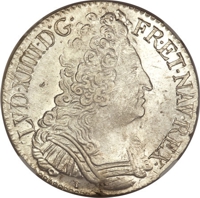 Edited by Gallienus
12/24/2018 4:44 pm
|
|
Pillar of the Community
United States
8062 Posts |
Quote:
Very appropriate medallion of a Polish King who minted no coins. I guess he didn't care to be memorialized by the Poles and didn't care enough for the currency needs of the nation so as to even make small change? How did they get away with that I wonder.
I think those were very turbulent times in Poland. Under the previous (Saxon) king, August II, most of the coins for Poland were minted in Leipzig and Dresden. The Krakow and Bromberg mints were not coining at all. There was only a trickle from the Vilnius and Danzig mints. Maybe Stanislaw's position was never stable enough to re-start the Polish mints? Quote:
Also Stanislaw looks like one of the French King Louises Louis 14 or 15th? One thing I like about late medieval and Renaissance coins is that we can follow the European fashions in armor, hair styles, etc. through those centuries. Yes, those long, flowing locks (as wigs) began showing up with Louis XIII of France in the mid 1600s, and continued through most of the 18th century. And funny that you show Louis XIV: his son (Louis XV) would marry Marie Leszczynska, the daughter of Stanislaw! |
|
Pillar of the Community
United States
8062 Posts |
I thought I would bump this thread since I just got my first coin from the reign of Stanislaw II Augustus, this 1766 copper trojak (3 groschen), Krakow mint. Upthread, @gallienus posted (page 5) a beautiful thaler of Stanislaw, and @spence posted several copper gros just a little earlier. The tally on coins we have seen on this thread (thanks to all the contributors!): - 50 coins of Sigismund III (1587-1632) - 1 coin of Wladyslaw IV (1632-48)(another great thaler from gallienus) - 5 coins of the 1630s Swedish occupation of Elbing, and one of the later occupation in 1650s - 30 coins of Jan Casimir (1648-68) - we were shut out on Michael Korybut (1669-1673) - 6 coins of Jan Sobieski (1674-1696) - 1 coin of Augustus II ((1697-1733) - 2 coins of Augustus III ((1734-1763) - 6 coins of Stanislaw II AUgust 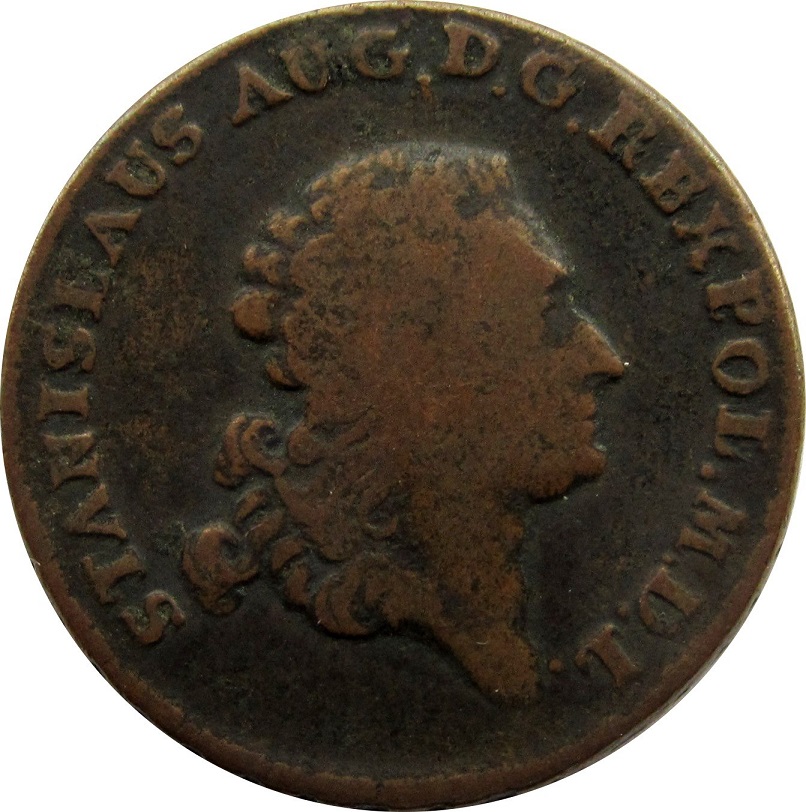 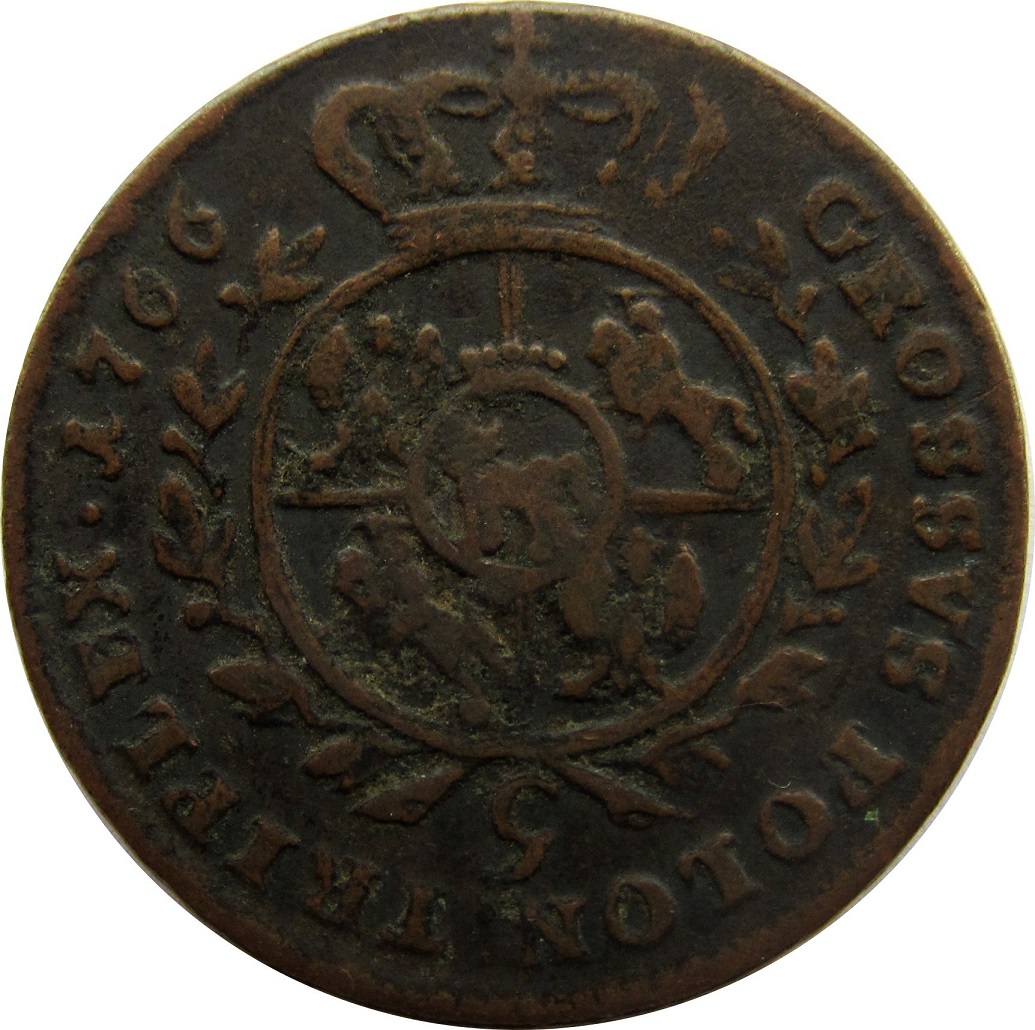 |
|
Pillar of the Community
United States
906 Posts |
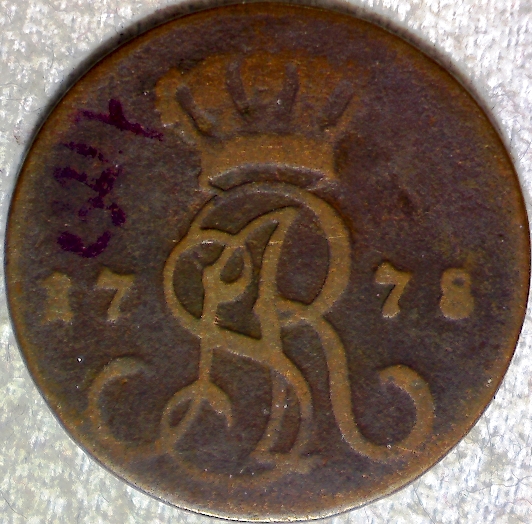
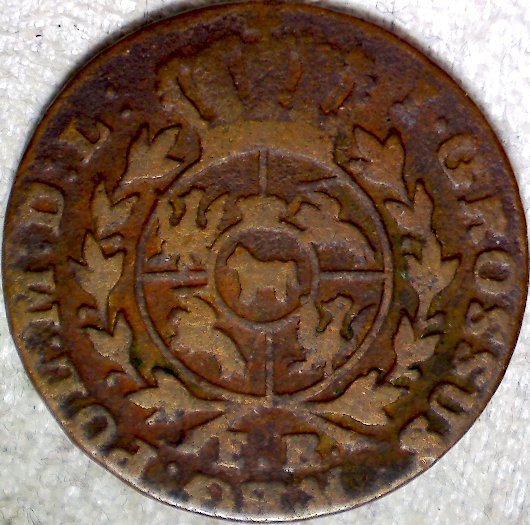
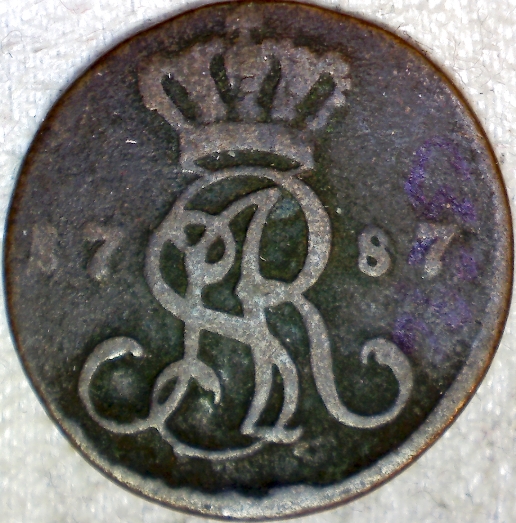
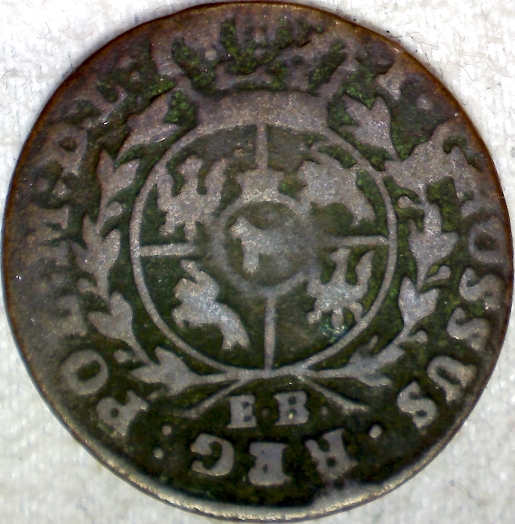
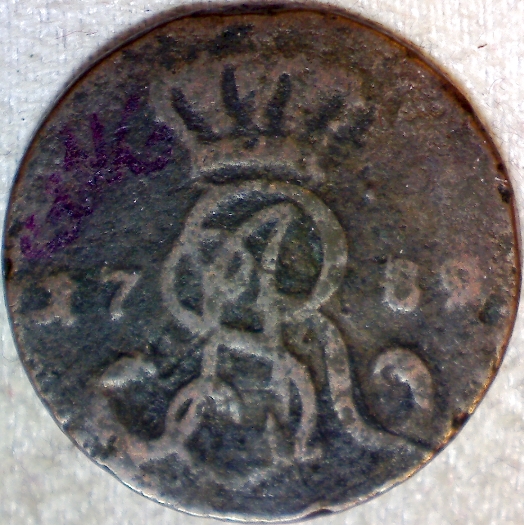
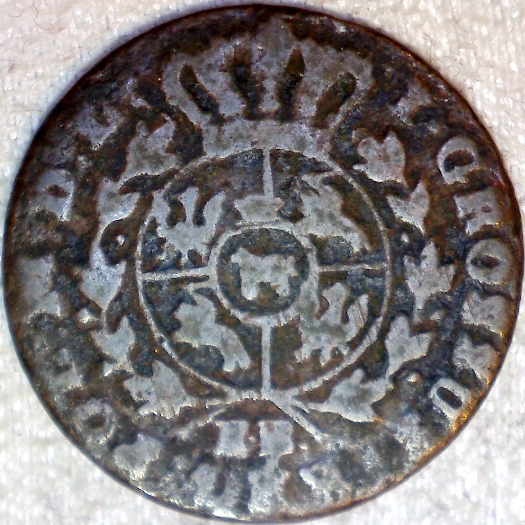
Since you bumped it, I just happened to get 3 very worn Polish/Lithuanian coins in an auction lot yesterday. I've done my best to attribute them, and I appreciate being corrected if I am wrong. 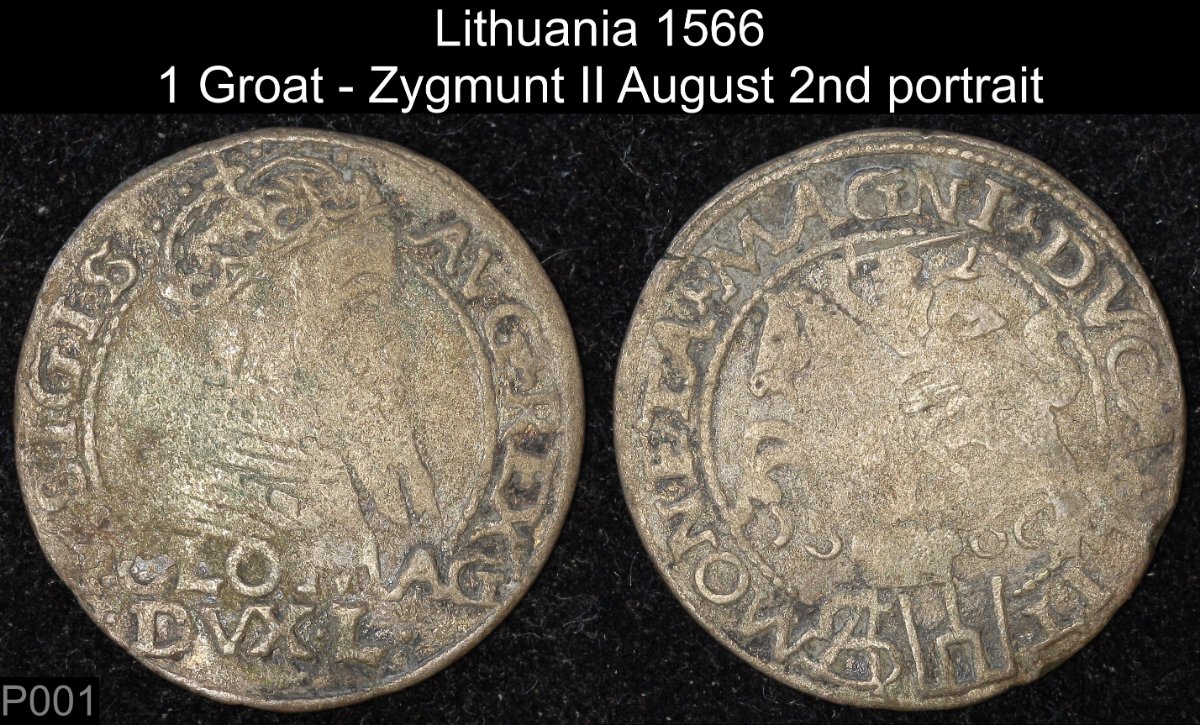 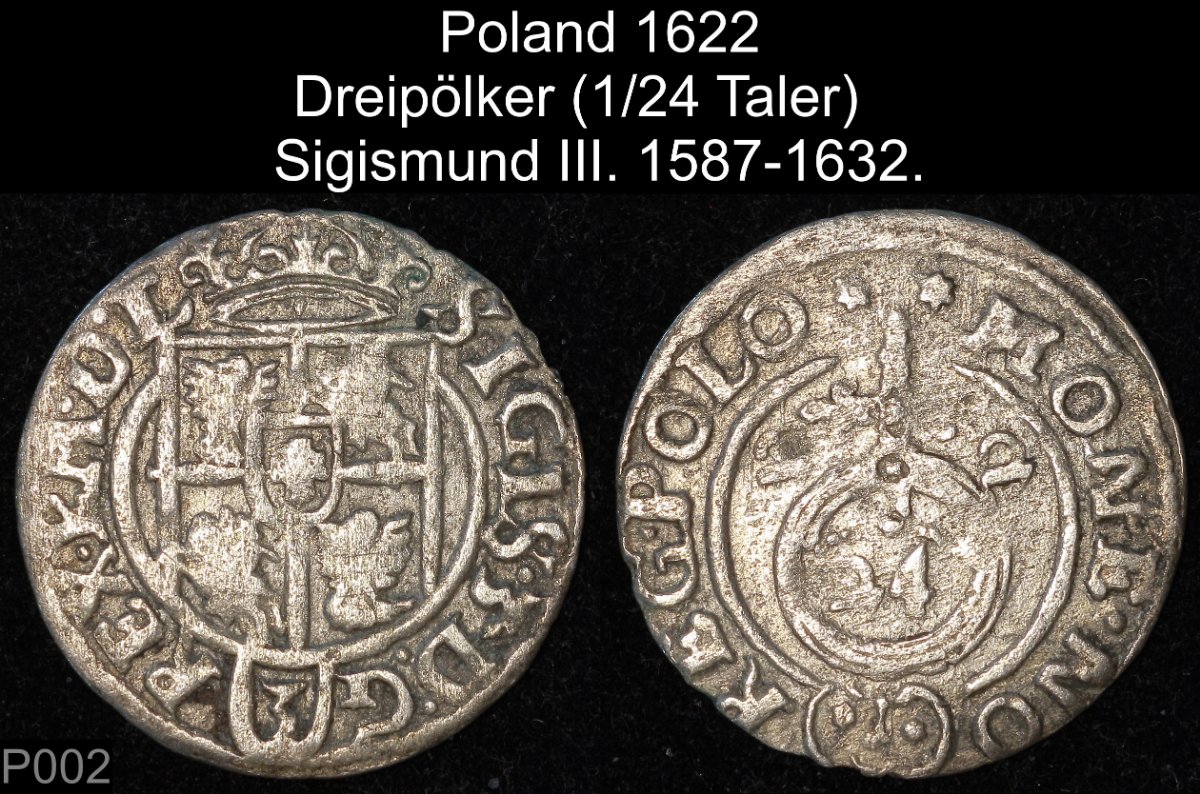 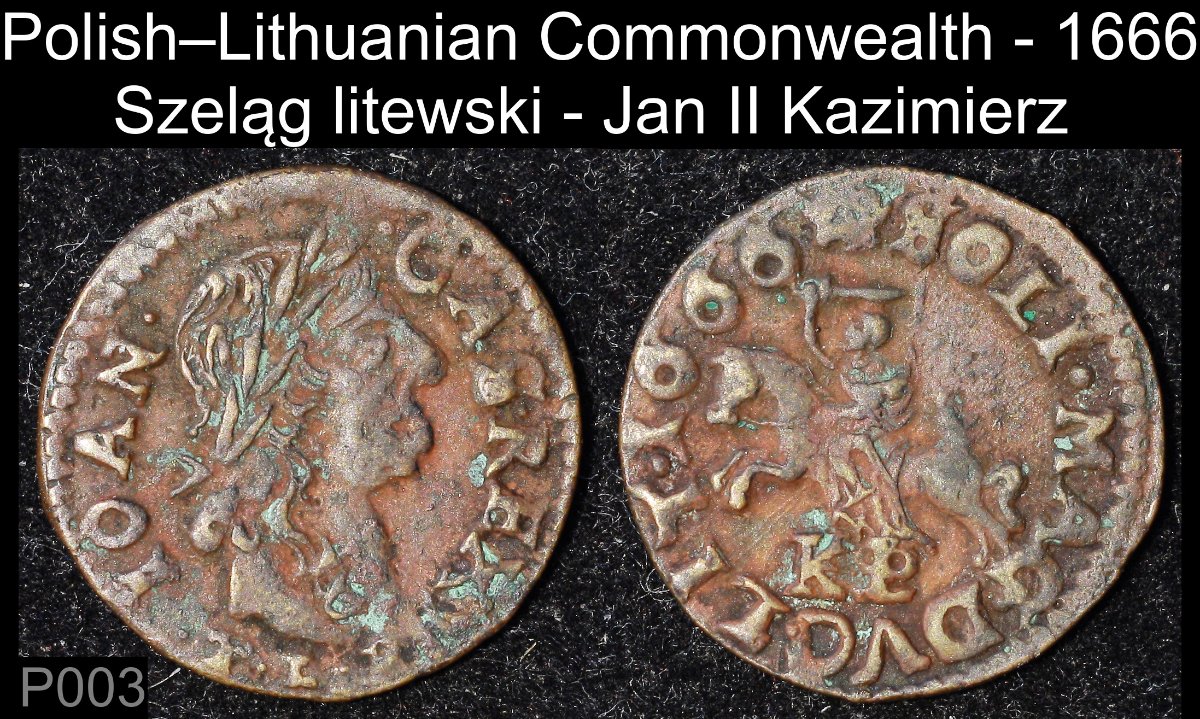 |
| |
Replies: 154 / Views: 24,697 |






 First Page
 Previous Page


 Posted 12/11/2018 08:05 am