Note: It's been over six months since my last post. The time away hasn't been due to a loss of interest in the commemorative series, but rather me having to deal with a number of health issues - some of which required a lengthy hospital stay. So, for this first return post, forgive me if it's relatively brief and isn't an in-depth discussion of an individual coin. I'm sure with a little bit of practice, my "fingers" will soon get back into the groove.If someone were to ask you which of the classic silver commemorative coins was the scarcest, what would you say?
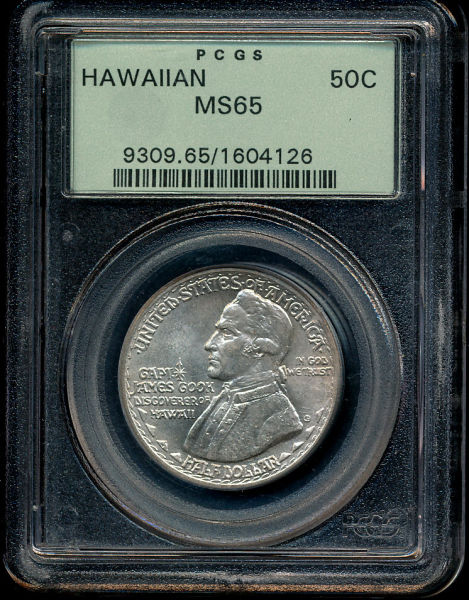
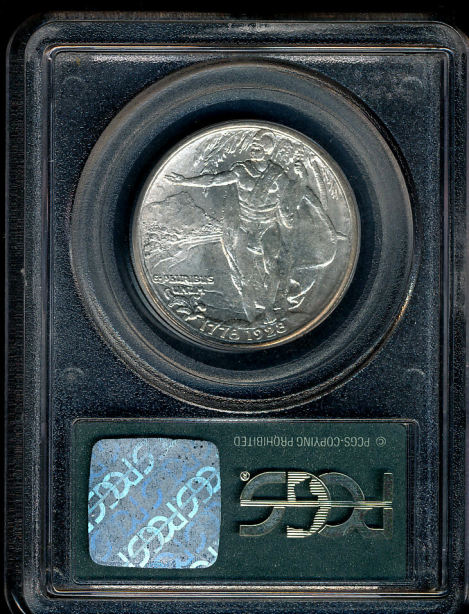
Read More: Commems CollectionIf you take the perspective of type coins, the 1928 Hawaiian, 1935 Hudson and 1935 Old Spanish Trail, as a group, would have to be your answer as each had a net mintage of just 10,000 - the lowest total for a design type. (If you want to eliminate proof / special presentation pieces from a coin's total, then the Hawaiian with 9,950 coins struck for general distribution would be the scarcest type; the issue had 50 sand-blasted proofs struck for VIP presentation.)
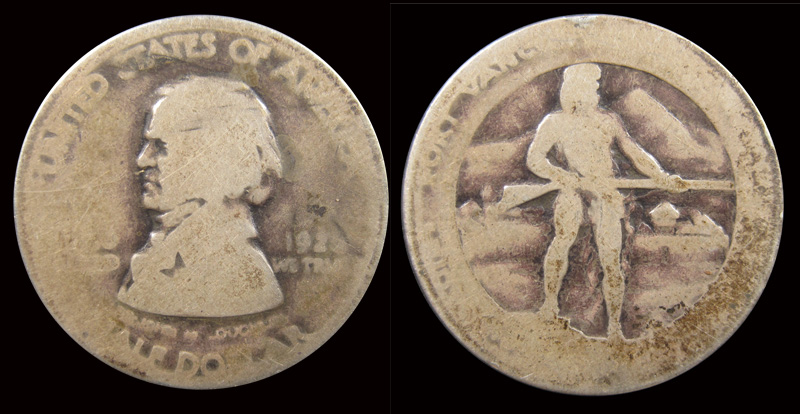
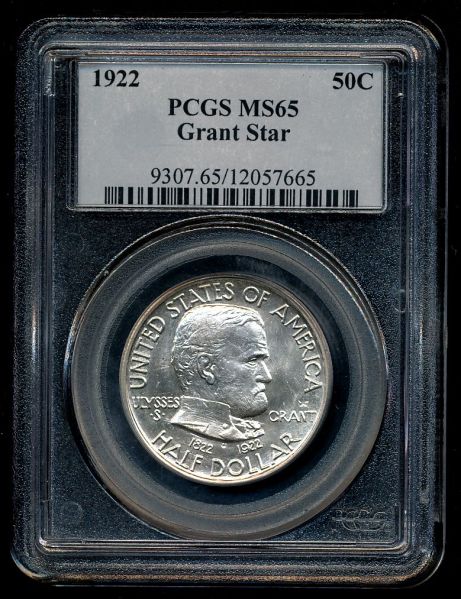
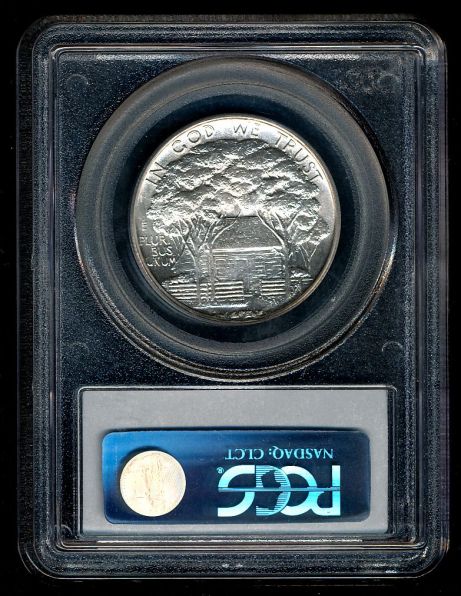
If you want to include the major varieties, your answer would have to change to the 1922 Grant with Star - it had a mintage of just 4,256. (The mintages for the Alabama 2x2 and Missouri 2*4 varieties are at least 5,000.)
Of course, if you wanted to consider all of the date and mint mark possibilities within the series, then the scarcest coins of the set shift to the 1939 Arkansas or 1938 Boone. Each of these "last year" releases from their multi-year programs had just 2,100 coins struck at Philadelphia, Denver and San Francisco (6,300 total) and individually would qualify as a lowest mintage coin.
But your answer would be very different if some of the bills for the coins we know and love were passed in their original form vs. being amended in committee. For example, at least seven other coin bills originally called for just 10,000 half dollars to be minted: the 1934 Maryland (final authorization: 25,000), the 1935 Connecticut (25,000) and five 1936-dated issues - the Albany (25,000), Bridgeport (25,000), Elgin (25,000), Lynchburg (20,000) and Columbia, SC (25,000) pieces. All would have sold out with a 10,000 coin limit considering they all sold at least 17,000 coins and all but the Albany and Elgin had a net mintage of its full authorization! They would have be
in demand then and now.
They all would have joined the Hawaiian, Hudson and Spanish Trail on the list of lowest mintage type coins in the series. I wonder what the market price differentials would be today if there were at least ten type coins in the series sharing the title of lowest mintage?
Ultimately, however, type coins with a mintage of 10,000 would not qualify as the lowest had the world of "What if?" played out. Two coins would have come in with even lower maximum authorized mintages. One was the Hudson half dollar - one of the real world lowest mintage types - whose initial bill asked for just 6,000 coins (vs. 10,000). The other was the 75th anniversary of the Battle of Antietam half dollar. Its original legislation requested only 5,000 coins before being amended to allow for up to 50,000 coins to be minted.
It would be interesting to see how the secondary market of today would treat these two coins if their low mintage figures had placed them at the top (bottom?) of the scarcity list within the classic commemorative silver series. The Hudson is already among the most expensive type coins; the Antietam falls into the
fairly common category and can be had for a reasonable price even in very high grade. But it's very likely that things would be very different today if the Hudson and Antietam sponsors got what they originally asked for and had issued the scarcest type coins of the US classic silver commemorative series!
Until next time...







 Posted 07/02/2019 1:49 pm





 - my nominee for the scarcest of the entire series.