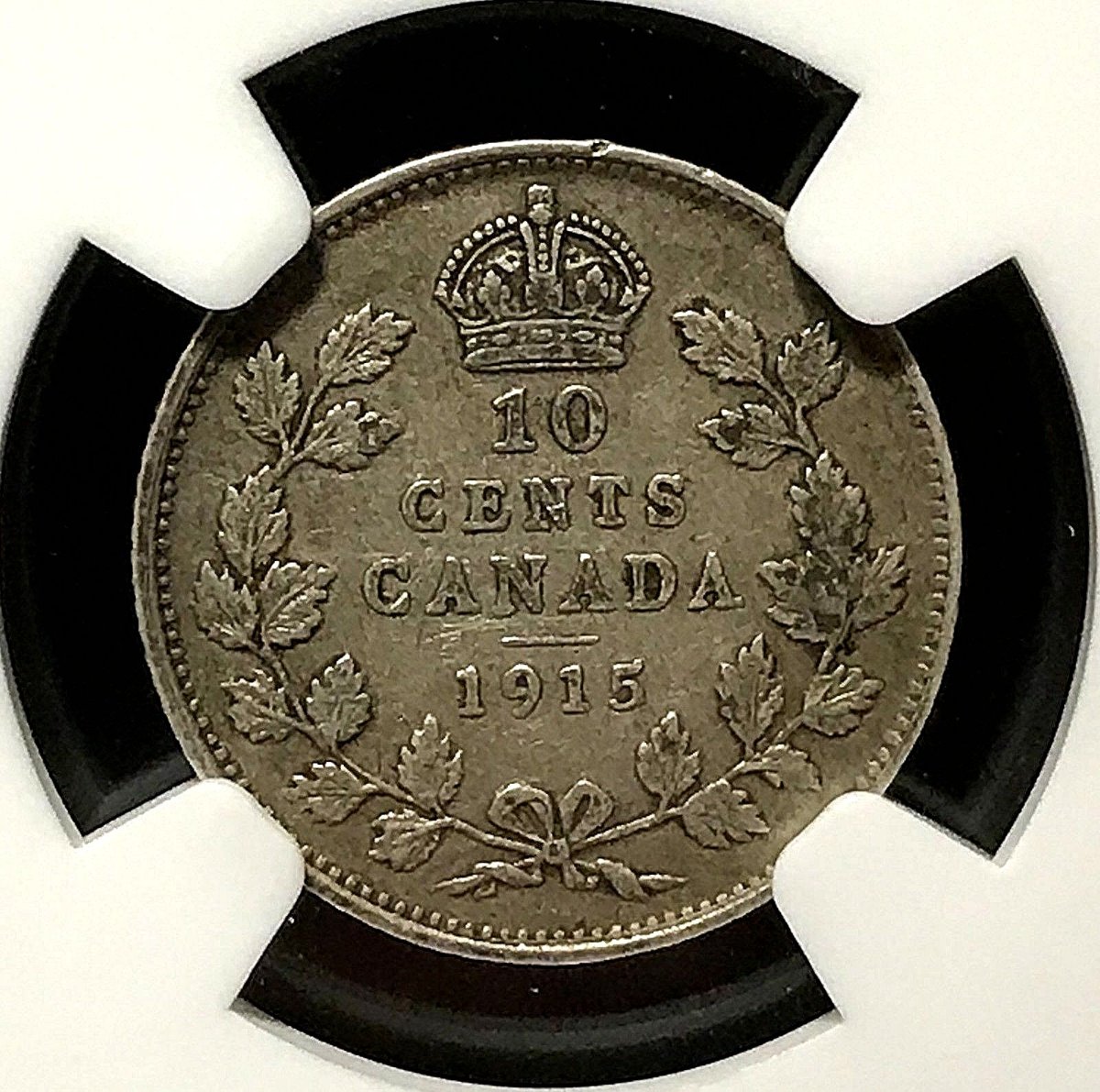
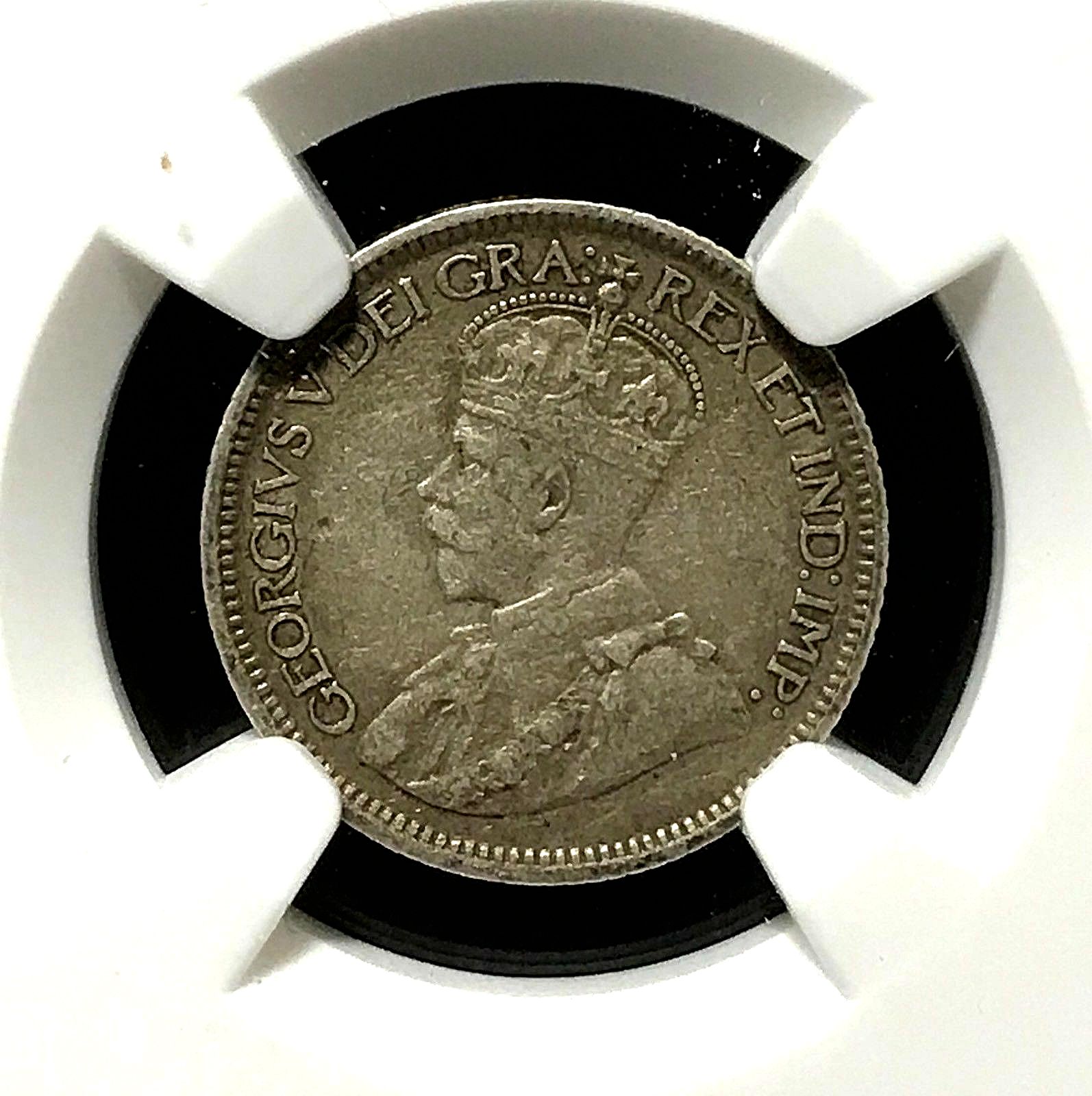
Another one that really disappoints me.
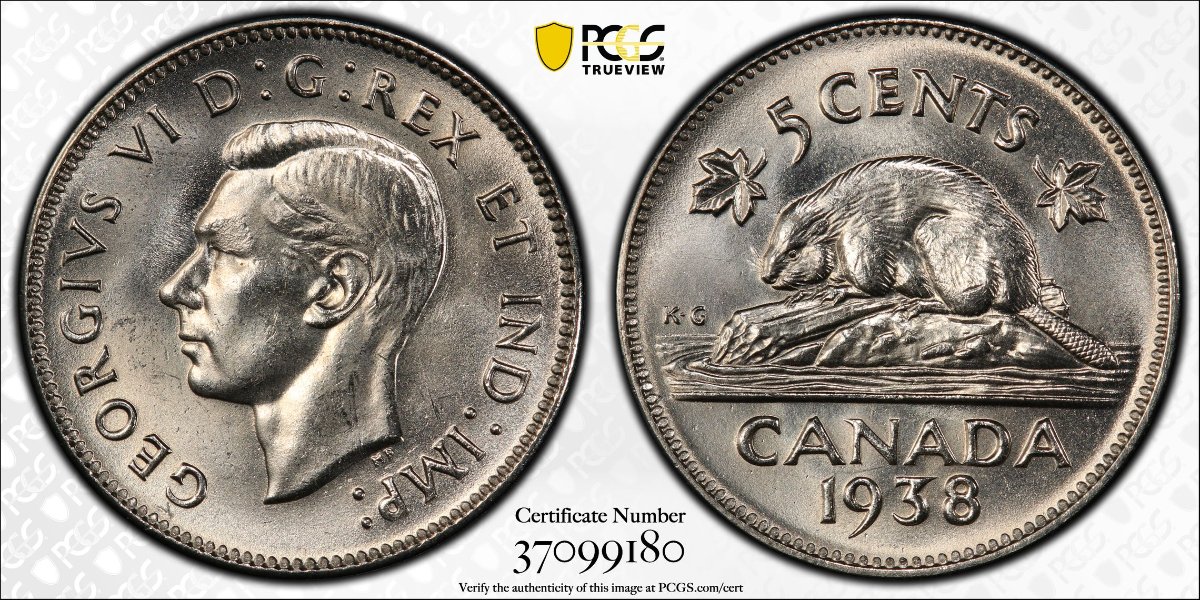
For those who collect KGVI nickels you know that a 1938 in MS-66 is a very rare meatball, now how a coin that should have only made MS-64 on the best of days, ended up in this MS-66 holder is a mystery to me.
And because I sense a disturbance in the force that is likely the war cry of a lot of damage control running this threads way, I feel it only proper to elaborate on why this one frustrates me so much.
1. The fact that this coin is such a grade rarity, and yet the grade is handed out so lightly here is genuinely concerning as more of these coins are being subject to gradeflation, yet again making truly nice, accurately graded pieces harder to find.
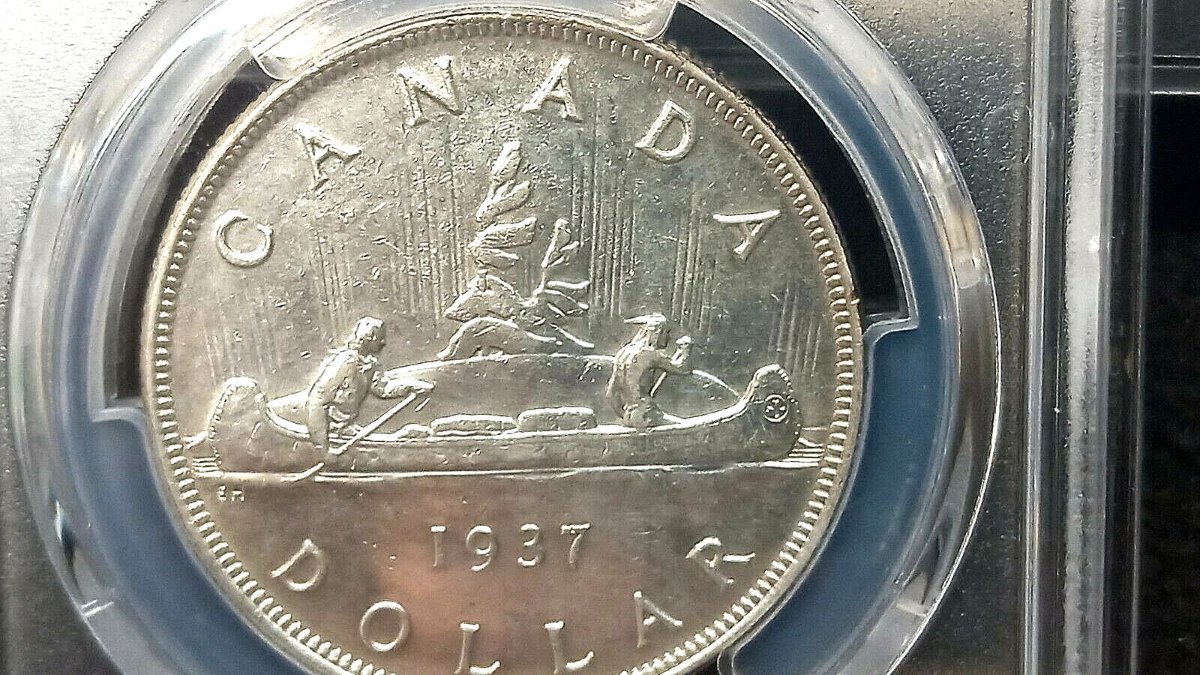
2. An argument I occasionally used is that "well Canadian grading standards are different from US grading standards." Which is 100% correct, however this argument falls flat when You notice that even by PCGS (in my opinion) overly lax grading standards it's overgraded. Lemme show you.
For those not in the know, Canada grading standards is more tough on Nicks and distractions in the field areas, where as US grading takes more notice of distractions on the devices. Whether or not you feel one is better than the other isn't the point here, the point is that we know which ones which graders hold more weight on.
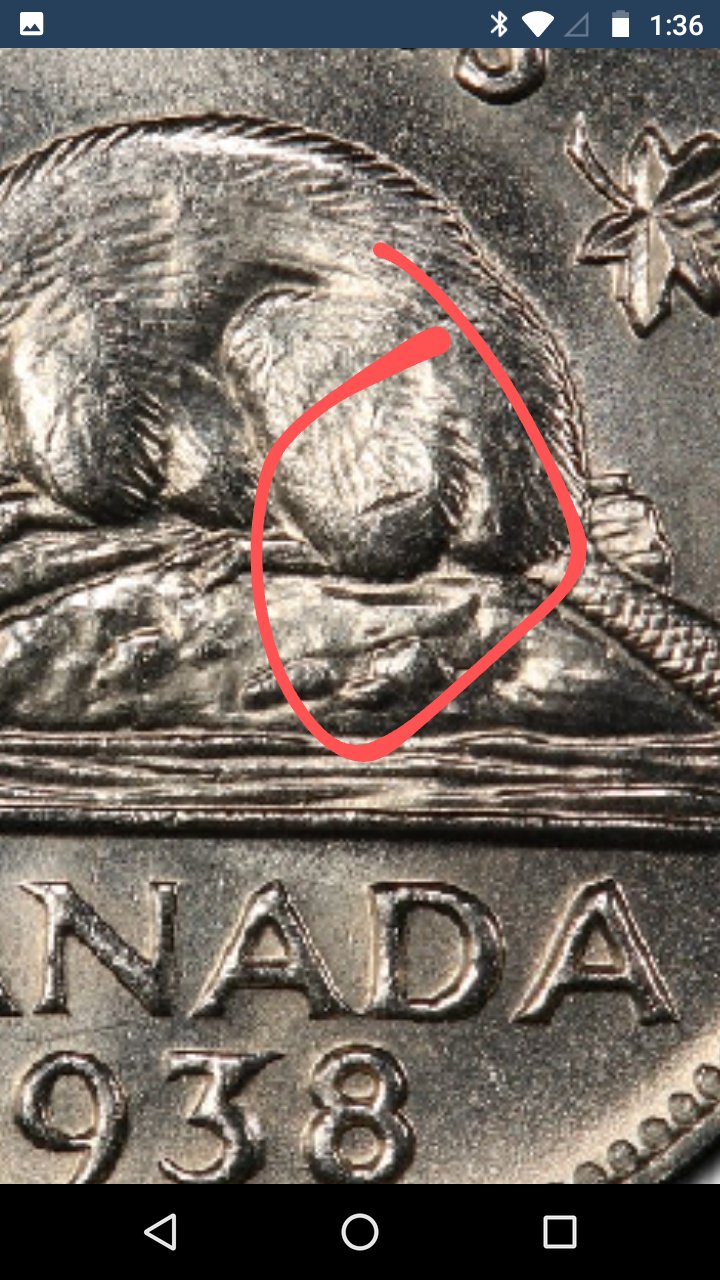
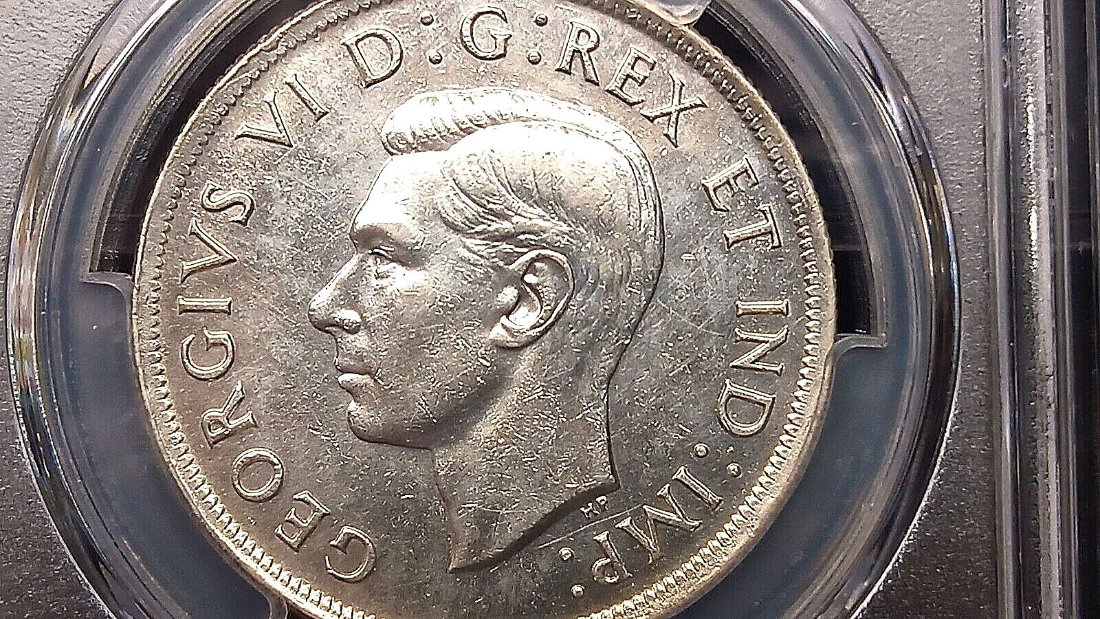
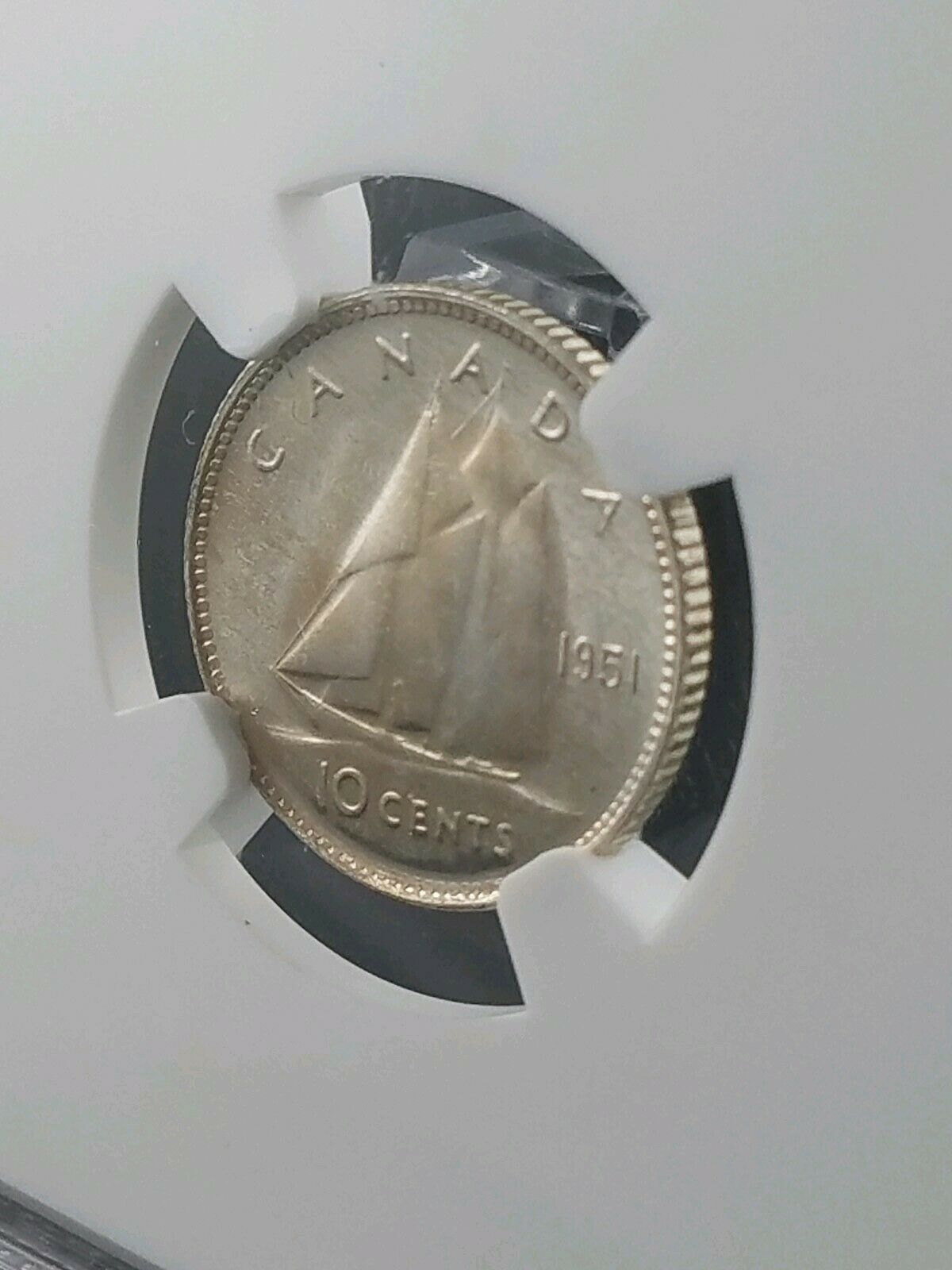
So I guess Mr. Beavers potentially fatal (don't know the locations of the Beavers major arteries) injury was ignored that day, but the obverse is much much more telling IMO.
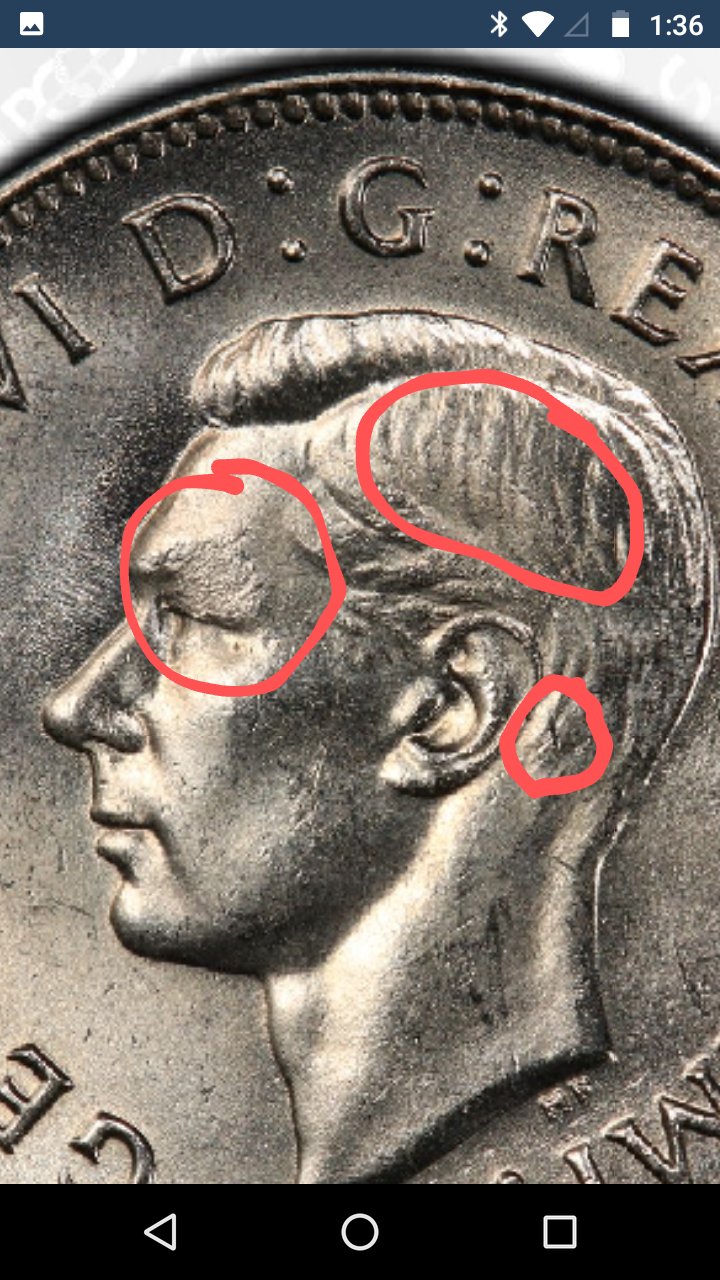
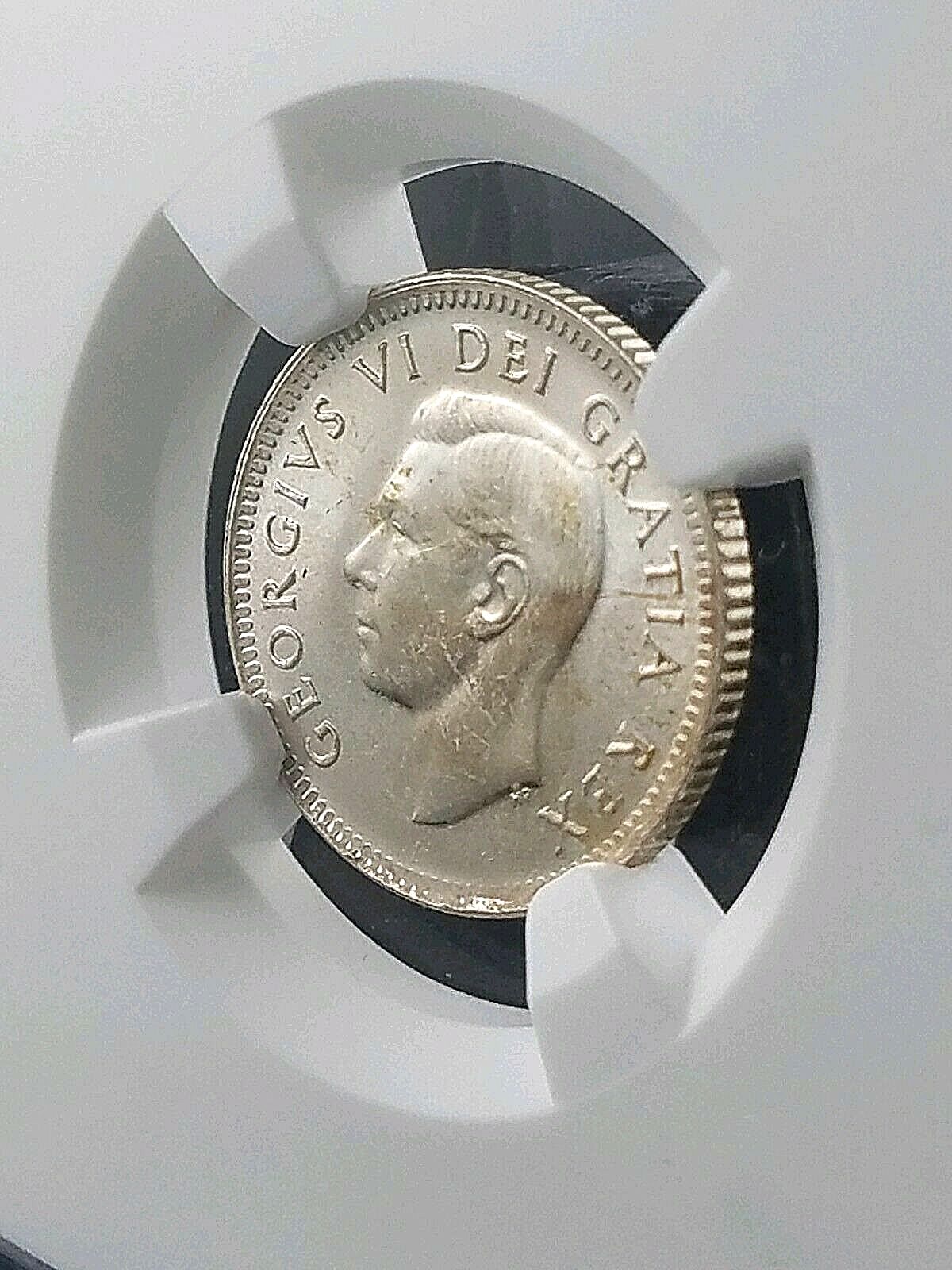
Now again, ignoring the long scratch across George's head and the Nicks all up the back of his neck one thing really stands out to me. As alot of us know, PCGS focuses more on market grading than technical grading, taking things like toning, strike quality and just general eye appeal into consideration when grading a coin, among other things. Yes I know, purely technical grading has been gone for a long time, not the point I am trying to make, but just for a second let's look at the coin from a purely technical standpoint. From that view the coin is in no way a MS-66 (technical grading standpoint), so it must meet some form of market grading standard to have gotten such a grade, right? Well let's look.
The first thing I noticed is that the strike, the strike is average at best for this series, and even that might be giving to much credit. The brow is completely flat, the hair detail is rather muted and some of the letters look mushy near the tips.
So then let's look for attractive colors... Whelp the only color I see besides the silvery white color is what could potentially be a pencil marking up the center profile of George's neck. And what looks like pitting in front of George's face that has taken in some dirt or some other dark substance. So I doubt attractive toning/patina had much to do with it.
So what about just general "eye appeal"? Well again the coin it's self is rather average in comparison to other 1938s, the luster is nice, but that pretty par for the course with these in this grade, it's covered in Nicks and scratches, it has an average strike and it's got some distracting discoloration.
So what is it that managed to get this coin to an MS-66 grade? Because even by PCGS standards this coin isn't an MS-66. Even by PCGSs' (again, in my opinion), lax grading standards this coin seems to fall short of the MS-65 grade, and would seem to fit more in an MS-64 holder.
Note: there is a little less than a 700% price jump from MS-64 to MS-65, and then an additional 50% jump from MS-65 to MS-66. Not that this should have an effect on grading, but it should be incentive for them to be more accurate with there grading.








 First Page
 Previous Page




 Posted 12/15/2019 06:53 am



 . Someone actually paid for that opinion.