| Author |
 Replies: 11 / Views: 1,564 Replies: 11 / Views: 1,564 |
|
|
Valued Member
United States
92 Posts |
|
|
|
|
Moderator
 United States
34563 Posts |
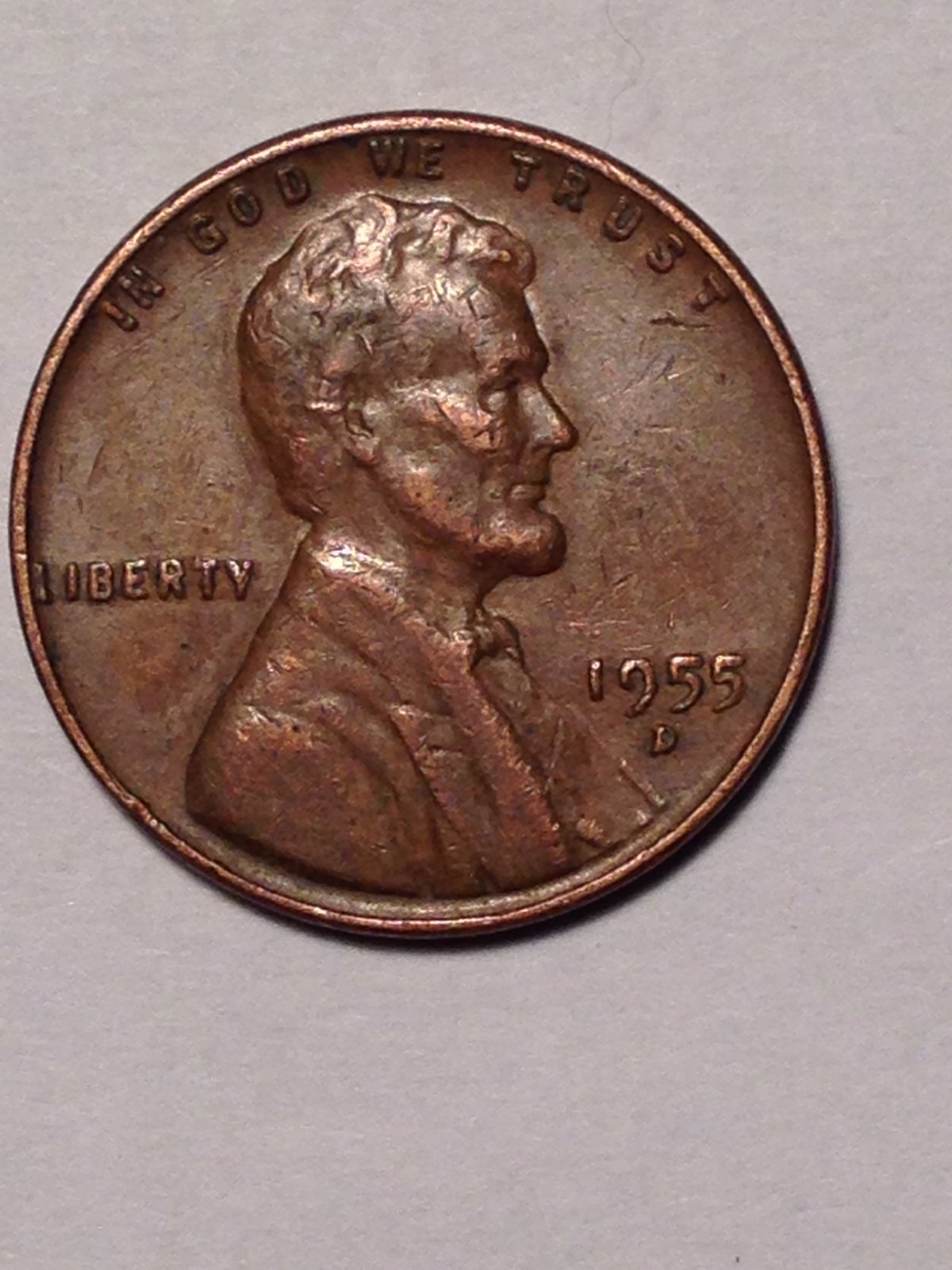
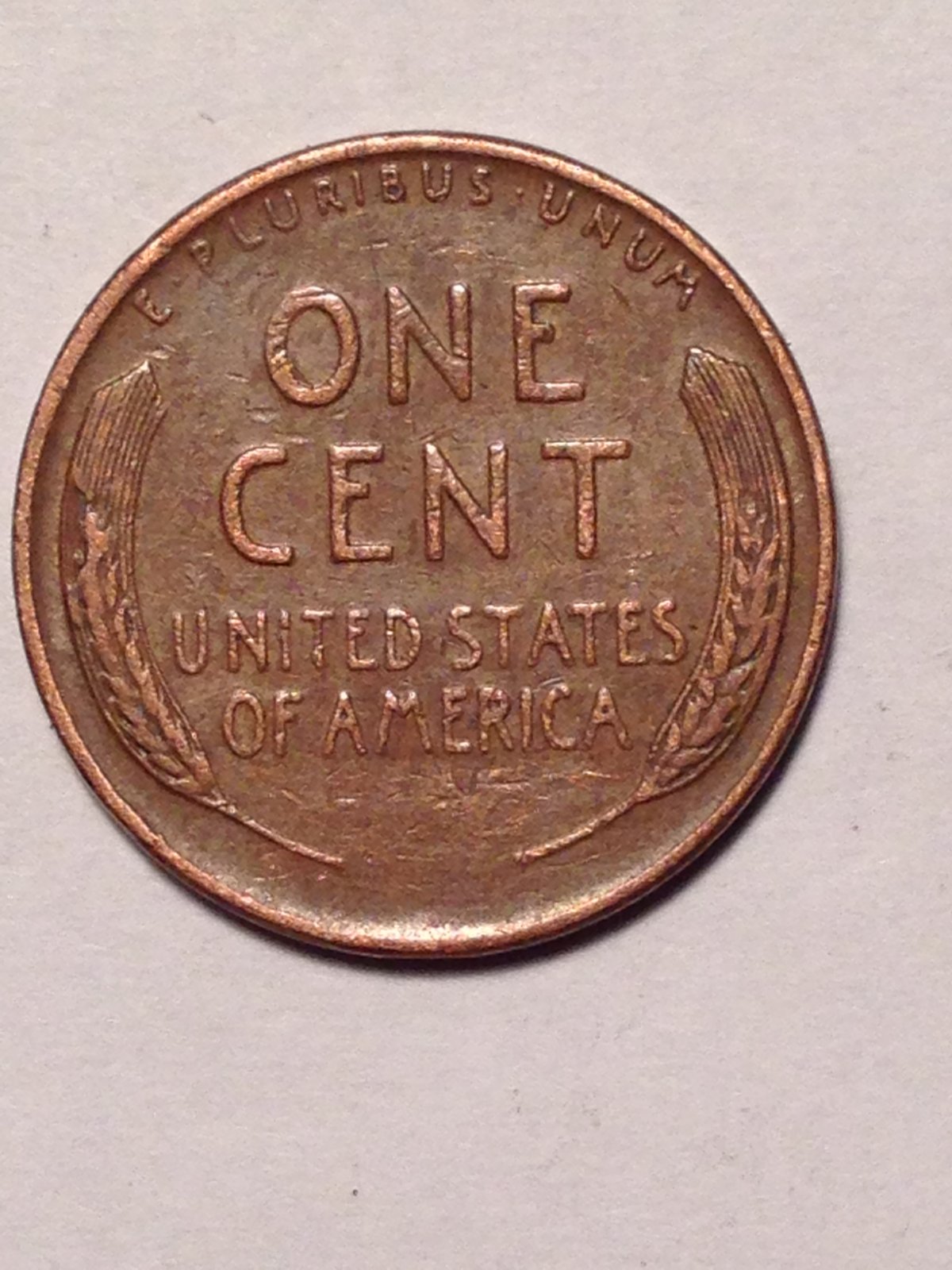
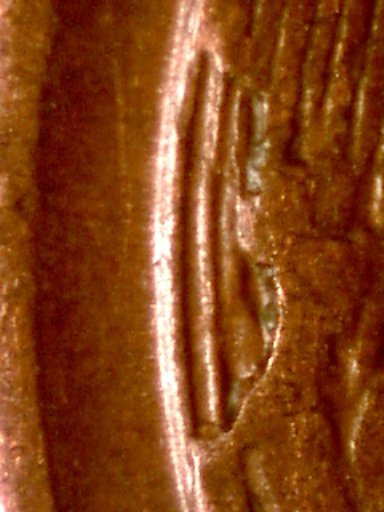
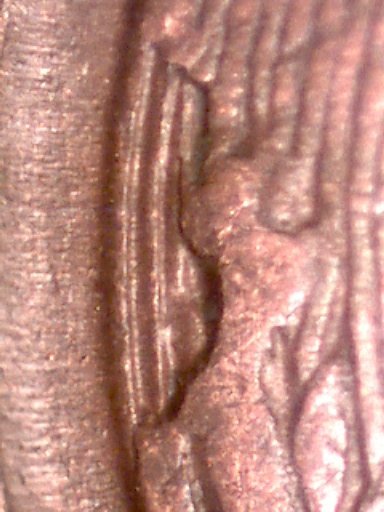
Leaning away from a lam, as it looks more like die chips. However, I can't tell if that one little section of the wheat ear is lower than the rest.
"If you climb a good tree, you get a push."
-----Ghanaian proverb
"The danger we all now face is distinguishing between what is authentic and what is performed."
-----King Adz
|
|
Bedrock of the Community
United States
62064 Posts |
These are at first die cracks. They develop into cracks and chips, and then into die breaks and into a retained Die Cud, and then into a full Cud. These can happen fast or very slowly. Depending on the die crack. 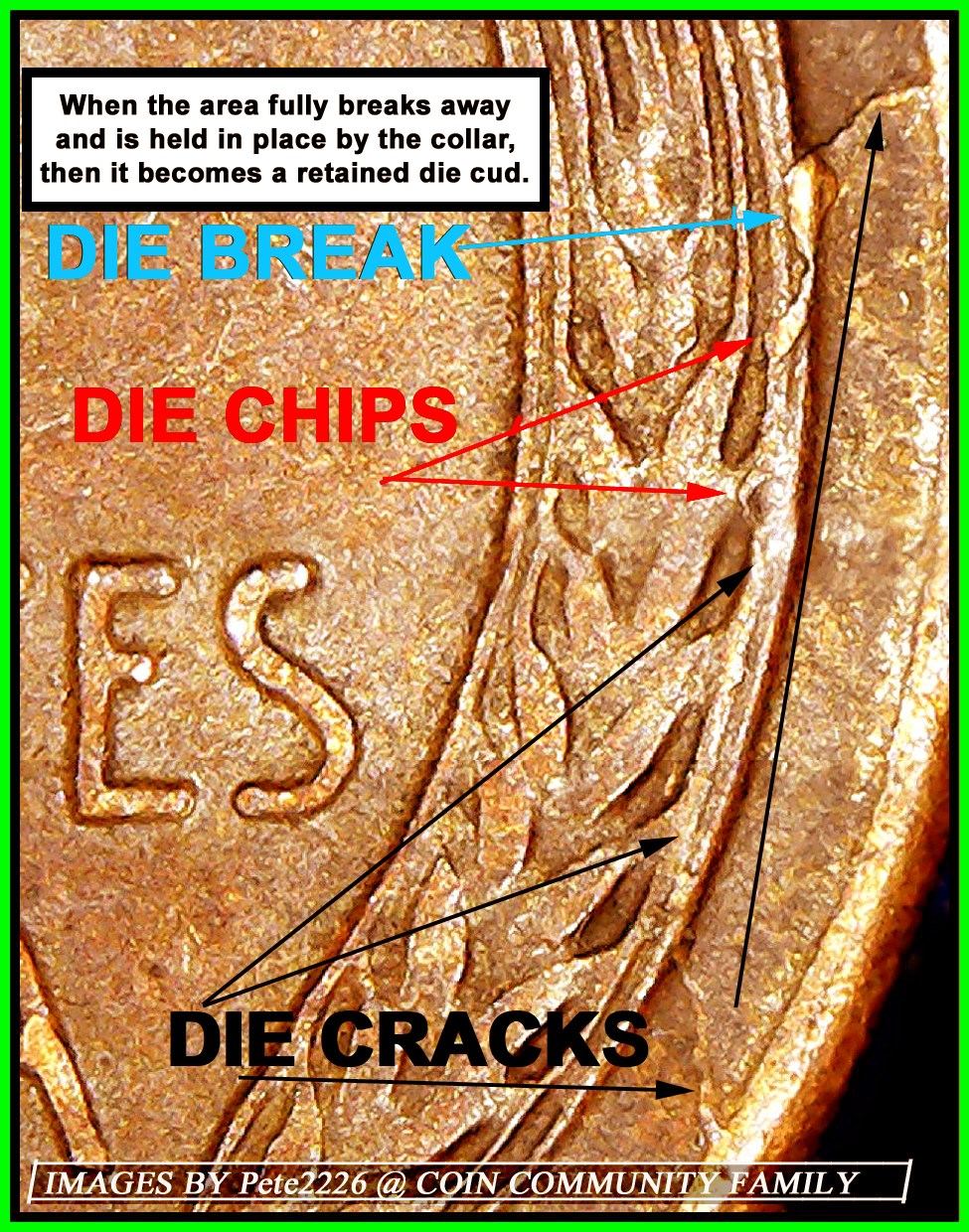 When the area fully breaks away and is held in place by the collar, then it becomes a retained Die Cud. 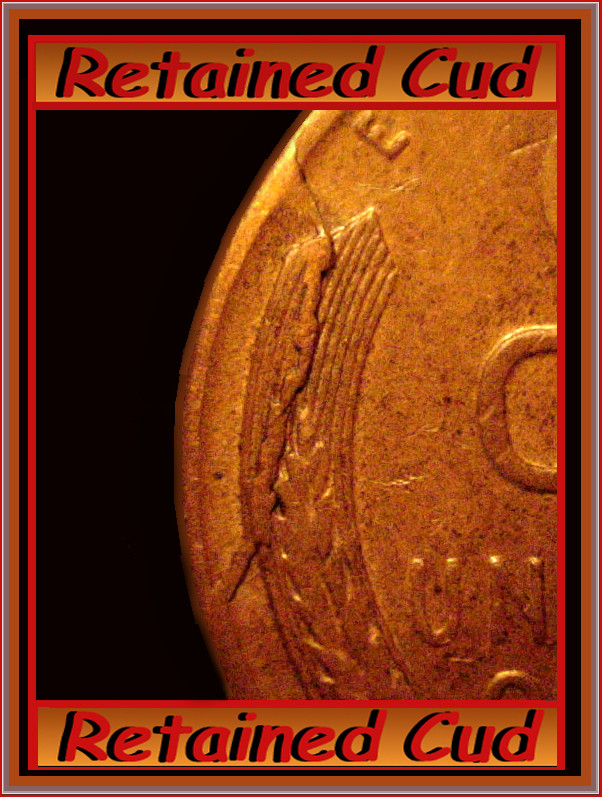 Note the area is broken away, but it is still retained: 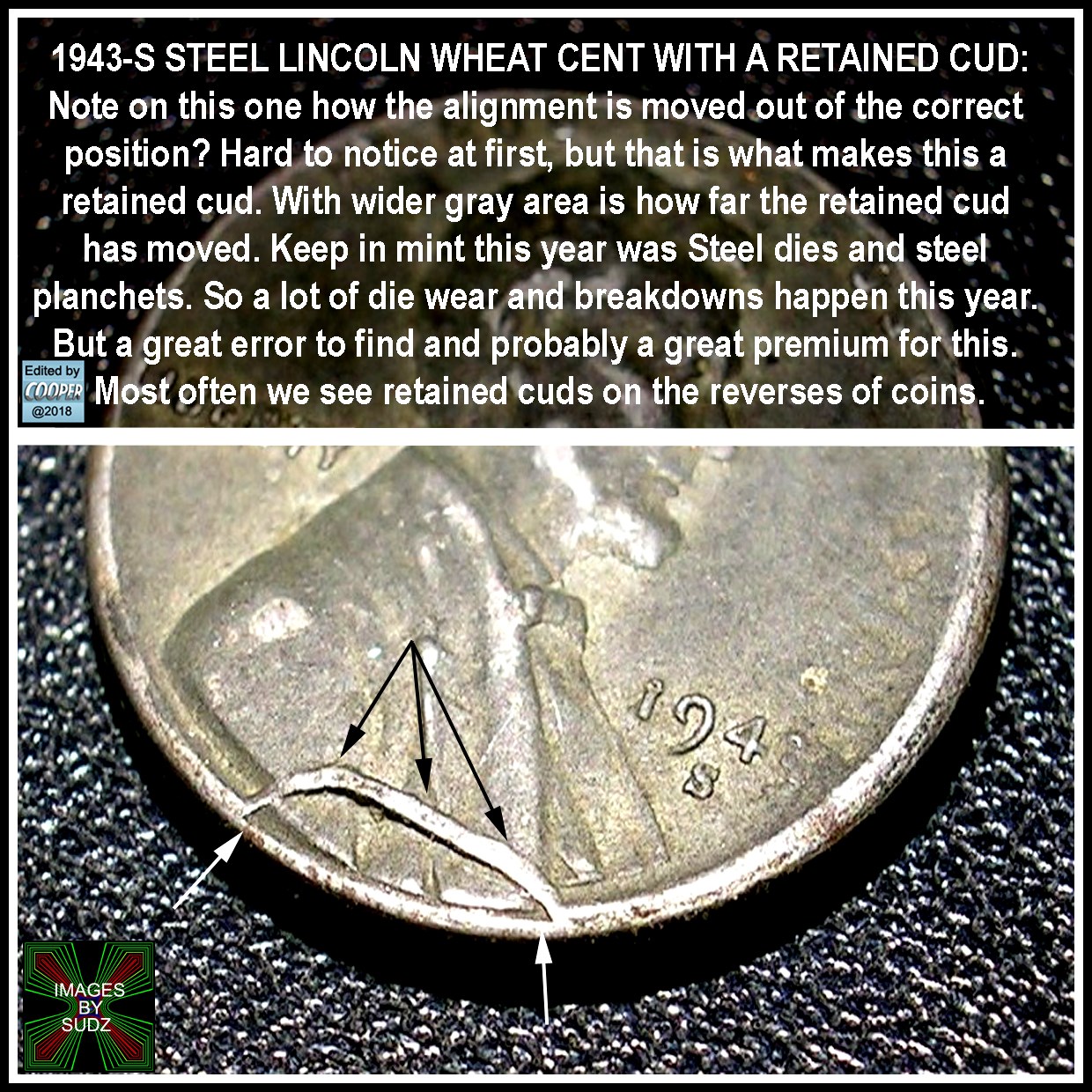 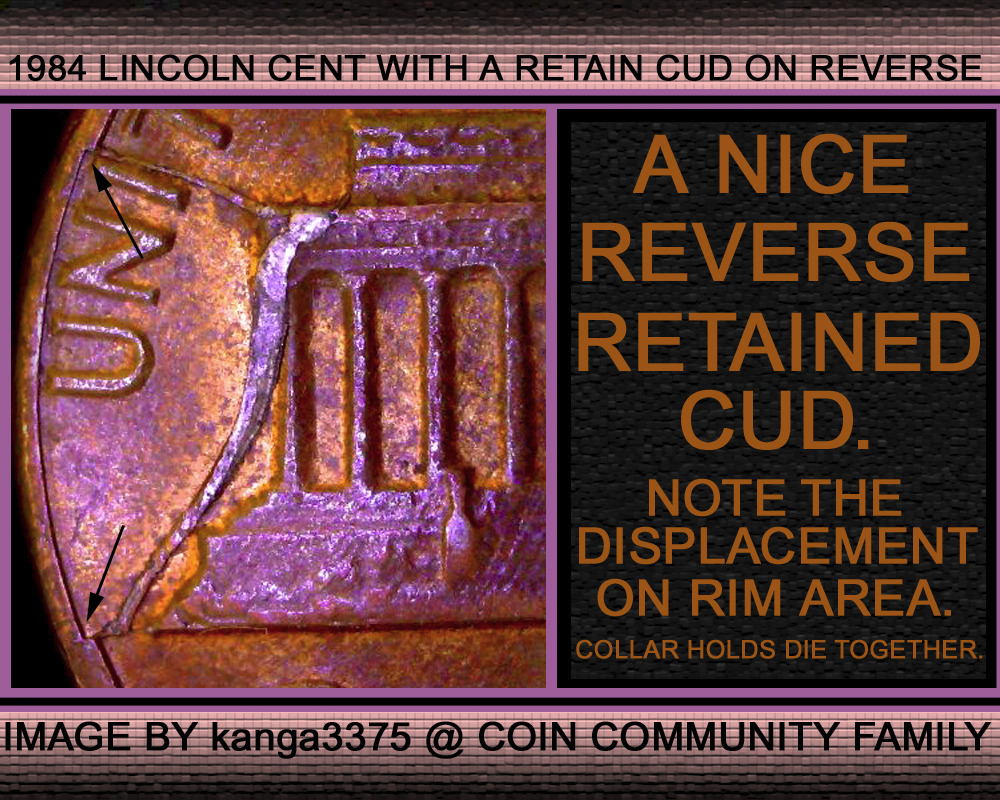 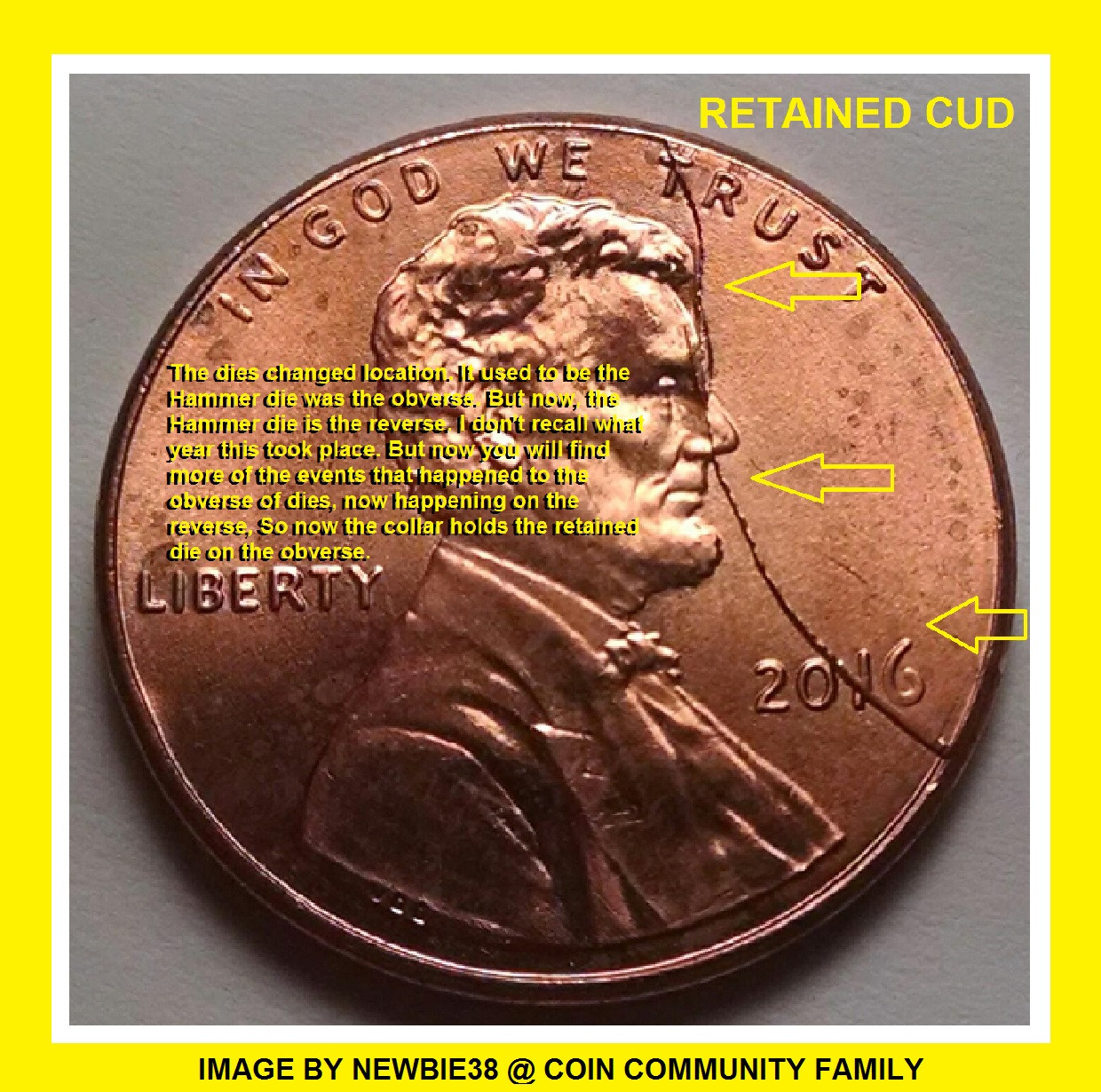 When the area breaks away it becomes a Cud. 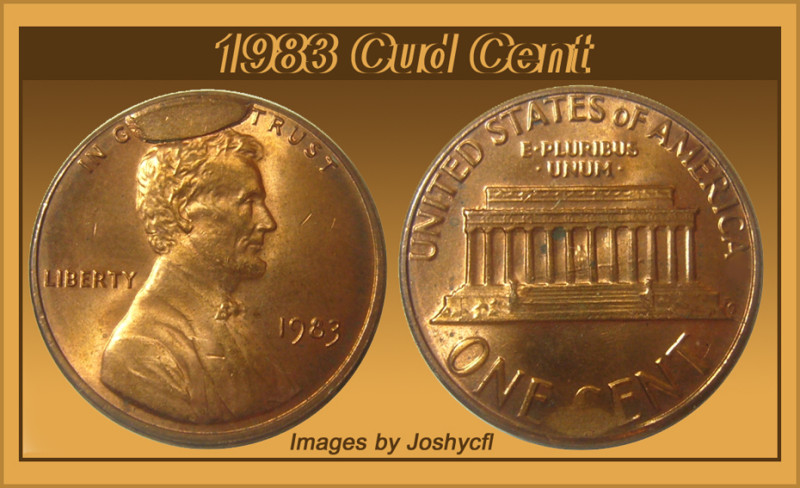 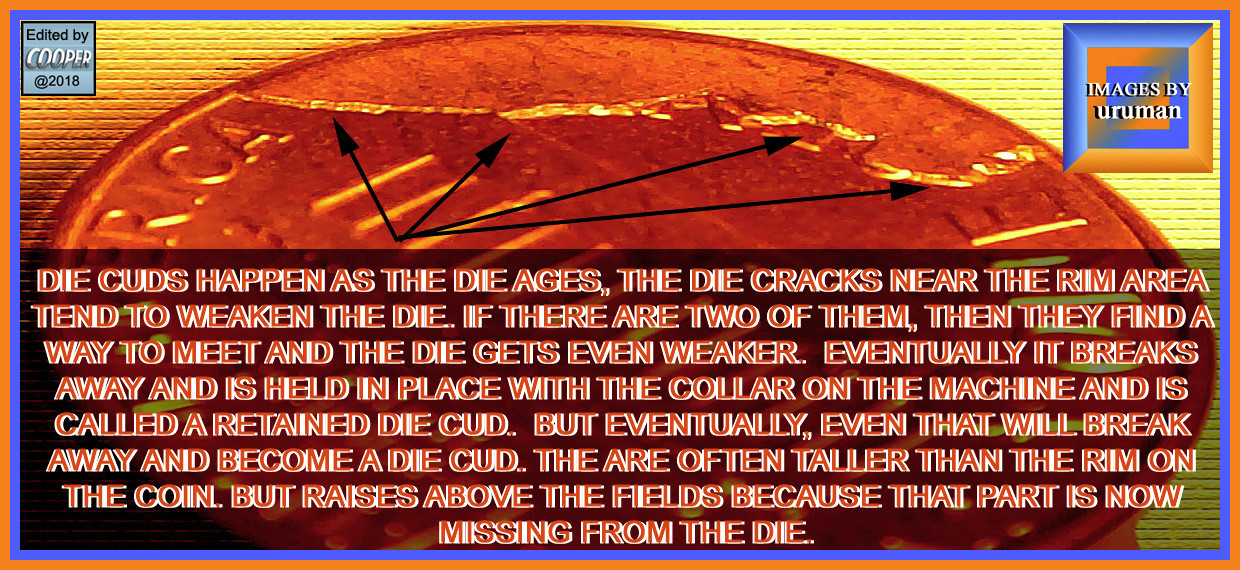 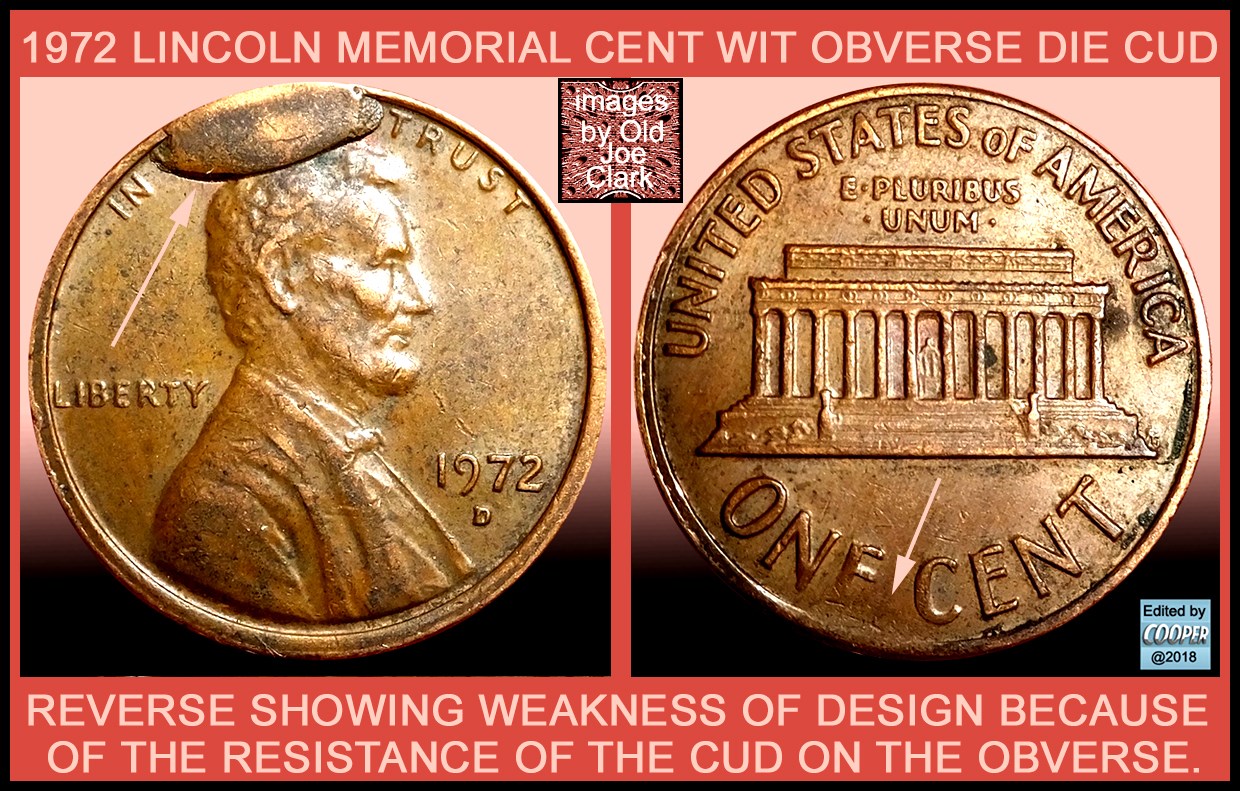 This coin had the die shatter and strike the Cud onto the coin: 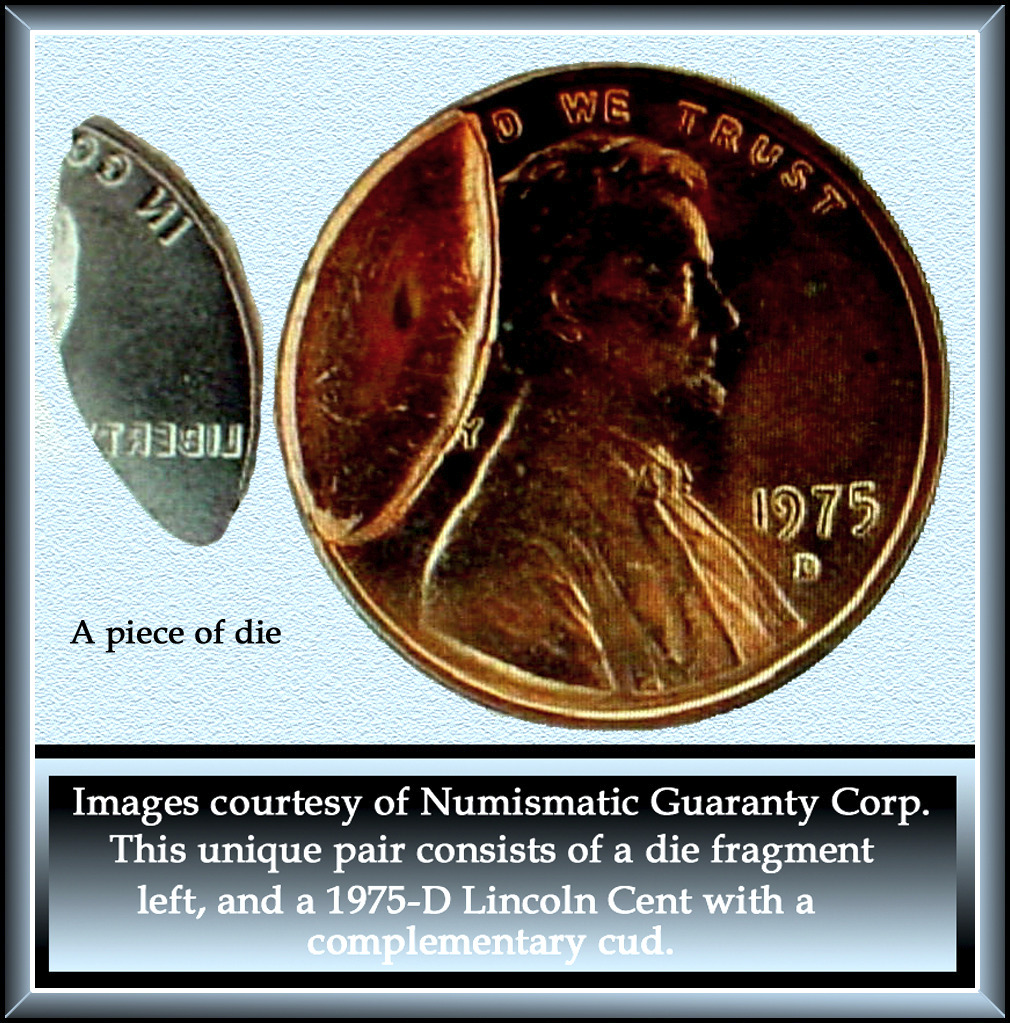 Having the Cud piece onto the coin is very rare to happen. Edited by coop
02/05/2020 6:27 pm
|
|
Valued Member
 United States
92 Posts |
thank you I should have desc more. the area is definetely LOWER than the rest of the ear unable to get pic of lower part of ear due to extreme angle needed to see, yes first glance thought Cud but closer look and its lower. in close up very bottom of the area you can almost see what looks to be where it continues under a layer of the ear impression? thanks |
|
Valued Member
United States
92 Posts |
Coop I do not believe it to be a Cud, lower in design, but thank you for all the awesome pics describing such as its always nice to freshen up on these things especially with picture descriptions...Thank you |
|
Valued Member
United States
92 Posts |
best I can get to add 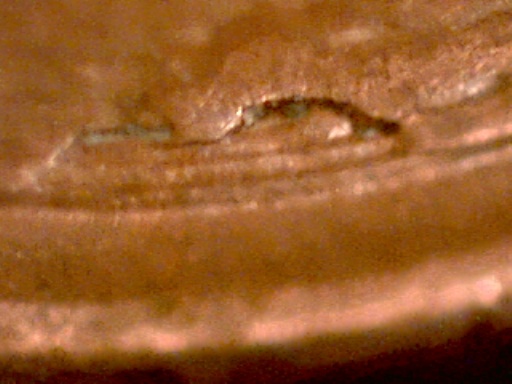 |
|
Bedrock of the Community
United States
62064 Posts |
It maybe a die break. When a crack happens it opens a small line void on the die: 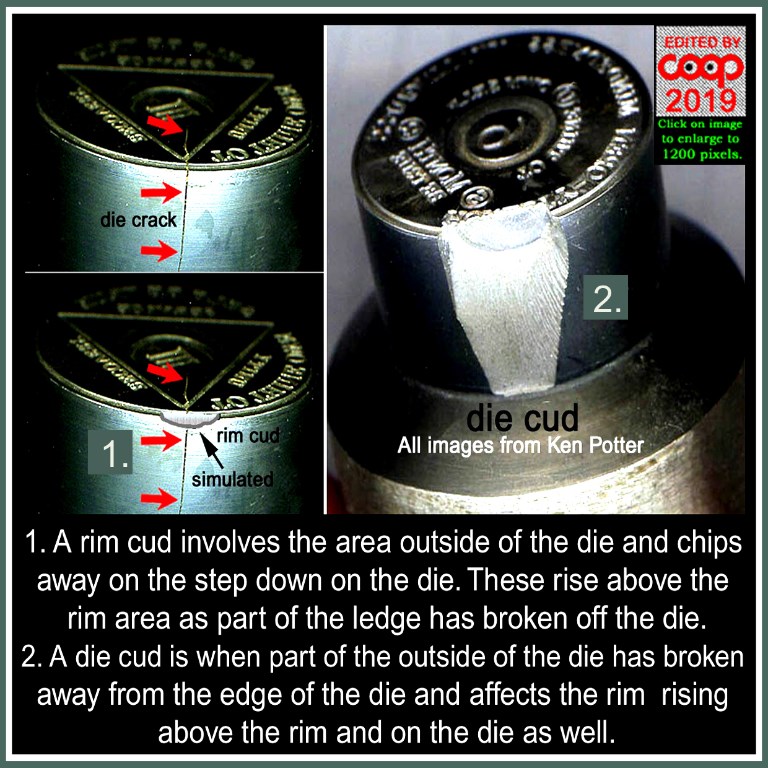 When a chip happens, part of the crack looses some of the die material, make the crack wider. Then the void get larger and more of the die material falls off the die, then it get larger. So that looks like what happened on the die that struck your coin. |
|
Valued Member
United States
92 Posts |
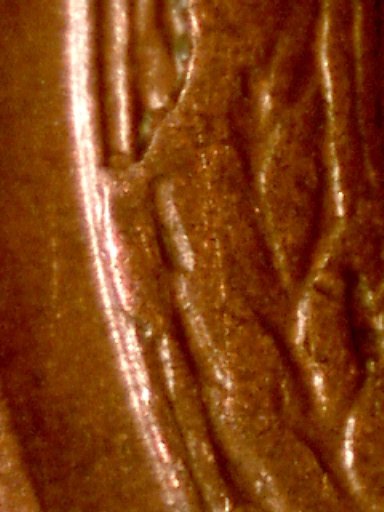
Thank you but I still dont see it as a crack or Cud with that much area all being lower than the actual design yet still seems to have a somewhat defined wheat lines from what little I have seen usually under a delamination of a design they are rounded from the design transfering through the delamination layer? then the delam falls off leaving a mutted round not crisp design? sound about right? Thank you |
|
Valued Member
United States
92 Posts |
sorry forgot to add pic with my desc 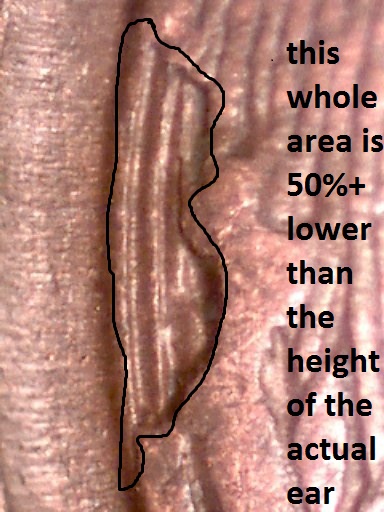 |
|
Bedrock of the Community
United States
62064 Posts |
Try rotating the coin to get a different angle. Maybe 90 degress clock wise? Don't outline the area on the next image. That might help show it a bit better?
|
|
Pillar of the Community
United States
5897 Posts |
The "recessed" part isn't really recessed. I say this because it still has the wheat lines in it. This tells me all the metal is still there and not a lamination. The irregular raised "line" surrounding it certainly looks like metal from a die crack.
Words of encouragement are one of the major food groups.
We need to consume them regularly to thrive and grow.
Edited by Petespockets55
02/11/2020 07:00 am
|
|
Bedrock of the Community
United States
62064 Posts |
At this point the raised area is called a die break. It went from die crack, then die chips and when this coin was struck more of the die material fell out of the die and the void is called a die break at this point.
|
| |
Replies: 11 / Views: 1,564 |
|











 Posted 02/05/2020 5:53 pm


