The vast majority of classic-era commemorative coin Acts specified maximum mintages and striking time frames for the coins they authorized. There were a few exceptions, however, that, due to specification omissions or wording choices, could have led to unlimited mintages and/or long-term coin programs.
Most coin Acts included language such as "
not to exceed twenty-five thousand silver 50-cent pieces of standard size, weight, and composition..." (emphasis added here and below) which effectively limited the number of coins that could be struck. They also included a time limit for production of the coins.
(Note: the bill language presented is meant to be a representative example only, not language included in all coin bills.)Some commemorative coin bills that included the "not less than..." language also included a "not to exceed..." statement which firmly book-ended the coin's mintage. The bill calling for the 1936 Cleveland-Great Lakes Exposition half dollar is one such example, it included the language, "
not less than twenty-five thousand and
not to exceed fifty thousand silver 50-cent pieces of standard size, weight, and composition..."
Following, is a look at four commemorative half dollars that included a mintage loophole in their authorizing legislation; the coins are presented in the order of their introduction in Congress.
The
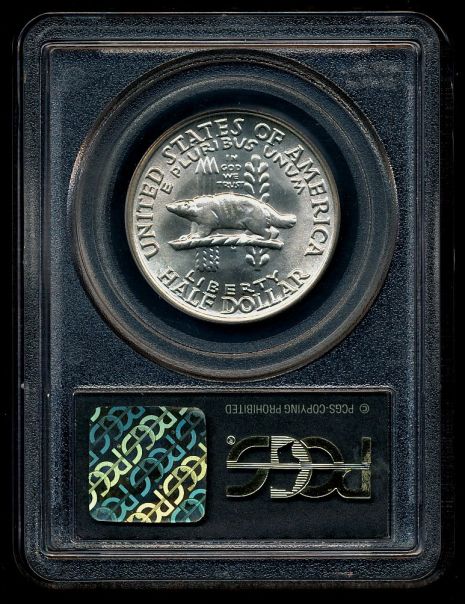
1936 Wisconsin Territorial Centennial half dollar included most of the mintage specification phrase presented above, but changed a few words that were critical to the coin's potential mintage. The coin's Act states
"not less than twenty-five thousand silver 50-cent pieces of standard size, weight, and composition..." language. This created the potential for a large mintage as no upper limit was specified. A limiting control was included, however - no Wisconsin coins could be struck after one year from the bill's enactment into law. Just one batch of 25,000 coins was struck, and it took more than 15 years for the Territorial Centennial Commission to sell them all - sales reportedly didn't end until the 1950s!
(Introduced: January 30, 1936; Signed Into Law: May 15, 1936.)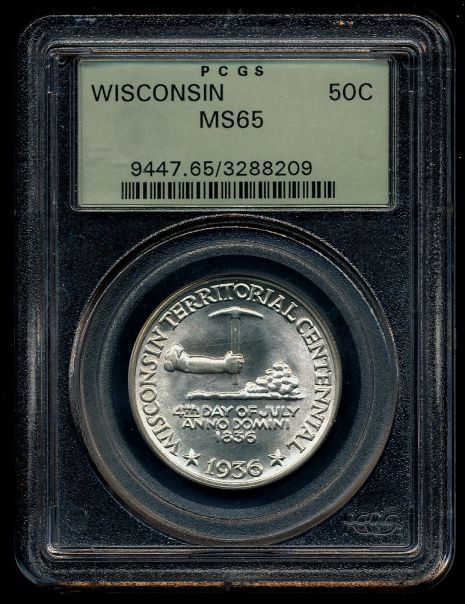
The legislation for the
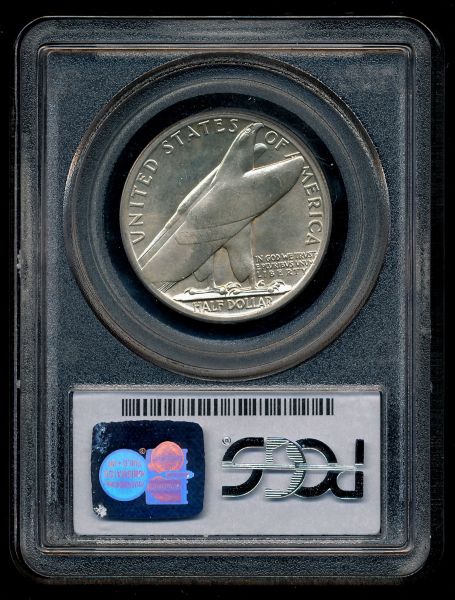
1936 Bridgeport, CT Centennial half dollar was the most open-ended of all. As the Wisconsin coin bill did, the Bridgeport legislation stated "
not less than twenty-five thousand silver 50-cent pieces of standard size, weight, and composition..." which again, while setting a lower limit, did not set a maximum mintage figure for the issue. The Act specified all coins struck had to bear the date "1936" but it did not set an end-date for minting. Theoretically, the Bridgeport could have continued to be struck in large numbers well after 1936. The coin, however, did not prove to be immensely popular with collectors and the Mint's initial run of 25,000 coins was all that was ever struck.
(Introduced: March 10, 1936; Signed Into Law: May 15, 1936.)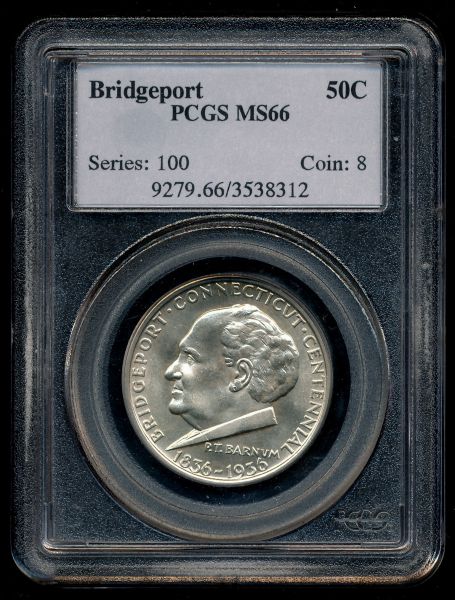
The
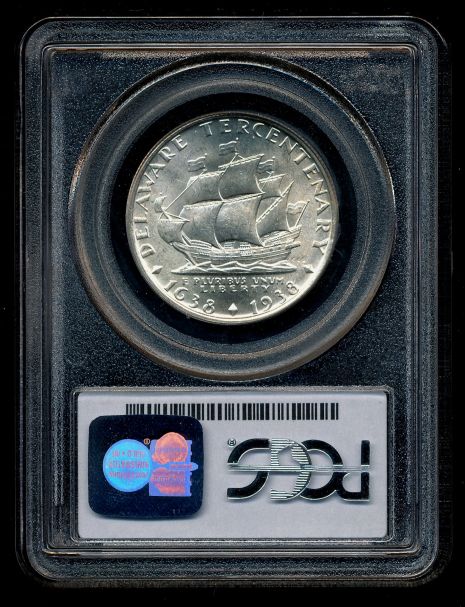
1936 Delaware Tercentenary half dollar's Act was another that provided for an open-ended mintage. It included the same "
not less than twenty-five thousand silver 50-cent pieces of standard size, weight, and composition..." language found in the Wisconsin Territory and Bridgeport Acts. The coin's authorization expired one year after its bill was enacted into law, however, so its total mintage was effectively restricted. Sales were a bit lackluster, so just one run of 25,000 coins was produced, with 4,000 of them being returned to the Mint to be melted.
(Introduced: March 16, 1936; Signed Into Law: May 15, 1936.)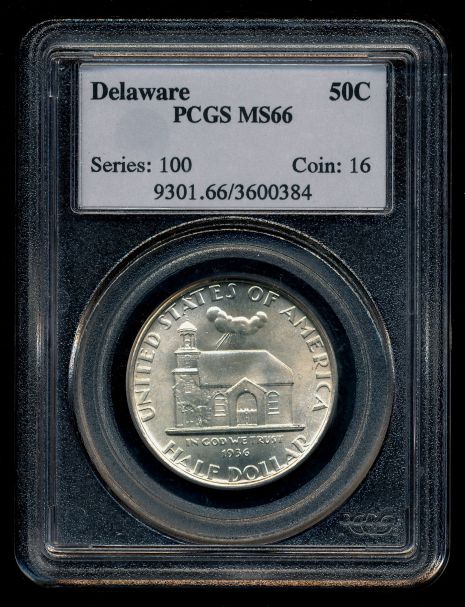
The Act authorizing the
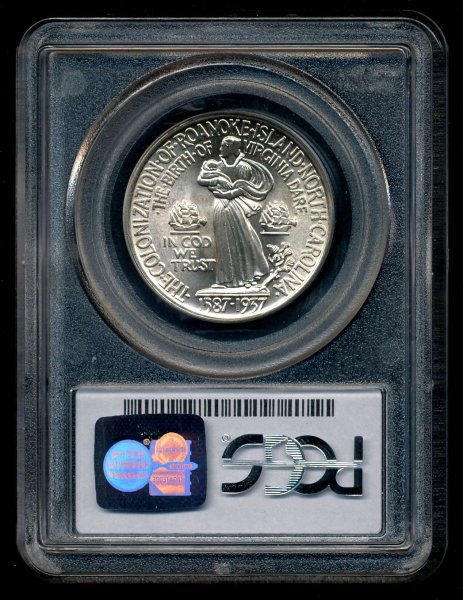
1937 Roanoke Colony Memorial half dollar included the same language as the other coins referenced here, namely, "
not less than twenty-five thousand silver 50-cent pieces of standard size, weight, and composition..." The Roanoke Act, however, also included an expiration date and specified that "no such coins shall be issued after July 1, 1937." This effectively capped the mintage of the coin. Its sponsor did request a second batch of 25,000 before the authorization expired, but was not able to sell all 50.000 of the coins and ultimately returned 21,000 of them to the Mint.
(Introduced: May 21, 1936; Signed Into Law: June 24, 1936.)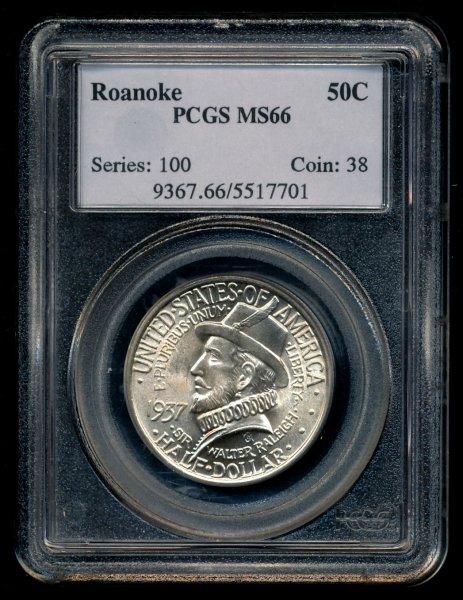
So, four commemorative half dollar sponsors had a golden opportunity to drive profits to incredible levels through the sale of a near unlimited supply of coins, but each failed to realize the potential given to them by their authorizing legislation. The bloom was beginning to fall off the rose by mid-1936 and by later in the year the market crash was in place. Things might have been different if the coins had been marketed a few years earlier, but historical anniversary dates are fixed and you have to respect them! (Unless you're the sponsor of the Alabama Statehood Centennial half dollar, the Old Spanish Trail coin, the Cincinnati Music Center coins the...oh , well I guess accurate adherence to historical anniversary dates isn't all that important!

)
If you'd like to learn more about any/all of the coins discussed here via individual posts on them, check out:
Read More: Commems Collection.








 Posted 06/02/2021 11:04 am





