| Author |
 Replies: 1,279 / Views: 81,811 Replies: 1,279 / Views: 81,811 |
|
|
|
Moderator
  United States
34572 Posts |
Let's drop back to the decade of the 1480s starting tomorrow morning. Last chance to post your 1490s coins!
"If you climb a good tree, you get a push."
-----Ghanaian proverb
"The danger we all now face is distinguishing between what is authentic and what is performed."
-----King Adz
|
|
Pillar of the Community
United Kingdom
725 Posts |
This is probably a good time to post this coin, given it covers the 1480s and 1490s, although it doesn't take us back as the date range is too wide. Henry VII Sovereign Type Penny, issued under Archbishop Thomas Rotherham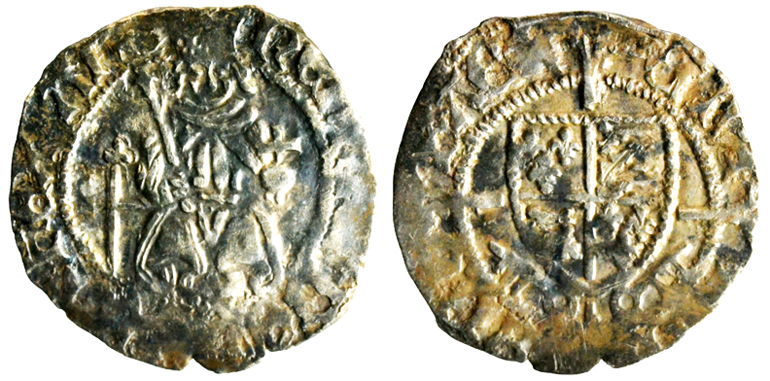 York. Silver, 15mm, 0.73g. Henry on single-pillar throne, holding scepter and globus cruciger, hEnRICx DIx GRAx REXx ANG'. Coat-of-arms over long cross fourchee, CIVI-TAS EBO-RACI, keys below shield (S 2236). York. Silver, 15mm, 0.73g. Henry on single-pillar throne, holding scepter and globus cruciger, hEnRICx DIx GRAx REXx ANG'. Coat-of-arms over long cross fourchee, CIVI-TAS EBO-RACI, keys below shield (S 2236). The keys come from the Arms of the Diocese of York. The dates 1485-1500 are based on Henry VII's accession and Archbishop Rotherham's death. These are the last pennies ever struck by an Archbishop of York. |
|
Pillar of the Community
 United States
8076 Posts |
I had no idea such a type existed, though I've got little expeience with English coinage from this era.
Thanks for sharing that here!
Edited by tdziemia
09/29/2021 08:25 am
|
|
Pillar of the Community
United Kingdom
725 Posts |
Yes you don't see them often, although they're not rare. The Archbishops of Canterbury and Durham also issued coins under Henry VII. Before that there were also ecclesiastical mints in Bury St Edmunds, Chichester and Lichfield. With earlier issues you can only tell they're church issues by the mint, although mints switched between church and king depending on the monarch. The profits went to the church, not the king, although sometimes they gave him a cut.
Archbishops have been issuing coins in England for a very long time - the Saxon archbishops of York and Canterbury issued coins in their own names. They finally stopped when Henry VIII took over the church.
|
|
Pillar of the Community
Russian Federation
5186 Posts |
I found a coin from the 1490s in my collection (during an unrelated search)... knew I had one, but hadn't seen it in years, so didn't know where to look.
Unfortunately my email is being slow, so I might not be able to post it tonight. Might try tomorrow if it's still allowed.
|
|
Pillar of the Community
Russian Federation
5186 Posts |
The email successfully arrived in the morning, and I might as well post the coin... 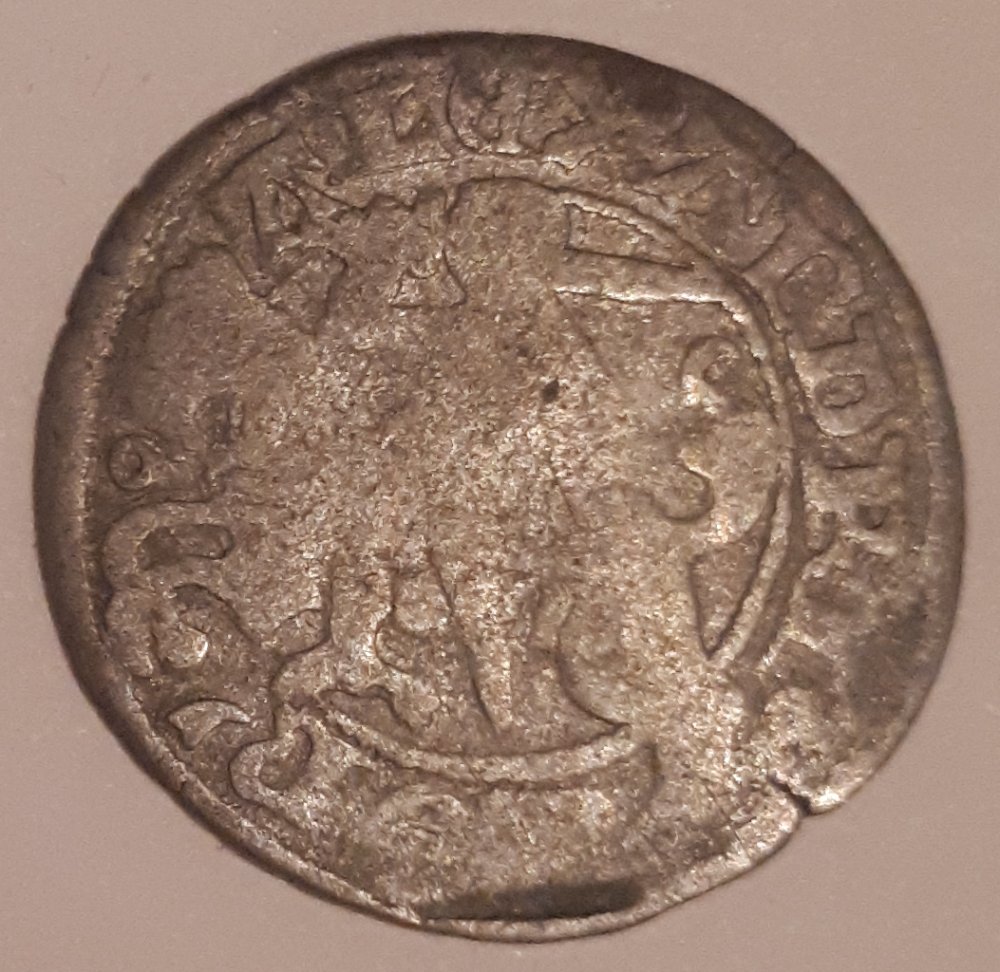 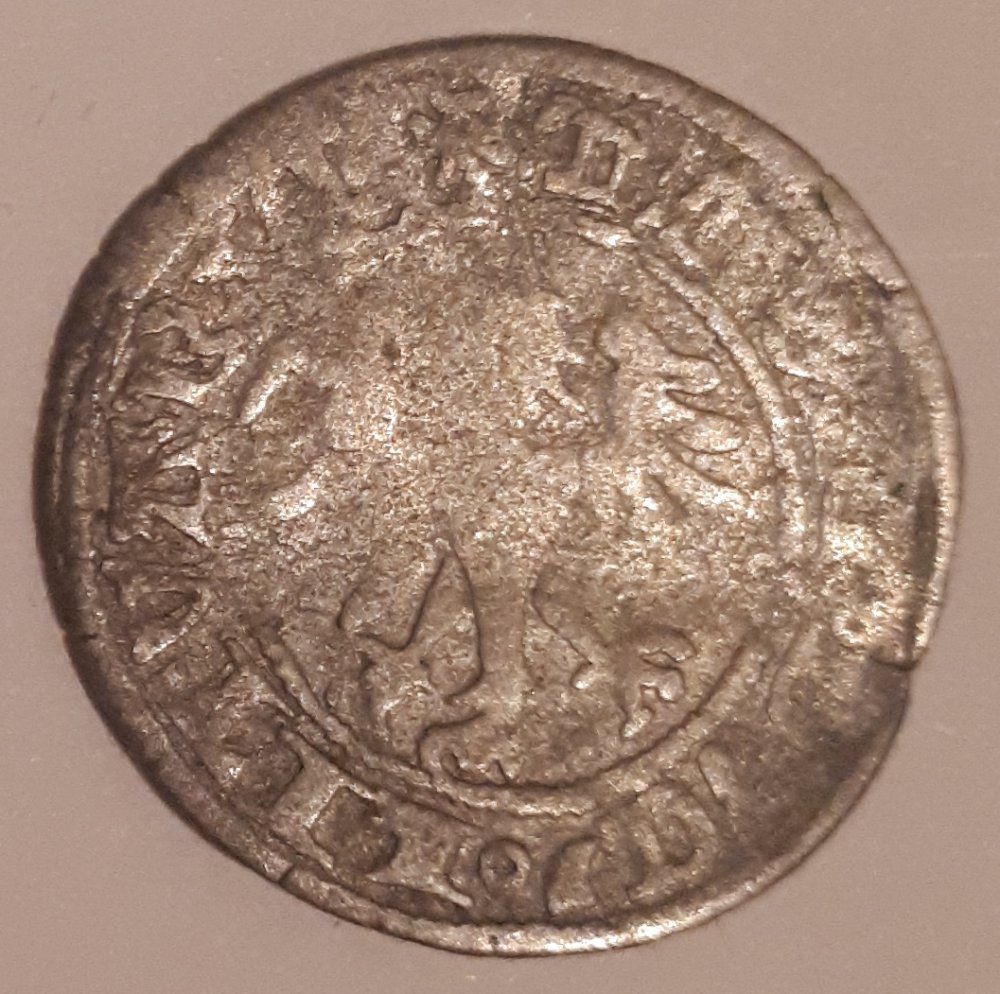 Grand Duchy of Lithuania Alexander Jagiellonczyk Polgrosz (halfgroat) 1495-1506 (or 1492-1506, sources vary) Obverse: MON' ALEXANDRI, knight on horseback left Reverse: MAGNI DVC' LITVANIE, single-headed eagle facing left Numista 31088 = Numista 259333 |
|
Moderator
United States
34572 Posts |
This Hvid from Denmark will push us back as it was issued between 1481 and 1483 AD. The obv inscription is NOVA REGNI DACIE while the rev inscription is MON MAL MOI ENS. It was minted at Malmö and it attributed as Galster 22 and Schou 11. 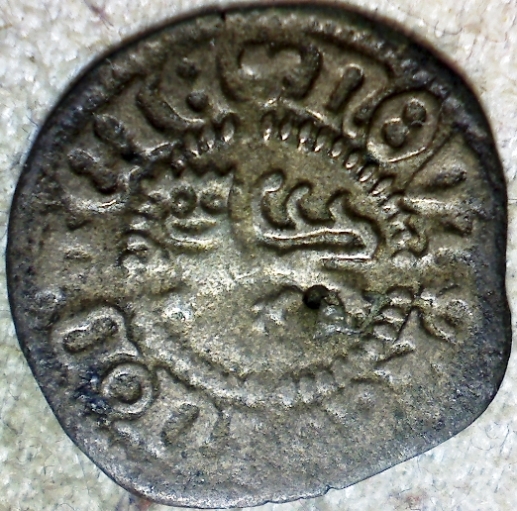 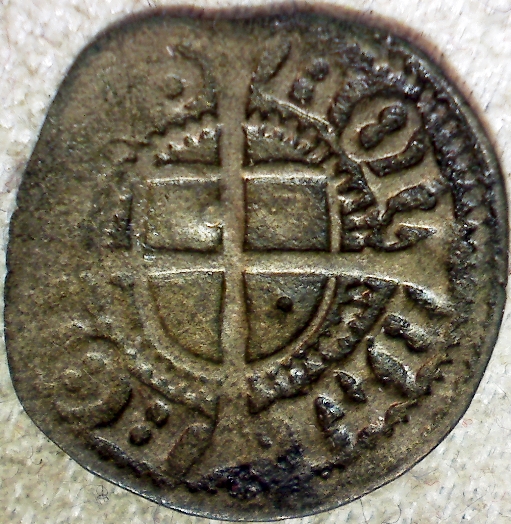 "If you climb a good tree, you get a push."
-----Ghanaian proverb
"The danger we all now face is distinguishing between what is authentic and what is performed."
-----King Adz
|
|
Moderator
United States
34572 Posts |
Here is a coin from the 1480s that I haven't posted here yet: a 6 Kreuzer from the Austrian Duchy of Tyrol. It dates to between 1482 and 1489 AD and was minted at Hall. The obv inscription is SIGISMVND ACHIDVX AVSTRIE while the rev inscription is GROS COMMS TIROL. I bought it for the unusual letterforms on the reverse Ms, but I also note that it is a bit odd that the rev inscription is broken up by the cross, rather than being separated into natural pauses by the arms as so many other coins are. 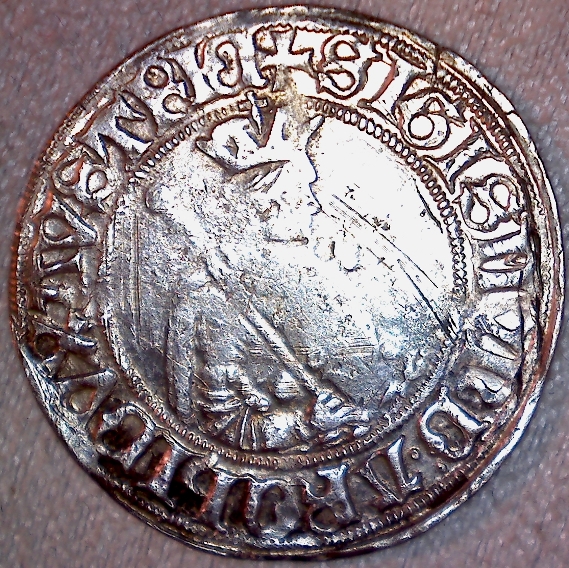 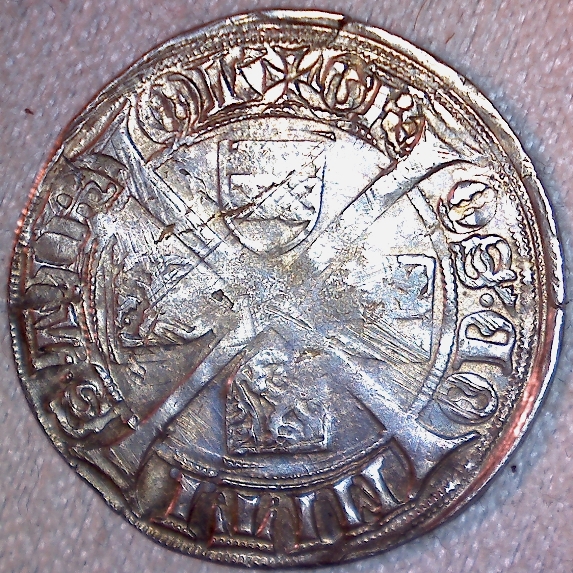 If no one has any others to post, we can drop back to the decade of the 1470s starting tomorrow. "If you climb a good tree, you get a push."
-----Ghanaian proverb
"The danger we all now face is distinguishing between what is authentic and what is performed."
-----King Adz
|
|
Pillar of the Community
Russian Federation
5186 Posts |
Quote:
the unusual letterforms on the reverse Ms ...no offence, but I read the reverse legend as GR/OS CO/MITI/S TIR/OL, with only one (and fairly normal shaped) M. I suppose the ITI part does look a bit like another M, so if you were told the legend was COMMS... But yeah, it's weird that they put the breaks where they did. Maybe they wanted to make sure that all the word separators were visible? Either way - neat coin! |
|
Moderator
United States
34572 Posts |
Good question @j1m. I'll have to check my Saurma and get back to you.
"If you climb a good tree, you get a push."
-----Ghanaian proverb
"The danger we all now face is distinguishing between what is authentic and what is performed."
-----King Adz
|
|
Pillar of the Community
United States
8076 Posts |
I will sneak under the wire with this undated double patard of the Duchy of Brabant (Burgundian Netherlands) that was issued in 1485: 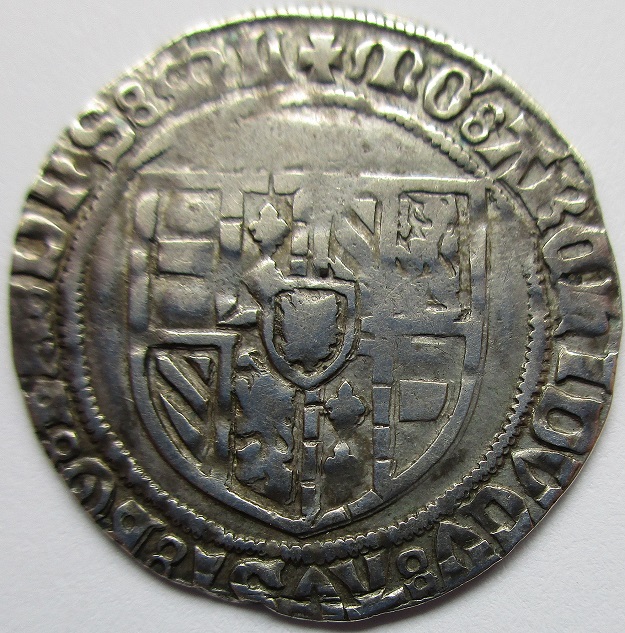 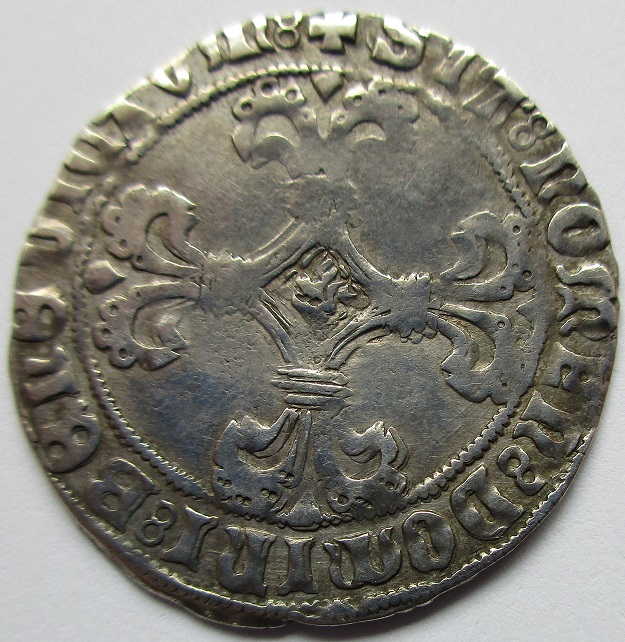 The coin was issued during the regency of Philip the Handsome, by his father, Maximilian of Austria, hence the obverse legend reads MO' ARCHIDVCV AVST BG BR DNS ML (Coin of the Archduke of Austria, Lord of Burgundy and Brabant) Edited by tdziemia
10/02/2021 08:32 am
|
|
Moderator
United States
34572 Posts |
Nice one @tdz! Here is a Tanka from the Juanpur Sultantate of India. It is dated AH 877, which corresponds to 1472/3 AD. It has provenance back to Thomas Pollandt. 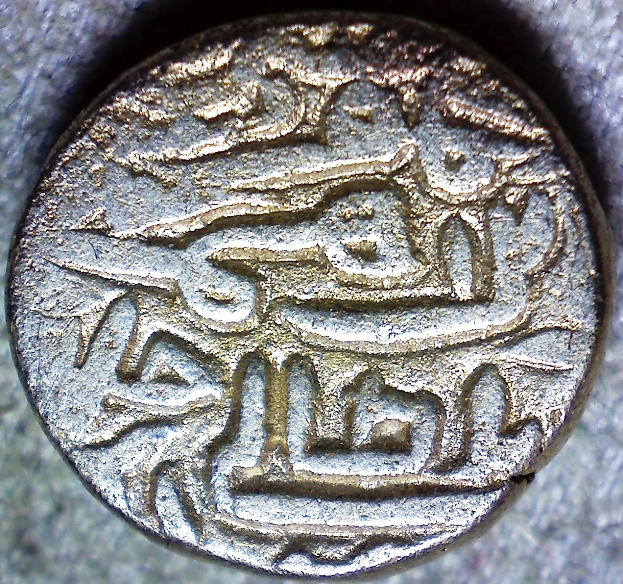 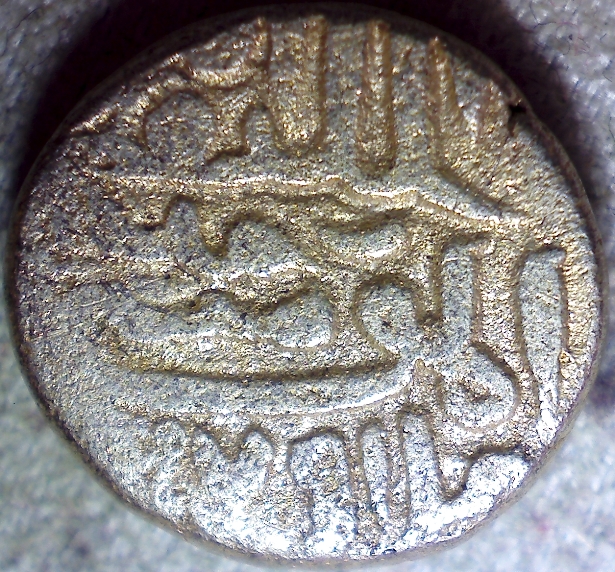 "If you climb a good tree, you get a push."
-----Ghanaian proverb
"The danger we all now face is distinguishing between what is authentic and what is performed."
-----King Adz
|
|
Pillar of the Community
Russian Federation
5186 Posts |
Neat tanka! I want to get one of those Jaunpur tankas eventually... though I'm 90% sure that mine won't have a provenance past the shop.
I guess you've seen my "1482" Shirvanshah coin enough times already (most recently in the Sixth Edition thread) that it wouldn't make any sense to post it again...
AFAIK after that I'm out until the 1450s, though I might have an Ivan III coin for the 1460s.
|
|
Pillar of the Community
United Kingdom
725 Posts |
Ivan III is where I'm going for the 1470s. Even then, the dates are too broad to count. Ivan III Denga, 1478-1505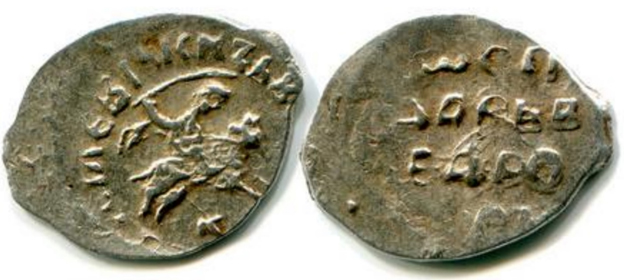 Novgorod. Silver, 0.76g. Horseman with a sword, K below, 'Grand Duke Ivan Vasilyevich' around. Legend in four lines, 'Sovereign of All Rus' (GP 8122 I). Novgorod. Silver, 0.76g. Horseman with a sword, K below, 'Grand Duke Ivan Vasilyevich' around. Legend in four lines, 'Sovereign of All Rus' (GP 8122 I).The date of the coin is based on Novgorod's absorption into Muscovy in 1478, although the city unconditionally surrendered to Ivan III in 1471. |
|
Pillar of the Community
4628 Posts |
I love it, the 1470s - wow the era of Renaissance Page Boy haircuts, wars of roses, Medicis and Louis the Spider.
|
| |
Replies: 1,279 / Views: 81,811 |





 First Page
 Previous Page


 Posted 09/29/2021 06:36 am


