| Author |
 Replies: 55 / Views: 5,254 Replies: 55 / Views: 5,254 |
|
|
|
Valued Member
 149 Posts |
|
|
Valued Member
149 Posts |
Quote: Totally legit and not PMD. But it is ugly and detracts from the strikes perfection and this 1974-D Ike which had a mintage of over 34 million coins went for 5 grand. There is no Ike I am spending 5 grand on. That is a bubble. And if I did want to through that kind of dough around, it wouldn't be on a coin minted for the slot machine industry in Los Vegas with a common strike problem. Edited by radars_teddy
11/24/2021 05:23 am
|
|
Pillar of the Community
Australia
9804 Posts |
Anyone want to buy my Ikes. :)
|
|
Moderator
 United States
195559 Posts |
Quote:That is only if you don't mind die polish lines on your $5,520 Eisenhower dollar. Those lines do nothing to ruin the coin... if anything, in my opinion, it adds to appeal. To each their own, YMMV.  For what it is worth, I have yet to spend more than $105 on an Ike. This particular coin is not in my market, but I would not kick it out if it showed up at my door!  |
|
Moderator
United States
106908 Posts |
Quote:
This particular coin is not in my market, but I would not kick it out if it showed up at my door! Uh-huh.. would any of us? |
|
Valued Member
United States
72 Posts |
Quote:
Anyone want to buy my Ikes. :) What? You're selling both of them? |
|
Moderator
United States
195559 Posts |
Quote:
Uh-huh.. would any of us? I would hope not, but you know, there are people out that who *gasp* hate Ikes!  Quote:What? You're selling both of them?  |
|
Valued Member
United States
72 Posts |
Quote:
For what it is worth, I have yet to spend more than $105 on an Ike. That's darn impressive, jbuck. You got me beat by about $95. And I thought I was stingy... |
|
Valued Member
149 Posts |
Quote:
Those lines do nothing to ruin the coin.. They make the coin unattractive. It is a defect in the strike. Stirke is part of the grading standard in the Red Book. Edited by radars_teddy
11/24/2021 09:27 am
|
|
Moderator
United States
195559 Posts |
Quote:
That's darn impressive, jbuck. You got me beat by about $95. And I thought I was stingy... That Ike is part of the PCGS set I recently completed. Prices ranged from $14 to $108 (I mistyped it earlier). Mean average is $37, median $31. A huge jump from what I spent on my Dansco set.  Quote:
It is a defect in the strike. No, it is not. But if the lines bother you, then they bother you! There is nothing wrong with that. It is the same with toning, some people hate it, and that is okay. You like what you like and should never have to buy something that is not pleasing.  |
|
Valued Member
United States
72 Posts |
Quote:They make the coin unattractive. It is a defect in the strike. Stirke is part of the grading standard in the Red Book. I am not going to debate aesthetics. If you find the lines unattractive, that's fine by me. And I do agree that is a crazy price for a clad business strike. However, I am leaning toward this being a planchet issue, not a problem with the strike or from a polished die. It's hard to tell from the photo if these lines are incuse or in relief. They do run on both obverse and reverse in the directions you would expect if on the planchet. That's my theory and, without the coin in-hand, I could be wrong. TPGs know that some Ikes have planchet lines and therefore straight grade them. So someone at PCGS obviously made that call. |
|
Pillar of the Community
United States
7394 Posts |
Not that I try to compete in the upper eschelons of the registry sets, for me this Ike at $19, was a better buy (higher grade, lower cost). 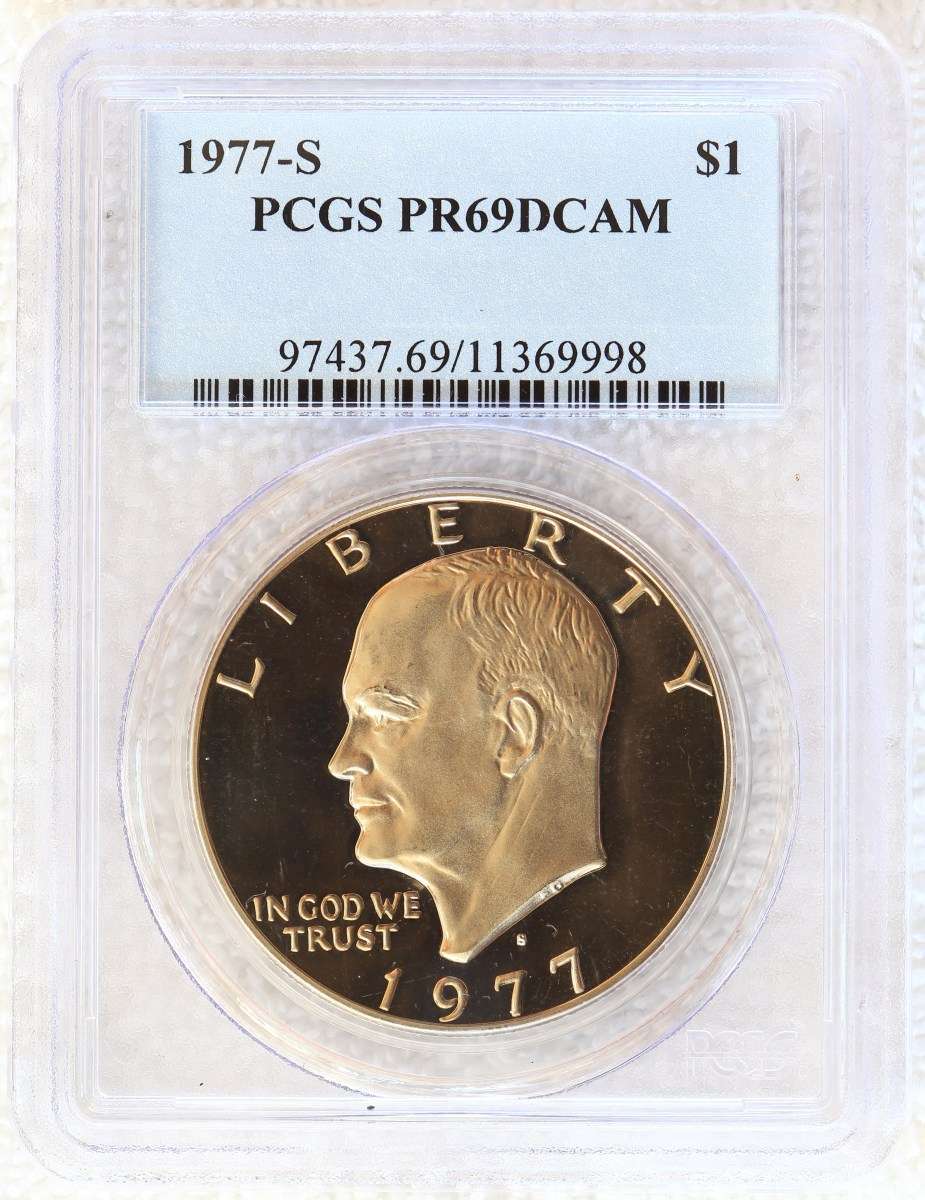 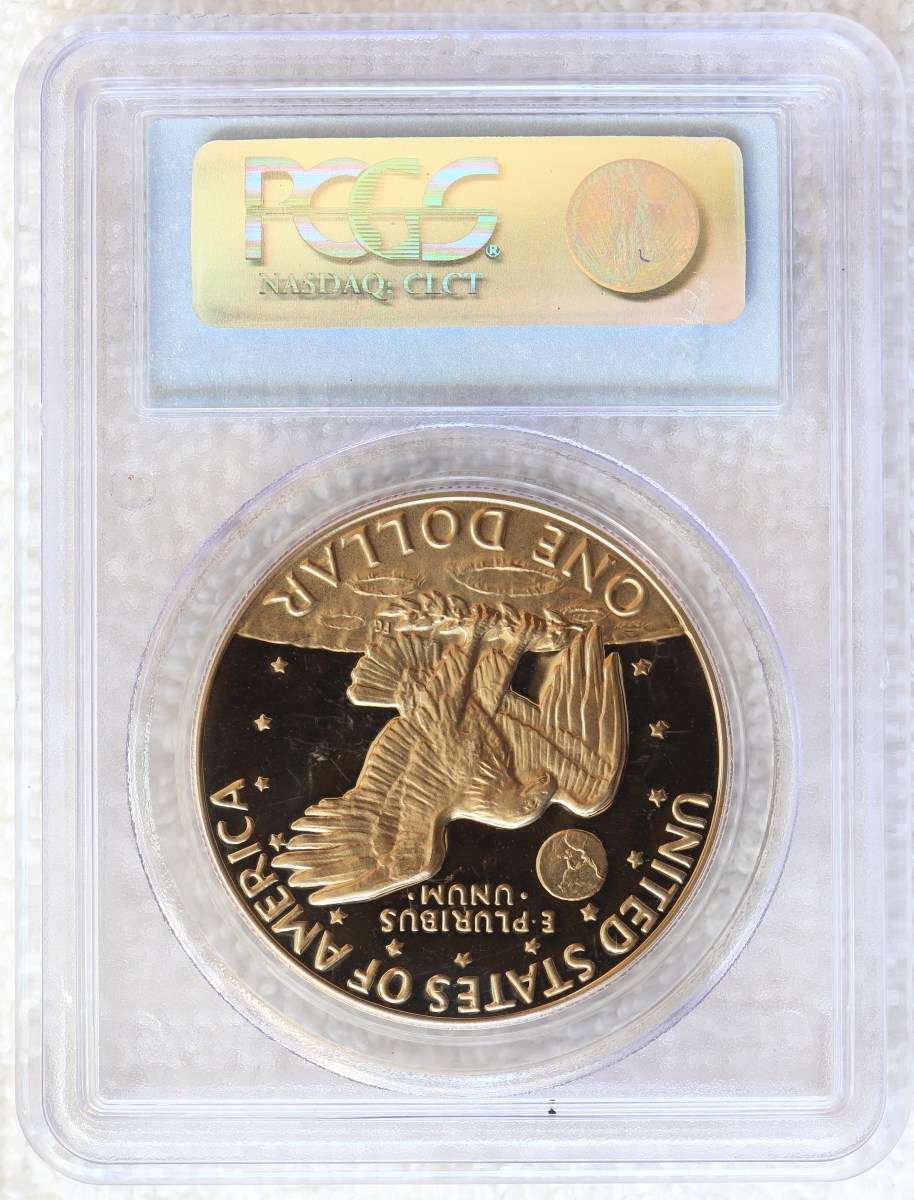 Or a slighty lower grade and silver for $24 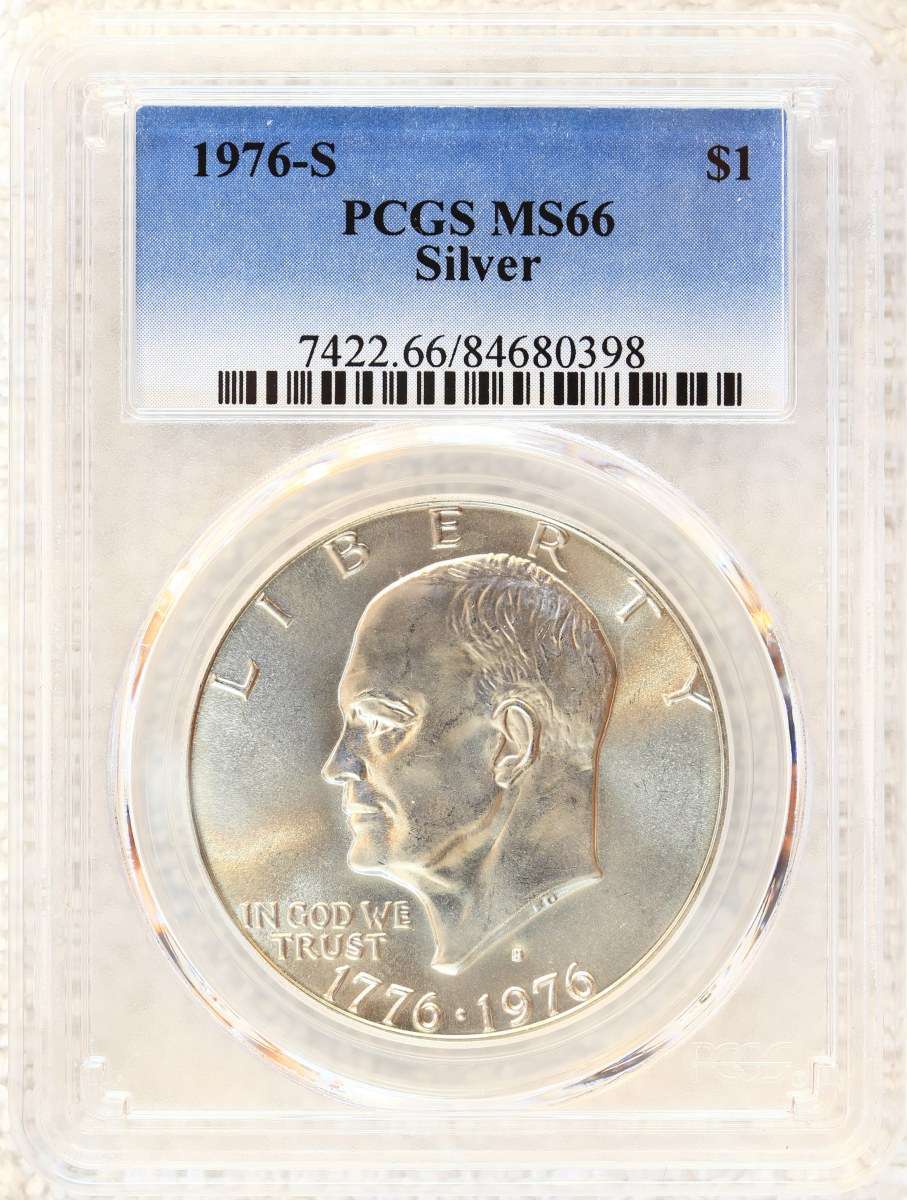 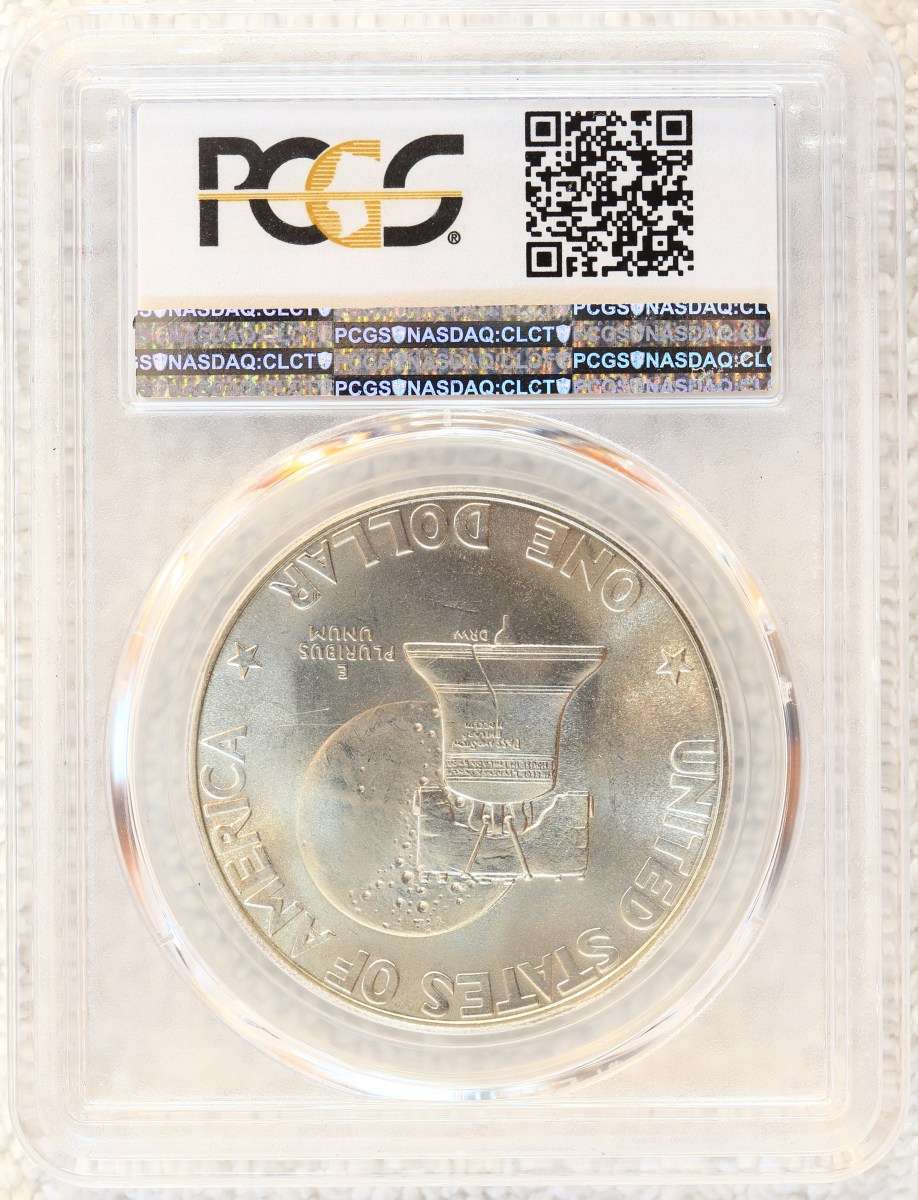 I don't judge those that pay for the top grades, but its not me. And Ty... Quote:
You're not fooling anyone @ hfjacinto, we all know you won the cricket auction  |
|
Valued Member
149 Posts |
Quote:
No, it is not. It is and it is says so in the RedBook. It is not part of the intended design for the coin. Nobody designs polish lines into the fields of the coin. That makes it a fault in the die which transferred to the coin. If is completely gradable in MS68 and up in the RedBook. "Has very attractive and sharp strike and full original luster for the date and the mint with no more than two small non-detracting contact marks or flaws" Your spending 5 thousand dollars for a 10 dollar coin, and one can find one without die polish. If you don't care, that is fine, but strike is part of the grade in gem coins, as a fact. As for the toning, I would never believe it to be natural. I'm sure it jacked up the sale value though and it is a major reason why I don't collect toned coins. I have blue ikes, but I don't collect them for the toning 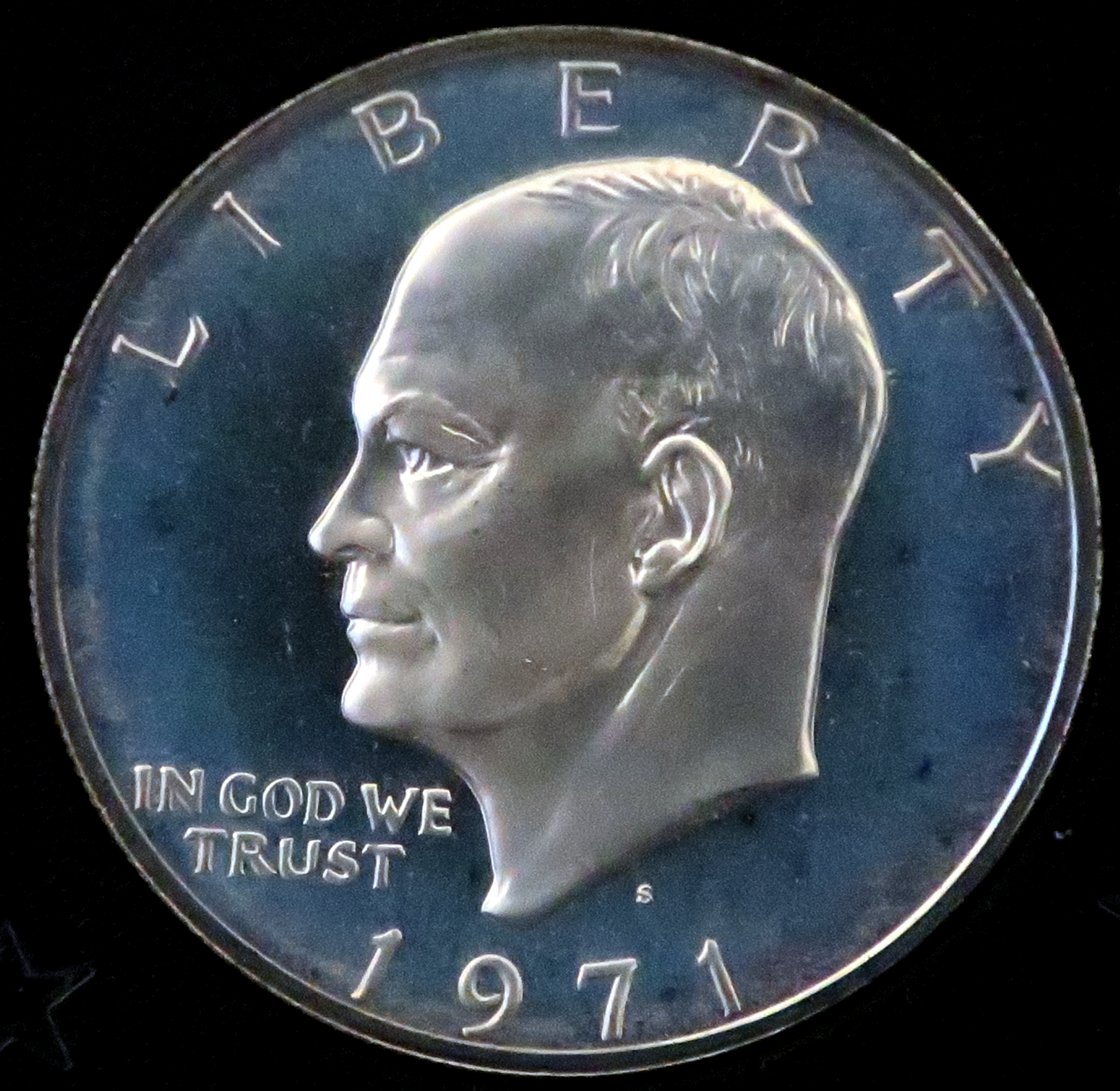 Edited by radars_teddy
11/24/2021 1:20 pm
|
|
Valued Member
149 Posts |
Quote:
However, I am leaning toward this being a planchet issue, not a problem with the strike or from a polished die. It's hard to tell from the photo if these lines are incuse or in relief. They do run on both obverse and reverse in the directions you would expect if on the planchet. That's my theory and, without the coin in-hand, I could be wrong. TPGs know that some Ikes have planchet lines and therefore straight grade them. So someone at PCGS obviously made that call. How can you distinguish them from cleaning then? I am having this discussion in another thread. It is getting harder and harder for me to distinguish a coin from a harsh cleaning to a die or planchette issue. Edited by radars_teddy
11/24/2021 10:26 am
|
|
Moderator
United States
195559 Posts |
Quote:It is not part of the intended design for the coin. Nobody designs polish lines into the fields of the coin. That makes it a fault in the die which transfered to the coin. If is completely gradable in MS68 and up in the RedBook. They are not polish lines. They are roller marks on the planchet. I assure you, those lines were not on the die. Quote:
roller marks
Term to describe the mostly parallel incuse lines seen on some coins after striking. These were originally thought to be lines resulting from debris "scoring" the metal strips before the blanks were cut. However, new research has pointed to the final step of strip preparation, the draw bar. To reduce the strips to proper thickness, the final step was to pass them through the draw bar. It certainly seems logical that debris in the draw bar may cause these lines, if so, then draw-bar marks or lines would be a more appropriate term. https://www.coincommunity.com/dicti.../coins_r.aspCoop has some nice explanatory images in this reply... Quote:
Well the lines are called rolling lines... These lines are seen on the planchets before and after the strike: http://goccf.com/t/394757#3378076For example: 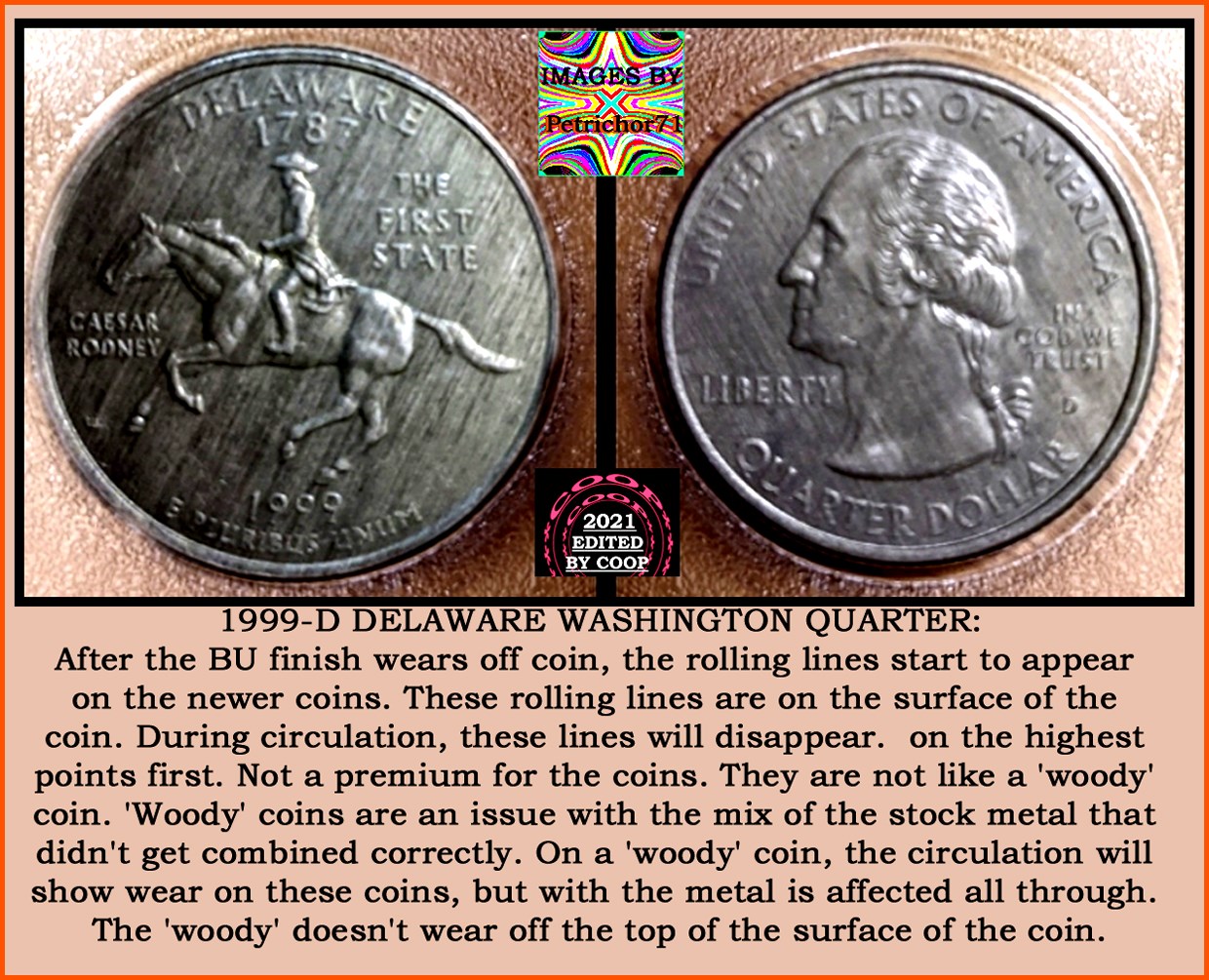 |
| |
Replies: 55 / Views: 5,254 |








 First Page


 Posted 11/24/2021 05:12 am


