| Author |
 Replies: 10 / Views: 746 Replies: 10 / Views: 746 |
|
|
Valued Member
United States
367 Posts |
I cherry picked this Wheat cent at a California coin show, as I needed an upgraded 1945-S for my collection. When I got home and examined it under my microscope, I discovered the coin has 3 unusual "circles" located on the obverse perimeter. Are these likely strike throughs, or something else? Also, there is a nice die chip on Lincoln's shoulder. 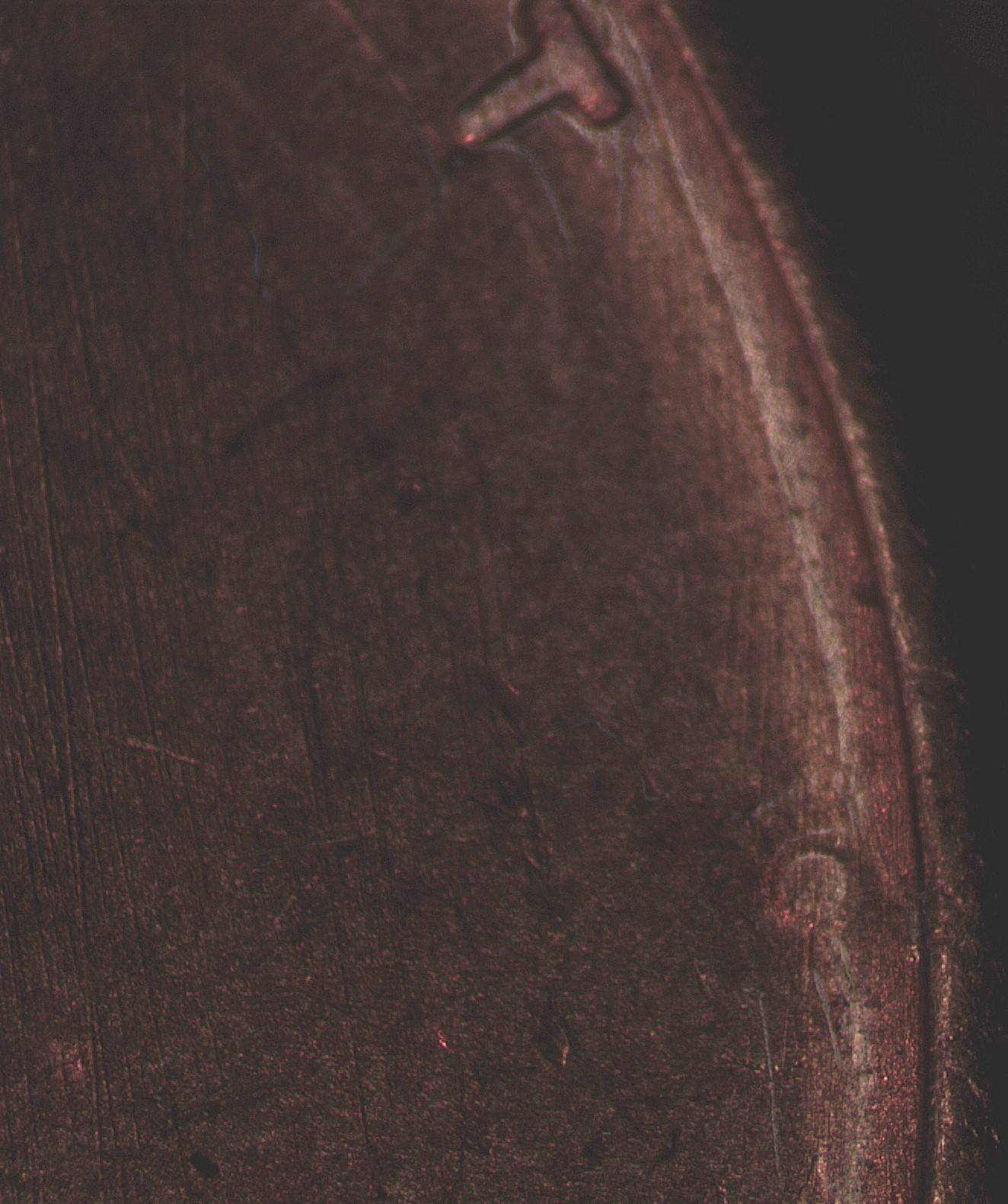 This is the "circle" on the right side perimeter. 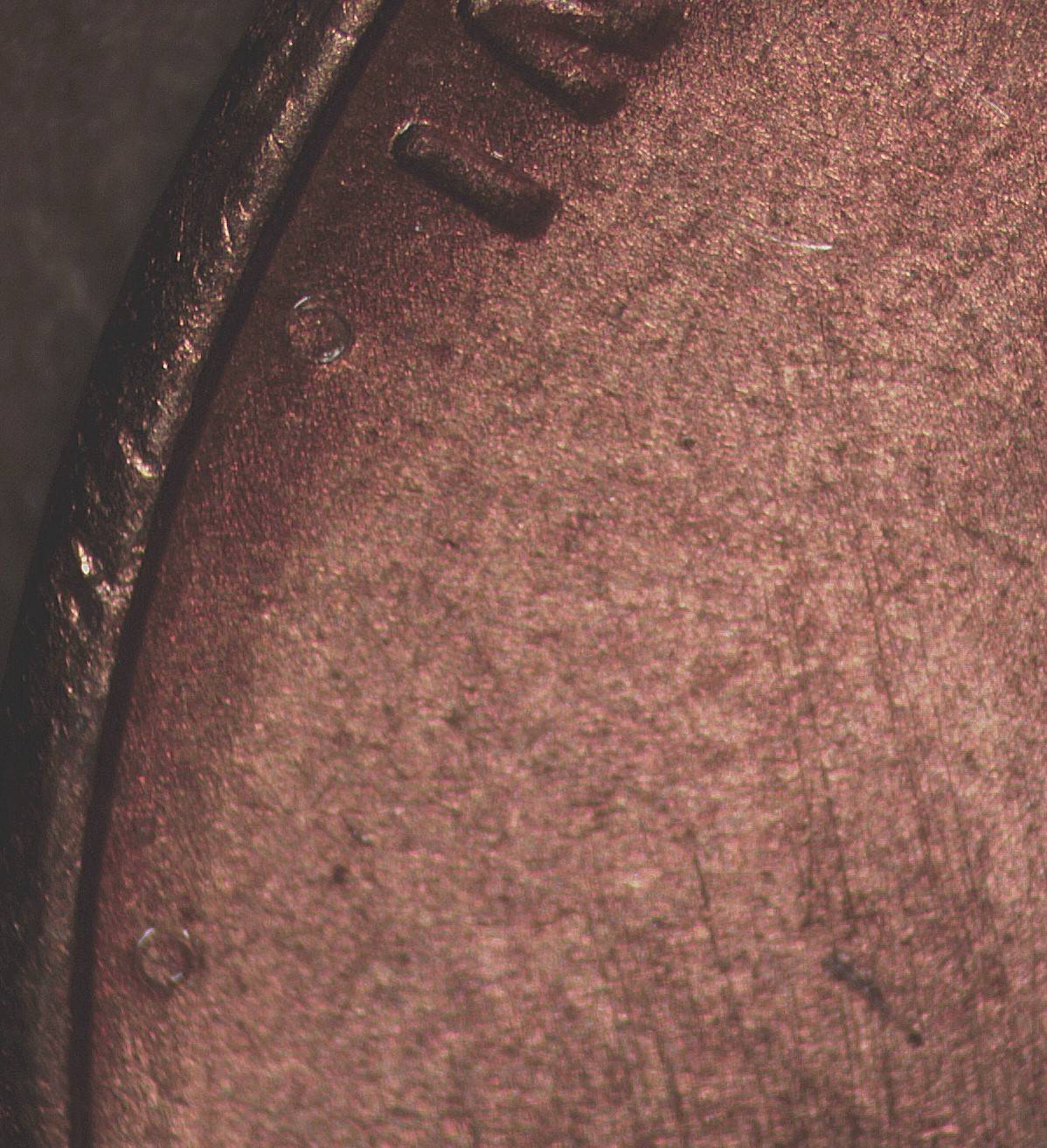 These are the other two "circles" on the left side perimeter. 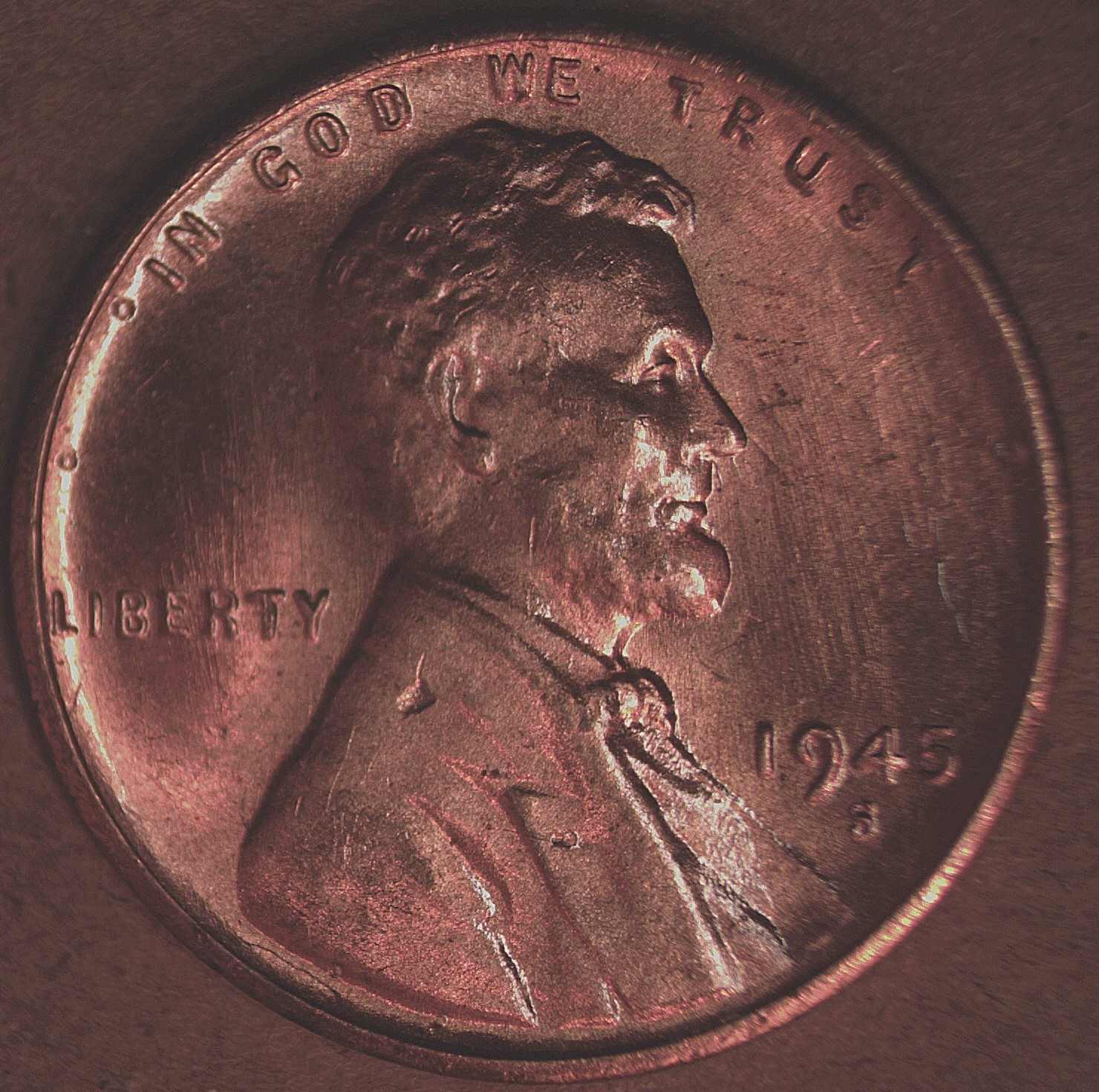 All three "circles" are visible on the full obverse photo. 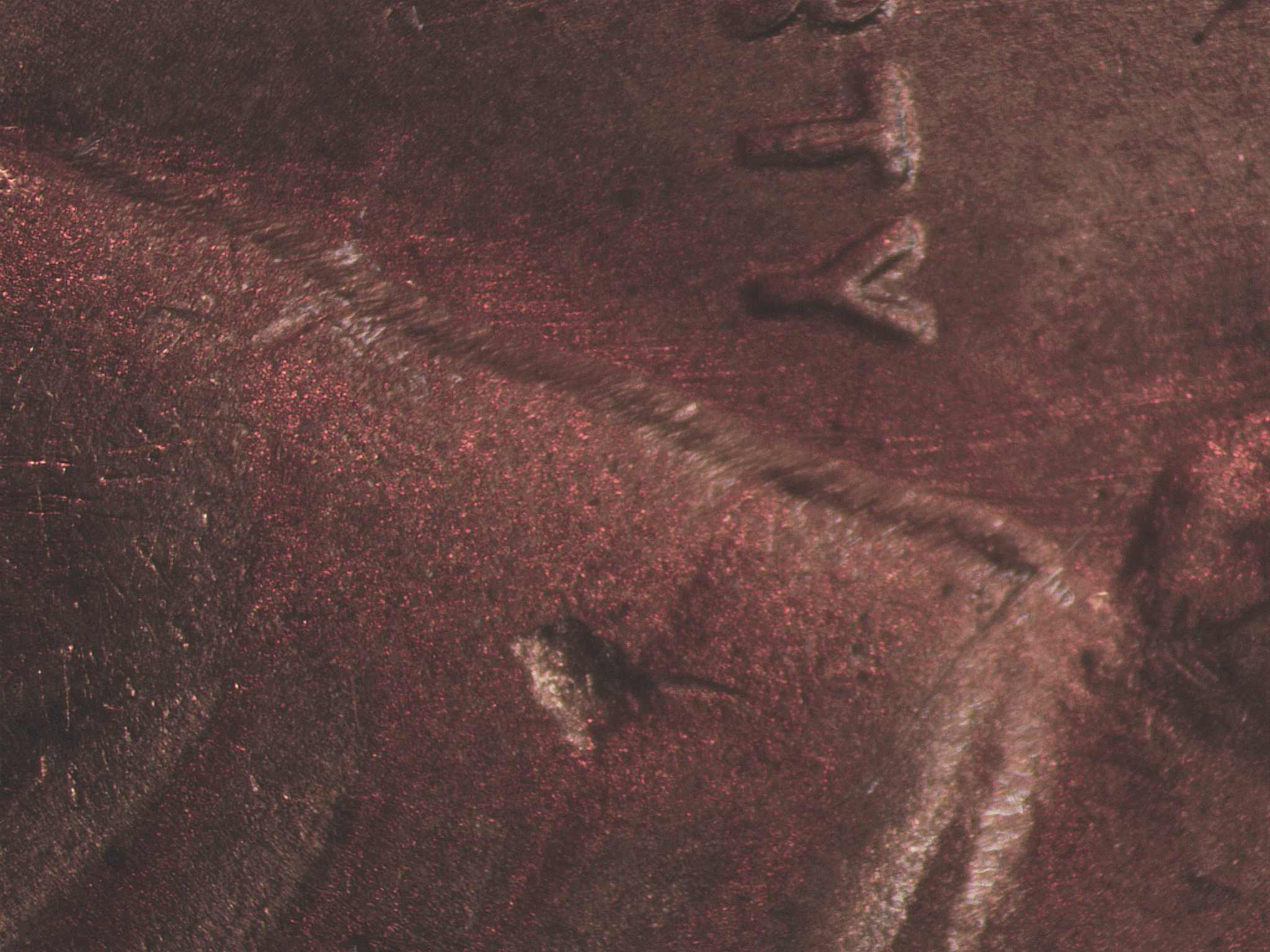 Die chip on coat. Any help in identifying the "circles" will be appreciated so I can properly label it for my collection. Thanks. |
|
|
|
Valued Member
 United States
367 Posts |
 Still hoping for some expert help. I am wondering if these "circles" may be metal shavings which were struck into the coin. Such errors have been documented on other coins and are discussed in error.ref.com. https://www.error-ref.com/struck-th...t__shavings/ |
|
Valued Member
United States
366 Posts |
Is that Butter or Plain Popcorn? They aren't complete circles, they are coils, or curls. Like a metal shavings perhaps they actually look like a hair.
|
|
Valued Member
United States
366 Posts |
Picture 2 top "circle" mark in question, it's a curl. It's the only one detailed enough to see. But I'd bet they all are curls. On second view of picture 2 bottom "circle" that is also a curl. You may be right.
Edited by NEWmrMatic
03/19/2023 9:49 pm
|
|
Valued Member
United States
367 Posts |
I like mine buttered.  Thanks for the response NEWmrMATIC. If these are curled metal shavings, I would think it quite amazing that there would be three struck on the obverse perimeter of one coin. |
|
Pillar of the Community
United States
6196 Posts |
No way to be sure from the images, but usually when there are little raised round circles near the rim it is from a thin coat of lacquer or similar. The coin is coated, and a couple bubbles form, and that's what you see after they pop and it hardens. Just something to check out.
|
|
Valued Member
United States
367 Posts |
Thanks tropicalbats. You may be right. If this coin is coated or "lacquered", is it recommended to try to remove the coating? Would a soak in acetone or some other solvent be worth trying?
|
|
Moderator
 United States
106878 Posts |
A soak in acetone might help, in my book a plated or coated coin is a damaged coin in my book. Is that 'chip' on the coat raised or incuse? (to me it looks incuse)
|
|
Valued Member
United States
367 Posts |
Dearborn, here's a tilted side view photo of the die chip. The shadowing from the light reveals it is raised, not incuse. 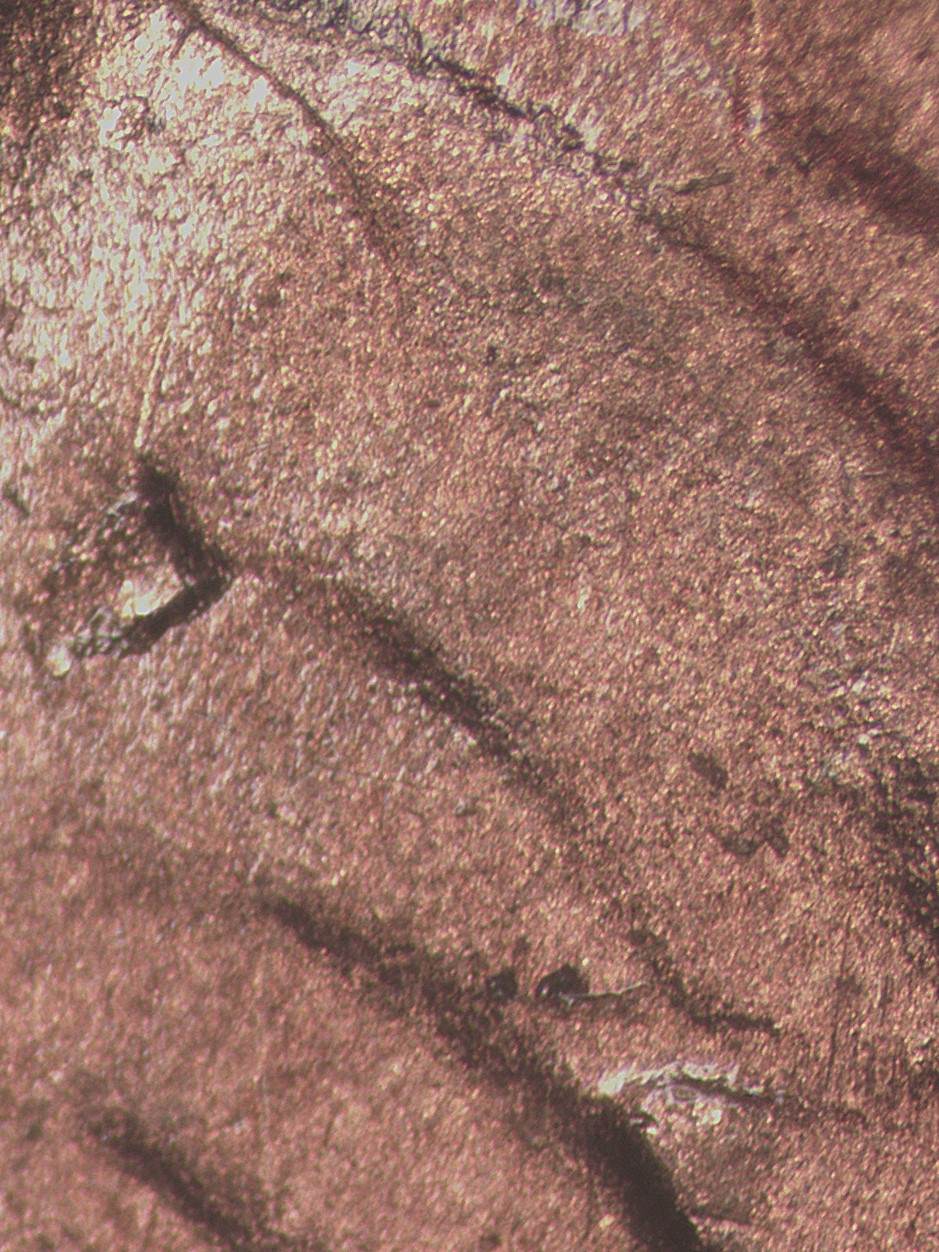 |
|
Bedrock of the Community
United States
62064 Posts |
Mark on the bust is incuse. So it is just damage to the coin. (Note the light direction is opposite, the other raised devices. (just that you would see on an incuse damage on the coin. Note on the third image of the date:
On the date, the devices are showing reflection the right side of the devices. On the bust it is reflecting on the left side,because it is incuse on the coin.
|
|
Valued Member
United States
367 Posts |
Coop, you are correct. Thanks for your input. The shadowing tricked my eyes--- Not a die chip. Oh well, with the damage it's not worth taking the trouble to soak the coin to see if the coating can be removed. I can understand now why the coin looks so great--shiny red--because it was likely lacquered. Chalk it up as another valuable learning experience!  |
| |
Replies: 10 / Views: 746 |
|







 Posted 03/19/2023 9:45 pm





