| Author |
 Replies: 2,033 / Views: 68,614 Replies: 2,033 / Views: 68,614 |
|
|
|
Bedrock of the Community
 United Kingdom
18093 Posts |
Great coins everyone! In 1976 the Spanish Mint issued the first coins for King Juan Carlos I. They bore the King's accession date 1975, along with the actual year of minting inside six-pointed stars. The 50 centimos and 1 peseta coins had the same reverse designs as the last coins issued under Francisco Franco. The 1 peseta was issued with the same reverse design each year until 1980, but rising inflation meant that the 50c was falling out of use. Only one further issue was made, in 1980, and that coin bore a commemorative design for the 1982 Soccer World Cup. So the 1975 (*76) 50 centimos is a one-year type: 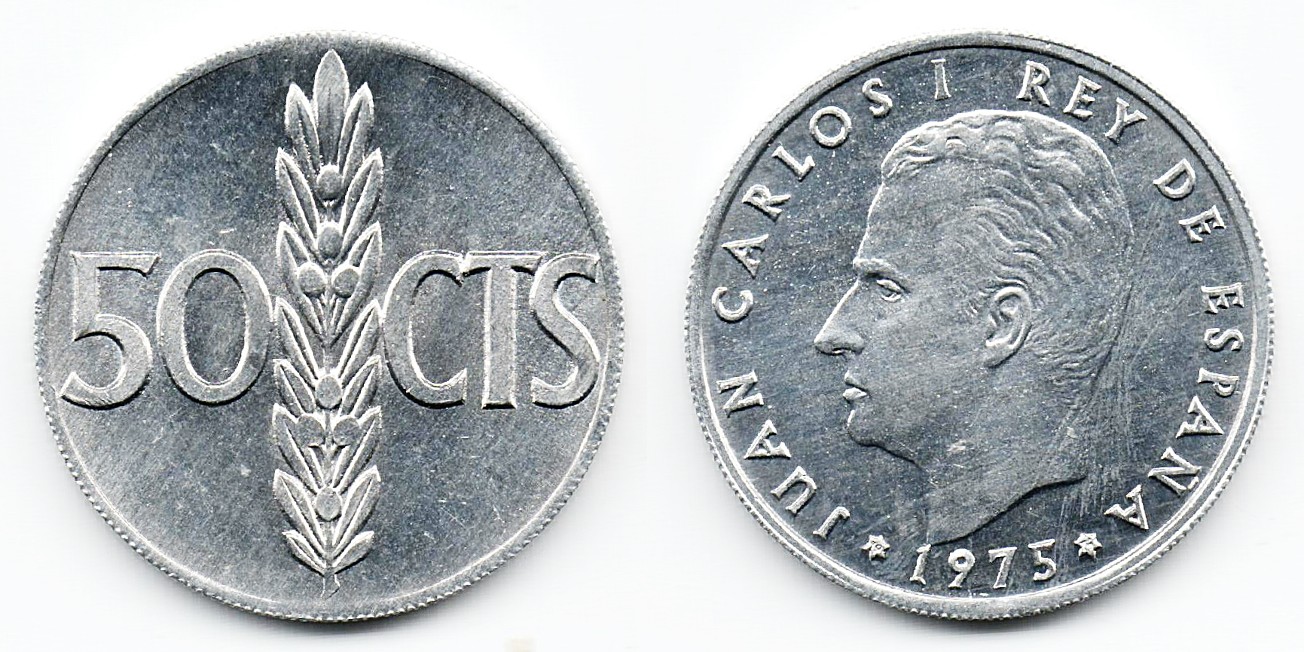 Edited by NumisRob
12/05/2023 07:57 am
|
|
Moderator
 United States
191802 Posts |
Great looking examples!  |
|
Pillar of the Community
United States
2983 Posts |
Here is one of a few of mine that is a one year type: Mexico 1935 50 centavos, at that unique percentage of 42% silver... 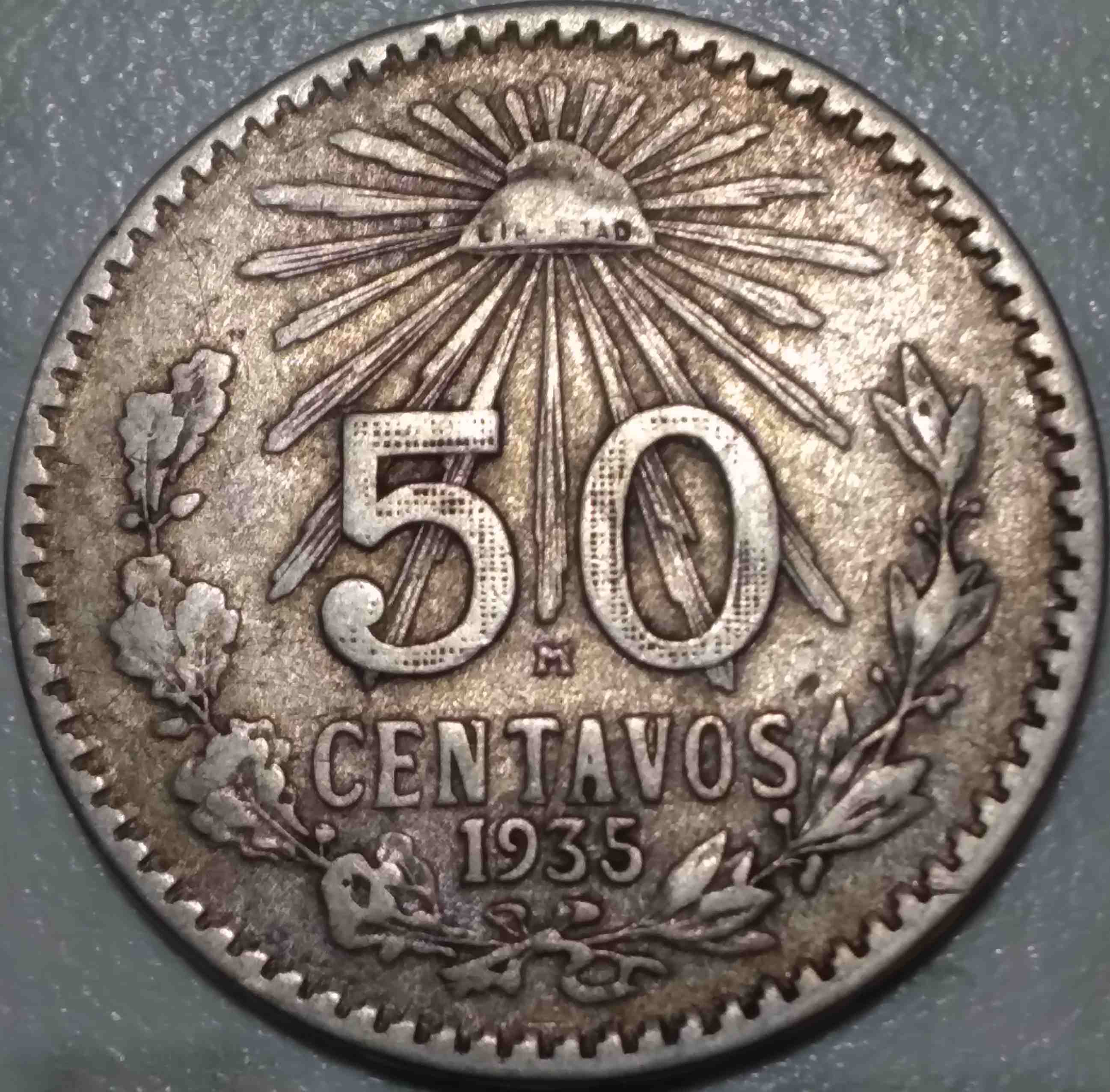 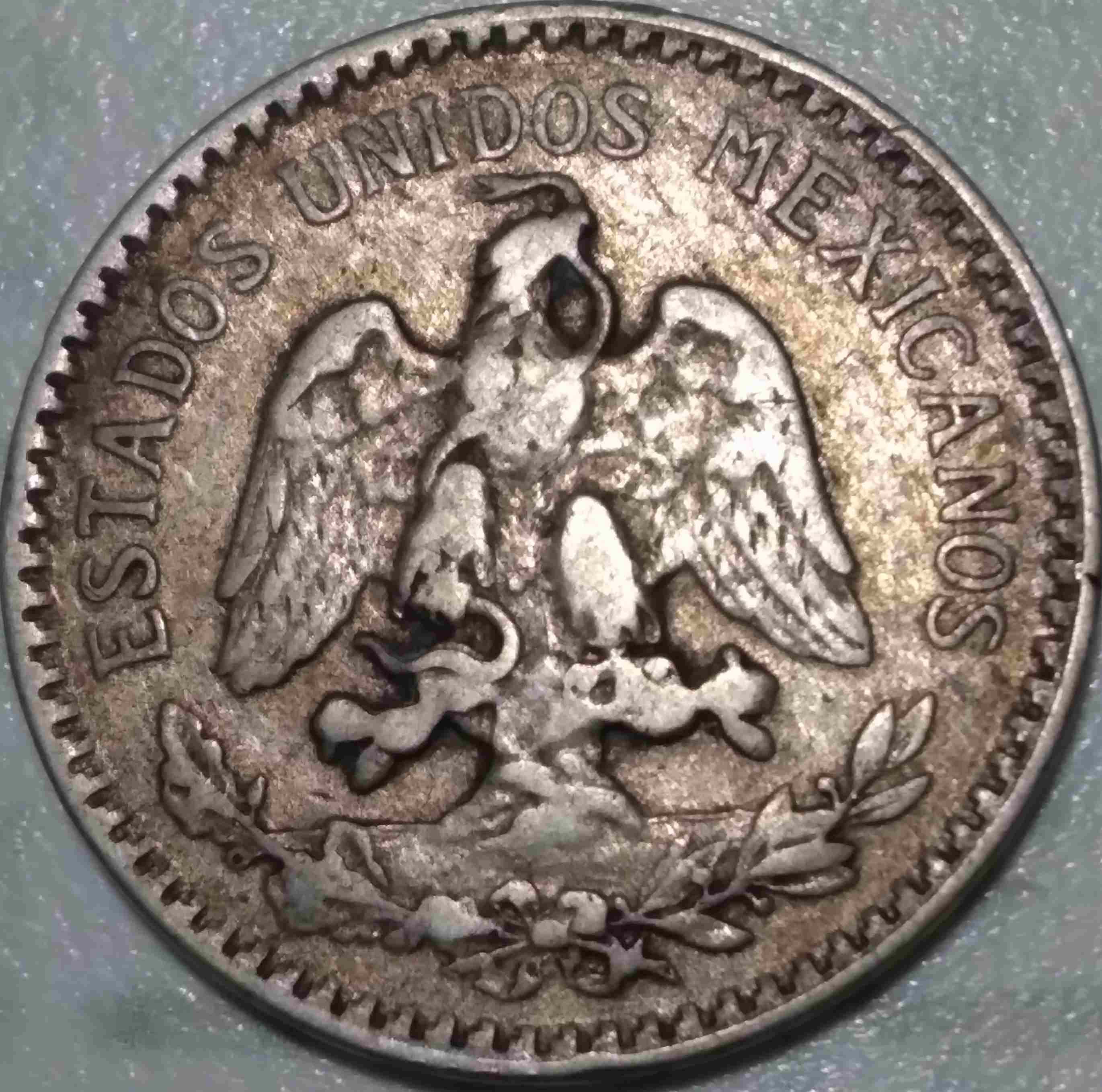 Mexico minted over 70 million of these, so not a rare coin, but obtainable.  Edited by mrwhatisit
12/05/2023 1:01 pm
|
|
Pillar of the Community
United States
4233 Posts |
I suppose this fits, considering the first post is also about a minor modification for strike reasons. In 1892, Charles Barber introduced new US coin designs for the dime, quarter, and half dollar. For the quarter, it was quickly discovered that the quarters did not stack properly. (Why they didn't test this first, I have no idea). As part of solving this problem, a new reverse design was implemented. 1892 therefore has two types, Reverse I and Reverse II, and Reverse I only exists for 1892. Some collectors like to get both (I did). Both types are easily found, as many were saved due to the new design. 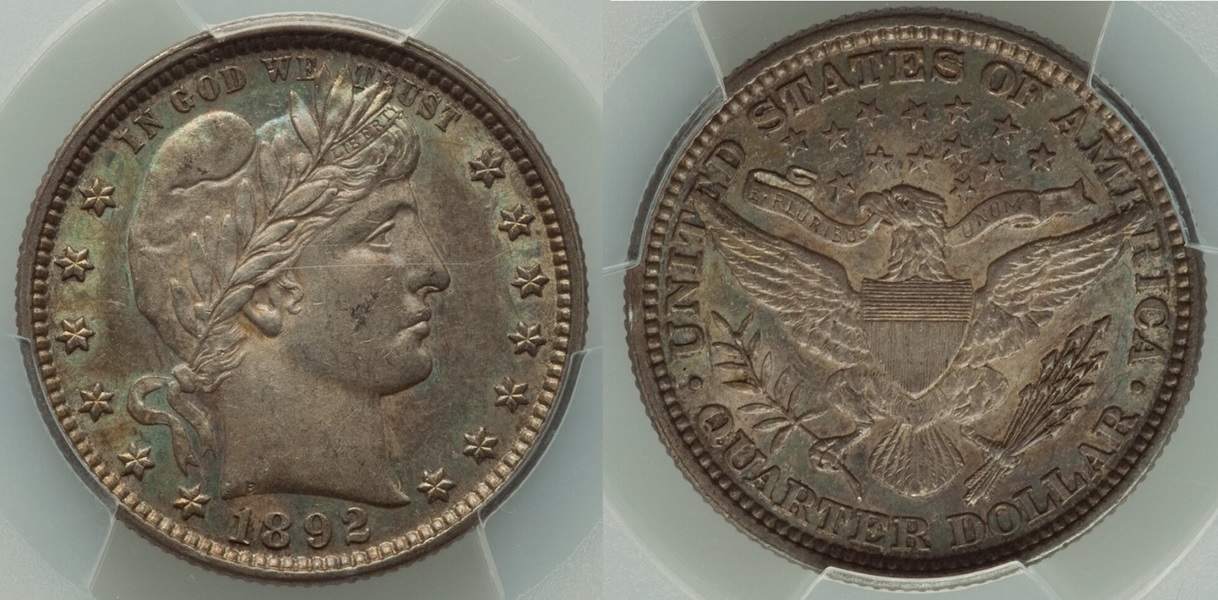 The differences are minor but easily seen. The stars were rearranged, and both wing tips changed slightly in the amount they cover the letters E and R. 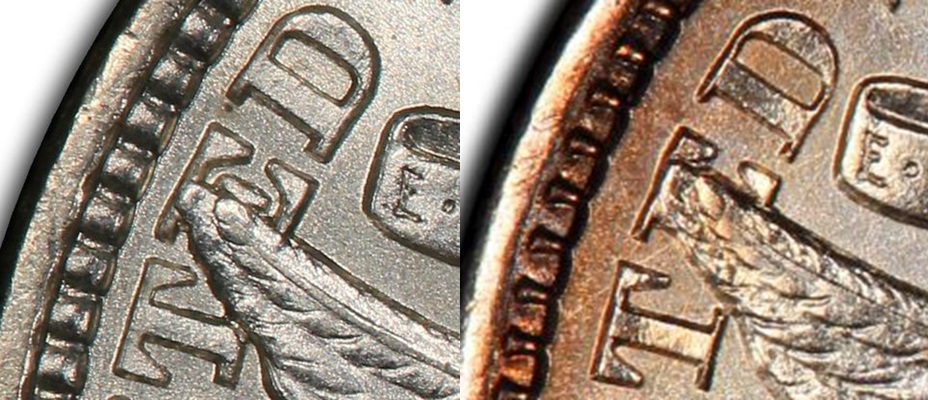 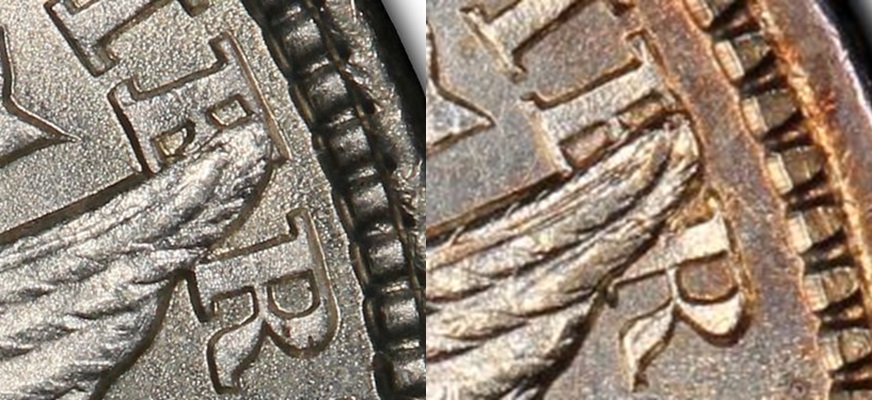 |
|
Moderator
United States
191802 Posts |
Interesting examples! |
|
Bedrock of the Community
United States
26356 Posts |
Good information and beautiful coin, kbbpll!
Inordinately fascinated by bits of metal with strange markings and figures
|
|
Bedrock of the Community
United States
76352 Posts |
Great info kbbpll. Errers and Varietys.
|
|
Pillar of the Community
Australia
9588 Posts |
1952 Laos 10 cents 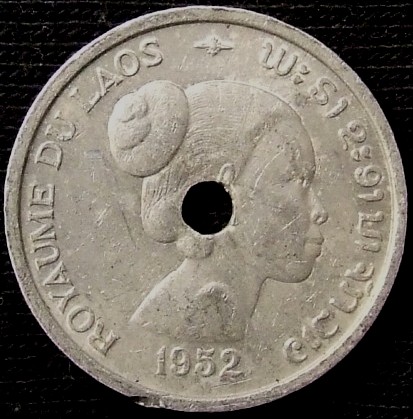 1980 Laos 10 att 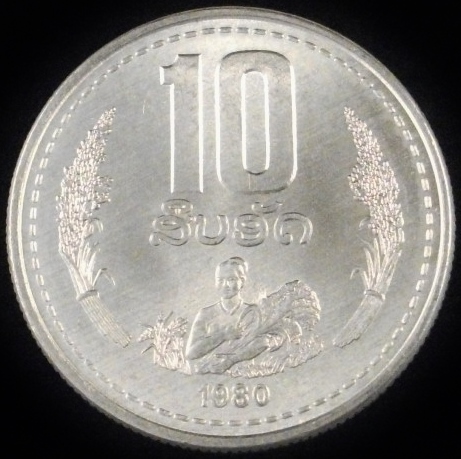 |
|
Moderator
United States
191802 Posts |
Quote:
1952 Laos 10 cents Quote:
1980 Laos 10 att Nice pair! |
|
Bedrock of the Community
United States
76352 Posts |
Very nice triggersmob. Errers and Varietys.
|
|
Pillar of the Community
United States
4233 Posts |
This one is really obscure, but is another Barber quarter one-year type. It was well-known that both the obverse and reverse hubs changed in 1900, and continued through the end of the series. The most obvious obverse change is characterized by a change to the inner ear. However, the obverse actually changed twice during 1900, resulting in three types, all used during 1900. The ear change was first accompanied by a middle crossbar in the W, and then modified so that the W crossbar disappeared. Other tiny changes were made to the serifs of R and both T's, the latter becoming "stubby." I discovered and published this in BCCS journal a year or two ago. The transitional "new obverse with crossbar W" only exists in 1900, and the "missing crossbar" type finished out the series. With three obverse and two reverse types across three mints, there are 18 possible combinations in 1900. Only 15 combinations are known. No idea why Barber messed with the obverse hub twice in one year. Here is my 1900-P Obverse 2 over Reverse 3, the one-year type. 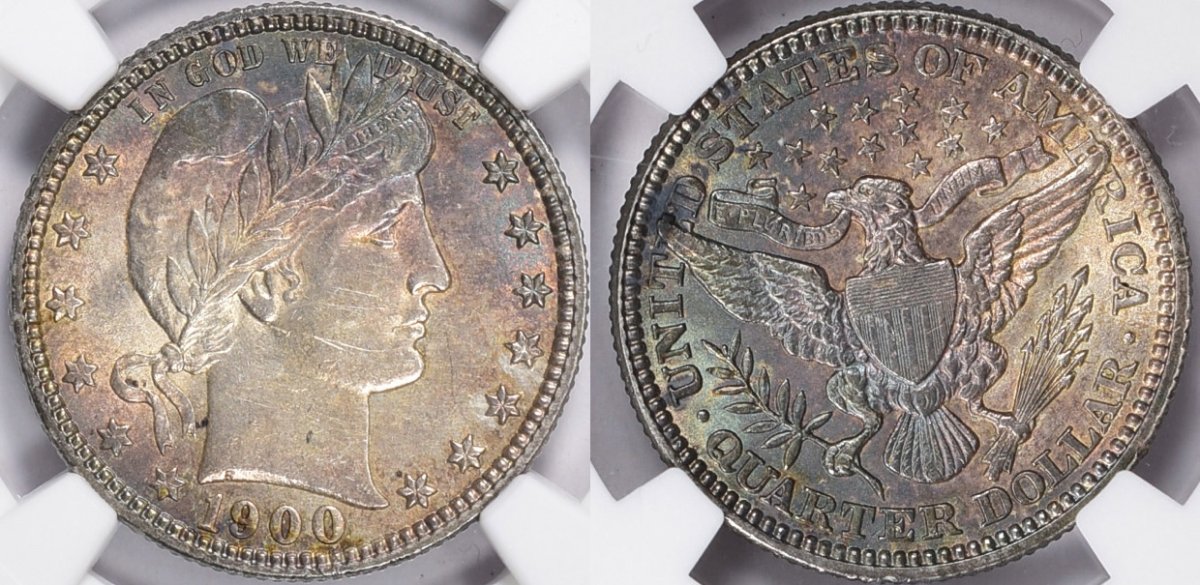 The three types for 1900. 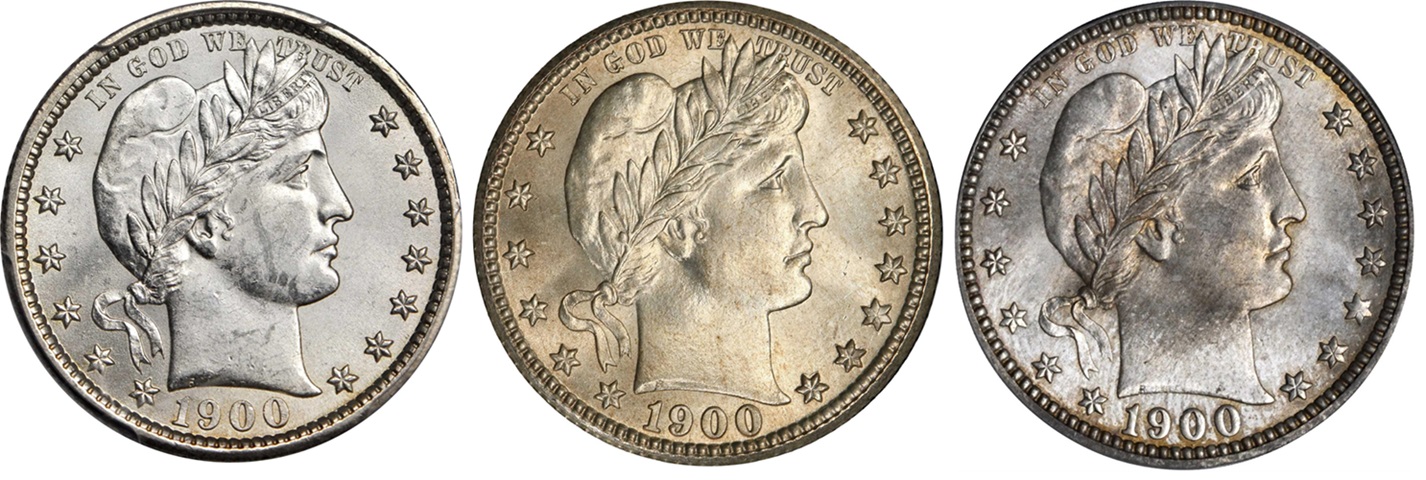 The pickup points to distinguish the tiny changes. 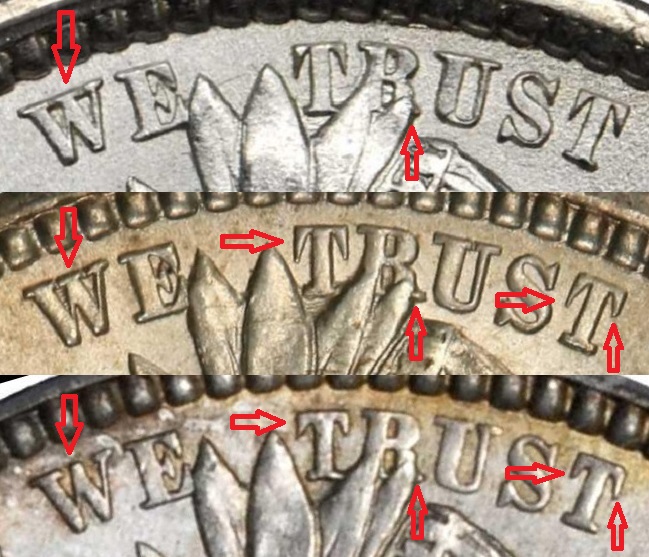 |
|
Moderator
United States
191802 Posts |
Very interesting! |
|
Bedrock of the Community
United States
76352 Posts |
Very interesting and great read! Thank you kbbpll!
Errers and Varietys.
|
|
Bedrock of the Community
United States
26356 Posts |
Excellent, kbbpll! I've learned more about Barbers from your posts than I already knew (which admittedly is very little).
Inordinately fascinated by bits of metal with strange markings and figures
|
|
Pillar of the Community
Australia
9588 Posts |
Yugoslavia through the ages... 1920 Kingdom of Serbs, Croats & Slovenes 25 para 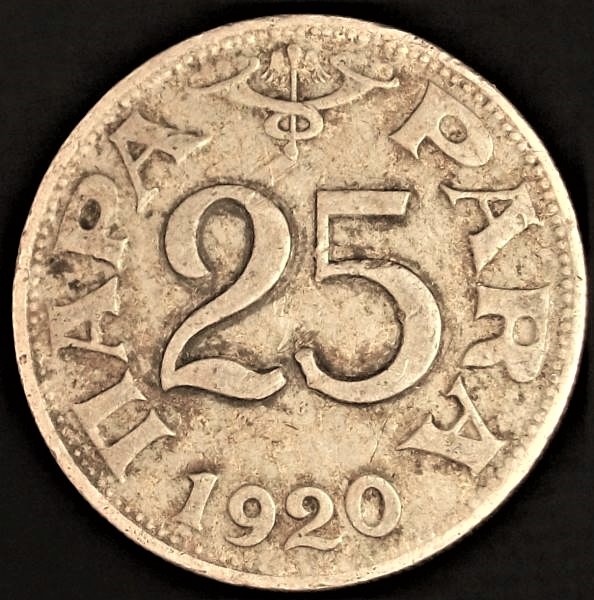 1938 Kingdom of Yugoslavia 1, 2 & 10 dinara 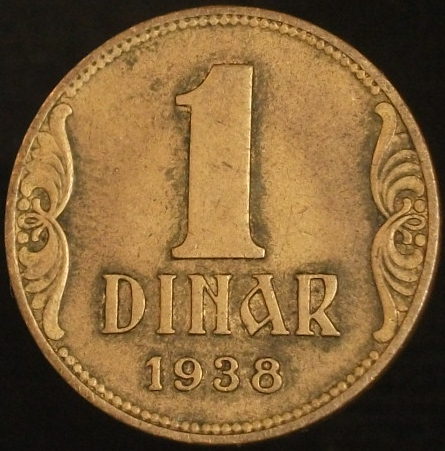 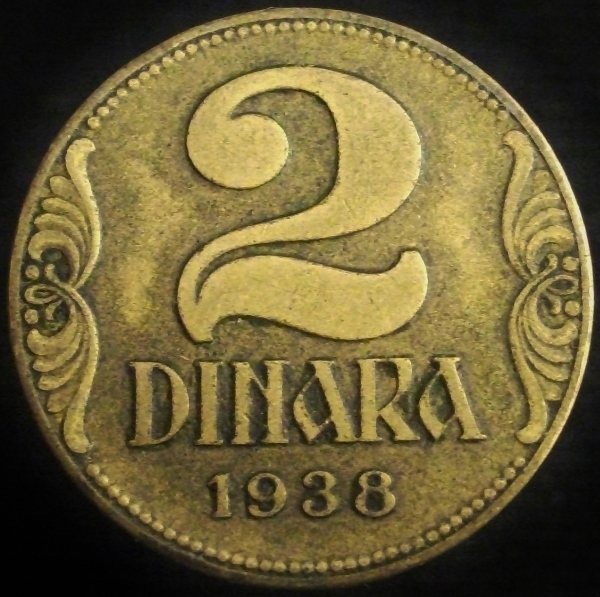 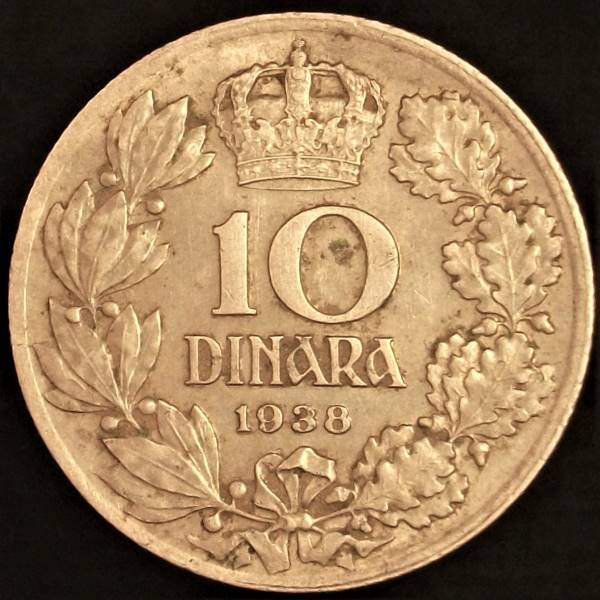 1945 Democratic Federal Yugoslavia 5 dinara 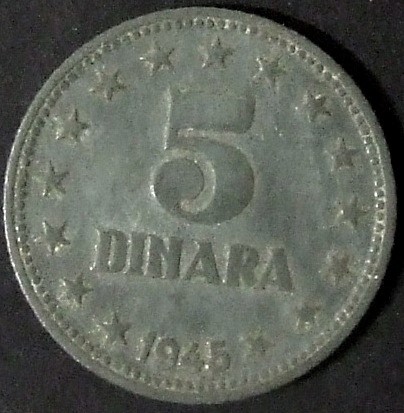 1953 People's Federal Republic of Yugoslavia 50 para, 1, 2 & 5 dinara 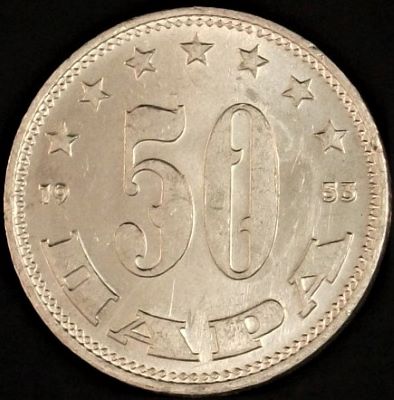 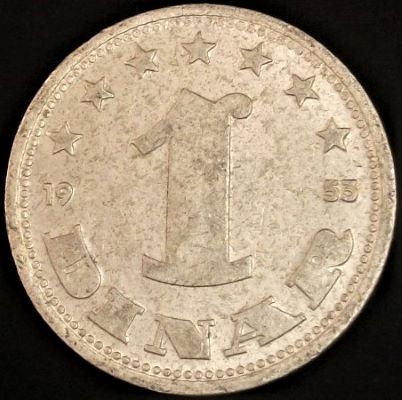 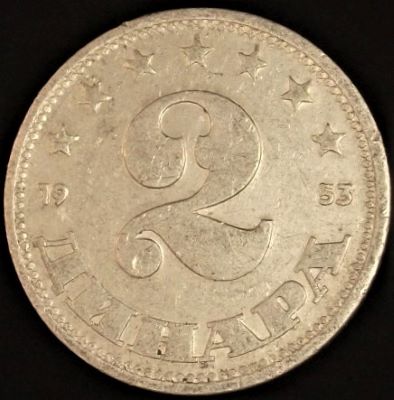 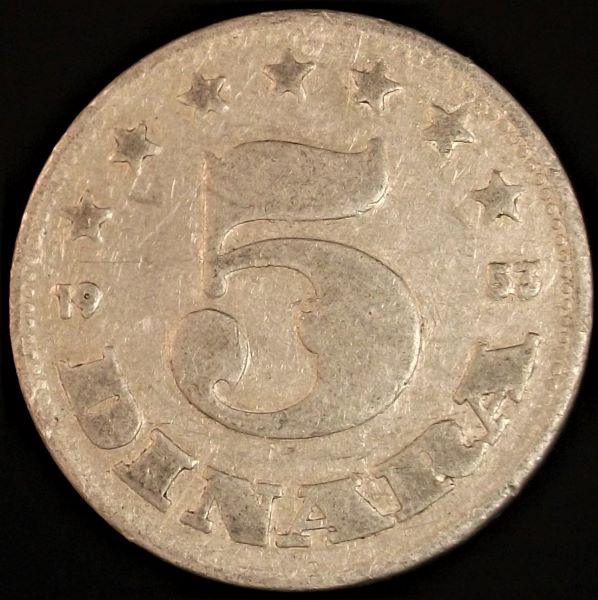 and 1955 10, 20 & 50 dinara 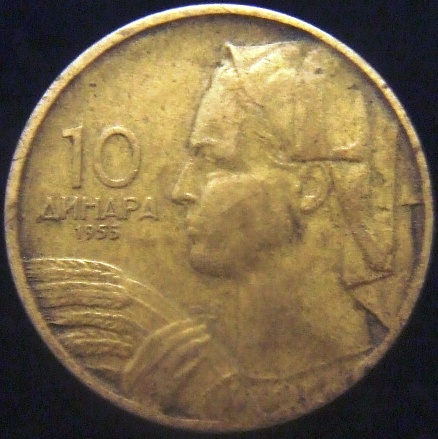 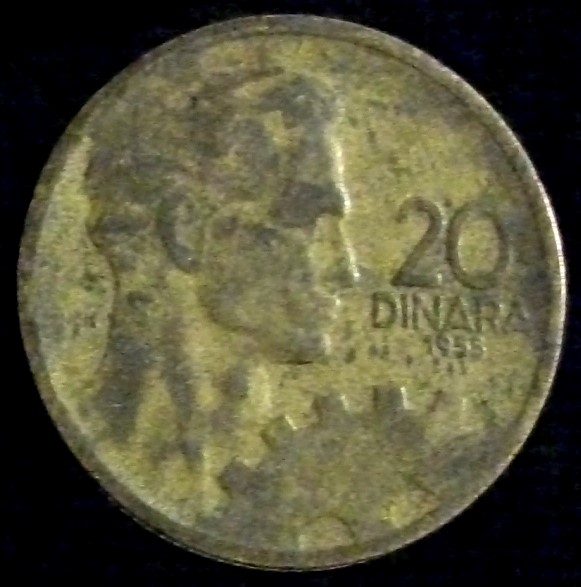 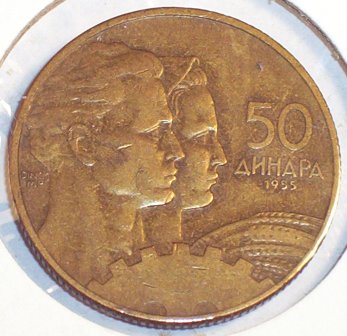 1963 Socialist Federal Republic of Yugoslavia 2, 5 & 10 dinara 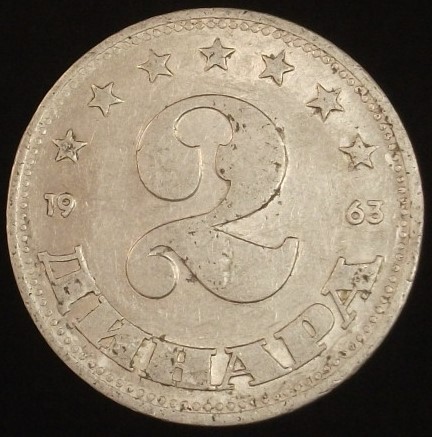 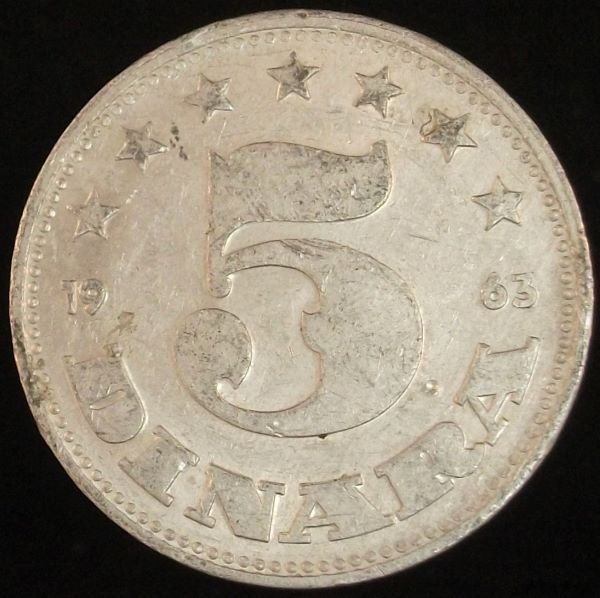 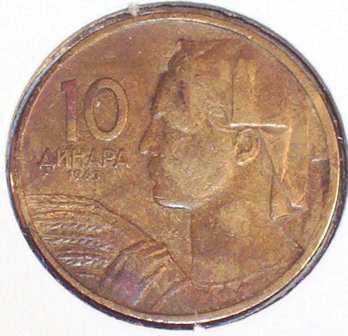 1965 1 dinar 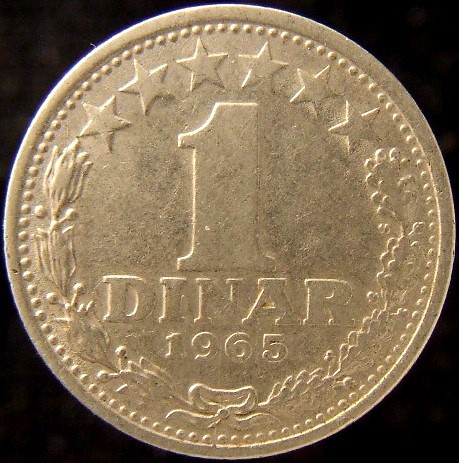 1968 1 dinar 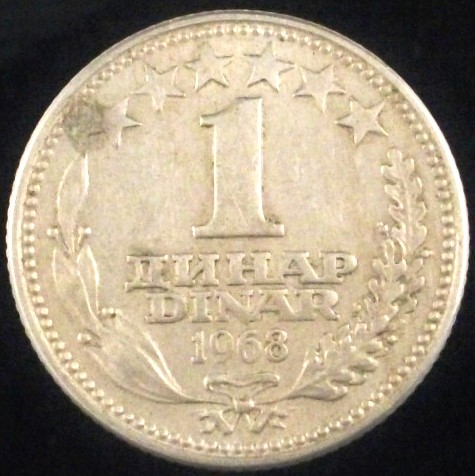 1994 Federal Republic of Yugoslavia 50 para (small) 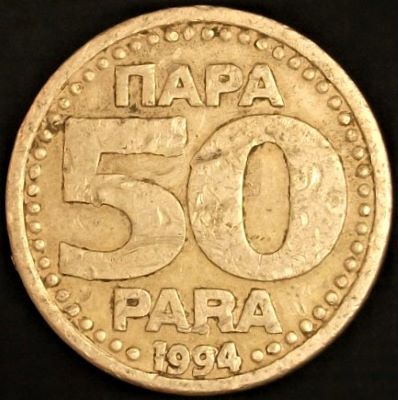 1995 10 & 50 para (large) 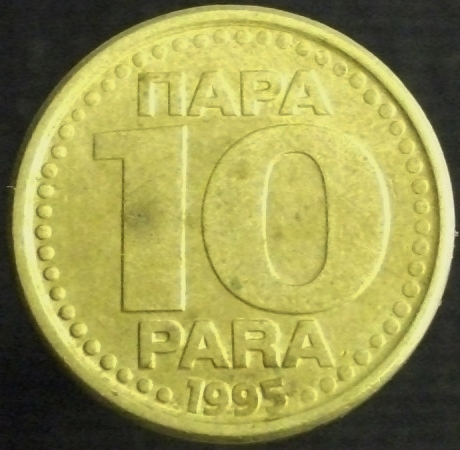 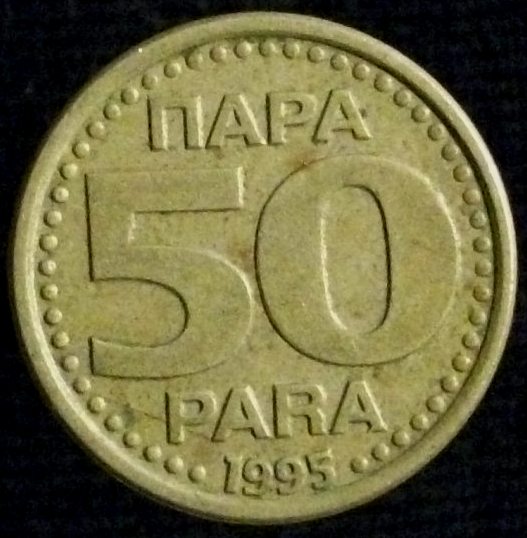 |
| |
Replies: 2,033 / Views: 68,614 |







 First Page
 Previous Page


 Posted 12/05/2023 12:29 pm





