|
This page may contain links that result in small commissions to keep this free site up and running.

Welcome Guest! Registering and/or logging in will remove the anchor (bottom) ads and the security checks. It's Free!
To participate in the forum you must log in or register. | Author |
 Replies: 9 / Views: 3,536 Replies: 9 / Views: 3,536 |
|
|
Pillar of the Community
United States
1780 Posts |
I've created a template for 2 x 2 coin flips: 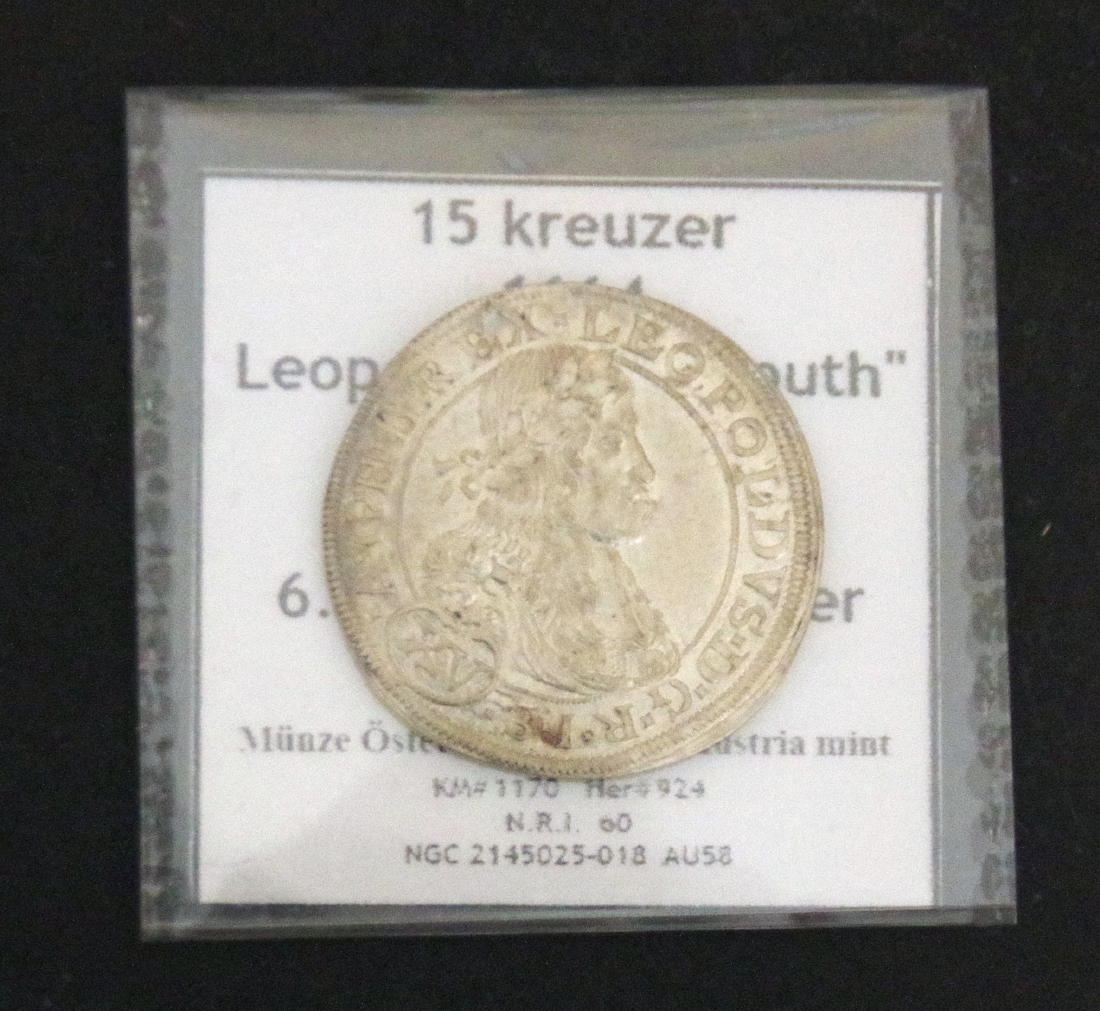 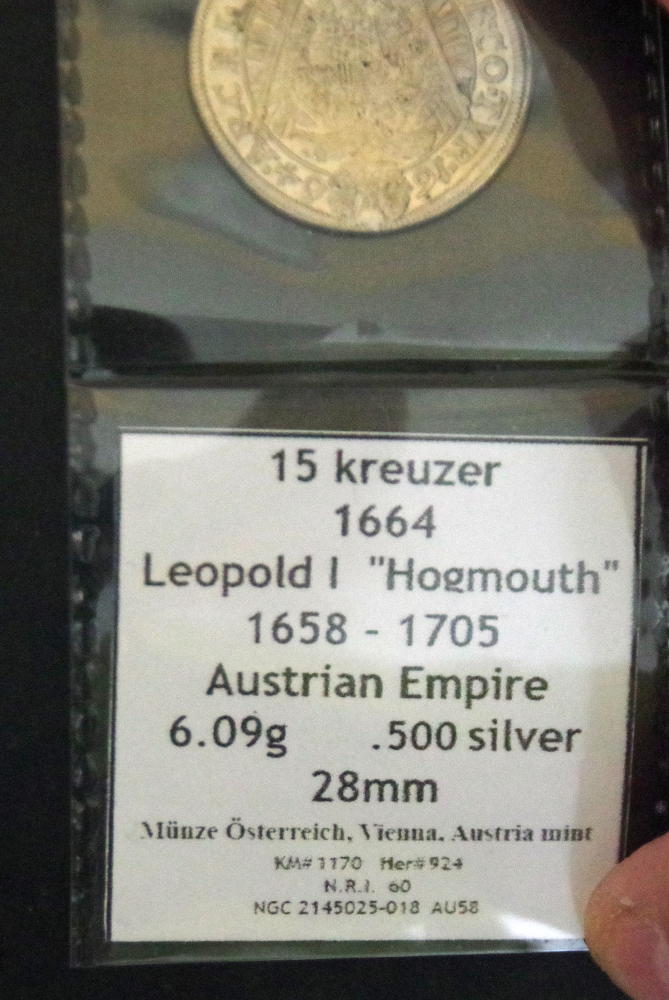 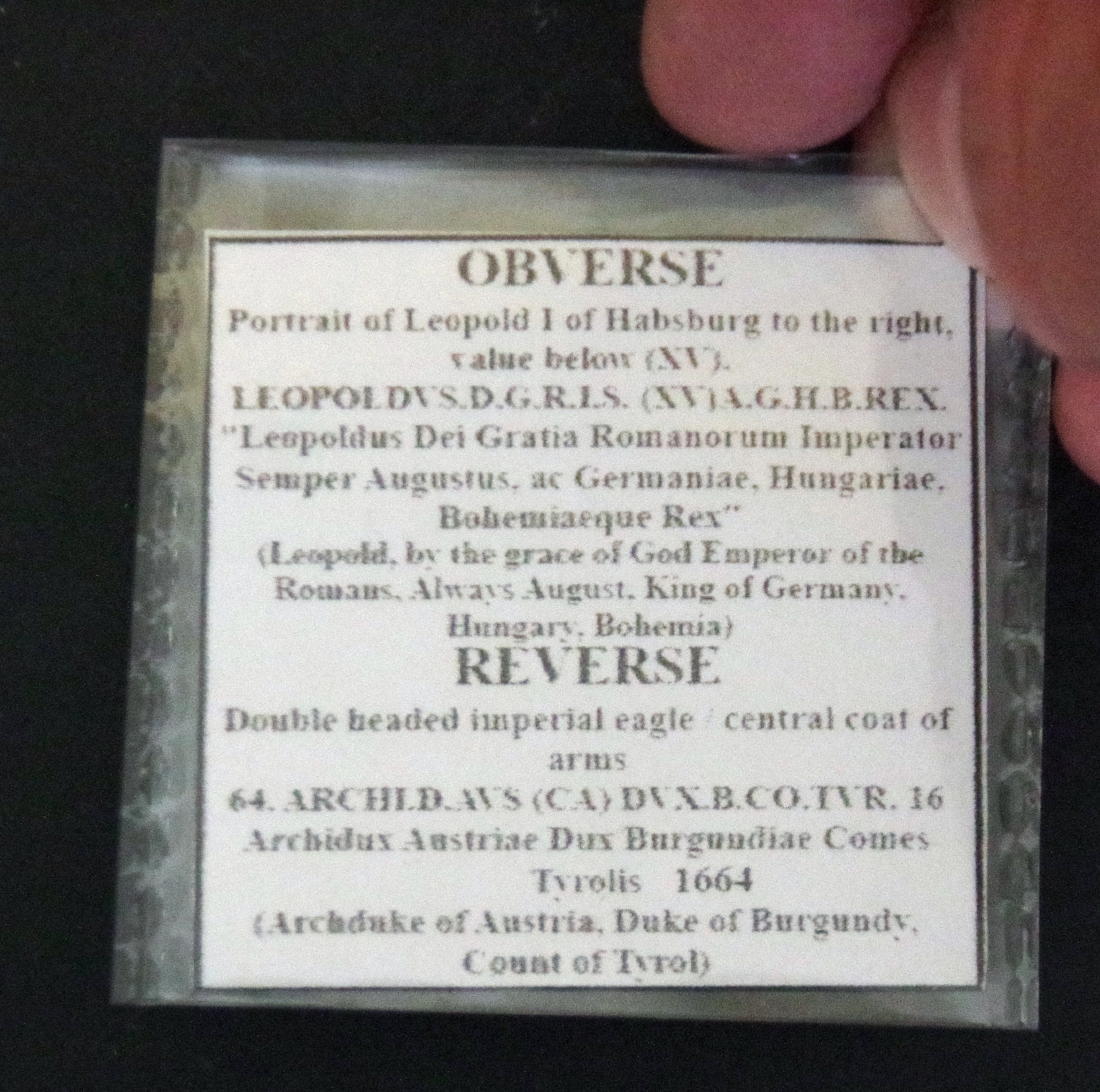 If you're interested, I'll email you a blank copy, so hit me up & I'll send ya one ... Here's how I work it ... I open the blank template into my Microsoft " PAINT" program, & select a font (Arial Black, bold prints well & gives good visibility...). 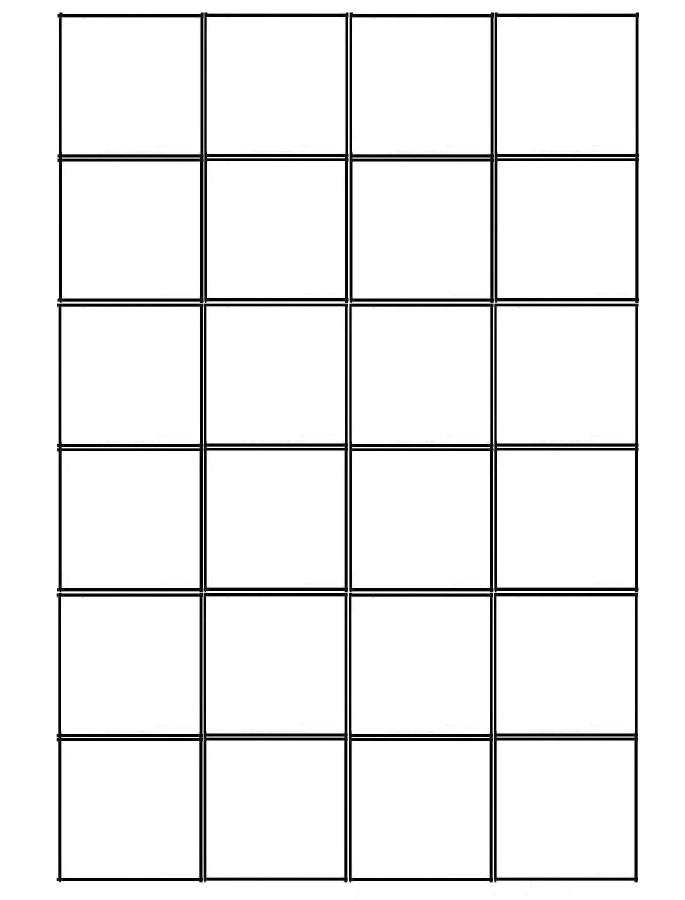 I enter whatever info I wish, using two spaces, folded, to create a front & back, & use scissors to clip the individual inserts. They look like this ready to clip: 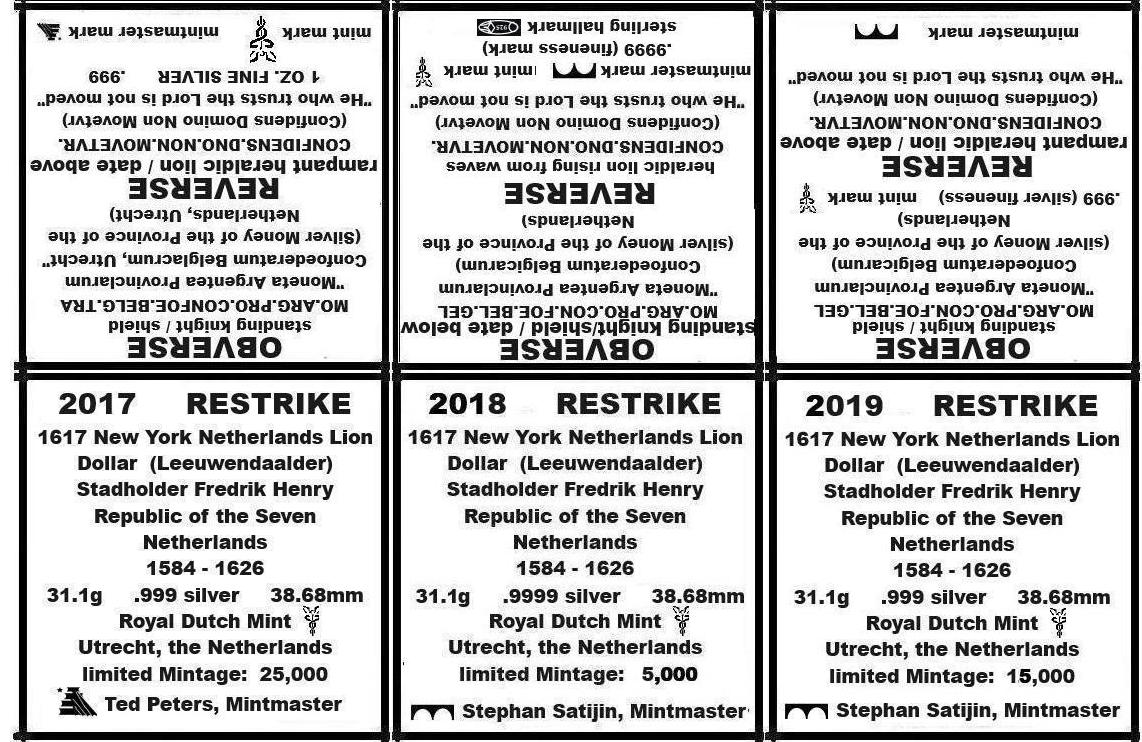 ...& look like this clipped & ready to insert: 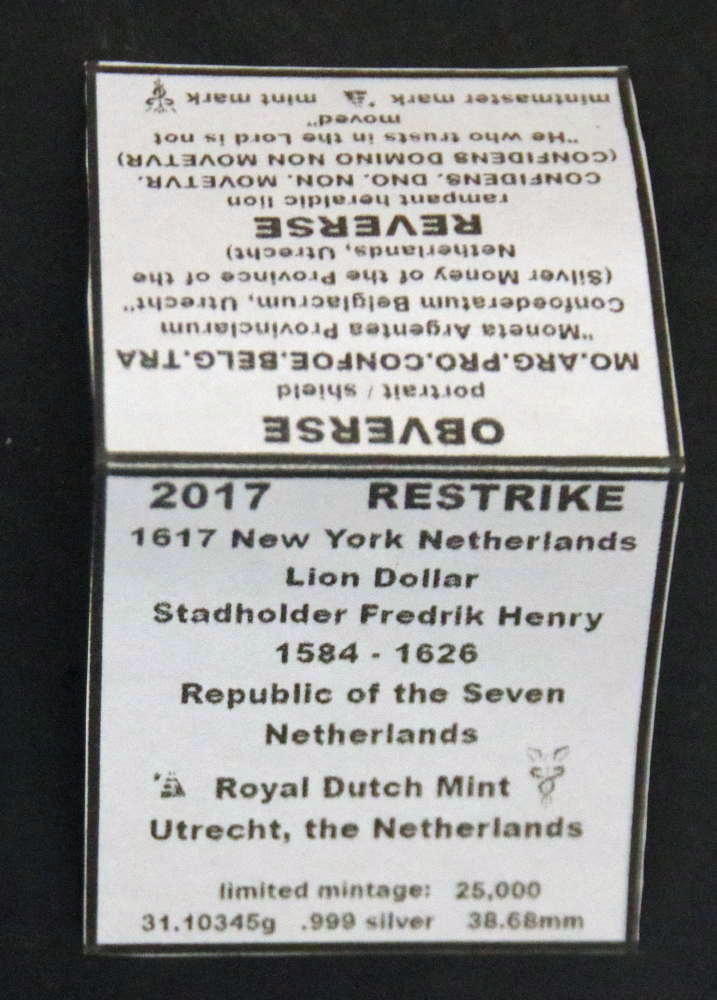 ...This is time-consuming, but I find it satisfying to do the study, & I've got some info with my coins. ...the inserts are regular printer paper ... easily folded & inserted with tweezers, & display nicely. ..If this is of any interest to anyone, I'll share more info if you need ... you'll need a printer & a rainy day ... my email is posted on this site ... |
|
|
|
Moderator
 United States
34570 Posts |
@mrw, I've moved your thread over here to the supplies subforum, but am open to moving back to main if you feel strongly that it should be over there.
I really like what you are doing here with this template--well done. A couple pieces of information that I also try to include is the amount that I paid for the coin and its provenance (if I know any of it).
"If you climb a good tree, you get a push."
-----Ghanaian proverb
"The danger we all now face is distinguishing between what is authentic and what is performed."
-----King Adz
|
|
Pillar of the Community
 United States
1780 Posts |
thanks @Spence & that additional info is a great idea ... this location is fine ...  |
|
Moderator
United States
197705 Posts |
Looking good! |
|
Moderator
United States
109634 Posts |
very cool, thanks for your work on this and making it available.. |
|
Moderator
Australia
17025 Posts |
These flips look great, and if they work for you, even better. The layout isn't quite my cup of tea, and that's primarily because of what and how I collect, rather than any flaw in the OP's system.
Here's my personal attitude when making flips:
For the "front" side of the flip - the side which you're likely going to be reading through three pieces of plastic and (normally, when the flip is closed) you're peering around a coin in order to read, I try to keep it simple essential details, and also try to keep all that information up the top of the flip and around the margins - where I can still read it without having to open the flip to get the coin out of the way. Having the big bold, serif-less font is also important here, due to that reading-through-layers-of-plastic thing.
Your very first picture is a good illustration why I do it this way. If this were my coin, just looking at that closed flip with a medium-sized coin in it, I can see it's a 15 kreuzer from somewhere, but I can't tell what country this coin is from - that information is hidden underneath the coin itself. So I can't tell which album I need to put it away again in, since my world coins are sorted alphabetically by country. Or if this flip is itself sitting like this in a coin album page; I'd need to take the coin out of the album, then open the flip up, just to see what country it's from.
So for me, that essential information is country at the top, then immediately below that the denomination (over on the left) and the year (on the right); if a mintmark is critical to note, then also the mintmark underneath the year. Bottom right in small print goes the price paid. Small, and slightly encoded, just because I'm often showing these coins at coin club meetings, where discussion of how expensive or valuable coins are is generally discouraged.
The exceptions to this "keep it simple" rule tend to be my ancient and mediaeval coins, because (a) they're normally physically smaller, so don't block the view so much, and (b) they're much less intuitive for a modern English-only person like me to interpret at a glance.
On the back of the flip is where I cram the other details: reference catalogue numbers, my personal database number, provenance, and (crucial for quality control) the date on which I put that coin in that flip, if that date was some other date than the date I bought it or received it. That way, if I happen to buy a bad batch of flips , and if I notice some time later a coin starting to turn bad inside a flip, I want to know how long it's taken for it to get like that, and what other coins I might have used that particular batch of flips on. Other pertinent information, such as it being a certain variety, would also likely go here on the back.
I tend not to include things like the identification of the people depicted on the coin, the obverse legends, and other information I can more easily glean either from looking at the actual coin or looking the coin up in a book or online. After all, the coin is literally sitting right there next to the flip. I'd only include such information on the flip if the coin was too badly worn or damaged for this information to be readable on the coin itself. And I also don't tend to include things like weight, fineness, mintage, designer, rarity or such. All that information can go in the database, if I think it necessary, otherwise I can just look it up if I need to know such things.
The general principle of "keep text away from the centre" also lends itself to employing the exact same annotation system for coins that are sitting in cardboard 2x2s. In my albums, coins might be in 2x2s, they might be in flips - and this way, I can still look in the same place at a coin, and find the information I need, whether it's in a 2x2 or a flip. At one stage, I was even taking a picture or scan of one side of the coin, and including that in the centre of the back of the flip, just so the coin album page all looked consistent - but I gave up on that as it's a lot of effort just for a cool aesthetic.
All that being said, the OP's system with all of this information can also double-up as an excellent "record of the collection", either printed out or just saved on the computer and stored online. You can look through your set of flips, without actually having to go and get the actual coins - which is great if your coins are in a bank deposit box or otherwise inconvenient to get to. Though if it's going to have this dual-purpose, you might want to avoid using the half-the-info-is-upside-down format, as that's hard to read. Back when I was printing out a lot of my own flips, I was printing double-sided and printing on thicker cardboard. But the folded paper option is certainly a much cheaper and easier option for actually making flips.
Don't say "infinitely" when you mean "very"; otherwise, you'll have no word left when you want to talk about something really infinite. - C. S. Lewis
|
|
Pillar of the Community
United States
1780 Posts |
@Sap...You make some salient points, Sap ... very good suggestions ... Critique is welcome & encouraged ... thanks for you observations & ideas ... Edited by mrwiskers
05/02/2024 06:18 am
|
|
New Member
United States
1 Posts |
I am interested in the 2x2 template, however, I cannot email since I have a new account. Are you able to share that with me? I have email active, Thank you!
|
|
Moderator
United States
197705 Posts |
 to the Community! |
|
Moderator
United States
109634 Posts |
to CCF @:1awesomefuture |
| |
Replies: 9 / Views: 3,536 |
|
To participate in the forum you must log in or register.
Disclaimer: While a tremendous amount of effort goes into ensuring the accuracy of the information contained in this site, Coin Community assumes no liability for errors. Copyright 2005 - 2026 Coin Community Family- all rights reserved worldwide. Use of any images or content on this website without prior written permission of Coin Community or the original lender is strictly prohibited.
Contact Us | Advertise Here | Privacy Policy / Terms of Use
|
| Coin Community Forum |
© 2005 - 2026 Coin Community Forums |
| It took 0.57 seconds to rattle this change. |
 |
|
| |
| |




 Posted 04/30/2024 05:48 am


