| Author |
 Replies: 1,026 / Views: 35,568 Replies: 1,026 / Views: 35,568 |
|
|
|
Bedrock of the Community
United States
76349 Posts |
More nice additions.  Errers and Varietys.
|
|
Pillar of the Community
  Sweden
2124 Posts |
Nice dinero, Spence! Quote:
Would you call that a floriated cross on the reverse or something else? I had to do some research to find out what I would call it in English  . French reference literature calls it croix latine fleuronnee, and floriated Latin cross seems to be the common term for it in English. Numista in its English version calls it "flowered cross", but when I google that, I get mostly pictures of crosses covered with actual flowers. Then there is "cross fleury/flory/fleuretty/fleuronny", with the flowers at the ends being French lilies (that might work for this coin, the flowers are perhaps intended to be lilies). "Flourish[ed] cross" is perhaps a more generic term for a cross + flowers combination? My conclusion: yes, I would call that a floriated (Latin) cross! French kings Louis VIII and Louis IX ruled in succession. Their coins cannot always be distinguished. Denier tournois, France, 1223-1250, Louis VIII/IX. Silver, 0.94 g, 19 mm. 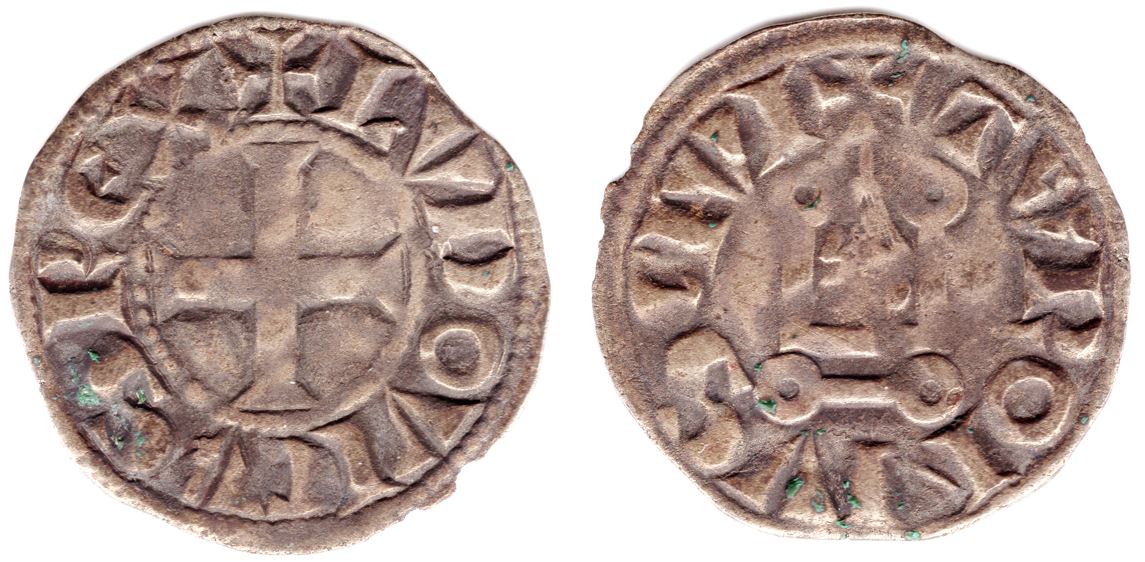 Obverse: LVDOVICVS REX (King Louis). Reverse: TVRONVS CIVI (City of Tours). Châtel tournois (Castle of Tours), denotes denier tournois, not mint. |
|
Moderator
 United States
34495 Posts |
Ah great point @era. Because the bottom leg is longer than the other three, it is a Latin cross. As you interpreted correctly, I was rather talking about the non-standard ends on the upper three legs as other crosses that I have seen were more lily-like (and called cross fleury as you explained). "Flourished Latin cross" works for me--thx for helping me think this one through! Here is an early 12th Century Denar from Olmutz Bohemia: 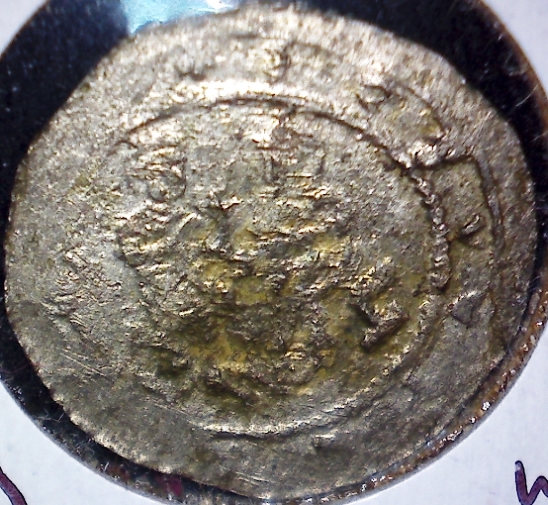 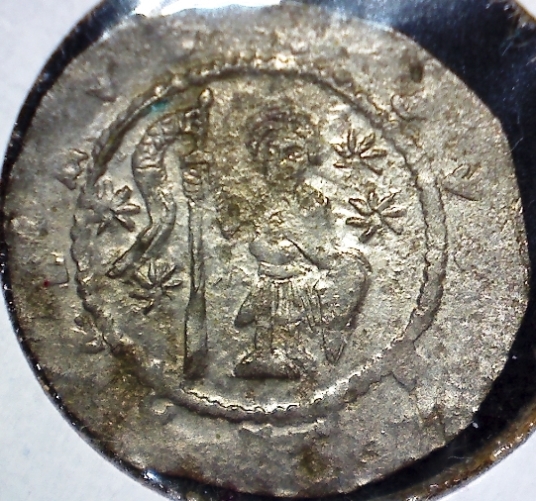 "If you climb a good tree, you get a push."
-----Ghanaian proverb
"The danger we all now face is distinguishing between what is authentic and what is performed."
-----King Adz
|
|
Moderator
United States
191802 Posts |
Amazing examples! |
|
Moderator
United States
101124 Posts |
very nice Era and Spence! This topic has 12 pages already! a fast starter for sure!! |
|
Pillar of the Community
United States
7987 Posts |
Quote:
Back to Prague/Bohemia for me. This 12th Century Denar ... I think my 12th c. Bohemian denar (Cach #547 dated to 1120-1125) may have the same two guys on the reverse, Saints Adalbert and Wenceslas, but full-length figures rather than busts (another one where I was too lazy to make my own photos). And a shout out to @keith for that fine Bohemian denar a couple of pages ago. The workmanship in the Prague mint was just amazing back then compared to so many other places, even Italy  : 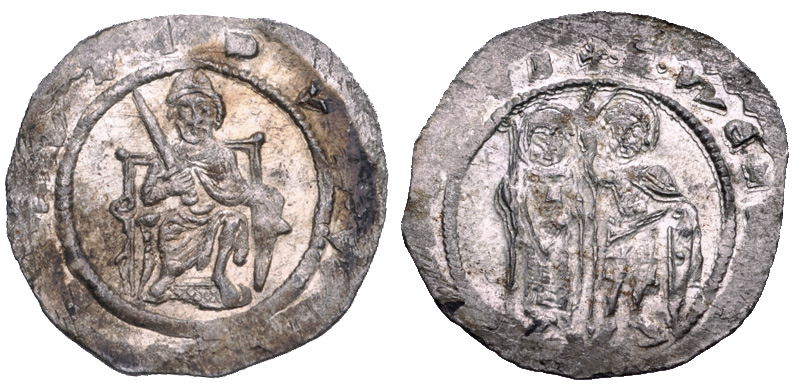 Copyright CNG Edited by tdziemia
06/26/2024 11:24 am
|
|
Bedrock of the Community
United States
76349 Posts |
More good examples. Errers and Varietys.
|
|
Moderator
United States
191802 Posts |
Quote:
another one where I was too lazy to make my own photos  |
|
Pillar of the Community
United States
7987 Posts |
And on the cross discussion ... The tdz classification system goes something like this: Greek - four arms of equal length; many subtypes (Jeusalem cross, crusader cross, etc.) Latin - the two members that cross are of different lengths Patriarchal - two crossbars instead of one (can be of equal length or different length; also called cross of Lorraine) I think that's pretty much what you will find anywhere. After that, various features/decorations which can pertain to any of the above (but usually Greek on coins) include: - Floriate (American), fleury (English from French) / fleuree or fleuronnee (French). I tend to see/use this most for rather elaborate floral decoration (not necessarily just fleur-de-lis) - "Fleur-de-lis tipped" is what I tend to use for smaller lily design at tip or arms - Footed (American) / patty (English from French) / pattee (French) - Forked / fourchee. Maltese cross is a Greek cross fourchee as far as I'm concerned. - Anchor-tipped - Pine cone tipped (also called Milan-style) ... and many, many more (check out the Wikipedia article if you want your head to spin)! So ... yes to floriate (or floriated) Latin cross in my opinion. Edited by tdziemia
06/26/2024 12:42 pm
|
|
Moderator
United States
34495 Posts |
Good to have you weighing in on those crosses. Would make a fascinating paper probably... Here is perhaps the tiniest Denar that I've posted so far. It started small at about 11 mm diameter, but the edge chip has only reduced it in size. It is from 12th Century Hungary. 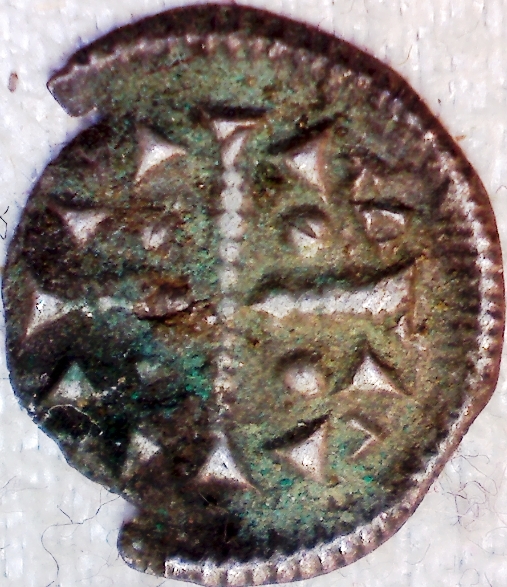 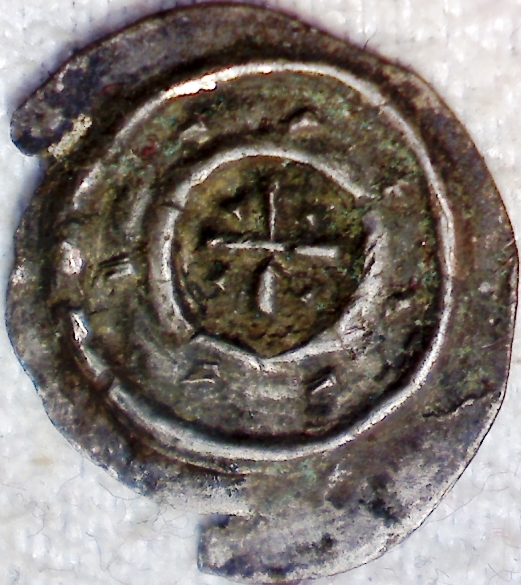 "If you climb a good tree, you get a push."
-----Ghanaian proverb
"The danger we all now face is distinguishing between what is authentic and what is performed."
-----King Adz
|
|
Moderator
United States
101124 Posts |
Nice additions TDZ and Spence!!
|
|
Pillar of the Community
United States
7987 Posts |
Quote:
... from 12th Century Hungary. Channeling eddiediz? Here is another well-worn denier from the Bishopric of Metz struck under Bishop Adelbero IV (1104-1113), N#83058. 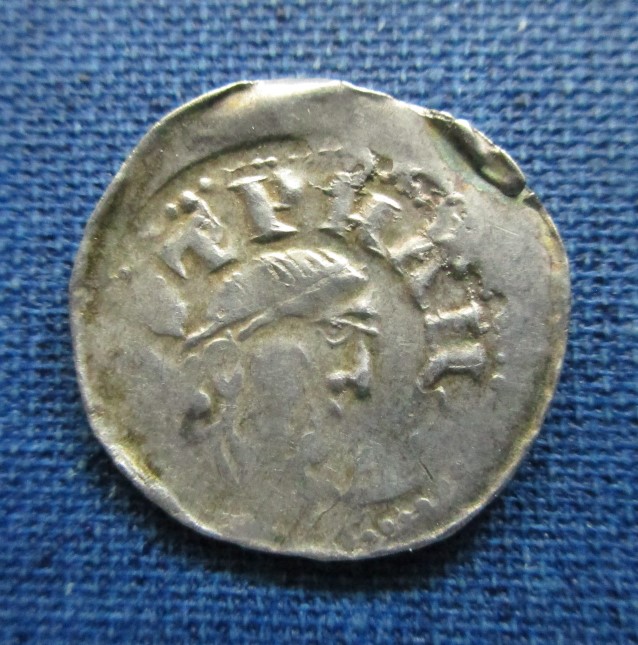 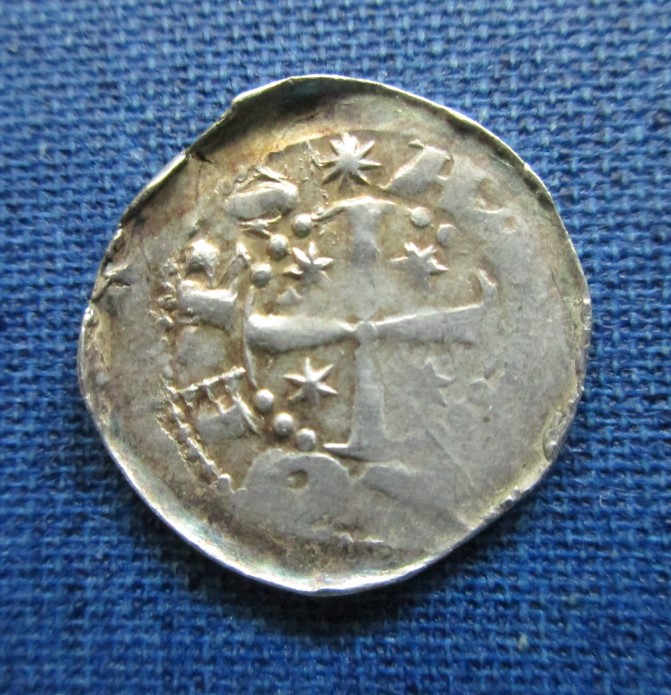 Supposedly the legends read: Obverse: S STEPHANVS Reverse: ADELBERO EPS ...but I think the apprentice worked on this one, or some of the punches went missing. Edited by tdziemia
06/26/2024 1:13 pm
|
|
Moderator
United States
101124 Posts |
and another nice add too |
|
Bedrock of the Community
United States
76349 Posts |
More nice ones. Errers and Varietys.
|
|
Moderator
United States
191802 Posts |
Quote:
Here is perhaps the tiniest Denar that I've posted so far. It started small at about 11 mm diameter, but the edge chip has only reduced it in size. It is from 12th Century Hungary. Quote:
Here is another well-worn denier from the Bishopric of Metz struck under Bishop Adelbero IV (1104-1113), N#83058. Nice examples! |
| |
Replies: 1,026 / Views: 35,568 |






 First Page
 Previous Page


 Posted 06/26/2024 05:23 am


