| Author |
 Replies: 1,026 / Views: 35,600 Replies: 1,026 / Views: 35,600 |
|
|
|
Bedrock of the Community
United States
76402 Posts |
Another nice one, Spence.  Errers and Varietys.
|
|
Pillar of the Community
  Sweden
2124 Posts |
Quote:
Are deniers from the Crusader States welcome on this thread too? I'll post one just in case the answer is yes. This one is from 12th Century Jerusalem. Yes, they definitely are! And that's a lovely one you show to justify that! |
|
Moderator
 United States
34496 Posts |
Ok good to know @era. Here is a second, contemporaneous Denier from Jerusalem. As I recall, there may be minor differences in the city gate, but there may be other differences too. 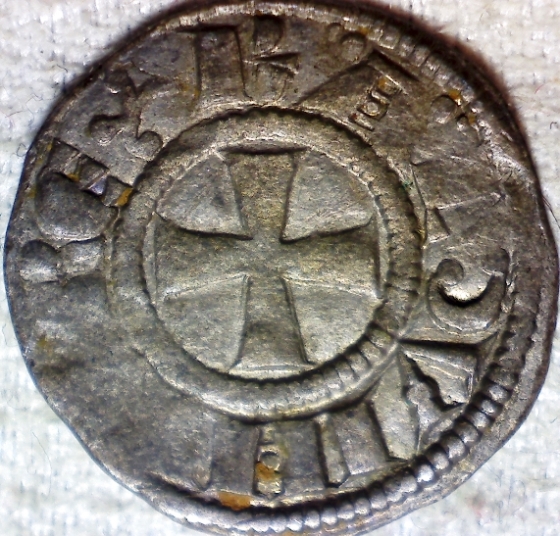 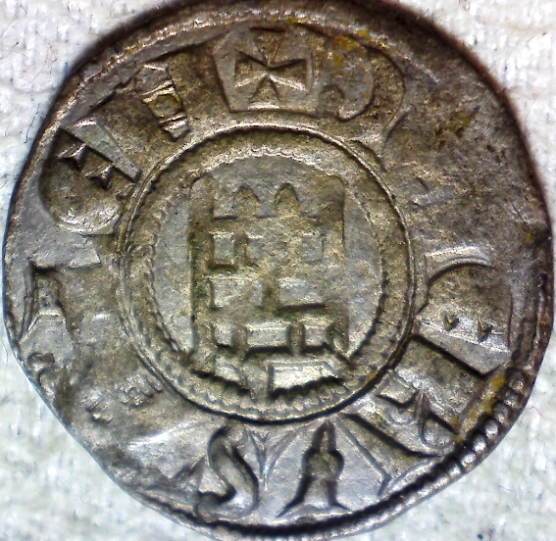 "If you climb a good tree, you get a push."
-----Ghanaian proverb
"The danger we all now face is distinguishing between what is authentic and what is performed."
-----King Adz
|
|
Pillar of the Community
United States
7988 Posts |
I am also in the 12th century a bit longer. Here is a denier of the first duke of Brabant, Godefroid III, struck 1164-1183 with a dragon looking over its shoulder: 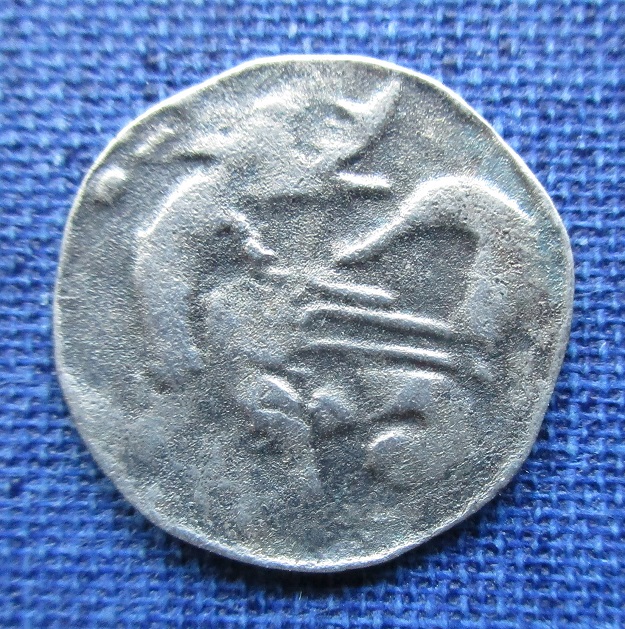 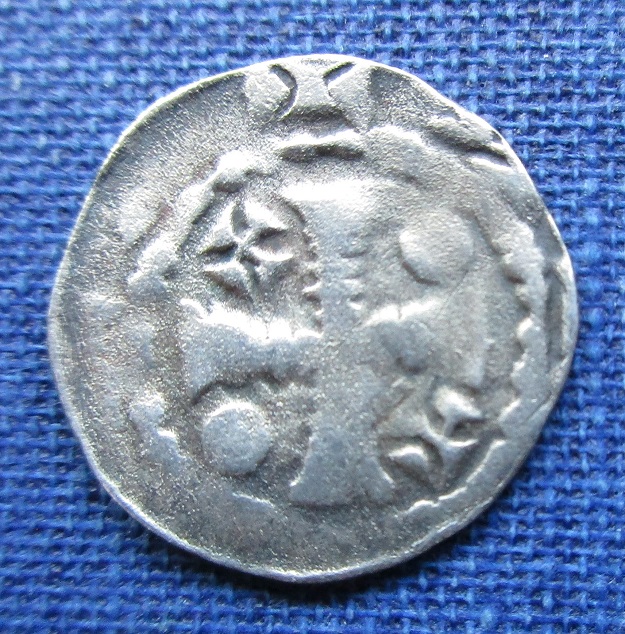 |
|
Pillar of the Community
United States
7988 Posts |
The French monarchy did not have a total monopoly on coinage issued in their realm way back when. Bishops and abbots also had the right to coin (apparently until some point in the 13th century) and apparently did so in great quantity judging by how easy it is to find examples of them. Here is a denier from the Bishopric of Vienne, (nope, not Vienna even though the coin appears to say so), Poey d'Avant 4826, Duplessy 2381. It gets attributed to slightly different date ranges, maybe most commonly 1150-1200 (but I look to erafjel or spence to correct me as I am not so familiar with the French "feudal" catalogs). 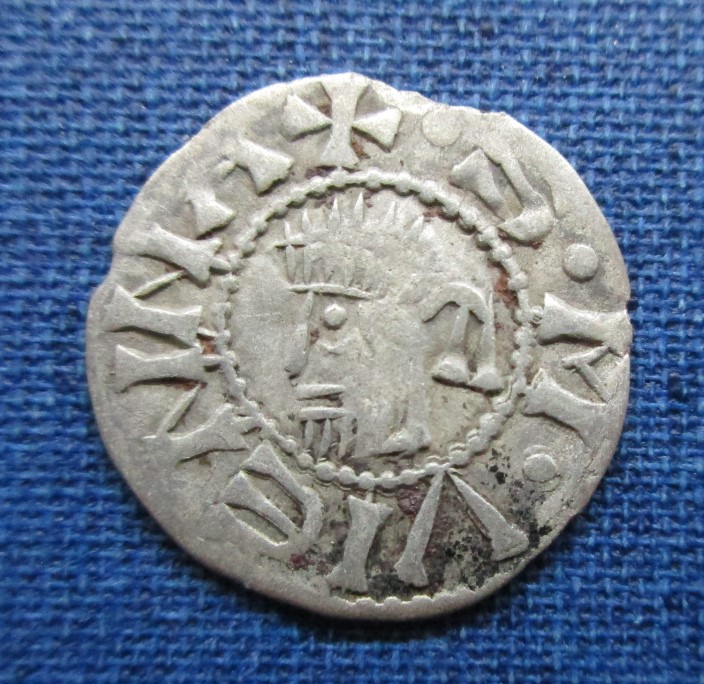 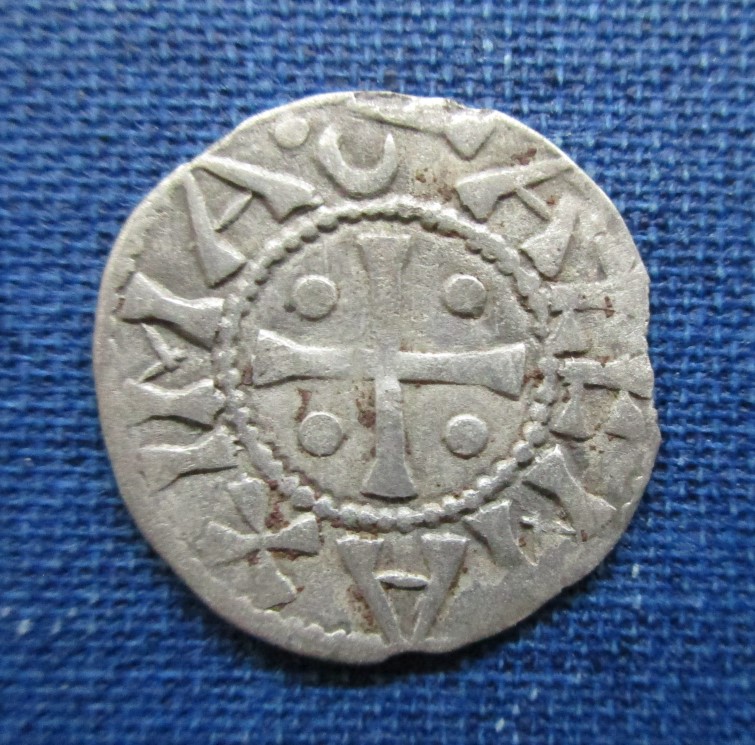 |
|
Moderator
United States
101240 Posts |
great additions Spence and Tdz!!
|
|
Pillar of the Community
United States
7988 Posts |
Question for erafjel: how do 15th/16th century hellers fit this topic? The examples in my collection are silver coins from Germany and. Silesia, weight around 0.3 g. Not suggesting I am out of examples from the 12th-15th centuries yet ...  |
|
Moderator
United States
34496 Posts |
Quote:
most commonly 1150-1200 Yep that is what Duplessy says and consequently the date I use on this issue: 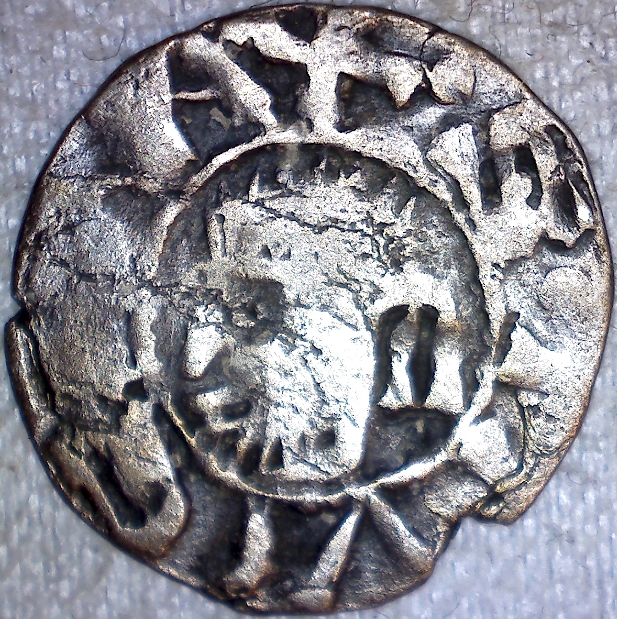 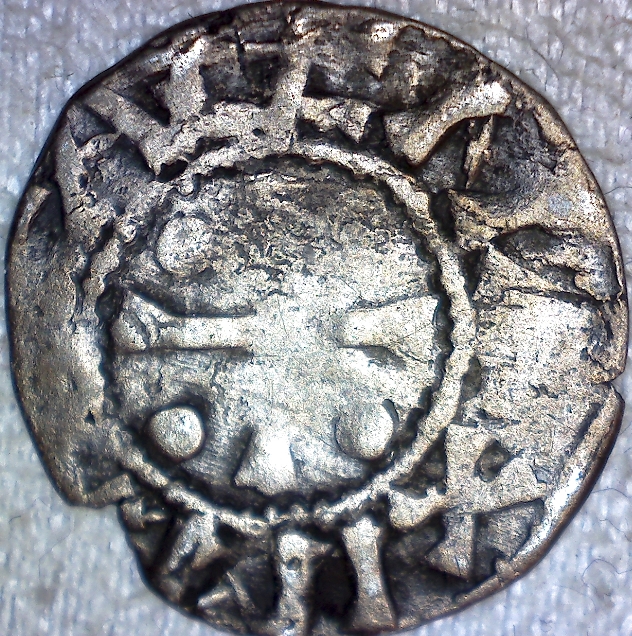 "If you climb a good tree, you get a push."
-----Ghanaian proverb
"The danger we all now face is distinguishing between what is authentic and what is performed."
-----King Adz
|
|
Bedrock of the Community
United States
76402 Posts |
Excellent additions! Errers and Varietys.
|
|
Pillar of the Community
United States
6723 Posts |
1276-1282 The Kingdom of Serbia, Denar 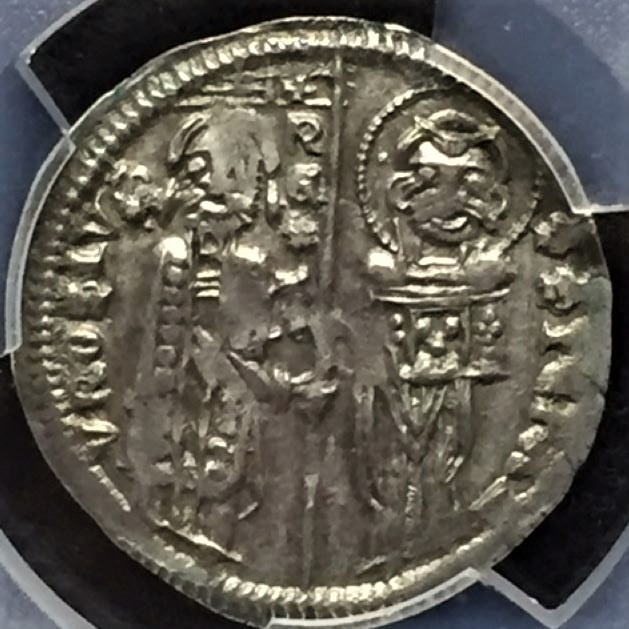 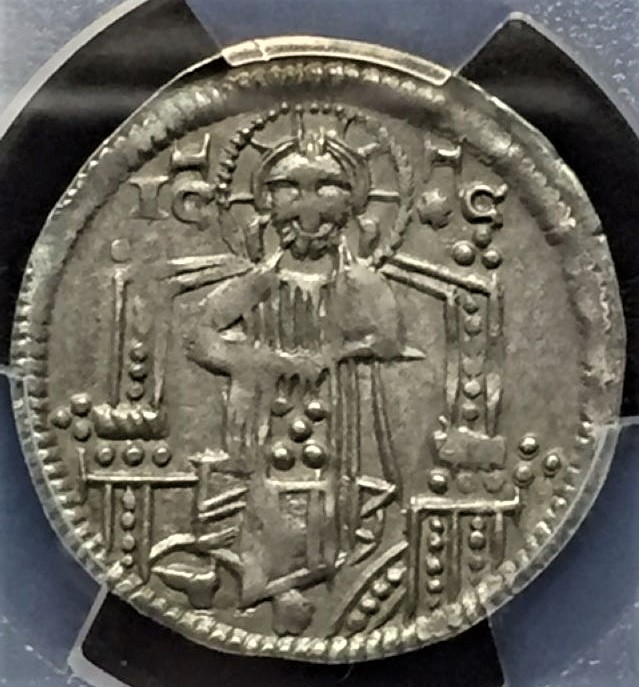 |
|
Moderator
United States
34496 Posts |
Great remaining detail @keith. What did it grade as? I think that we will see a bunch of Austrian Pfennige in this thread. Here is one from Salzburg (1147-1184 AD): 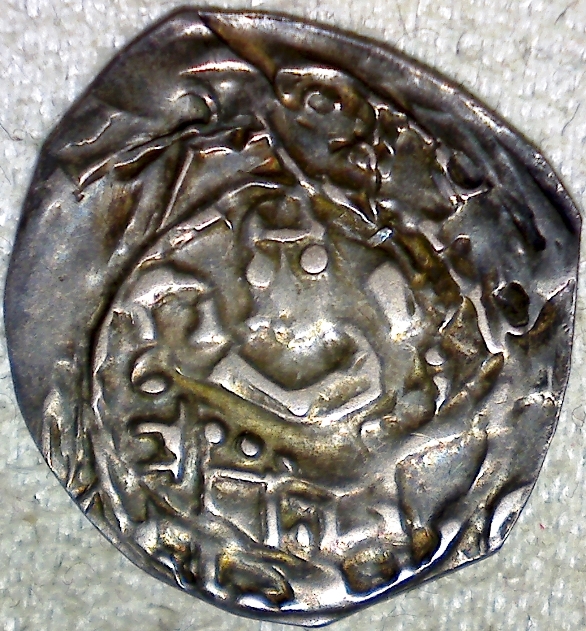 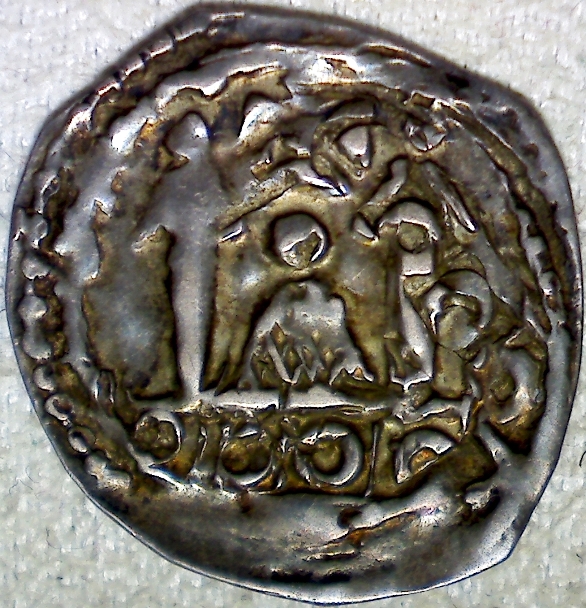 "If you climb a good tree, you get a push."
-----Ghanaian proverb
"The danger we all now face is distinguishing between what is authentic and what is performed."
-----King Adz
|
|
Moderator
United States
101240 Posts |
great coin Keith and Spence!
|
|
Pillar of the Community
United States
6723 Posts |
Quote:
Great remaining detail @keith. What did it grade as? AU-53, seems a little high to me  |
|
Moderator
United States
101240 Posts |
How do you even grade coin this old?  |
|
Moderator
United States
34496 Posts |
Good question @dear. Most of the time when I see ancients being slabbed, the TPG seems to use a five point scale rather than Dr. Sheldon's 70 point scale. The strike and surfaces can be given different values. "If you climb a good tree, you get a push."
-----Ghanaian proverb
"The danger we all now face is distinguishing between what is authentic and what is performed."
-----King Adz
|
| |
Replies: 1,026 / Views: 35,600 |








 First Page
 Previous Page


 Posted 06/29/2024 1:48 pm


