| Author |
 Replies: 1,026 / Views: 36,350 Replies: 1,026 / Views: 36,350 |
|
|
|
Moderator
 United States
105334 Posts |
Looks like dueling dinars between tdz and Spence now
Nice additions today!
|
|
Bedrock of the Community
United States
78290 Posts |
Nice additions.  Errers and Varietys.
|
|
Moderator
United States
34532 Posts |
Quote:
Looks like dueling dinars between tdz and Spence now We'd love to have some company, so folks with material to add to the fun should feel free to do this! This Petite Denier was minted at the French Bishopric of Metz in the date range of 1224 to 1238 AD. The weight is 0.6 g, so a bit lighter than normal Deniers--does this mean that the denomination is more like a half-Denier (and therefore out of scope for this thread)? 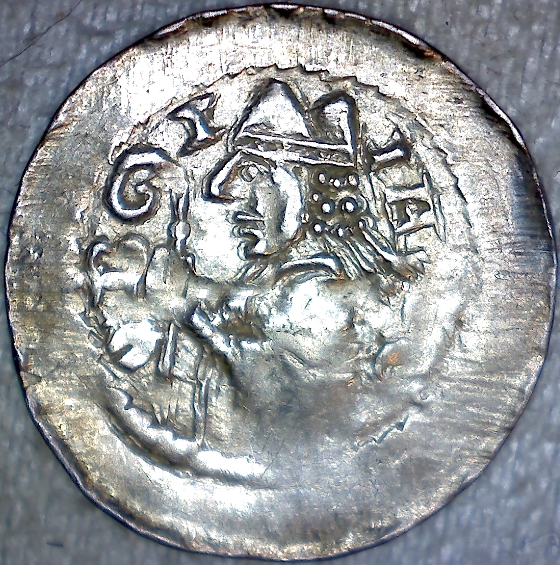 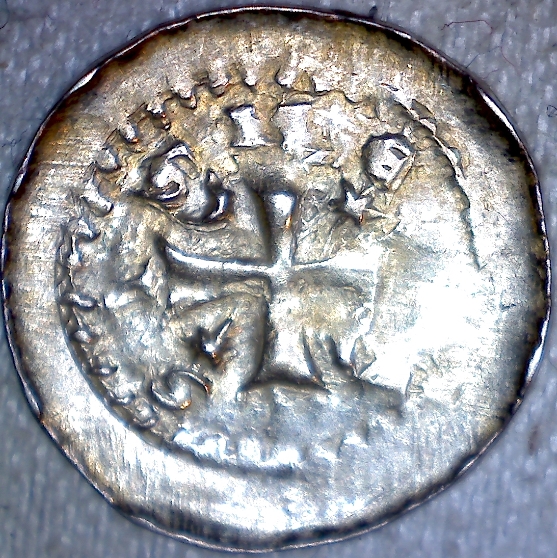 "If you climb a good tree, you get a push."
-----Ghanaian proverb
"The danger we all now face is distinguishing between what is authentic and what is performed."
-----King Adz
|
|
Pillar of the Community
 United States
8034 Posts |
Quote:
The weight is 0.6 g, so a bit lighter than normal Deniers--does this mean that the denomination is more like a half-Denier Will wait for erafjel to confirm, but I think at this time the places that kept the fineness of the silver high (southern Low Countries, and maybe also Metz) were striking very small coins, whereas royal France dropped the fineness and kept the coins larger. Those "petit deniers" being struck in Flanders had about 0.35 gr. silver in them if I recall. Numista has the French denier tournois in the late 13th c. at 1.13 grams, but fineness in the range 0.299 - 0.229 which gets you to around the same silver content. So I think it is still a full denier, probably at some intermediate fineness. Really nice portrait for those Metz deniers, and nice example of a retrograde legend reverse, with METENSIS starting around 5:00 I think. (Obverse we can see the IA of IACOB behind the bishop's head and I think the OB beneath his crozier). Nice to discover that two of us have some of these Metz deniers! Edited by tdziemia
07/24/2024 8:33 pm
|
|
Moderator
United States
194682 Posts |
Quote:
This Petite Denier was minted at the French Bishopric of Metz in the date range of 1224 to 1238 AD. Looks very nice! Quote:
The weight is 0.6 g, so a bit lighter than normal Deniers--does this mean that the denomination is more like a half-Denier (and therefore out of scope for this thread)?    |
|
Bedrock of the Community
United States
78290 Posts |
Great addition, Spence! Errers and Varietys.
|
|
Moderator
United States
34532 Posts |
Quote:
Nice to discover that two of us have some of these Metz deniers! Agreed--lots of commonalities! Here is a mid-13th Century Pfennig from the German Bishopric of Munster. It was issued under the authority of Ludolf of Holte. As you can see, it was lightly struck in places. I'm pretty sure that I haven't previously posted it on CCF, despite it being in my collection for more than a decade. 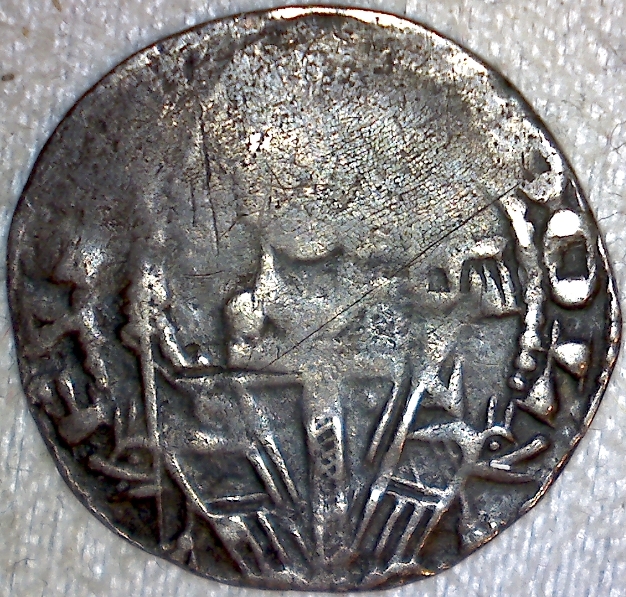 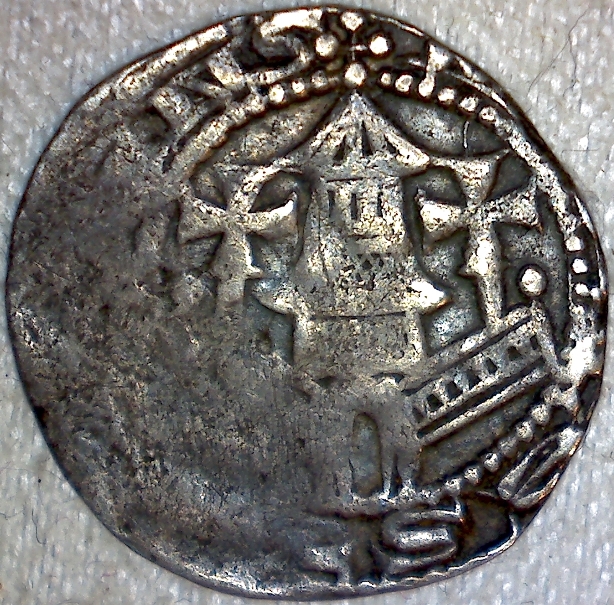 "If you climb a good tree, you get a push."
-----Ghanaian proverb
"The danger we all now face is distinguishing between what is authentic and what is performed."
-----King Adz
|
|
Bedrock of the Community
United States
78290 Posts |
Another nice one, Spence! Errers and Varietys.
|
|
Pillar of the Community
 Sweden
2124 Posts |
Very nice Lorraine coins, tdziemia! Quote:
This Petite Denier was minted at the French Bishopric of Metz in the date range of 1224 to 1238 AD. The weight is 0.6 g, so a bit lighter than normal Deniers--does this mean that the denomination is more like a half-Denier That's a very nice denier too! And I think we should consider it a denier, since that is what it was issued as (as far as I understand). I agree with tdziemia's analysis. And if we look at French feudal deniers, the silver content varies considerably between different issuers and issues. For instance, Le Puy deniers were generally considered worth only half as much as most other deniers - their silver content was known to be less than in others, but they were still considered deniers, just worth a little less.  |
|
Moderator
United States
194682 Posts |
Quote:
Here is a mid-13th Century Pfennig from the German Bishopric of Munster. Fantastic! |
|
Moderator
United States
105334 Posts |
very good Spence! nice coin!
|
|
Pillar of the Community
United States
8034 Posts |
My remaining contributions now stretch rather thinly over the next 4 centuries (I will cheat and eventually go just past 1600). SO I will enter the 14th before spence. According to Numista, this bracteate of the Polish ruler Lasislaus I (1306-1320) was valued like a denar (at 0.2 gr., I am not sure that's right, but ...) 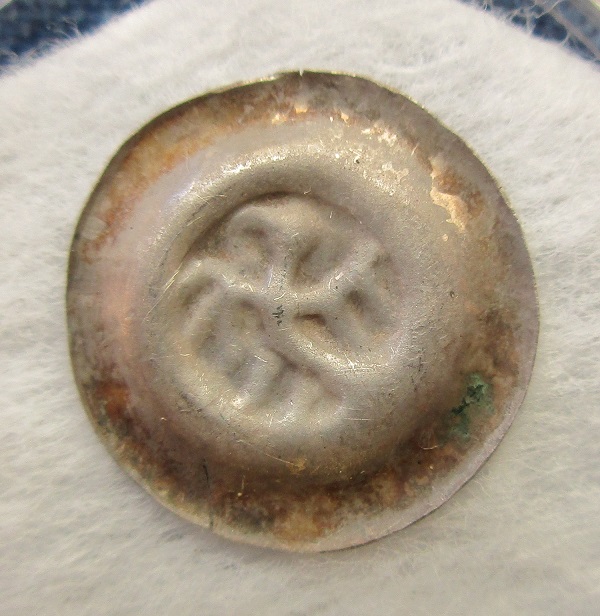 Edited by tdziemia
07/25/2024 08:16 am
|
|
Moderator
United States
34532 Posts |
Glad to have you still contributing @tdz! Looks like @era is letting us go up to the year 1700, so you should be good to go with those early 17th Century coins. Here is a Denier from the French Duchy of Bretagne that dates to between 1237 and 1286 AD. It was minted at Vannes under the authority of Jean I LeRoux. 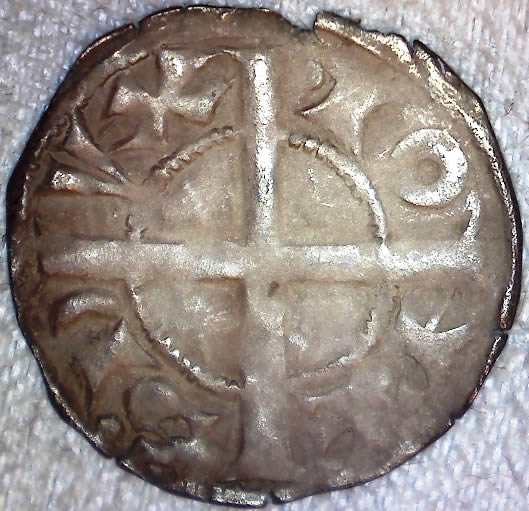 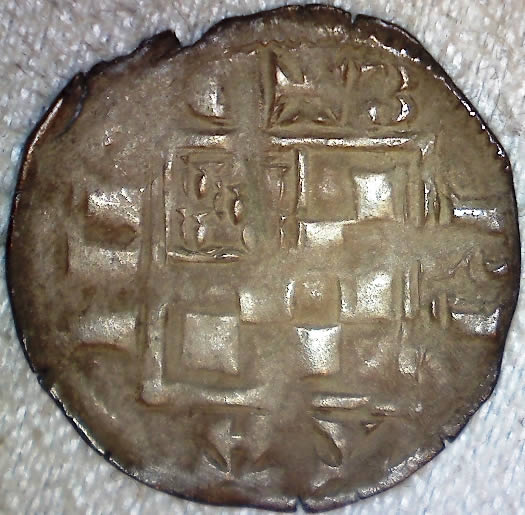 "If you climb a good tree, you get a push."
-----Ghanaian proverb
"The danger we all now face is distinguishing between what is authentic and what is performed."
-----King Adz
|
|
Moderator
United States
194682 Posts |
Quote:
According to Numista, this bracteate of the Polish ruler Lasislaus I (1306-1320) was valued like a denar Quote:
Here is a Denier from the French Duchy of Bretagne that dates to between 1237 and 1286 AD. It was minted at Vannes under the authority of Jean I LeRoux. Nice examples! |
|
Bedrock of the Community
United States
78290 Posts |
Nice coins. Errers and Varietys.
|
| |
Replies: 1,026 / Views: 36,350 |







 First Page
 Previous Page


 Posted 07/23/2024 1:15 pm





