| Author |
 Replies: 1,026 / Views: 36,818 Replies: 1,026 / Views: 36,818 |
|
|
|
Moderator
 United States
196100 Posts |
Great pair!  |
|
Moderator
United States
107650 Posts |
|
|
Pillar of the Community
 United States
8056 Posts |
@keith, thanks for the link. I see the bust on the obverse sometimes referred to as the castellan/ mayor of the city, but I also wonder if it could be Sebaldus, who was the patron of the city and a draw for pilgrimages to Nuremberg by the time this coin was struck https://en.wikipedia.org/wiki/Sebal...ron%20saint. He is shown in later art wearing a hat, and the cross would make sense, but I can't explain the sword. |
|
Pillar of the Community
 Sweden
2124 Posts |
Wow, such an amount of awesome deniers! Thanks everyone for contributing! Since it looks like we are sailing in Carolingian waters right now, here is a Carolingian denier from me. Denier, West Francia, 864-875, Charles "The Bald", Court-Sessin or Courgeon. Silver, 1.59 g, 20 mm. 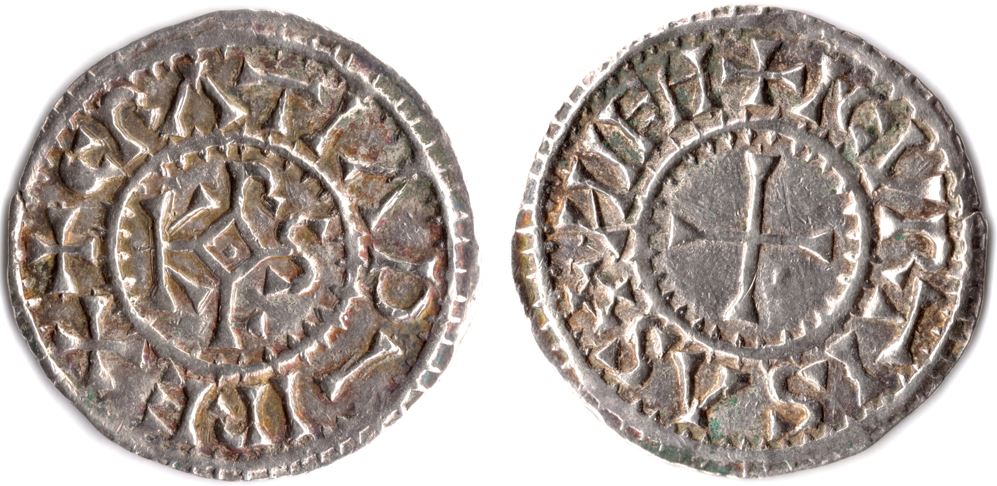 Obverse: GRATIA D-I REX, in the center monogram for KaROLuS. Reverse: HCVRTISASONIEN (Curtis Sasoniensis). Note shapes of 'O' and the two 'N's, and the 'HC' ligature. |
|
Moderator
United States
34562 Posts |
I'm going to stick with Carolingians again--this Denier comes from the Comte de Poitiers and was minted in the mid- to late-10th Century. I personally think that the "MET / ALO" reverse is iconic and suspect that this won't be the only one posted to this thread. 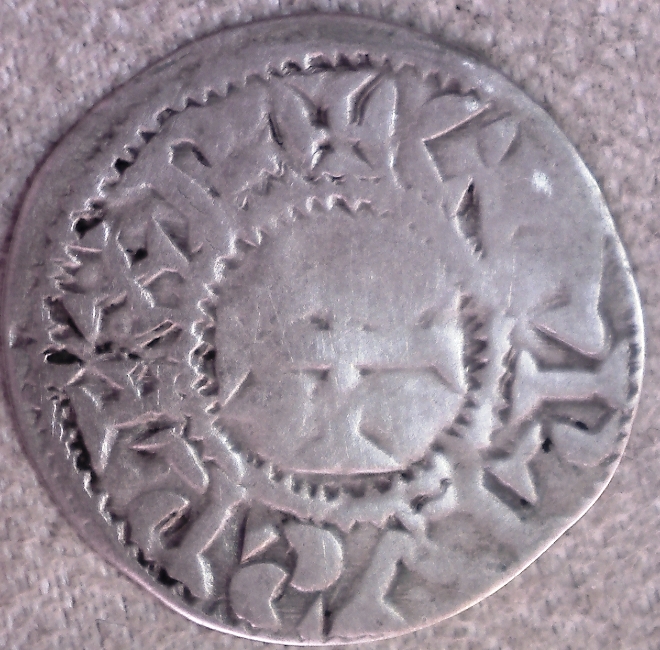 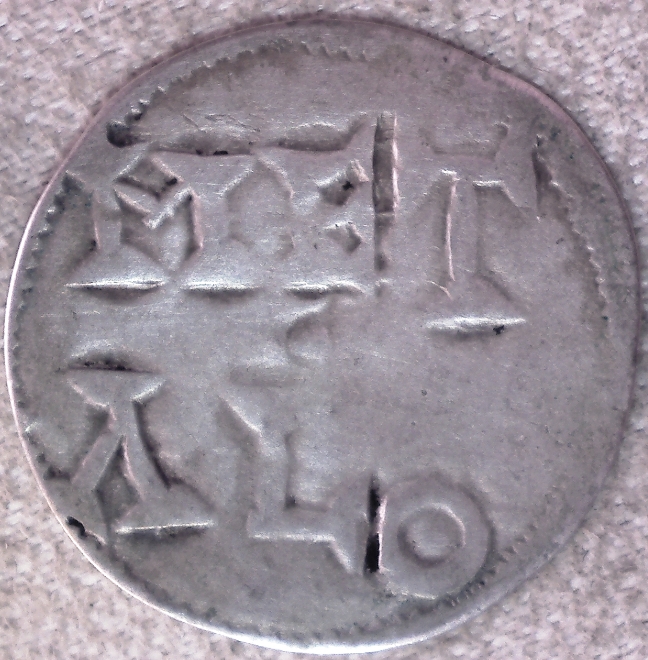 "If you climb a good tree, you get a push."
-----Ghanaian proverb
"The danger we all now face is distinguishing between what is authentic and what is performed."
-----King Adz
|
|
Bedrock of the Community
United States
79381 Posts |
Nice additions. Errers and Varietys.
|
|
Pillar of the Community
Sweden
2124 Posts |
Quote:
this Denier comes from the Comte de Poitiers An interesting immobilization, Spence! I have got a couple more Carolingians to post, but they will have to wait. Instead I would like to share this somewhat later French denier, which illustrates how immobilizations can make attribution tricky. Denier, County of Mâcon, 1137-1239?, Mâcon. Billon, 1.01 g, 18 mm. 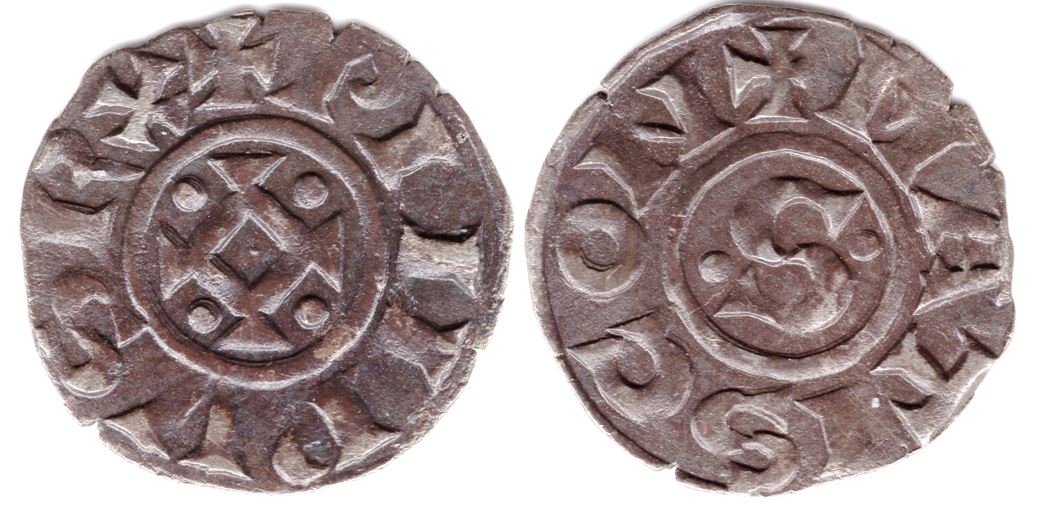 Obverse: PIIIPVS RX (Philipus Rex / King Philip). Cruciform with pellets. Reverse: MATISCON (Mâcon). S within pellets. Coins from the County of Mâcon are usually listed under French royals, under the headline "outside the royal domain". This denier is listed under French king Philip I, who ruled 1060-1108. It is, however (but with far from certainty), believed to be a posthumous immobilization from the period 1137-1239 (the time between the death of king Louis VI and the annexation of the the county to France). The cruciform is copied from those used by Philip I on his royal deniers, and is a degenerate immobilization of the monogram used on the deniers by Charles "the Bald" - compare with my previous denier. What the "S" on the reverse means is not known; one theory is that it is copied from earlier Burgundian deniers known for their good quality (which this denier does not live up to). |
|
Moderator
United States
107650 Posts |
great additions here! nice start to a new topic!!
|
|
Moderator
United States
34562 Posts |
That latest Denier @era is a great example of how the punch for the letter C was used twice to create a letter S on the die. Here is a severely clipped German Denar that is from mid-10th Century Cologne. The S / COLONIA /A is another device that I expect for us to see multiple times on this thread. 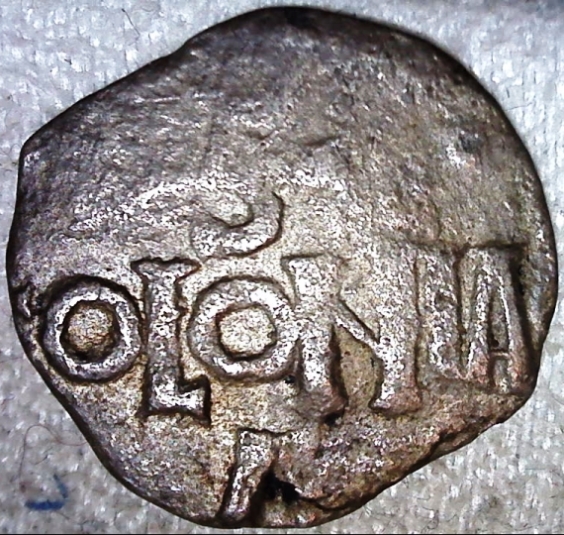 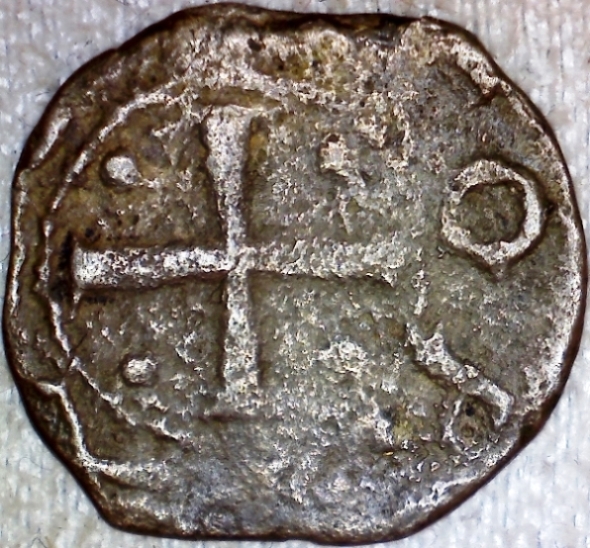 "If you climb a good tree, you get a push."
-----Ghanaian proverb
"The danger we all now face is distinguishing between what is authentic and what is performed."
-----King Adz
|
|
Pillar of the Community
United States
6878 Posts |
1160-1177 Bishopric of Halberstadt, Denier Obverse Saint Stephanus lying under 9 stones under an inscribed arch, above are two angels holding a medallion of the saint. Reverse Blank. 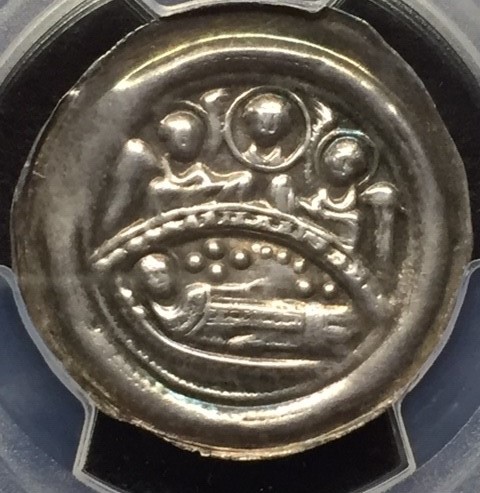 |
|
Moderator
United States
34562 Posts |
Really nice one @keith, with tons of detail! Here is another Denier from France (Normandy) that dates the second half of the 10th Century. It too has a pretty cool letterform for the S. 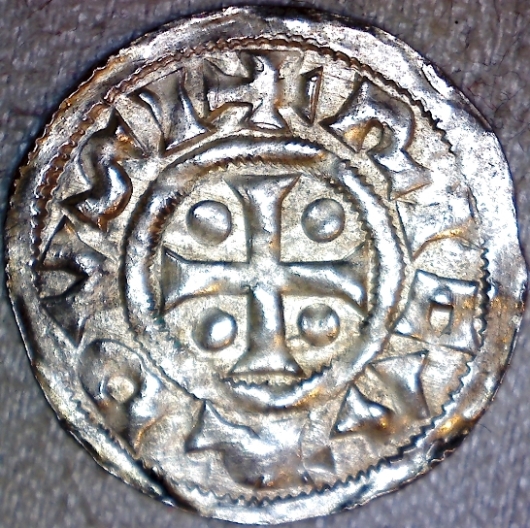 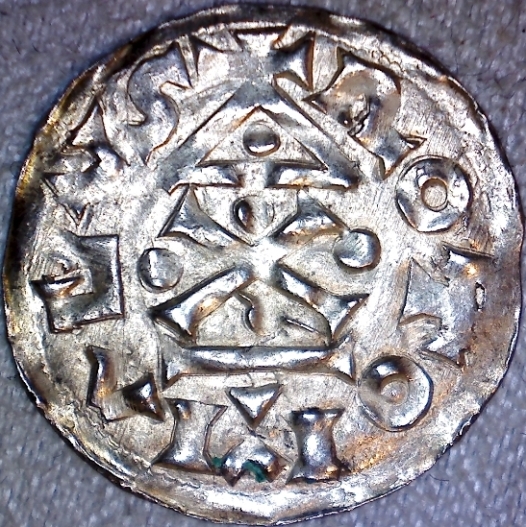 "If you climb a good tree, you get a push."
-----Ghanaian proverb
"The danger we all now face is distinguishing between what is authentic and what is performed."
-----King Adz
|
|
Pillar of the Community
United States
8056 Posts |
I love that Halberstadt bracteate! And can also contribute to the immobilization theme from a few posts back... Here is a denier from the Prince-Bishopric of Liege which bears the monogram of Charles "the Simple" who was King of Lotharingia (the successor state of Middle Francia) from 911-922, though the type is believed to have been struck up to the middle of the 10th century. 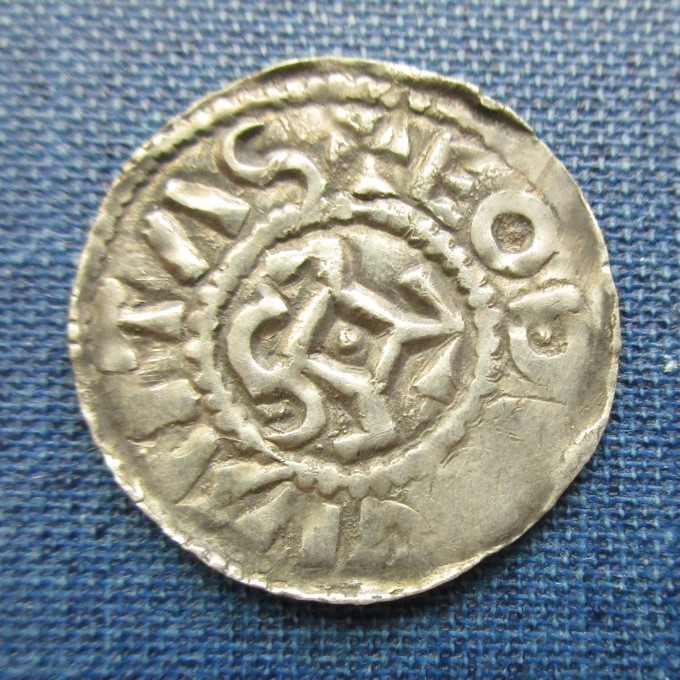 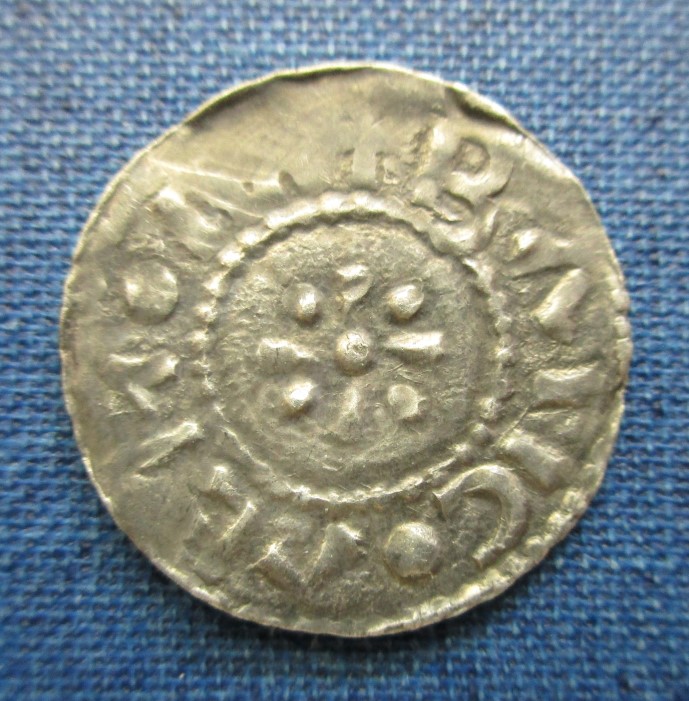 Obverse: CIVITAS EODIO (Civitas Leodium, or City/Region of Liege) Reverse: MONEA CI LAB (Moneta Sci Lambertus, or coinage of Saint Lambert Edited by tdziemia
06/15/2024 1:26 pm
|
|
Bedrock of the Community
United States
79381 Posts |
Great additions! Errers and Varietys.
|
|
Moderator
United States
34562 Posts |
Nice one @tdz! Here is a 10th Century Denaro from Pavia, Italy./The central element in the first pic shows that it was minted on behalf of King Otto (The Great): 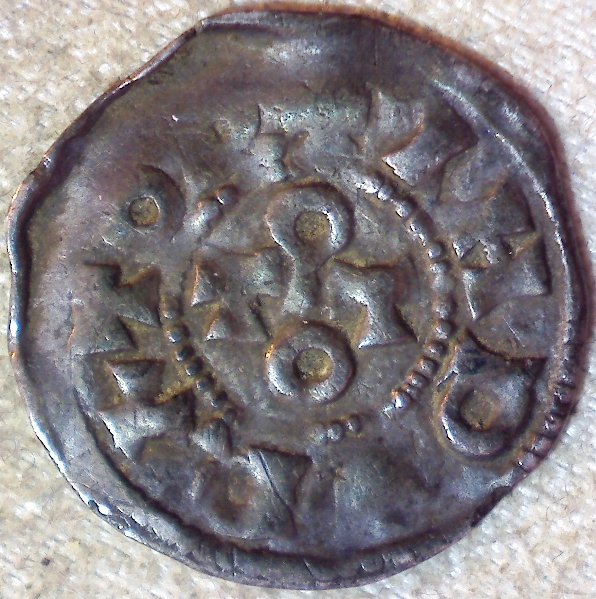 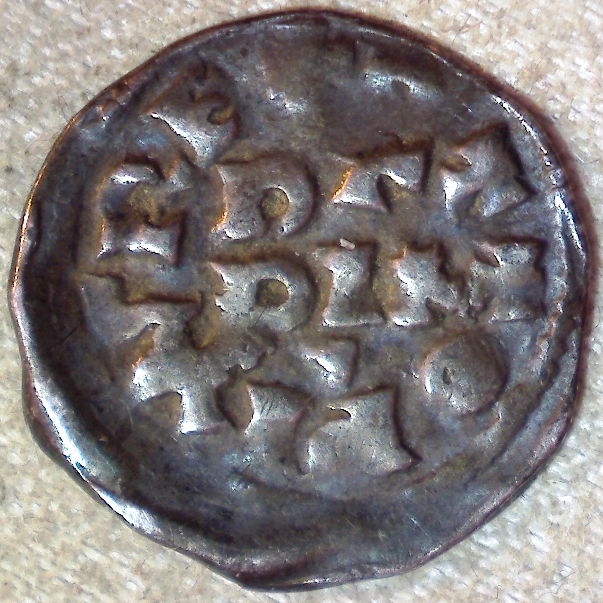 "If you climb a good tree, you get a push."
-----Ghanaian proverb
"The danger we all now face is distinguishing between what is authentic and what is performed."
-----King Adz
|
|
Moderator
United States
107650 Posts |
|
| |
Replies: 1,026 / Views: 36,818 |








 First Page
 Previous Page


 Posted 06/14/2024 3:23 pm


 Uncirculated American Silver Eagles


