| Author |
 Replies: 15 / Views: 1,646 Replies: 15 / Views: 1,646 |
|
|
Pillar of the Community
United States
6959 Posts |
|
|
|
|
Moderator
 United States
56855 Posts |
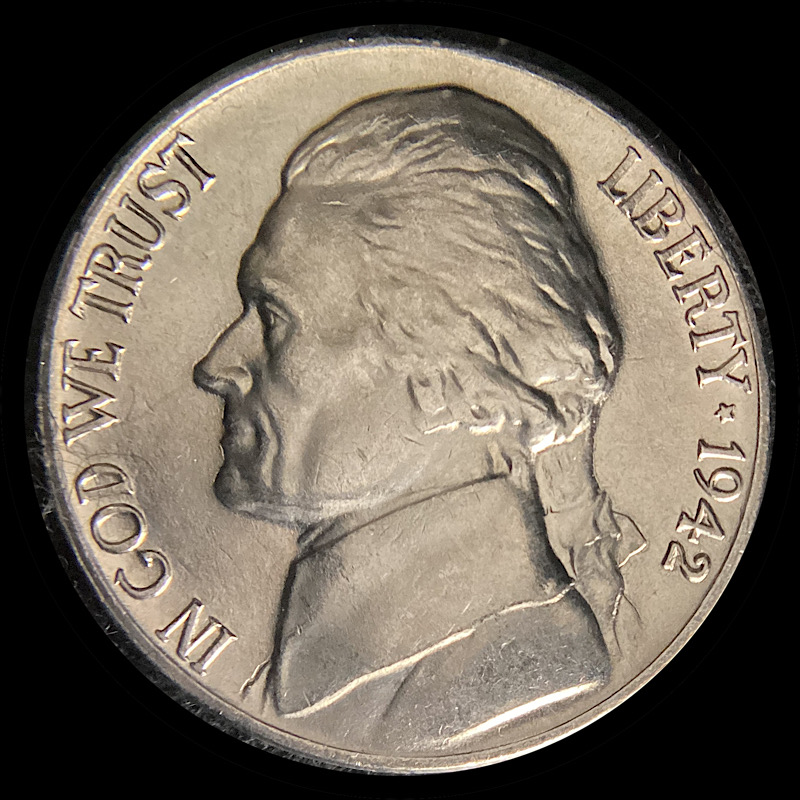
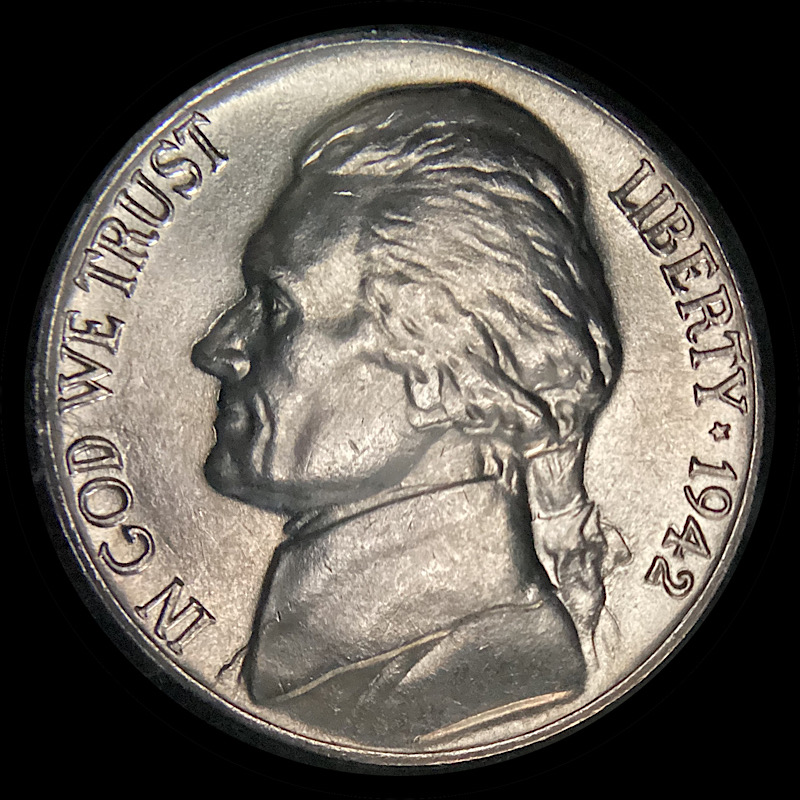
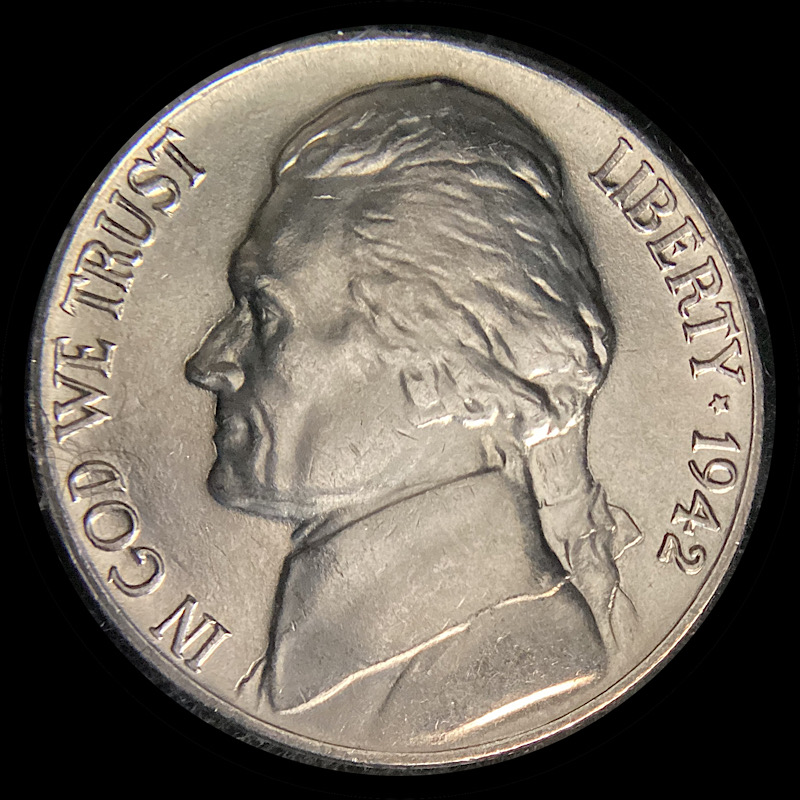
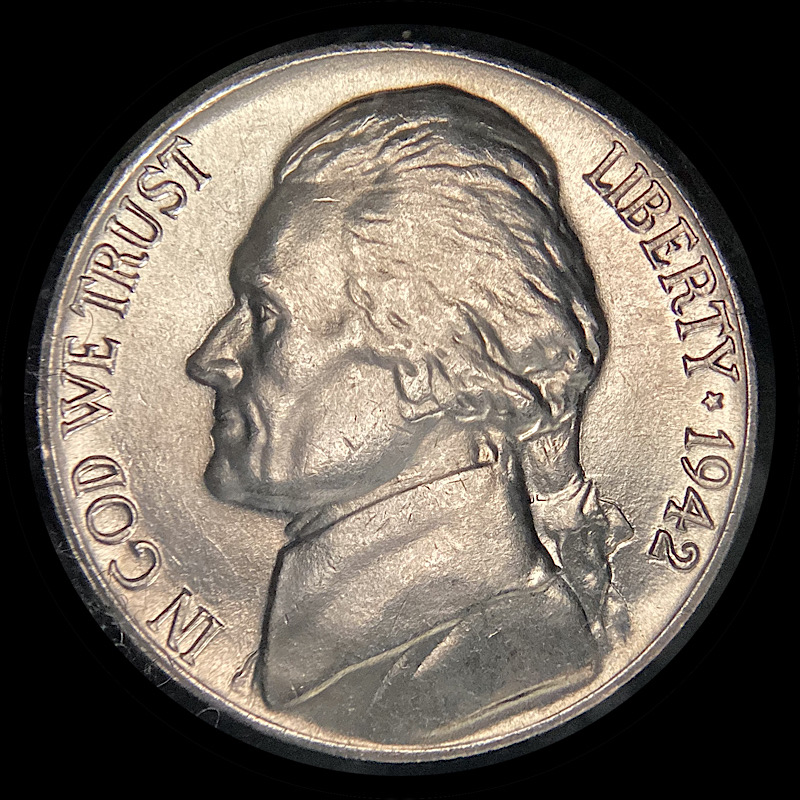
I like the bottom one the best. John1  |
|
Pillar of the Community
 United States
1503 Posts |
 with John1 |
|
Bedrock of the Community
United States
94367 Posts |
|
|
Pillar of the Community
United States
5725 Posts |
Agree with the 4th photo.
|
|
Bedrock of the Community
United States
19678 Posts |
Yes, last image by a nose. Nice work!
Edited by ijn1944
09/22/2024 8:46 pm
|
|
Pillar of the Community
United States
3229 Posts |
Last pic shows the small features more clearly.
|
|
Moderator
United States
197760 Posts |
I agree as well.  |
|
Pillar of the Community
 United States
6959 Posts |
Ok, thanks guys.
Let me ask this: would the preferred final picture be good for grading coins, or is there some kind of shortcoming in the photos? I ask because the mini-axial photos with artificial light sometimes get complaints on the grading forum. Just trying to understand if it's the box or the lighting that would be considered subpar.
|
|
Moderator
United States
197760 Posts |
Quote:
Let me ask this: would the preferred final picture be good for grading coins, or is there some kind of shortcoming in the photos? I believe it is about as good as you can get. Grading from photos will never compare to having the coin in hand, which is why I seldom offer an opinion in the grading forums. Quote:
I ask because the mini-axial photos with artificial light sometimes get complaints on the grading forum. Unfortunately, some people are always going to complain. Prime example—TrueView photos are great for technical grading, but everyone hates their representation for eye appeal. Which I have to admit is more important to me for me than the technical grade. What I tend to see in photos is a tradeoff. One can optimize the photo to represent eye appeal only to lose technical details, and vice versa. Picking the right balance is going to be subjective, I think. |
|
Pillar of the Community
United States
6959 Posts |
Fair enough, I think that answers my questions. Because I hunt for varieties, my preference tends towards showing the most accurate representation of the coin surface as possible. Your comment about TrueView is interesting, because I felt they lean more towards a glamour shot of the coin rather than a completely accurate technical inspection (although their 12MB photos with great equipment are still very accurate for the details).
|
|
Moderator
United States
197760 Posts |
Quote:
Because I hunt for varieties, my preference tends towards showing the most accurate representation of the coin surface as possible. A good choice. Quote:
although their 12MB photos with great equipment are still very accurate for the details It is my understanding that the lighting required for obtaining accurate details at that resolution results in a photo that does not represent typical in-hand eye appeal (be it good or bad). |
|
Bedrock of the Community
United States
19678 Posts |
Coin photography can be a very personal endeavor. For 'serious' pics, I go with an axial setup with my DLSR and artificial lighting filtered with a color-neutral translucent tracing paper. I can adjust my light source from warm to cool. I use Photoshop Elements for any image manipulation needed--usually very minimal to none at all.
|
|
Pillar of the Community
United States
6959 Posts |
My current inclination is towards a cheap setup. My mini-box is LEGO, and my macro lens cost $9. My light source is sunlight or a $7 daylight bulb from the hardware store. If I continue wandering down the path towards a little sole proprietor coin shop, then maybe the cost of a more impressive setup would be justified. All things considered, I would probably purchase a solid microscope first, to show all the coin details. Jbuck, I would agree that TrueView seems to produce a very washed out effect compared to the coins in-hand. It has, however, helped me to steer clear of a few coins with tiny verdigris spots on ebay. And I really do value the full coin images of varieties, since the catalogs tend to zoom in so far that you can't get a sense of feature size or what the coin would look like when cherry-picking. |
|
Moderator
United States
197760 Posts |
Quote:
My current inclination is towards a cheap setup. My mini-box is LEGO, and my macro lens cost $9. My light source is sunlight or a $7 daylight bulb from the hardware store.  Quote:
All things considered, I would probably purchase a solid microscope first, to show all the coin details. Quote:Jbuck, I would agree that TrueView seems to produce a very washed out effect compared to the coins in-hand. It has, however, helped me to steer clear of a few coins with tiny verdigris spots on ebay... Oh, to be clear, I do not hate on TrueView like most people do. I appreciate them for what they offer in technical grading, even though eye appeal—which is subjective anyway—is more important to me.  |
|
Pillar of the Community
United States
4051 Posts |
I'm not surprised folks complain about axial lighting for grading. Axial produces very little shadow detail except on the sides of the device features. It also produces no luster, which is a huge factor in a coin's grade. Axial lighting is good for showing a coin's design very clearly, which is why it is favored for ancient coins with lots of interesting features, high relief medals, etc. Grade is secondary to showing the design in these cases. For grading US coins, where grade is so dependent on luster, lighting from a lower angle, and specific directions, is needed. The lower angle excites the luster, while the directions define where the luster is presented. Lighting for varieties is similar to grading except the specific direction of the light is varied in order to cast shadows that make the variety details more visible. |
| |
Replies: 15 / Views: 1,646 |
|






 Posted 09/22/2024 6:29 pm





