












 Posted 09/14/2025 07:07 am


Quote:
Here's one to whip up the 1936 Cincinnati Half Dollar haters!
Here's one to whip up the 1936 Cincinnati Half Dollar haters!
I refuse to take the bait, and will constrain my response to a few brief remarks.

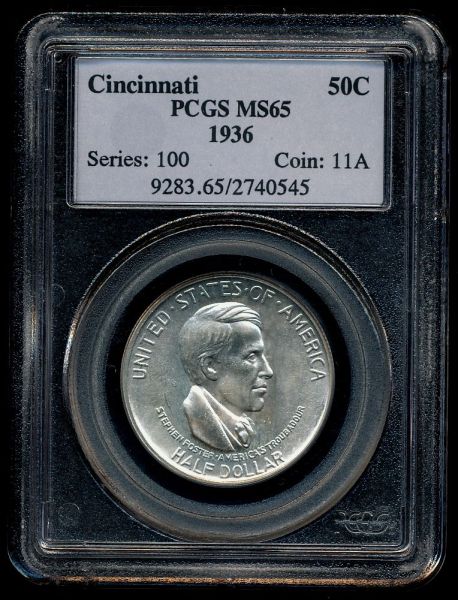
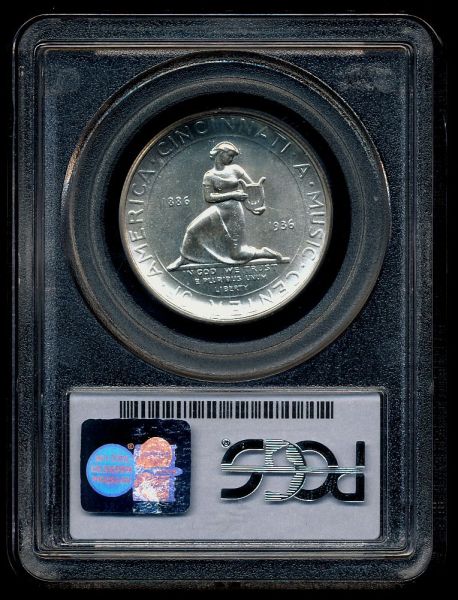
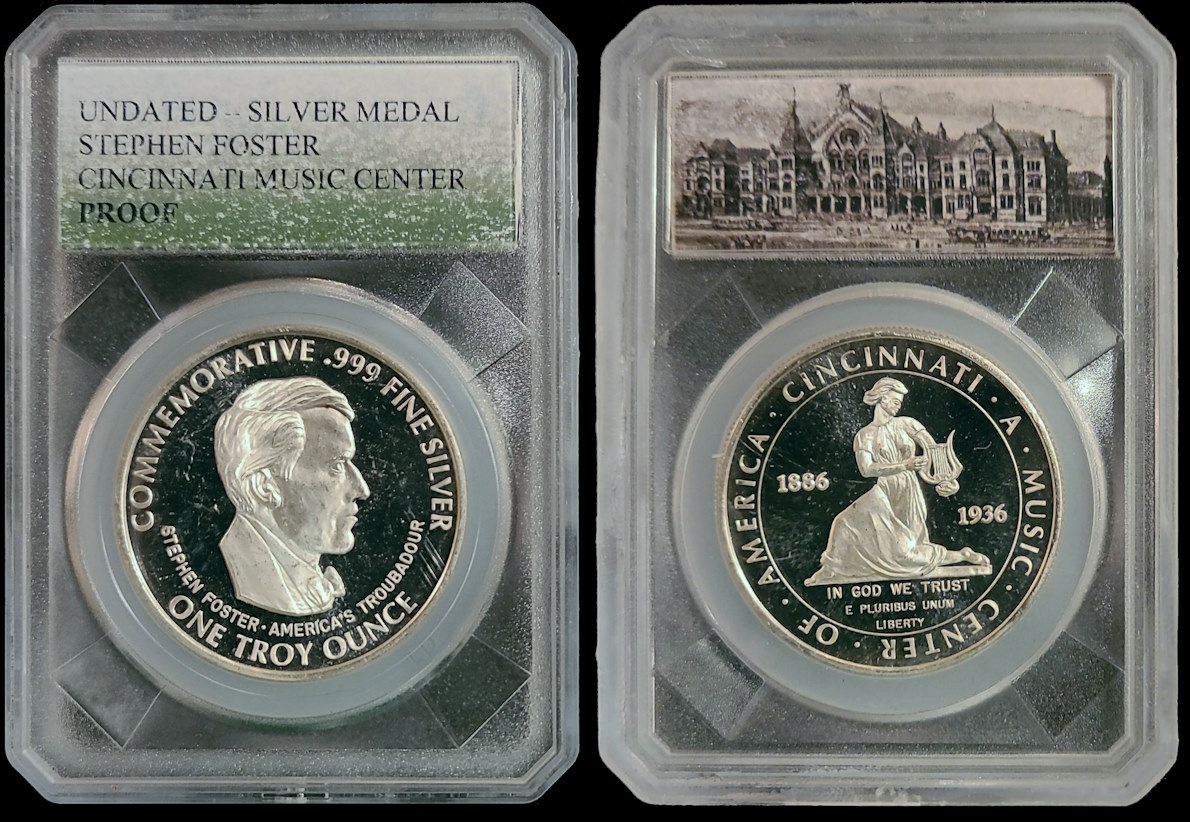
The 1936 Cincinnati Music Center half dollar is the poster child for the collector abuse that was occurring during the commemorative craze era!
This is a coin that was conceived, produced and marketed for only one purpose - the personal profit of the grifter Thomas G. Melish.
The coin had absolutely zero historical basis to any of its 50th anniversary claims, and I remain shocked that the US Mint agreed to proceed with the fraudulent story.
The contemporary collector in 1936 was barraged with an onslaught of commemorative issues - most of which at least commemorated real events. IMO it was a shame to add to this burden with the need to acquire the swindling Cincinnati half dollar.
And it was produced at all 3 mints!

Quote:
I think the Melish-sponsored Cincinnati half dollar would be less maligned if a portrait of Thomas had appeared on the coin's obverse (vs. Foster).
I think the Melish-sponsored Cincinnati half dollar would be less maligned if a portrait of Thomas had appeared on the coin's obverse (vs. Foster).
Nope - I'm not going there. I hope history holds Melish accountable for his deceitful pursuit of profits.
OK - I've had my say.

I surprise you with one positive comment on the coin:
The 1936 Cincinnati Music Center half dollar is one of five 'stoppers' for any current collector who is pursuing a circulated type set of classic silver commemoratives.
In honestly circulated state it is practically unavailable and a collector could go their entire lifetime and never see one on the market.
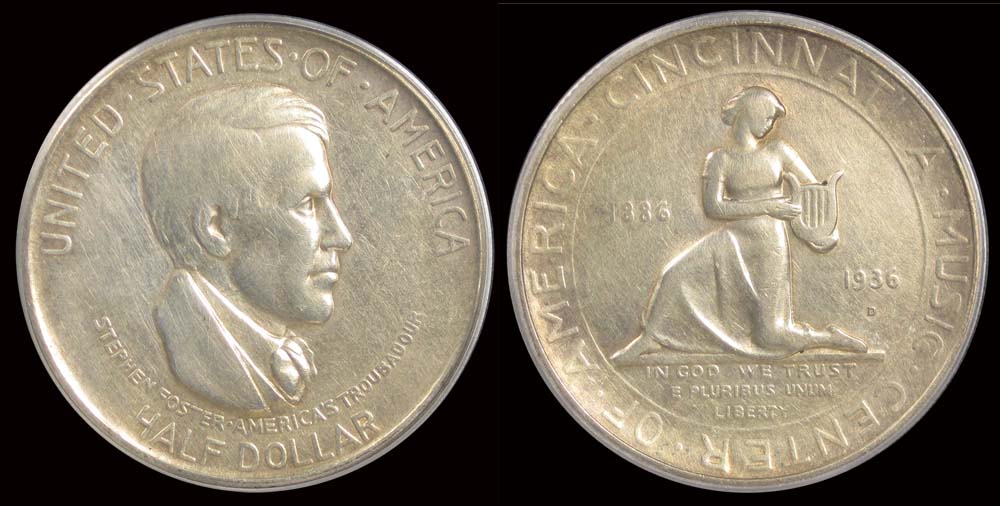
This rarity is the only redeeming characteristic of the coin - and I'm thrilled to have a lovely PCGS XF40 example in my circulated set.
1936-D Cincinnati Swindling Half - PCGS XF40
Take a look at my other hobby ... http://www.jk-dk.art


