








 Posted 12/01/2025 09:29 am


It's a great question!
If it has not been circulated then it is uncirculated. However, there are varying degrees of perfection so there are varying degrees of the UNC grade. Usually dealer/collector handling are what knock a note down from UNC 70 to UNC 63 (or less) but production flaws (poor centred designs) also play a role.
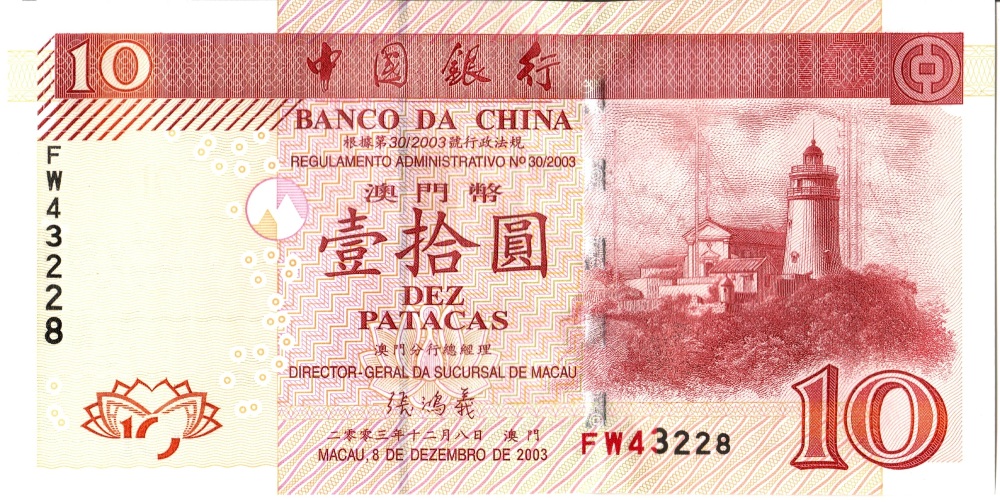
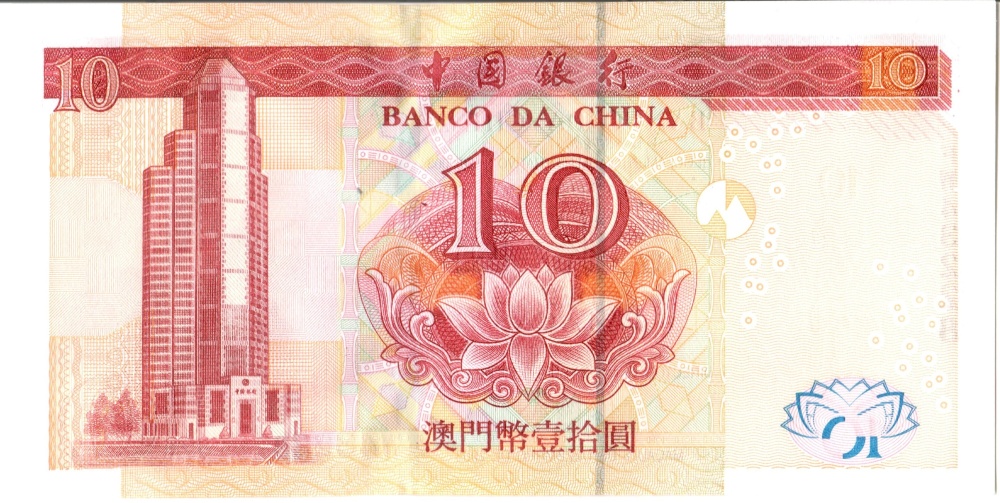
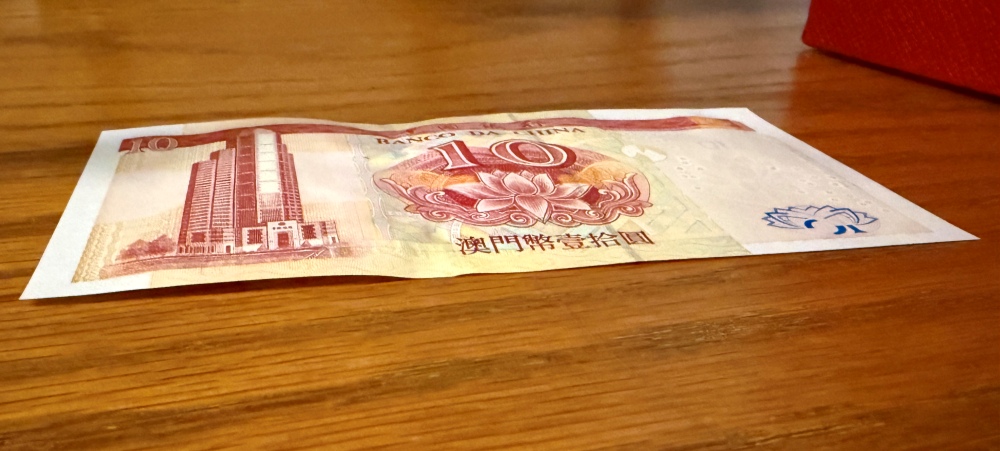
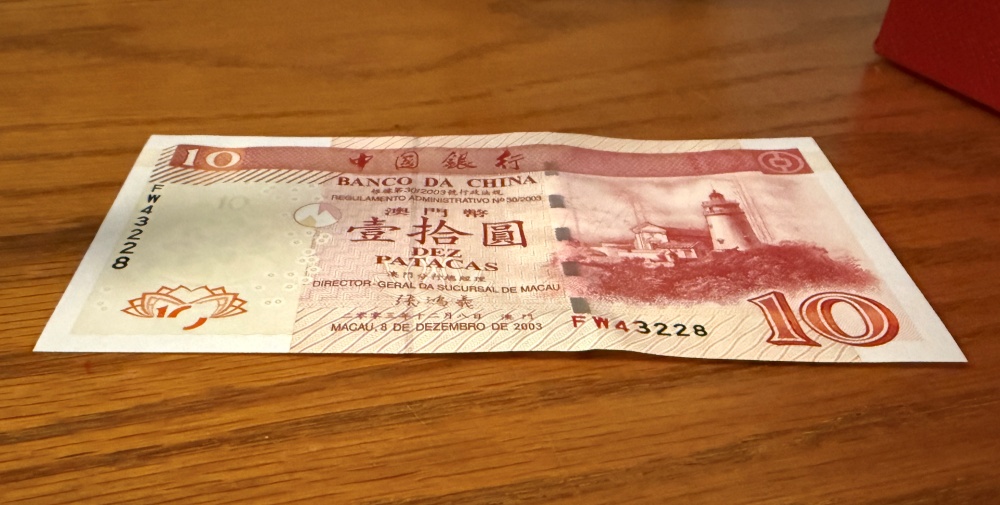
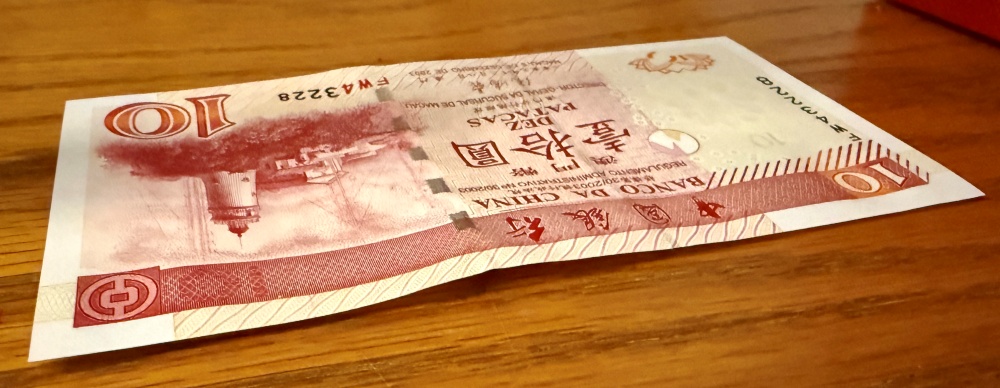
It is always a challenge to assess a note's condition (or grade) from photos (& even more so from scans). Your angle shots of your 10 Patacas help but side lighting can also really highlight minor impairments. Just from eye-balling it, I would venture to guess either UNC 63 or UNC 65 EPQ. Your note's design is slightly askew so that's why I would not assign it a 64 or 66. In Canada it may well get a 60 "Original" depending on how much it has been handled (or what production flaws discovered). Many international collectors grade a little stricter than US. The EPQ stands for Exceptional Paper Quality (never altered) & is also an important attribute most collectors also seek.
For me, grading is an action that a collector must perform on his/her notes (or on banknote withdrawals) & practice doing (over & over) in order to pick up the skill. I have been collecting paper since 12 (over 5 decades) & thought I could grade about 20 years ago but really did not have a clue. That changed after I took a workshop & became committed to learn hands on. It's one thing to eyeball and wonder but it's another thing to actually do it & consider why you have assigned "such a such" grade.
Here's a thread that discusses the topic further. I highly recommend you (or any collector) review the videos as they're well done (& what you don't know can hurt you in this hobby):
https://goccf.com/t/482766
If it has not been circulated then it is uncirculated. However, there are varying degrees of perfection so there are varying degrees of the UNC grade. Usually dealer/collector handling are what knock a note down from UNC 70 to UNC 63 (or less) but production flaws (poor centred designs) also play a role.
It is always a challenge to assess a note's condition (or grade) from photos (& even more so from scans). Your angle shots of your 10 Patacas help but side lighting can also really highlight minor impairments. Just from eye-balling it, I would venture to guess either UNC 63 or UNC 65 EPQ. Your note's design is slightly askew so that's why I would not assign it a 64 or 66. In Canada it may well get a 60 "Original" depending on how much it has been handled (or what production flaws discovered). Many international collectors grade a little stricter than US. The EPQ stands for Exceptional Paper Quality (never altered) & is also an important attribute most collectors also seek.
For me, grading is an action that a collector must perform on his/her notes (or on banknote withdrawals) & practice doing (over & over) in order to pick up the skill. I have been collecting paper since 12 (over 5 decades) & thought I could grade about 20 years ago but really did not have a clue. That changed after I took a workshop & became committed to learn hands on. It's one thing to eyeball and wonder but it's another thing to actually do it & consider why you have assigned "such a such" grade.
Here's a thread that discusses the topic further. I highly recommend you (or any collector) review the videos as they're well done (& what you don't know can hurt you in this hobby):
https://goccf.com/t/482766
Edited by walk2dwater
12/01/2025 09:32 am
12/01/2025 09:32 am


