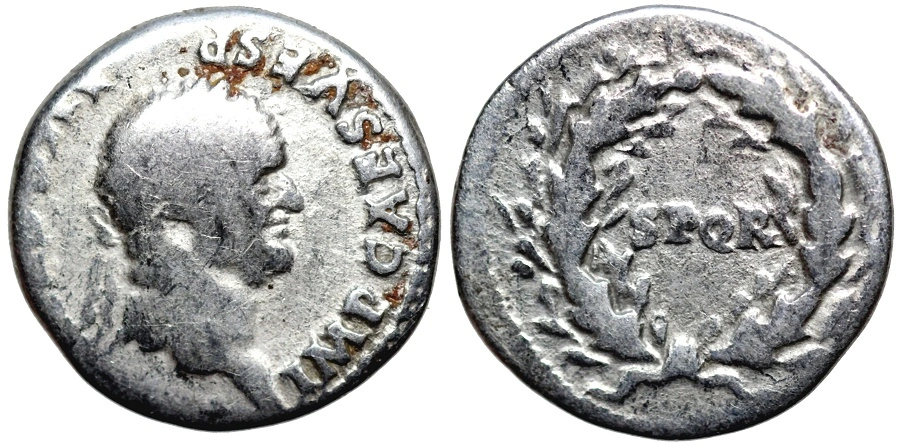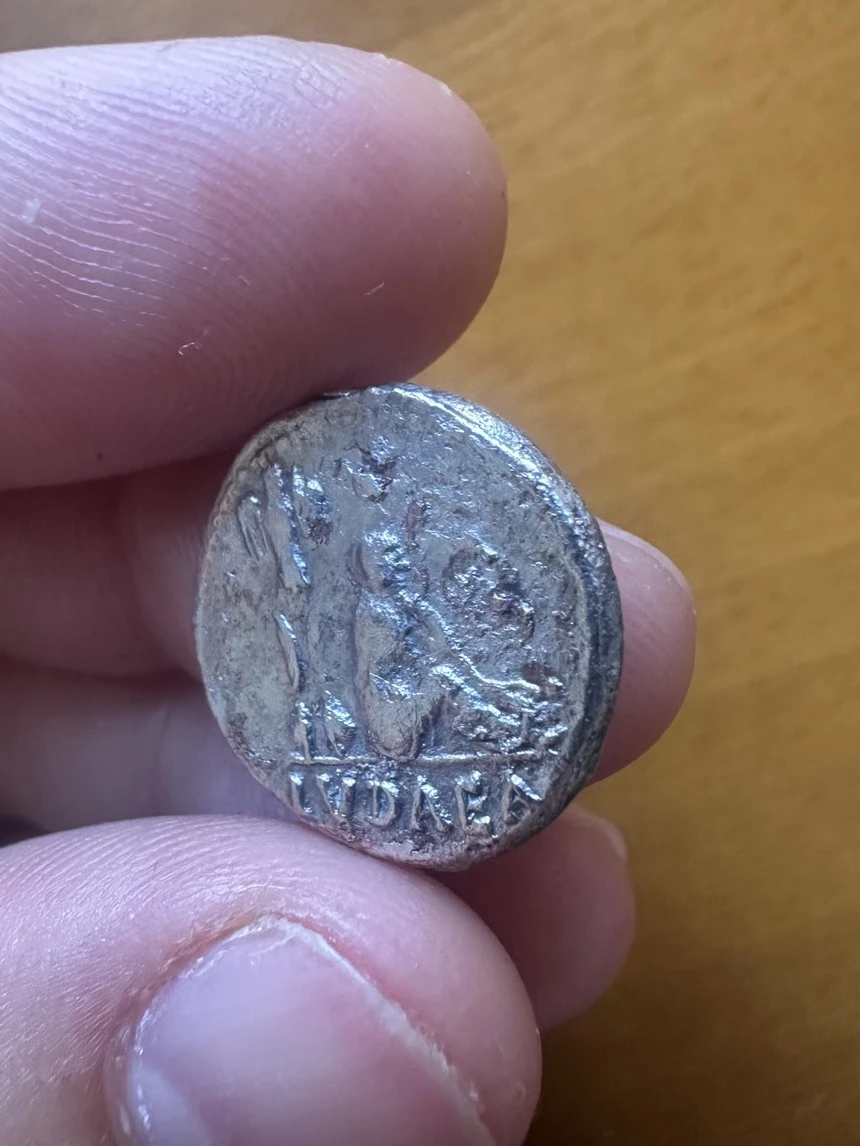
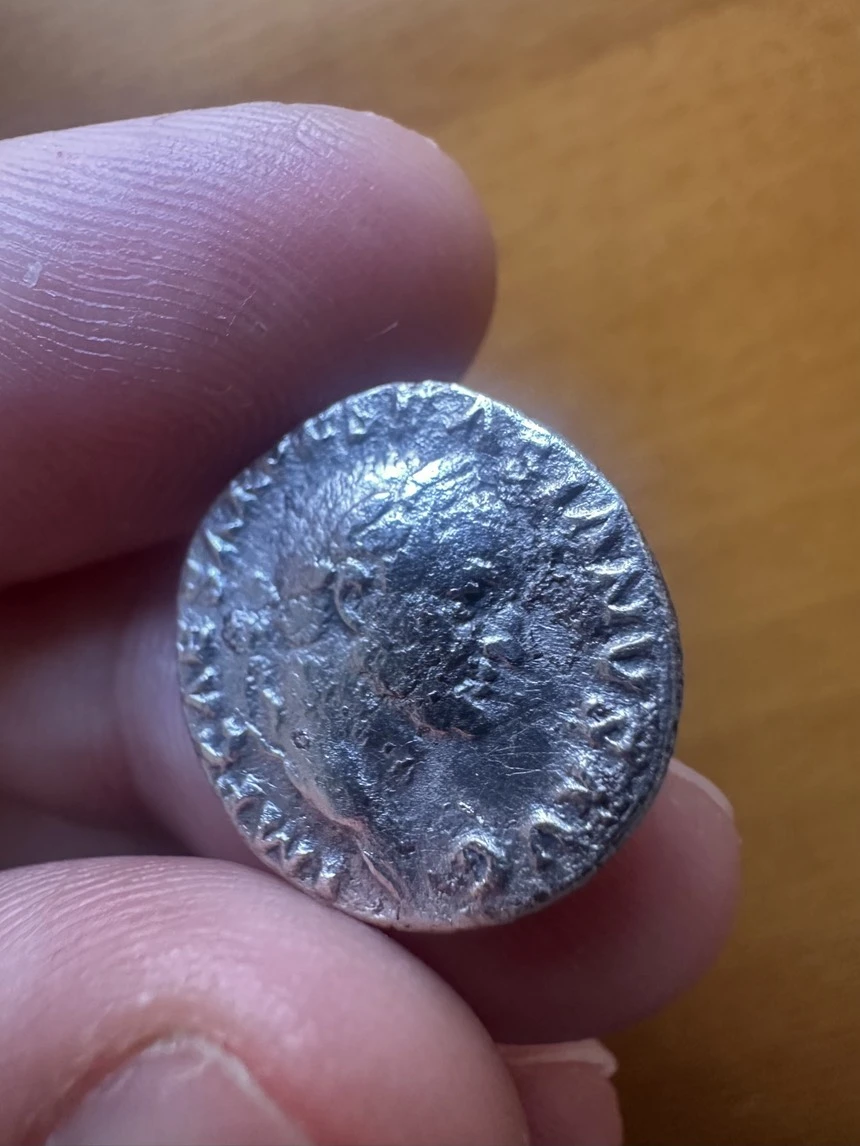
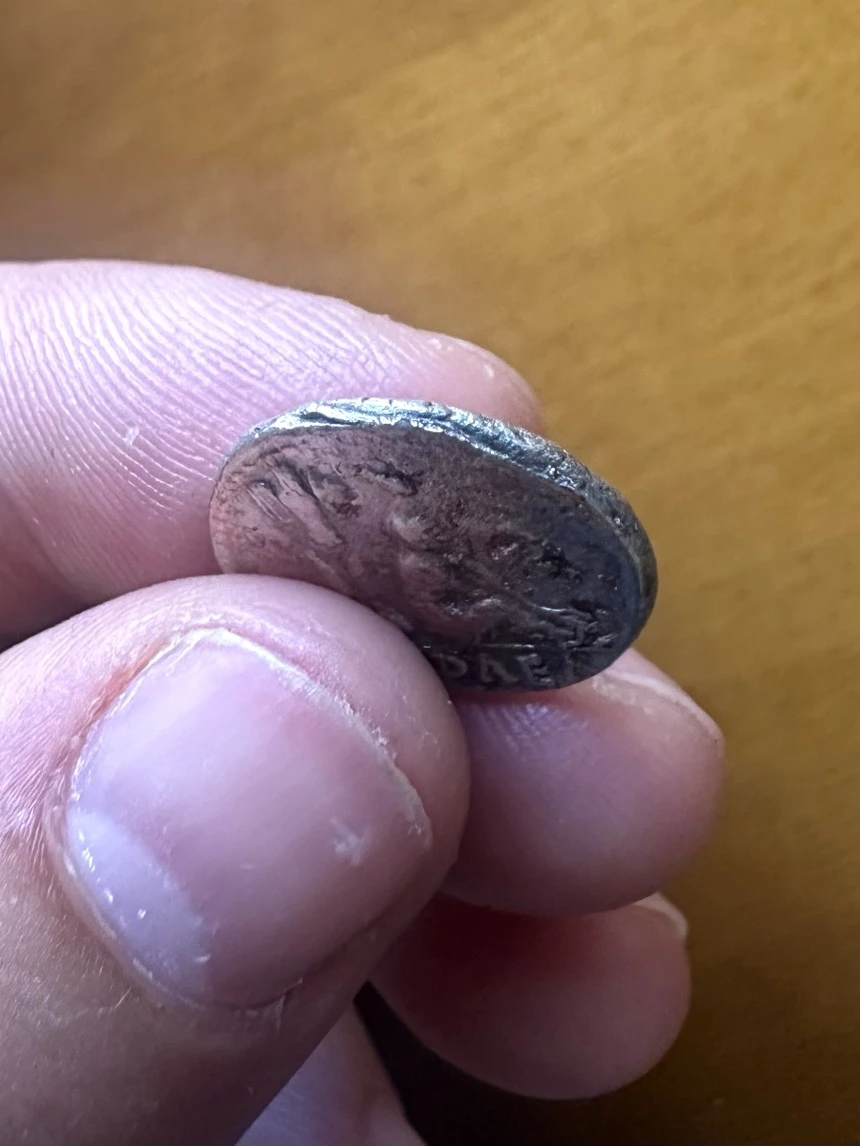
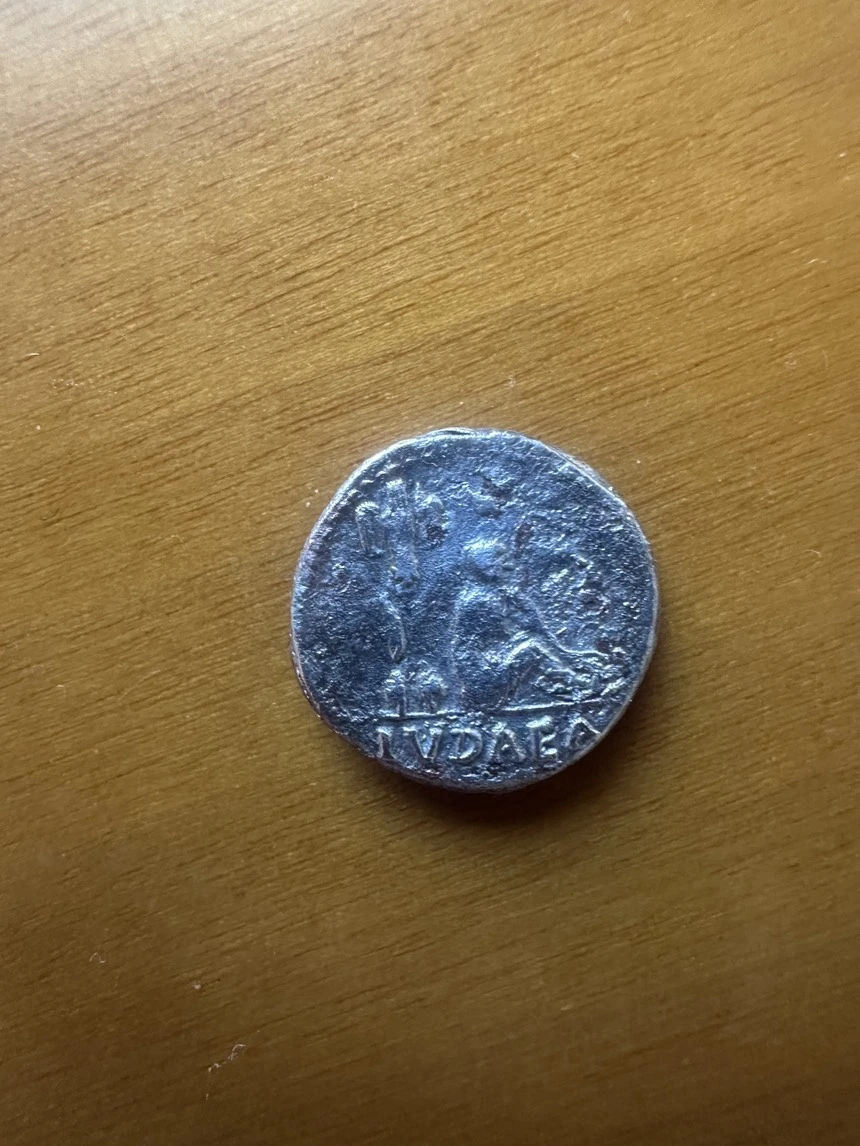
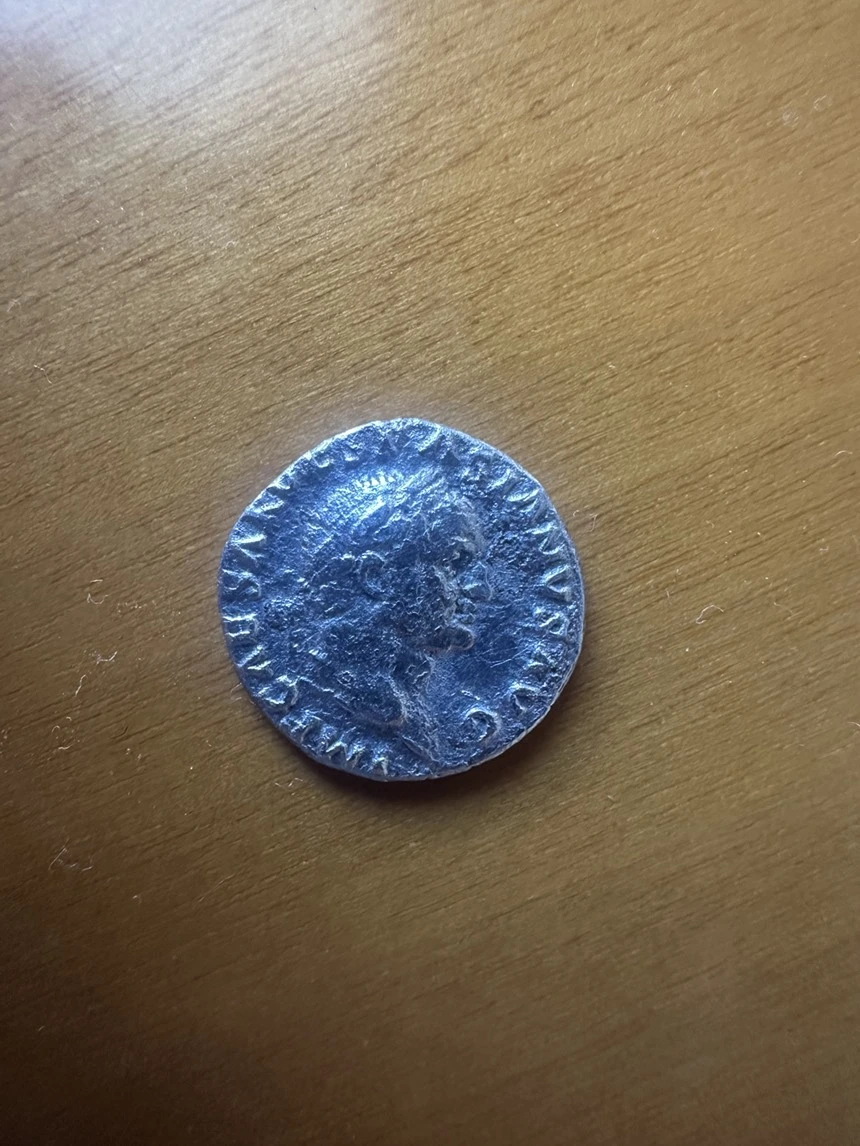
I've been caught out a few times with ancient forgeries at auction. I just bought this one and am wondering if I'm headed for another disappointment when I send it off to be sold by another auction house. There are some rust deposits front and back (like little raised bits). A small imperfection in the obverse portrait (like a little lip on VESPASIAN's jaw).
Does anything stand out as odd from the picture at all? Am I just a complete amateur sucker that bidded on something that others avoided and that's why I won it!? I was so pleased but maybe you wouldn't have bidded on it either if you were them! I'm particularly interested in how rust can be a sign of a fake and why. Also, is it uncommon to find rust deposits on denarius from spalling on the die and how would this appear on the coin as genuine?
Thanks!
P.S. Any tips on how to spot ancient immitations, that would be great if you could spare a few minutes for a learning girl.
*** Moved by Staff to a more appropriate forum. ***
So far as I am aware, ancient coins were always struck from bronze dies. Iron dies don't come in until the Middle Ages (possibly because knowledge of how to make hardenable bronze was lost), and their adoption is associated with an extreme crudness of style. But I'm afraid I have nothing to say regarding the genuineness of your coin.
Quote: ...There are some rust deposits front and back (like little raised bits)... ...I'm particularly interested in how rust can be a sign of a fake and why...
This coin is supposed to be silver. Silver coins don't "rust". Ancient silver coins might get deposits of horn silver, but horn silver is never "silver-coloured", it doesn't look like lumps of raised metal on the surface of the coin.
So the presence of these raised lumps is concerning, as such "raised lumps" are often the sign of a cast copy. Making the mould for a cast copy sometimes creates little bubble son the surface of the mould - and an indentation in the mould surface will create a raised lump on the coin produced from that mould.
Don't say "infinitely" when you mean "very"; otherwise, you'll have no word left when you want to talk about something really infinite. - C. S. Lewis
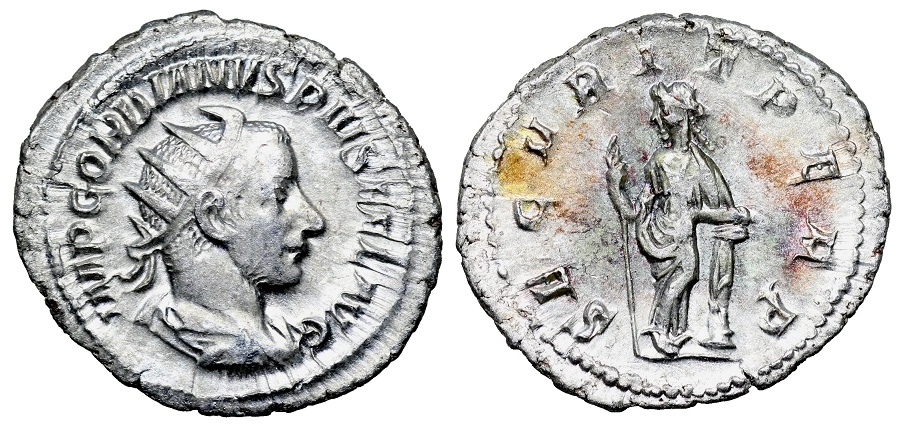
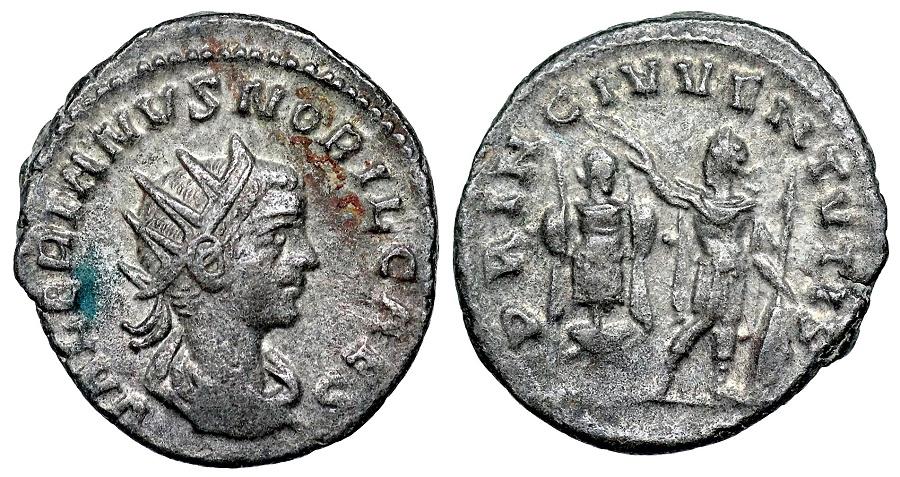
Silver doesn't rust; but ancient silver coins with rust are not uncommon. This happens when the coin is in contact with something iron for hundreds of years.
I have had many silver coins with rust...here are a few
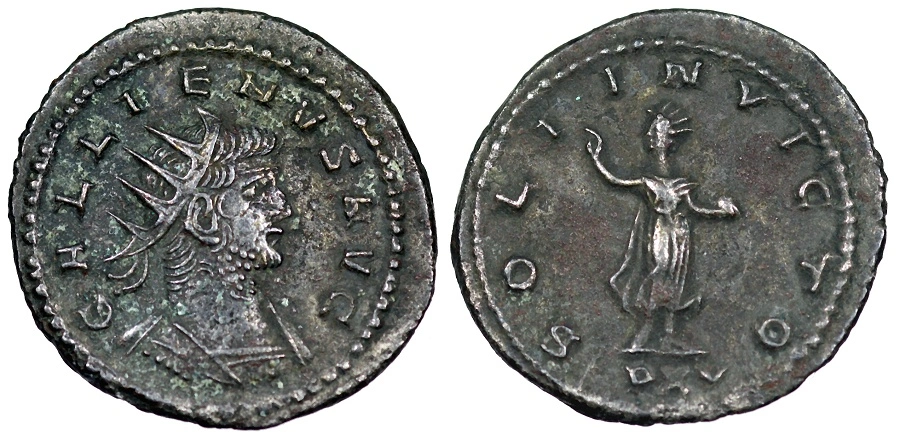
and this Gallienus that I got in the mail today has some rust on the reverse. I am cleaning it now.
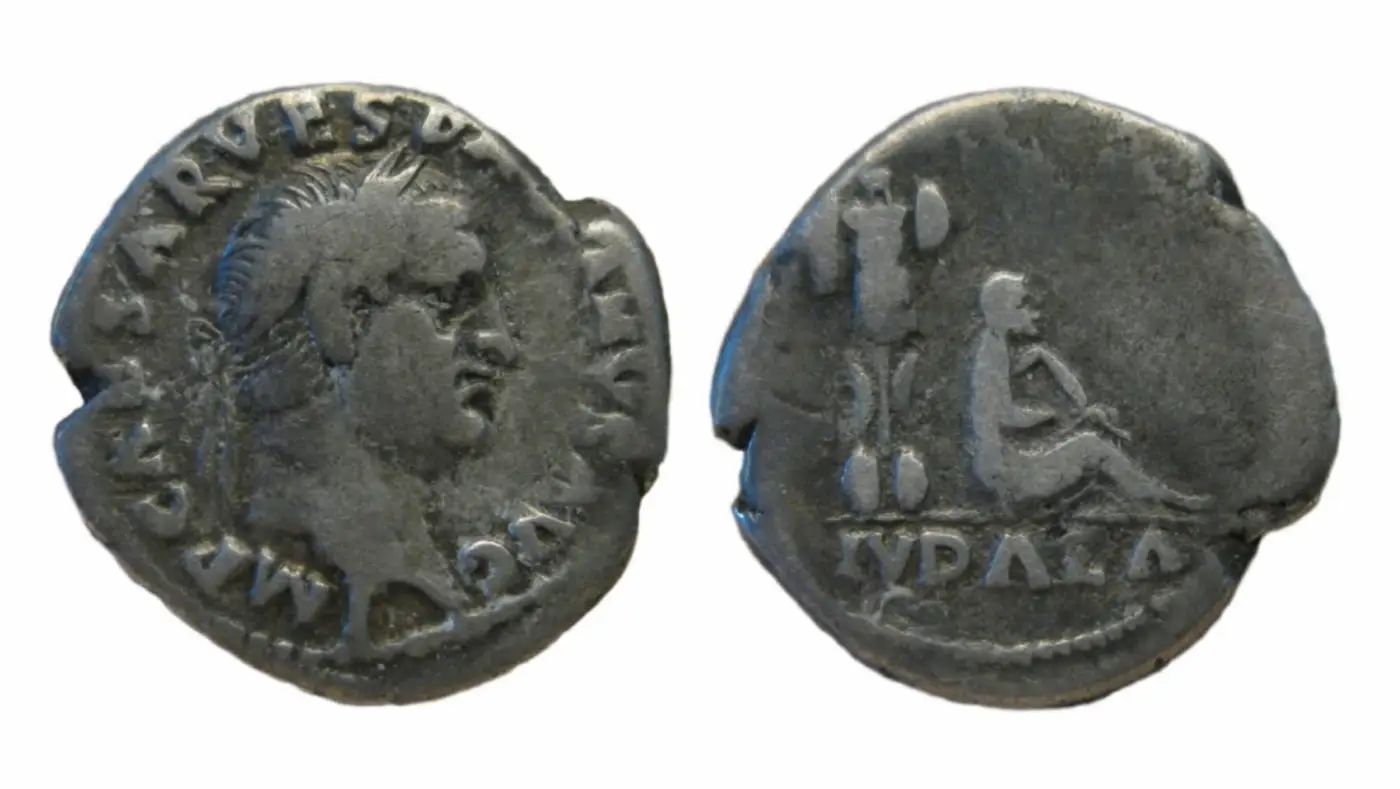
Welcome to CCF! It's either genuine with a lot of roughness and porosity or cast fake. This is a popular coin type showing Vespasian's victory against the Jews revolt starting in 66 AD.
One of the foremost experts on ancient Jewish coins is David Hendin. He's written several books, numerous articles. You might be able to contact him through the American Numismatic Society. If you get his email, send him pics of this coin for his opinion, he may answer.
My opinion it's a cast fake. If you have a coin store near you with XRF they could analyze it to see if it's silver. Through the years the Romans changed the alloy content of their coins, eventually debasing it like the USA did when it went from 90% silver to copper clad.
Even if it's genuine if seller accepts returns I'd consider sending it back for refund and save up for a better one.
I have a couple of these, here is one of mine. I got it from a long time ancient coin dealer for about 25 years, now retired. It's wise to buy coins from professional ancient coin dealers who have handled many ancient coins and offer returns/refund. One online store I like is Vcoins.com with multiple dealers.
Disclaimer: While a tremendous amount of effort goes into ensuring the accuracy of the information contained in this site, Coin Community assumes no liability for errors. Copyright 2005 - 2026 Coin Community Family- all rights reserved worldwide. Use of any images or content on this website without prior written permission of Coin Community or the original lender is strictly prohibited. Contact Us | Advertise Here | Privacy Policy / Terms of Use