








 Posted 03/23/2026 9:35 pm


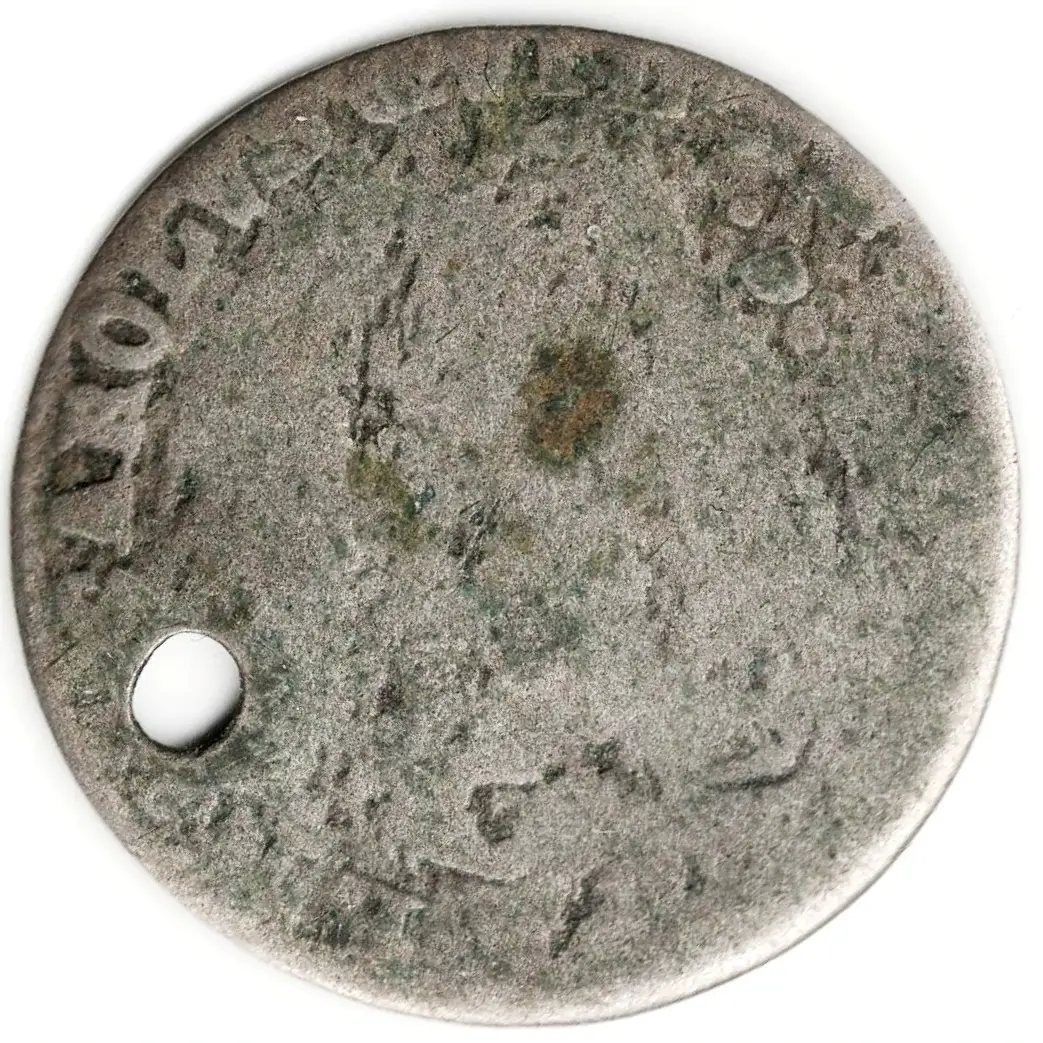
Interesting that the only legible bit of the legend is "CAROLVS", which doesn't really help narrow things down. However, the next word appears to start with "GVIL", which would be Latinized "William".
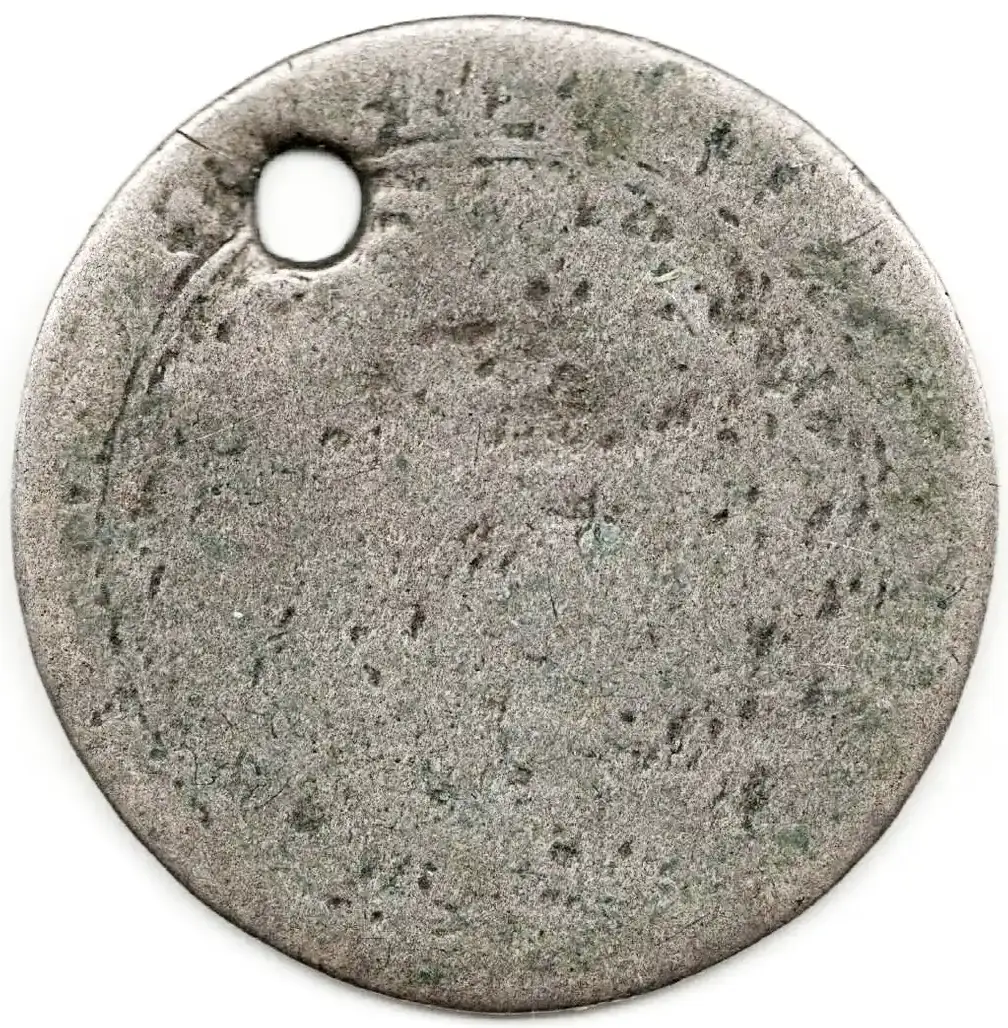
Thinking it might be a German States coin, there are two "Karl Wilhelms" on the books of ruling princes: the first is the Duke of Saxe-Meiningen 1763-1782. Looking up coins from Saxe-Meiningen from that time period, we find they did not tend to name the monarch on their coins. So we move to the second option, Karl Wilhelm Ferdinand of Brunswick-Wolfenbüttel 1780-1806. And here we have a match for the legend, size and weight: this 1/24th thaler: https://en.numista.com/165060
This prince was brother-in-law of British king George III and is considered one of Germany's greatest military leaders of that age; he was killed in battle against Napoleonic France in 1806. His marriage to Princess Augusta in 1764 was widely popular with the British public, although George III himself seemed to take a personal dislike to him.
Thinking it might be a German States coin, there are two "Karl Wilhelms" on the books of ruling princes: the first is the Duke of Saxe-Meiningen 1763-1782. Looking up coins from Saxe-Meiningen from that time period, we find they did not tend to name the monarch on their coins. So we move to the second option, Karl Wilhelm Ferdinand of Brunswick-Wolfenbüttel 1780-1806. And here we have a match for the legend, size and weight: this 1/24th thaler: https://en.numista.com/165060
This prince was brother-in-law of British king George III and is considered one of Germany's greatest military leaders of that age; he was killed in battle against Napoleonic France in 1806. His marriage to Princess Augusta in 1764 was widely popular with the British public, although George III himself seemed to take a personal dislike to him.
Don't say "infinitely" when you mean "very"; otherwise, you'll have no word left when you want to talk about something really infinite. - C. S. Lewis


