| Author |
 Replies: 348 / Views: 25,755 Replies: 348 / Views: 25,755 |
|
|
|
Moderator
 United States
23731 Posts |
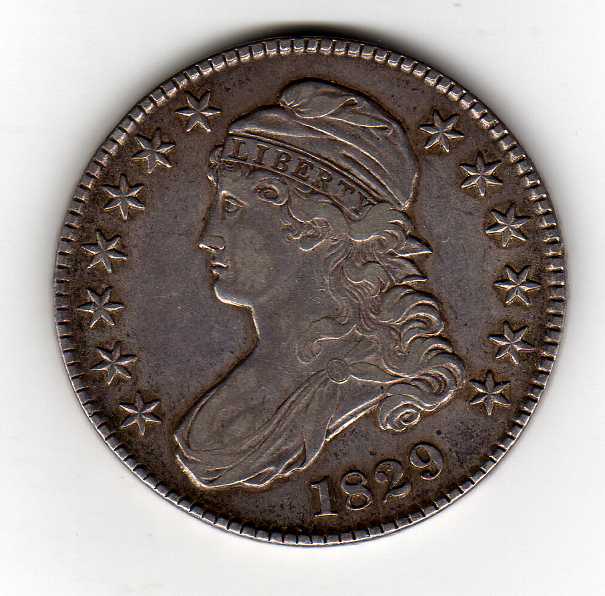
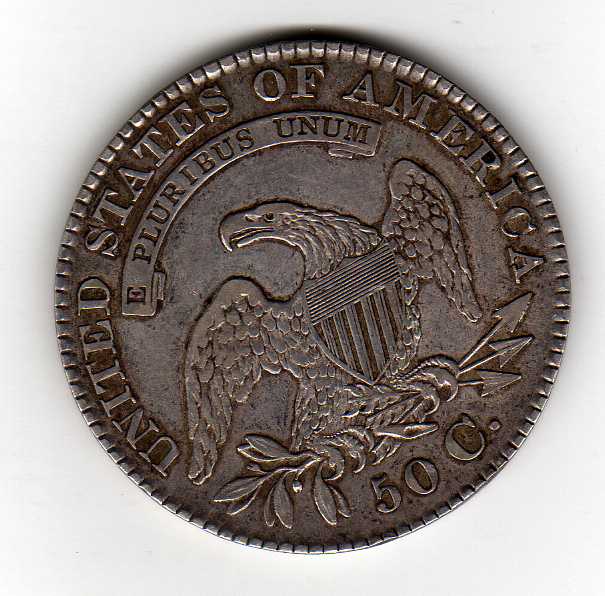
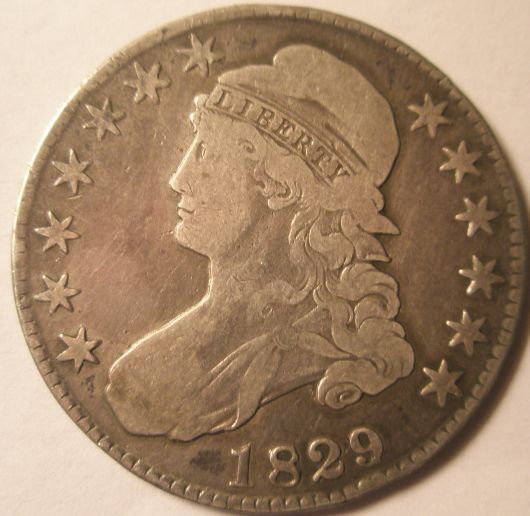
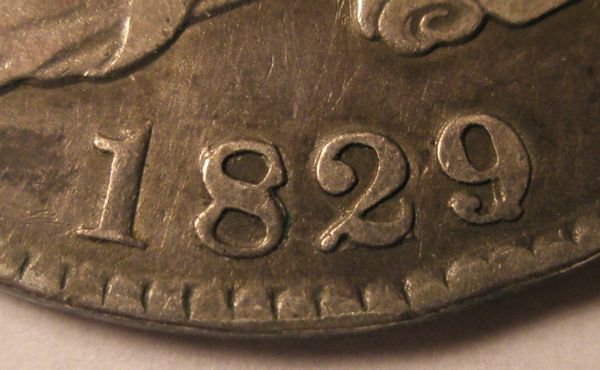
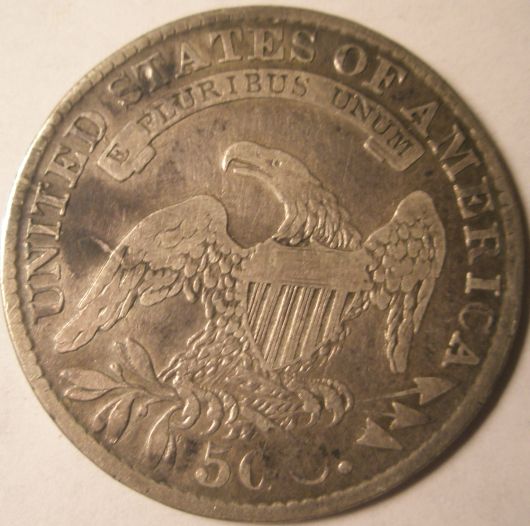
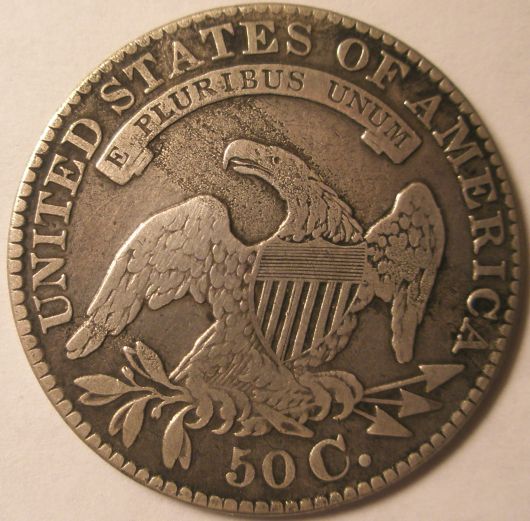
Moe, et al. I hope you don't mind I know we are posting 1828's today. But I just received this coin today and wanted to share it with you all. If it interrupts the flow I can move it to another place. 1819 O-110a (R-3). I think. The reason I say that is the the F in the word OF appears to have the top cut off and moved down the shaft of the letter. You folks have better eyes than I do, so tell me what you think. 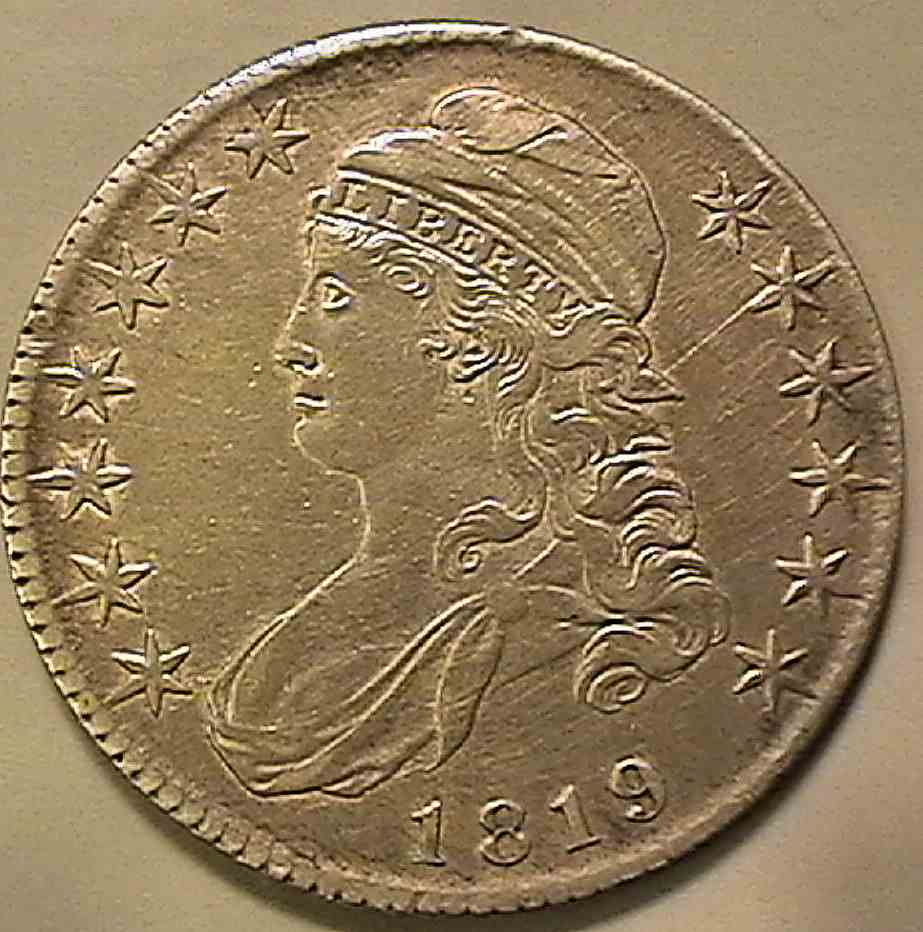 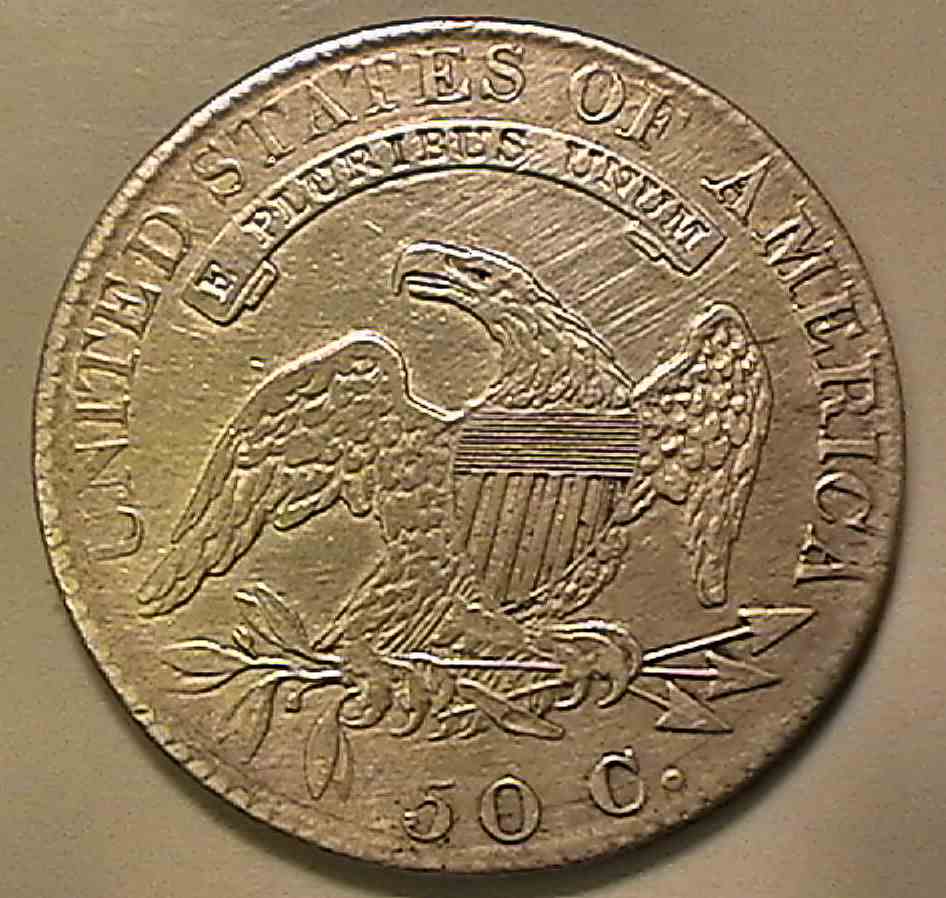 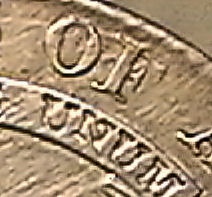 Too bad it's been harshly cleaned. Edited by echizento
10/21/2010 3:15 pm
|
|
Pillar of the Community
 United States
8904 Posts |
No problem at all my friend! Post away! That is a nice one! (Of course, any CBH is a good one, in my eyes!)  And the O-110a attribution looks good to me. (The #7 star is recut a few times, and the reverse die crack from the UNITED to the top of the 2nd T in States is correct and then it migrates to the middle of the letter, then on through the Motto all look good). Edited by Moe145
10/21/2010 3:28 pm
|
|
Pillar of the Community
3660 Posts |
Moe, Echi,.....do either of you know how your prized CBH treasures were actually coined? Does the term 'screw press' conjure images in your minds, or is the coin's creation irrelevant since they actually exist?
|
|
Moderator
United States
23731 Posts |
Was this the only early US coin made that way, or were they all at that period in time?  So I guess the term struck doesn't really apply. Pressed would be more correct. Edited by echizento
10/21/2010 9:49 pm
|
|
Pillar of the Community
3660 Posts |
Nope....these coins were struck in a coin press not squeezed or slowly pressed.
|
|
Pillar of the Community
United States
1801 Posts |
|
|
Moderator
United States
23731 Posts |
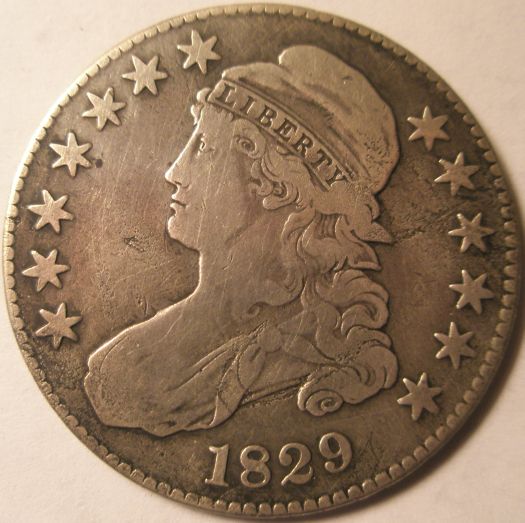
1829 O-105 (R-1) 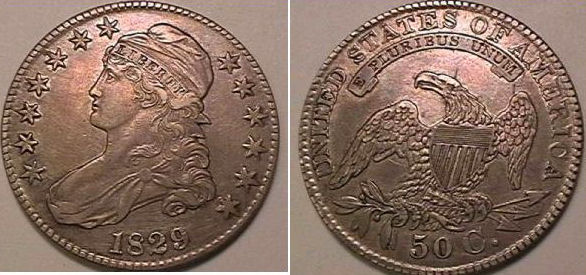 |
|
Bedrock of the Community
United States
11951 Posts |
I hope to have more CBH's soon. Here is my 1829/7 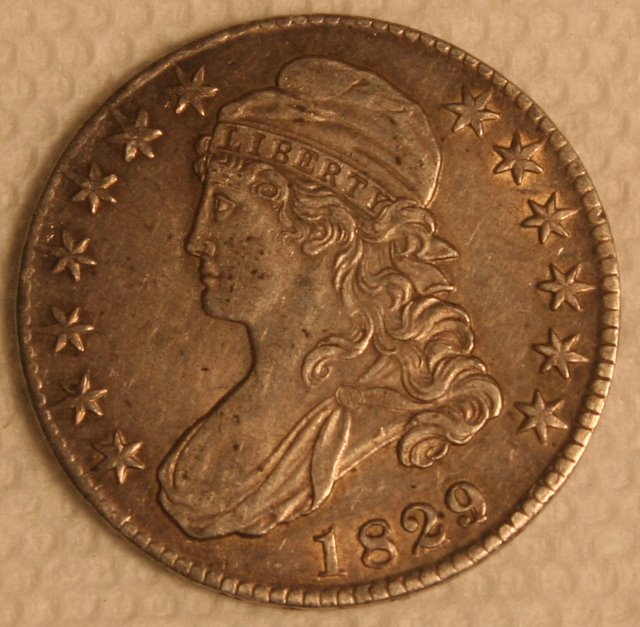 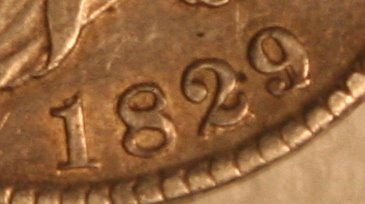 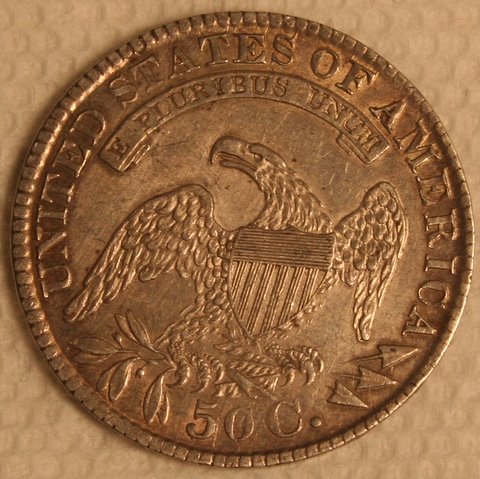 |
|
Moderator
United States
23731 Posts |
Nice coin GoldRush O-101a (R-1)
|
|
Pillar of the Community
United States
8904 Posts |
|
|
Pillar of the Community
United States
6438 Posts |
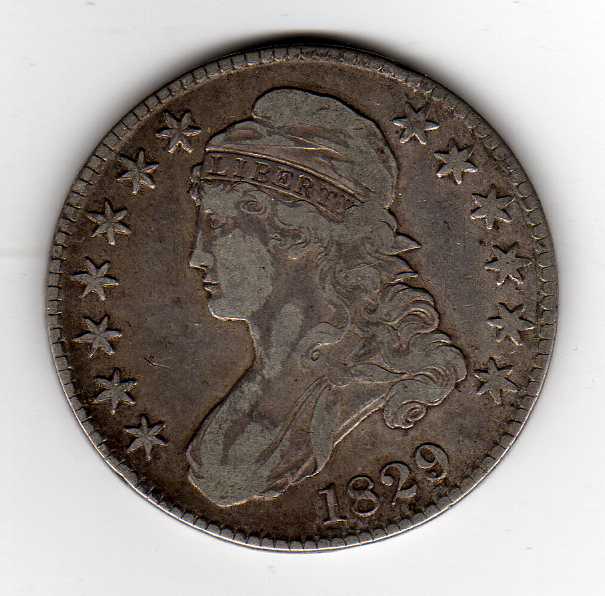
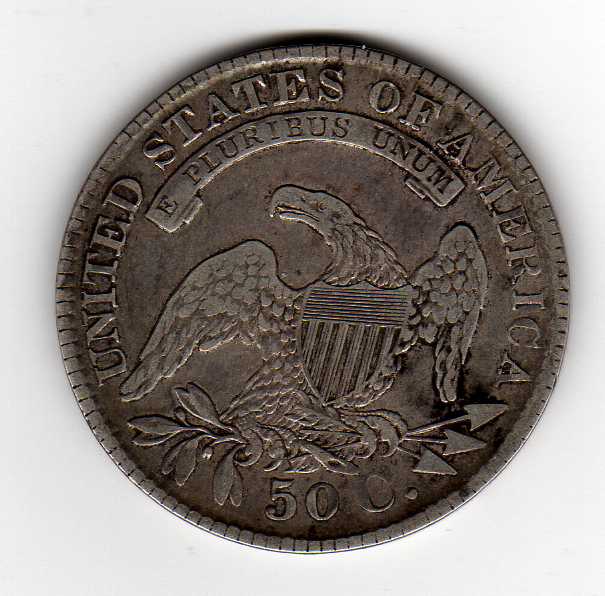
I have an 1829. Don't know the Overton type for it however. Looks VF25 or so to me. 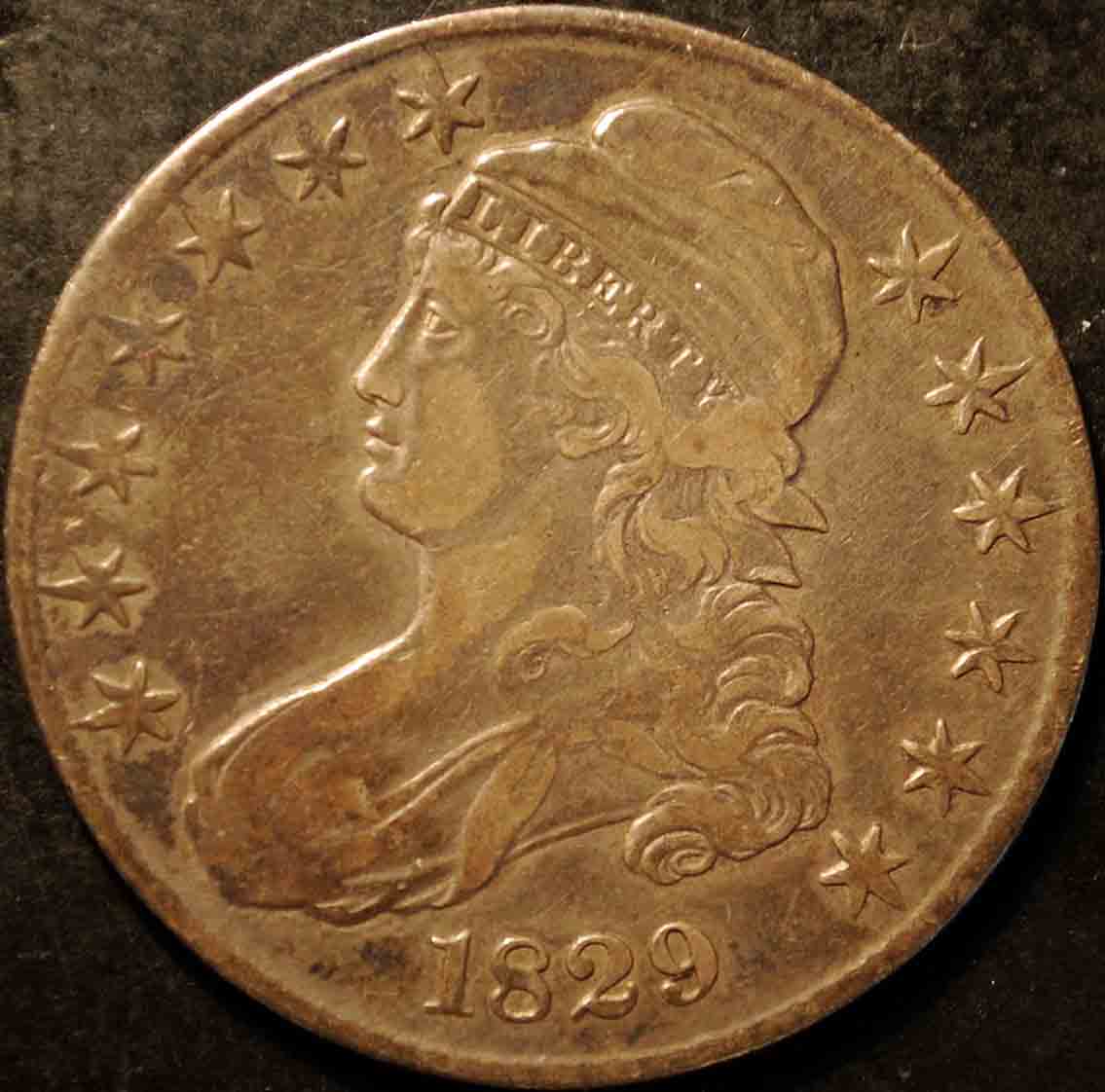 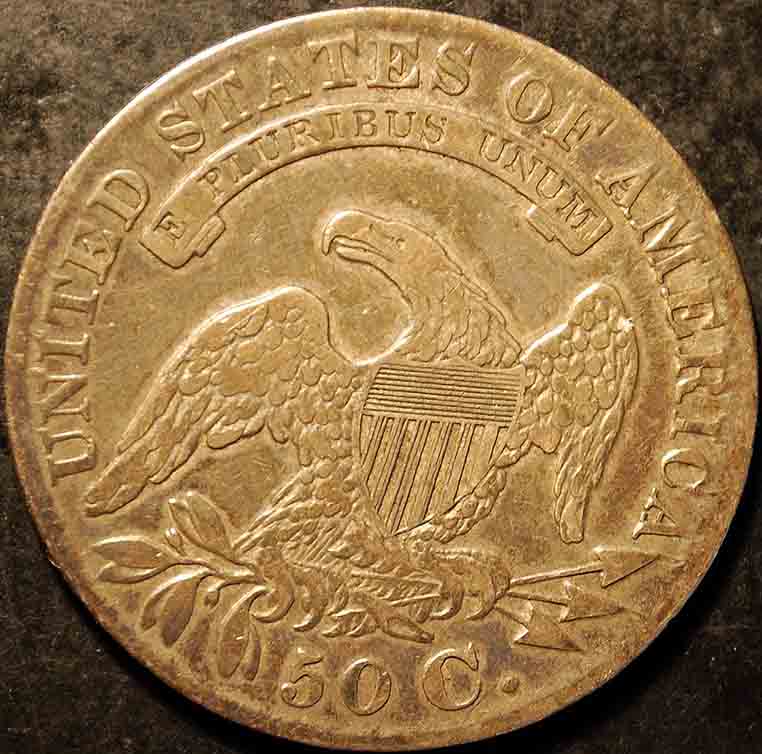 |
|
Pillar of the Community
3660 Posts |
Quote:
So I guess the term struck doesn't really apply. Pressed would be more correct. No Echi, the term screw press is throwing you off. A screw press is merely a type of powering a press (steam press, hydraulic press, etc). Few screw presses were used to create coins. The term is very generic, and does not mean that a handle was turned to press coins at the U.S. Mint in the 19th century as was done in 16th century Europe. The first screw press used to strike coins in England (in 1561) was powered by a horse. The quality factor over hammered coins was substantial, but the process was extremely slow as opposed to simply hand hammering coins, so after a few years, England reverted back to the hammer over the screw press to finance its wars. Screw presses had been used in mainland Europe to coin far earlier than this though. Consider this: The U.S. Mint would have to go out of its way to find total idiots to serve as coiners if this is how CBH and other contemporary coins were created. Only Larry, Curly, and Moe could clash dies by turning a handle to squeeze two dies together. When it comes to CBH, non clashed coins are the exception rather than the rule. Would this not imply that the coiners were either consistently drunk or imbeciles? How often might you expect a clash to occur? How 'could' a clash occur? It won't happen by squeezing two dies together, I assure you. These coins were struck, they were not pressed. Screw presses used for stamping coins and screw presses used for hubbing dies (were more sophisticated than rudimentary screw presses used for crushing and squeezing things) and operated with sudden and violent action, not a squeeze. Think guns......The screw drive of the coin press merely cocked the hammer and applied increasing pressure onto that hammer (actually a plunger) that when a maximum amount of pressure was built up on that plunger, a trigger would release the plunger and ram the upper die onto the lower (like squeezing a gun trigger), at a certain point, the hammer is released, ramming onto the firing pin, onto the cap, and moving the projectile (die) with great force. |
|
Pillar of the Community
United States
8904 Posts |
Quote:
Only Larry, Curly, and Moe You talkin' to me?  |
|
Pillar of the Community
3660 Posts |
jfransch, your first 1829 is O-113a (R-2).....and your second is O-105 (R-1). Quote:
1829 O-119 (R-2) ? Yes, O-119...  Nice one Jaobler... it is O-115 (R-1). Lots of nice ones on these past couple of pages...... |
|
Pillar of the Community
3660 Posts |
Quote:
You talkin' to me? I doubt that you are 'that' old Moe, but like they say......"If the shoe fits",,,,,,,,,, |
| |
Replies: 348 / Views: 25,755 |








 First Page
 Previous Page


 Posted 10/21/2010 3:14 pm