| Author |
 Replies: 13 / Views: 1,221 Replies: 13 / Views: 1,221 |
|
|
Valued Member
United States
355 Posts |
Obverse 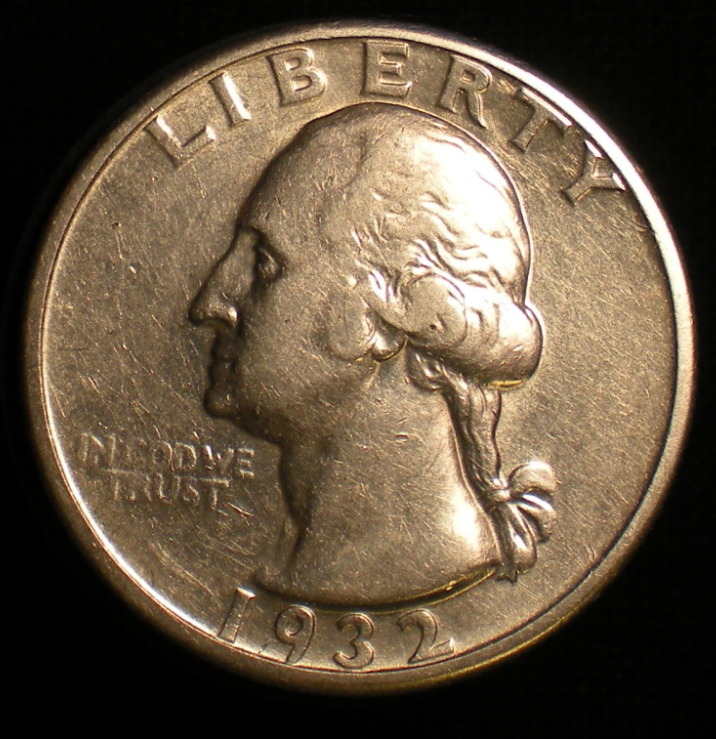 Reverse 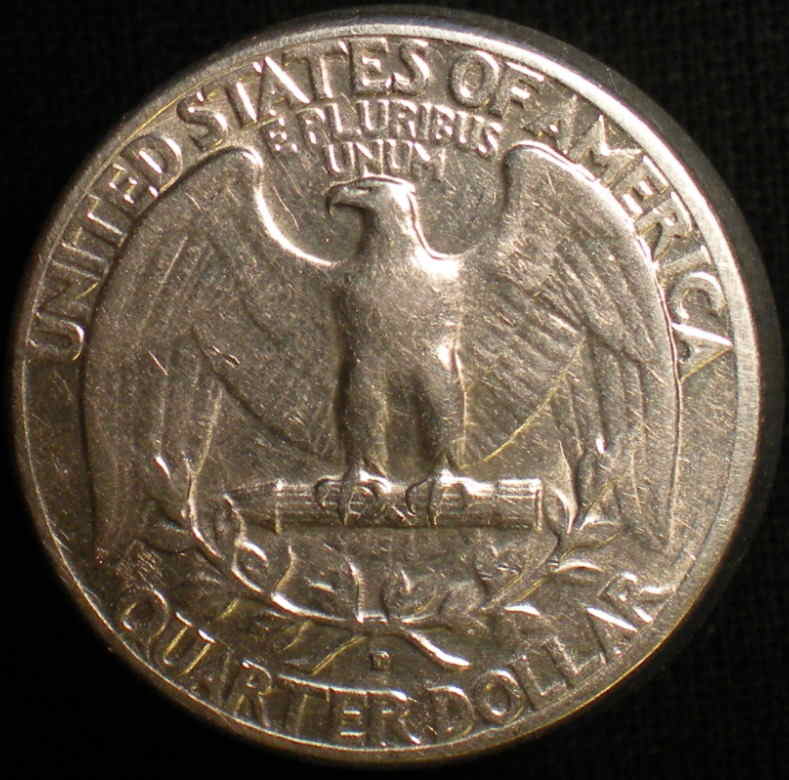 |
|
|
|
Pillar of the Community
United States
5854 Posts |
I am not completely sure but I think this coin is genuine. The coin looks a tad bright which might be from a cleaning. I will go with EF-40 details. Very nice!
|
|
Valued Member
 United States
355 Posts |
Thanks D0ubl3Eagle! I wondered about the cleaning as well, is there a way to tell for sure? If it is cleaned how does that affect the grade\value...do you knock points off the grade? Is it just worthless at that point?
|
|
Rest in Peace
United States
9104 Posts |
Vf, needs acetone or verdicare.
|
|
Pillar of the Community
United States
3284 Posts |
Vf 35, far from worthless
|
|
Valued Member
United States
355 Posts |
Thnk you all for the help. I'm curious, what will aceton or verdicare do for this quarter.
|
|
Pillar of the Community
United States
9811 Posts |
Quote:
phankins11: I wondered about the cleaning as well, is there a way to tell for sure? If it is cleaned how does that affect the grade\value...do you knock points off the grade? Is it just worthless at that point? VF too many small hairlines you should be able to see while slightly tilting and and slowly moving side to side under an intense light source. I had the date m/m in VG heavily cleaned it brought over $50.00 on ebay last year. I'd say your is worth $150-200 in the shape it's in, hardly worthless! The cleaning will knock the grade down - sometimes usually seen on a slabbed coin as details or "net" graded. As to how much a cleaning lowers the value, that is dependent on each coin and how bad the coin is affected by it, a light dip to remove toning or unsightly tarnish sometimes won't matter, a heavy dip/rinse is the least damaging to value, a wipe or a thumbing (term used in silver dollars where one wipes the flat cheek of the Liberty to hide small ticks and scuffs) is the next best, followed by wiping the coin with a soft cloth, then harsher cleanings generally use brushes, scrubbing or even polishing. Worst are coins that have been whizzed (they show an unnatural shiny surface, with hairlines too small to see without a magnifier, usually), many times a cleaning is hidden with AT (artificial toning) or sped up toning using lots of different things, mostly chemicals and heat). This is why I advocate buying the book before the coin, learn as much as you can, go to coin shows and shops to see lots of coin examples, also look for a mentor in the business, that is the best. CCF is a great resource, but it takes years of experience. My high school pal and fellow coin nut started one of the big TPG's (still going now) he could look at a pile of $20 Saints and pick the counterfeits out naked eye every time. Some people just have a knack for cleaned and counterfeit coins, but for most it takes years of study and seeing lots and lots of coins. If you get into the hobby enough I suggest you take a Summer Seminar class on grading, that is the one thing that really taught me the most knowledge, and those classes still remain some of the best/most fun weeks in my life. "Buy the Book Before You Buy the Coin" - Aaron R. Feldman - "And read it" - Me 2013! ANA Life Member #3288 in good standing since 1981, ANS, Early American Coppers Member (EAC), Colonial Coin Collectors Club member (C4), Conder Token Collector Club member (CTCC), Civil War Token Society (CWTS) member, Liberty Seated Collectors Club (LSCC) & Numismatic Bibliomania Society member (NBS), USMex, Member in good standing, 2¢ variety collector. See my want page: http://goccf.com/t/140440Edited by westcoin
01/25/2012 03:27 am
|
|
Pillar of the Community
United States
3552 Posts |
Hello, To rule out possibility that the very slight tinge of light green coloring is indeed verdigris (doubtful unless it is a copper substrate), I would suggest that you initially avoid becoming involved with utilizing any exotic chemistry for the removal of this complex chemical compound. I would consider, instead, just soaking the suspect coin in 100% pure (or laboratory grade) acetone for at least 15 - 20 minutes. Typically, lower grade acetone-based fingernail polish remover, for example, has been shown to leave unsightly white residue upon evaporation. The residue from low grade acetone is especially noticeable on BU and above graded coins. Then after completing this simple one chemical component soaking I would suggest ('immediately' while it remains moist) scraping this green crud off using a porcupine quill or rose thorn both of which will not scratch the patina of the coin. Quills are readily available on ebay etc. If you happen to end up with a coin surface free of the green crud after using these two above steps, then in all likelihood verdigris never existed on your coin. If the green crud remains after applying all of the above steps, however, you have a much larger problem on your hands which is most likely Verdigris chemically bonded to the surface of the coin. Verdigris' components are composed of complex structures of organic, 'copper', and mineral salts which are all insoluble in water or acetone etc. I prefer to initially take the path of least resistance involving minimal expenses... The proper procedure(s) for removing Verdigris should be left for another thread. fyi, mdpmedia |
|
Valued Member
United States
355 Posts |
Thanks for all the great feedback guys, and thanks for being so quick to give it out. Its what I appreciate about the forum here. I haven't posted in a while, been busy with family stuff. Any way I appreciate the help here. I have a 1932 as well that I want to take pics of and get out here for our comments...so I'll do that when I get the time.
Its odd, I'm not sure if its the lighting, my camera, or the way I took the pic, but this 1932 D doesn't have any green stuff on it any where nor does it have a green tone to it, so I might try to take new pics and see If I cant get a pic closer to the real color of the coin. It does have a lot of hair lines on it, but the luster and look of the coin is really appealing IMO.
Westcoin, I'm interested in one of those summer courses, When I'm done posting here I will probably go out and look around, but do you have any direct information on a schedule or who puts them on?
One other thing I am going to do is get hooked up with the local club here where I live in Muncie, IN. I bought this 1932 D at the Muncie Coin and Stamp show this last weekend, it was my first really big show, pretty cool I'll say, anyhoo, I was able to talk to a couple of club members and get an idea of what the club and meetings were like. It sounds like something that would be worth my time.
Tanks to all for helping out here. I'll see what I can do to get some better pics of this coin.
|
|
Bedrock of the Community
United States
12437 Posts |
Quote:
do you have any direct information on a schedule or who puts them on?
The ANA operates the Summer Seminar series(kind of like a mini-college courses for numismatists) in Colorado Springs, two sessions are typically held during June/July. Many classes are available covering everything from beginner to advanced topics. http://www.money.org/Content/Naviga.../default.htm |
|
Valued Member
United States
355 Posts |
|
|
Pillar of the Community
917 Posts |
|
|
Pillar of the Community
United States
4778 Posts |
|
|
Valued Member
United States
355 Posts |
Better pics I think. 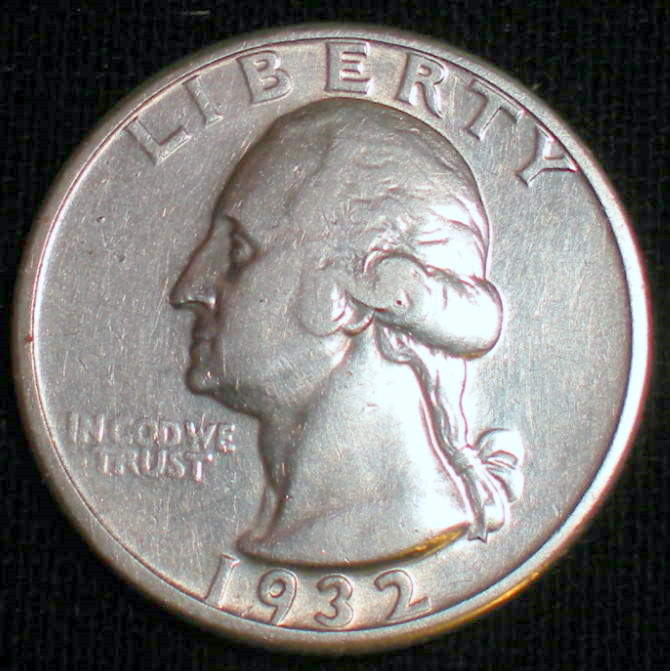 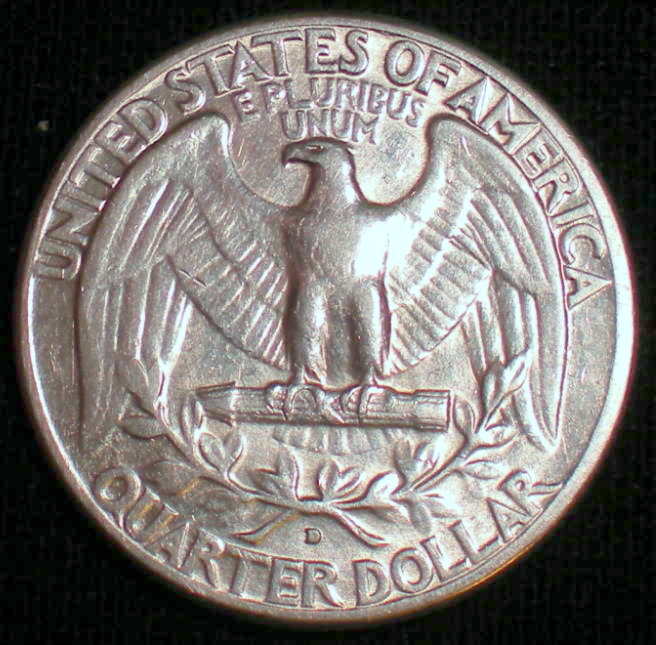 |
| |
Replies: 13 / Views: 1,221 |
|







 Posted 01/24/2012 6:42 pm


