| Author |
 Replies: 957 / Views: 110,399 Replies: 957 / Views: 110,399 |
|
|
|
Valued Member
United Kingdom
130 Posts |
Edward II class 14 penny of Bury St Edmunds. 1317-1320 Spink 1460; North 1065 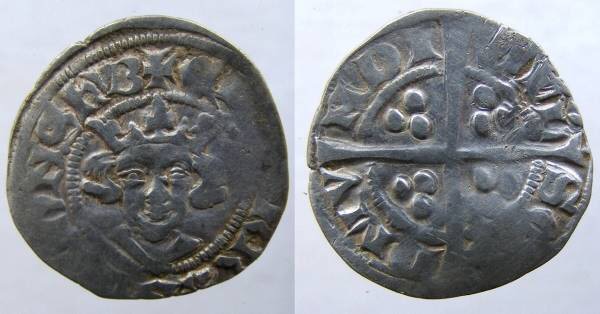 |
|
Pillar of the Community
United Kingdom
510 Posts |
1320-1342 Armenia Levon IV takvorin 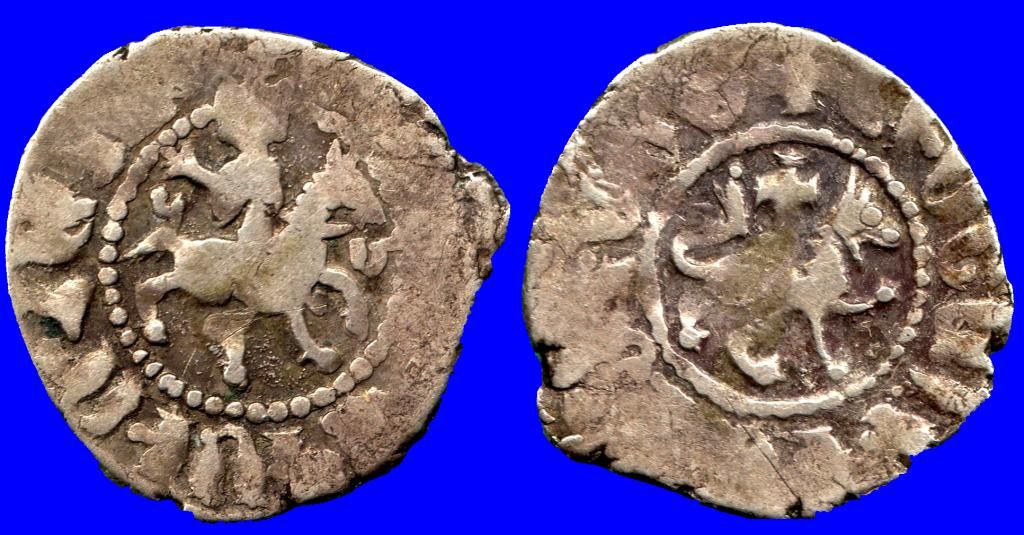 |
|
Pillar of the Community
1121 Posts |
From memory, Edward The Elder, and, Edward The Martyr, and Edward The Confessor, all came before Edward the First.
So Edward the First, is actually Edward the Fourth, and Edward the Fourth is actually Edward the Seventh, and Edward the Seventh is actually Edward the Tenth, - confusing?
Why did I start this?
Edited by Topcat7
02/26/2015 06:24 am
|
|
Pillar of the Community
United Kingdom
510 Posts |
Quote:
From memory, Edward The Elder, and, Edward The Martyr, and Edward The Confessor, all came before Edward the First.
So Edward the First, is actually Edward the Fourth, and Edward the Fourth is actually Edward the Seventh, and Edward the Seventh is actually Edward the Tenth, - confusing?
Why did I start this? I seem to remember reading that all English titles and Land Rights date back to the Doomsday Book - which declared all previous claims obsolete - such was the scale of the Norman Conquest, this is still enshrined in the Common Law |
|
Pillar of the Community
Belgium
2895 Posts |
Two times pfennig around 1329-1358 Holy Roman Empire - Duchy of Austria Albrecht II. von Habsburg Mint: Vienna 1)Mintmaster: Dietrich von Flusthart Obv: 3 bird heads joined together. Rev: Embossing traces (Coat of arms of the mintmaster). Ref.: CNA B243 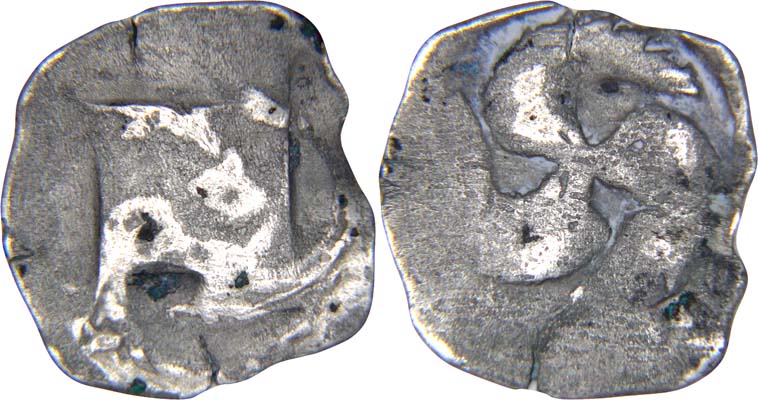 2) Obv: Leaf cross Rs: Embossing traces. Ref.: CNA B248 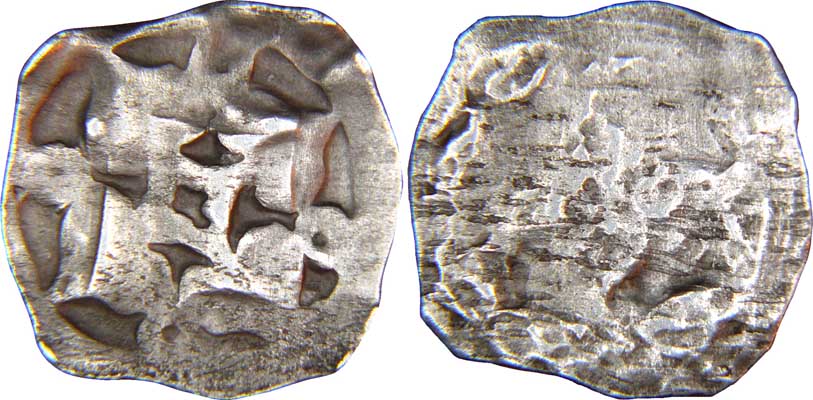 Edited by Petrus
02/27/2015 06:49 am
|
|
Pillar of the Community
Belgium
2895 Posts |
I like all the coins that are posted the last days!
Really marvelous!!
|
|
Moderator
 United States
23731 Posts |
Time to move on to 1310-1301.
|
|
Pillar of the Community
1121 Posts |
Davidrj - You may well be right. It seems to me that that line is familiar. That would be why the count was (re) started with Edward 1st.
Records in 1085 were kept by the Feifs who lived in the 'Manors'.
A bit of trivia for you - in 1949/50/51 I lived in the Manor House in the (tiny) village of St Neots, in Cambridgeshire, when I came home from the hospital.
I guess you could say that I was "To The Manor Born."(Lol)
As 'Bill' and 'Kate' are the Duke and Duchess of Cambridgeshire, I guess they deserve my allegiance, do they? (I am happy to give it.)
I stood 20 feet from them on their recent visit to Australia. (They didn't say, "Hello" but she did wave.)
Edited by Topcat7
02/27/2015 01:21 am
|
|
Valued Member
United Kingdom
130 Posts |
Edward I class 10cf3b penny of London. 1307-1309 Note Although all class 10 coins are conventionally listed under Edward I, the 10cf3 sub-class was probably struck early during the reign of Edward II. Spink 1412; North 1042/2 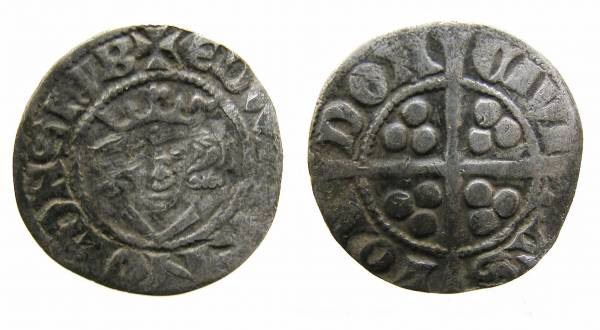 |
|
Pillar of the Community
United Kingdom
510 Posts |
1314-30 Vienna pfennig - Friedrich the Handsome. 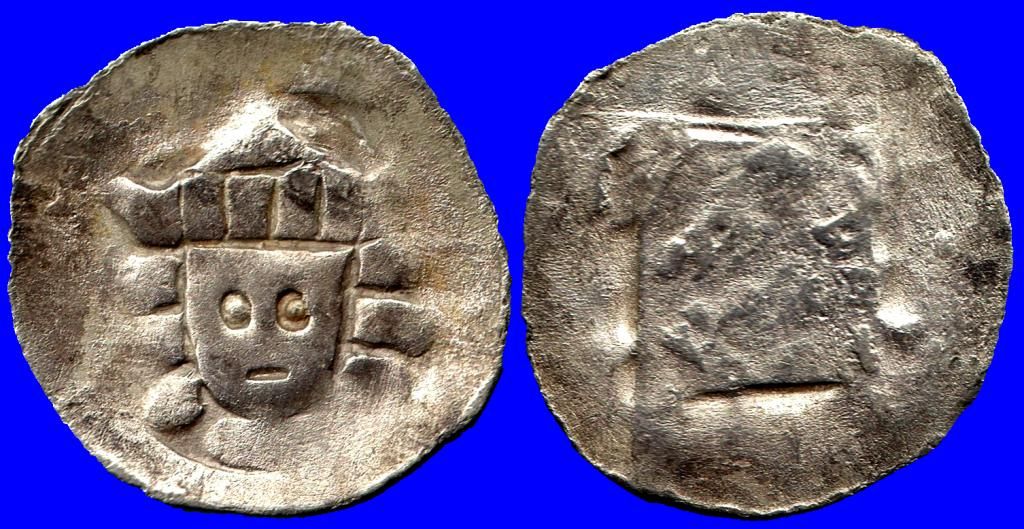 |
|
Pillar of the Community
United Kingdom
701 Posts |
Wow, cool looking coin Davidrj  I didn't realise that LEGO did ancient coins  |
|
Pillar of the Community
Belgium
2895 Posts |
|
|
Pillar of the Community
Belgium
2895 Posts |
Around 1310 Kingdom of Bohemia, part of the Holy Roman Empire. Prague groschen No date Coin Lord John I of Bohemia, John of Luxembourg, John the Blind (1296-1346) http://en.wikipedia.org/wiki/John_of_BohemiaMint: Kuttenberg (Kutna Hora) GROSSI.PRAGENSIS Prague large Inner Circle: JOhANnES.PRIMUS John I Outer Circle: DEI.GRATIA.REX.BOEMIE by the grace of God, King of Bohemia Literature: Done Bauer 817, Smolik 1 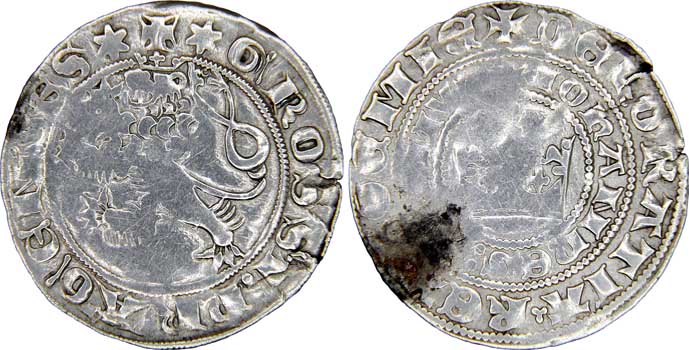 |
|
Pillar of the Community
Belgium
2895 Posts |
France Gros Tournois no date Ruler: Philippe IV (1285-1314) Mint: Tours, 1304-1307 ref.: Duplessy 213, Ciani 201, Roberts 2463 2,5 cm, 3,8gr +BHDICTV SIT HOME DNI NRI DEI ILV XPI. benedictum sit nomen domini nostri Jesu Christi blessed is he who comes in the name of our Lord Jesus Christ. PHILIPUS REX 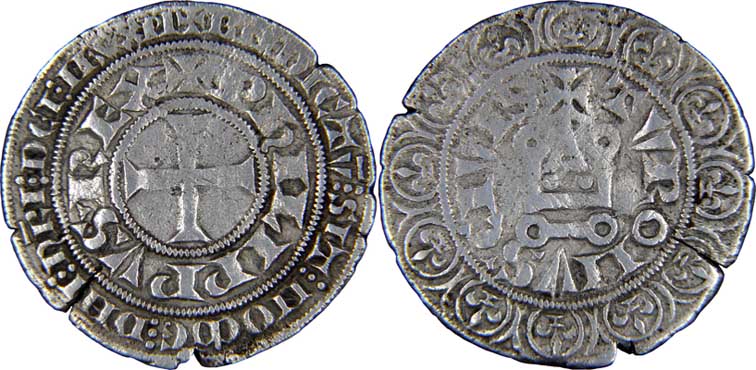 |
|
Valued Member
United Kingdom
130 Posts |
Henry VII sterling of Luxemberg 1308-1312 Henry of Luxemburg was elected king of the Romans (i.e. ruler of Germany) late in 1308 and crowned in Aachen early in the following year. The popularity of English pennies (sterlings) in the Low Countries led to many imitative issues. Their deliberately close similarity to the English coin resulted in their widespread (but unofficial) circulation in England during the early 14th century. References: Mayhew, Sterling Imitations of Edwardian Type, 254 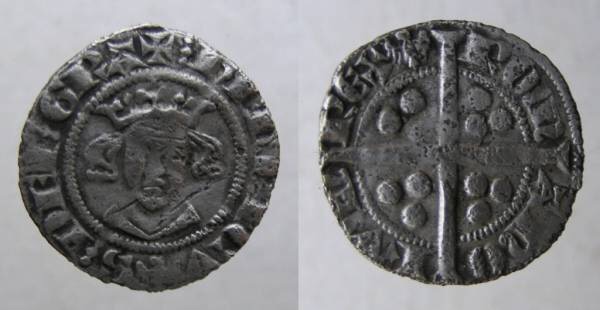 |
| |
Replies: 957 / Views: 110,399 |







 First Page
 Previous Page


 Posted 02/26/2015 05:14 am