First Page
 Previous Page



 Posted 08/24/2016 4:08 pm


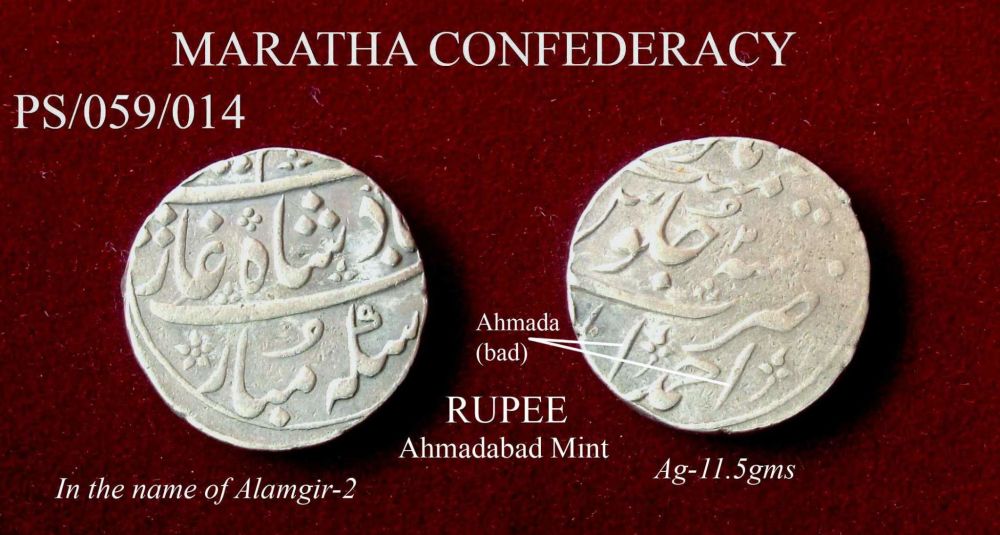
MARATHA CONFEDERACY
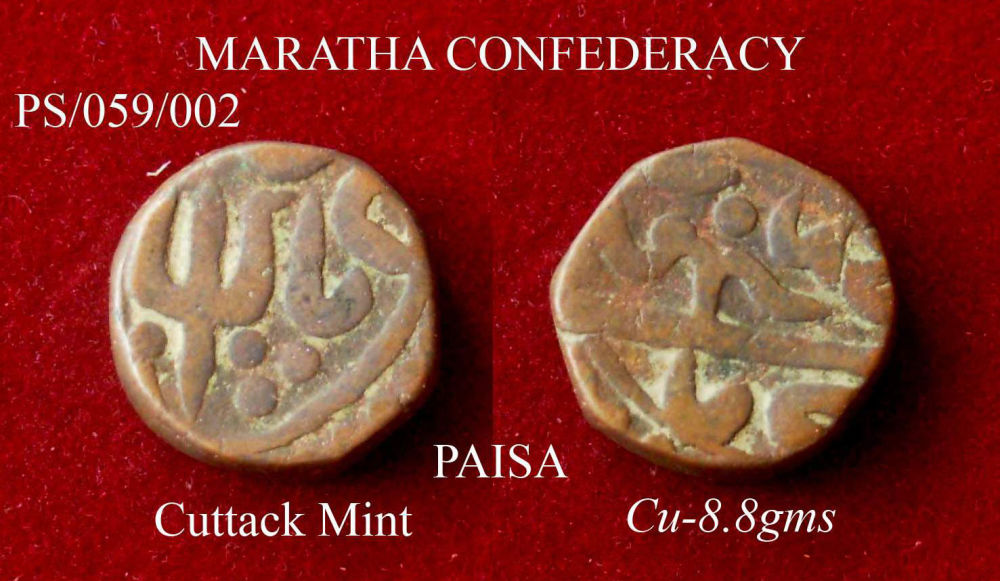
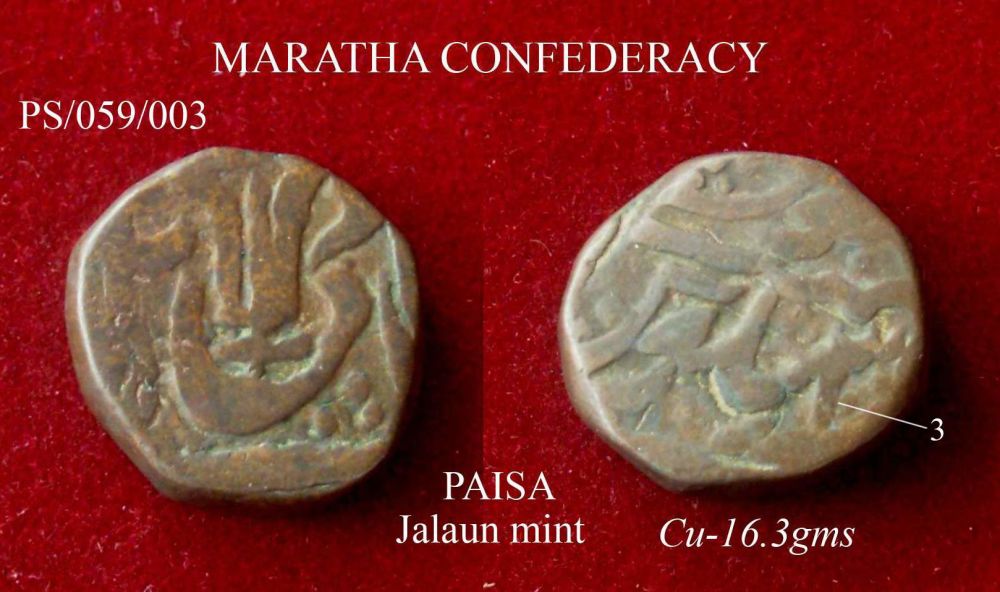
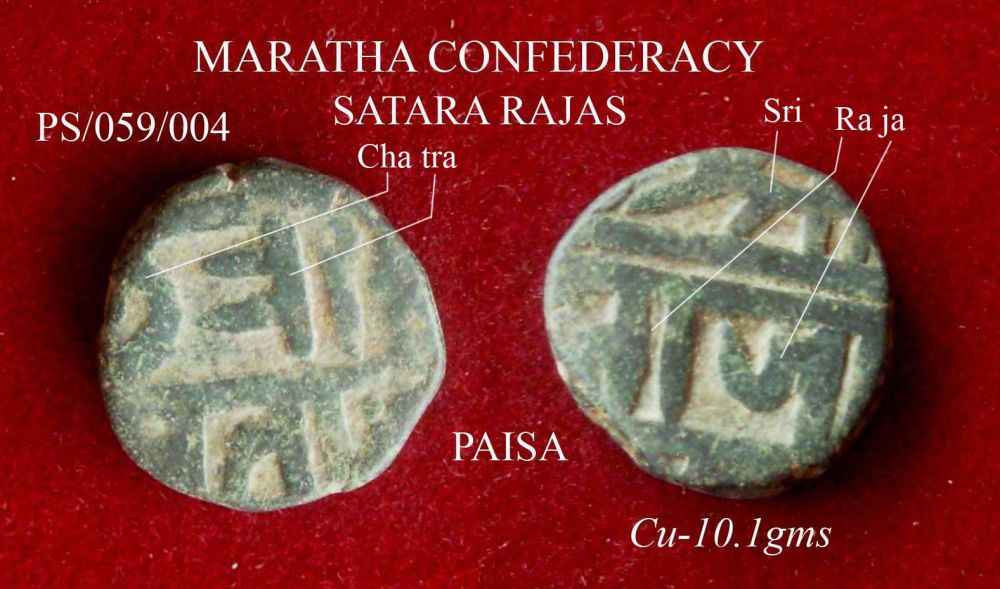
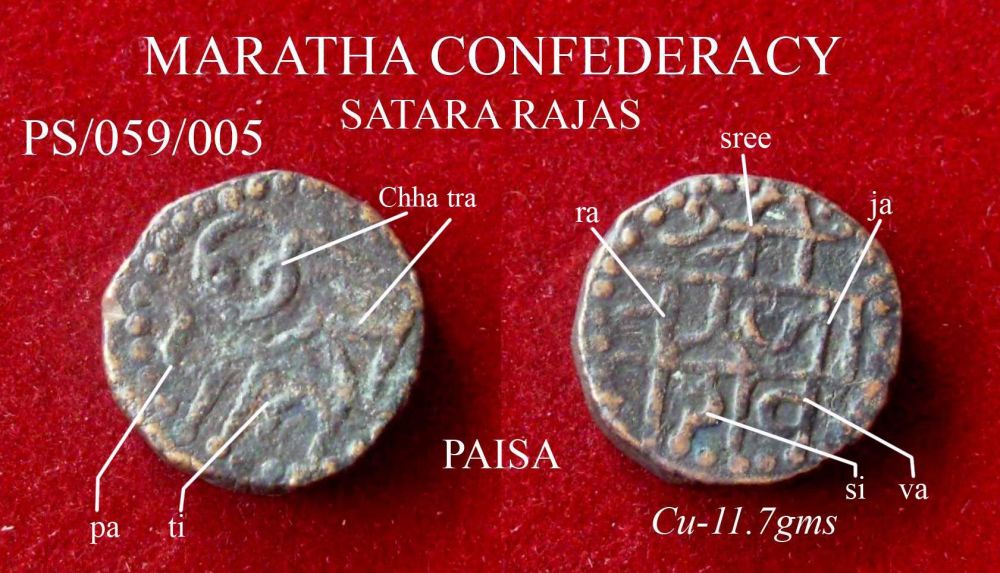
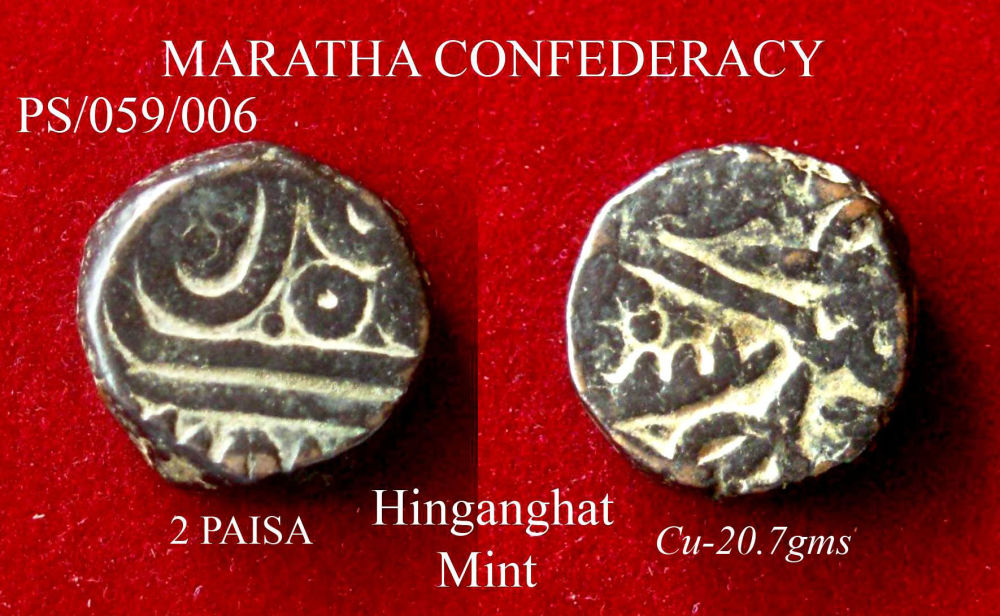
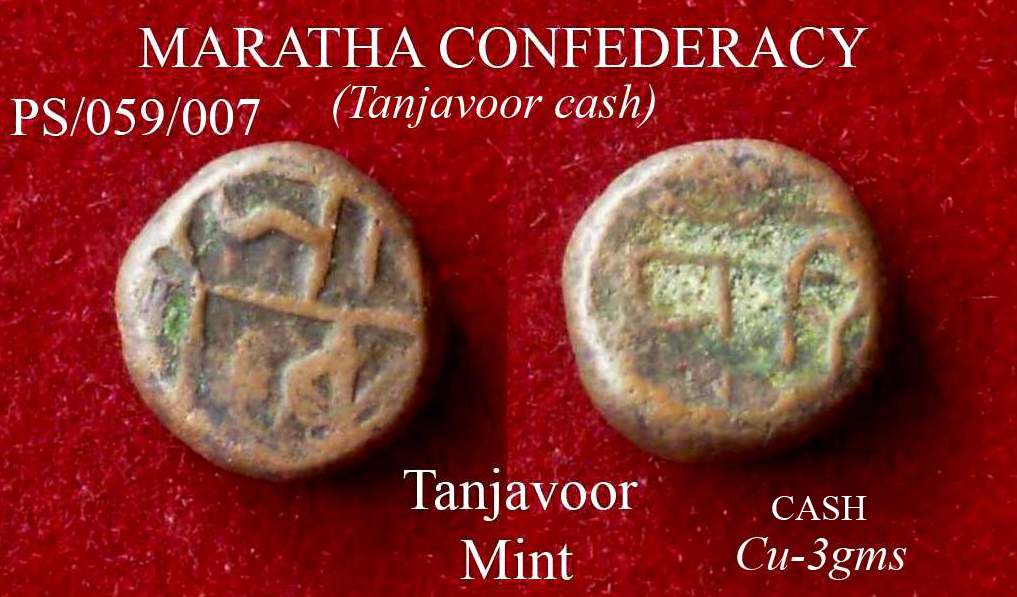
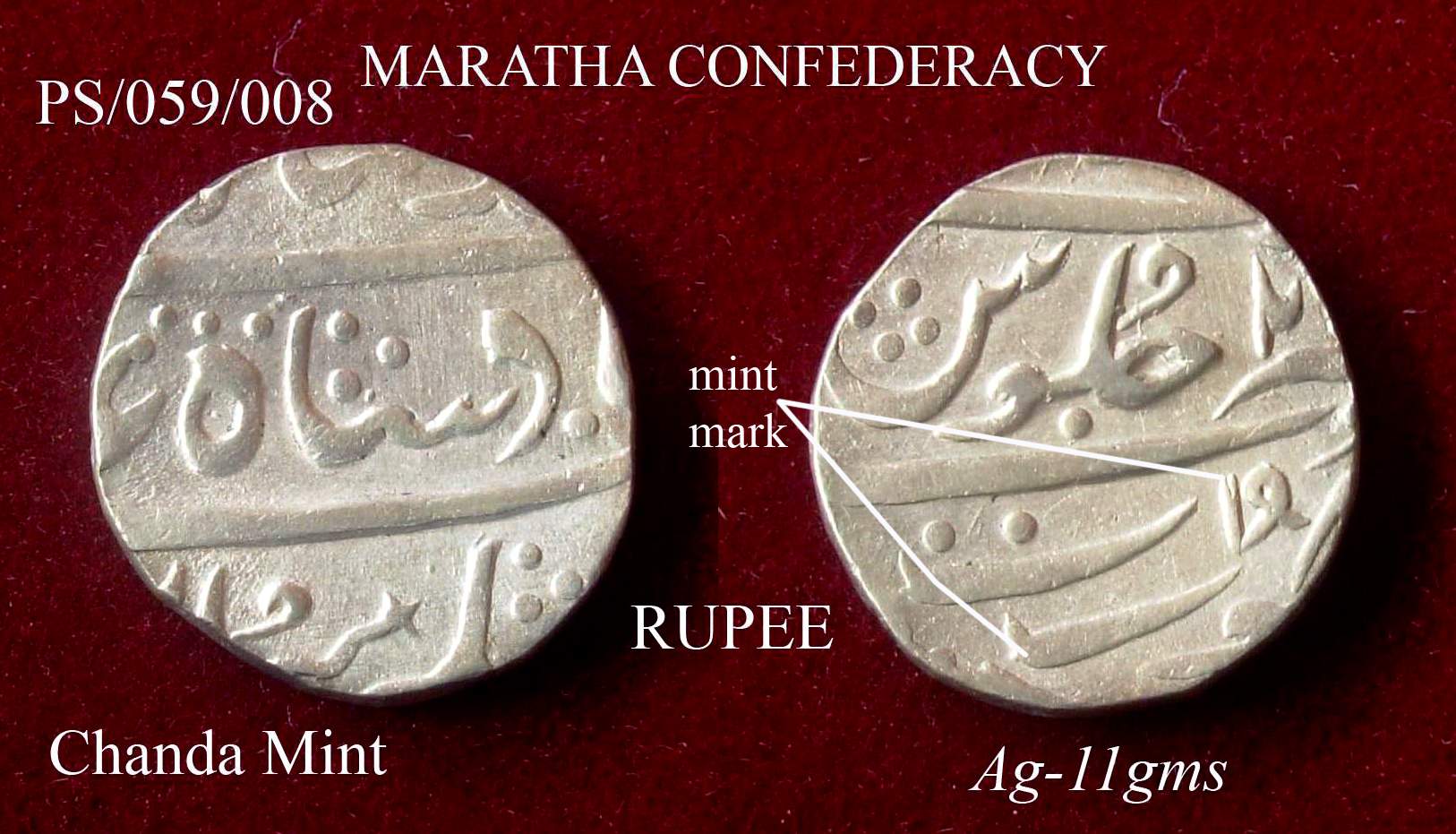
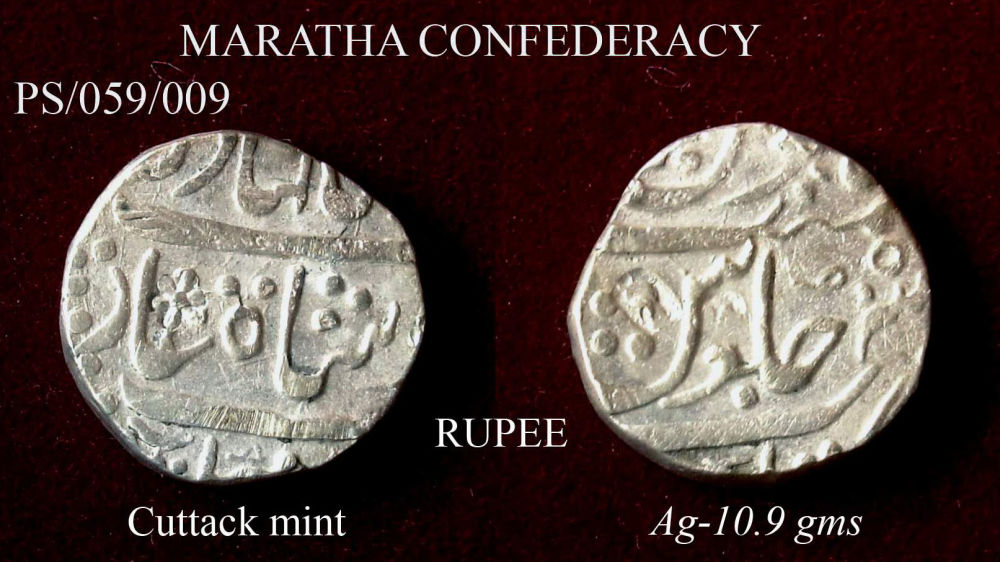
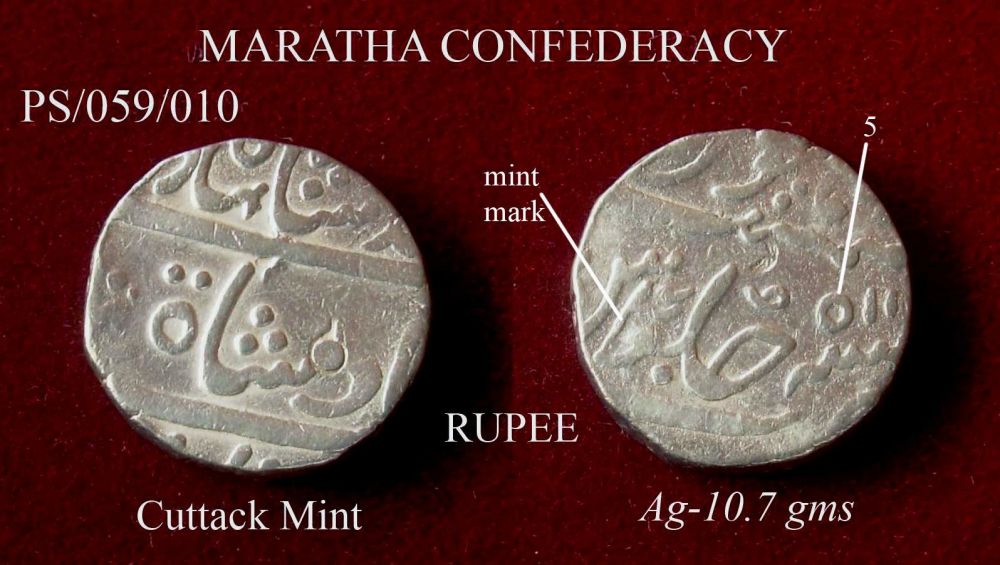
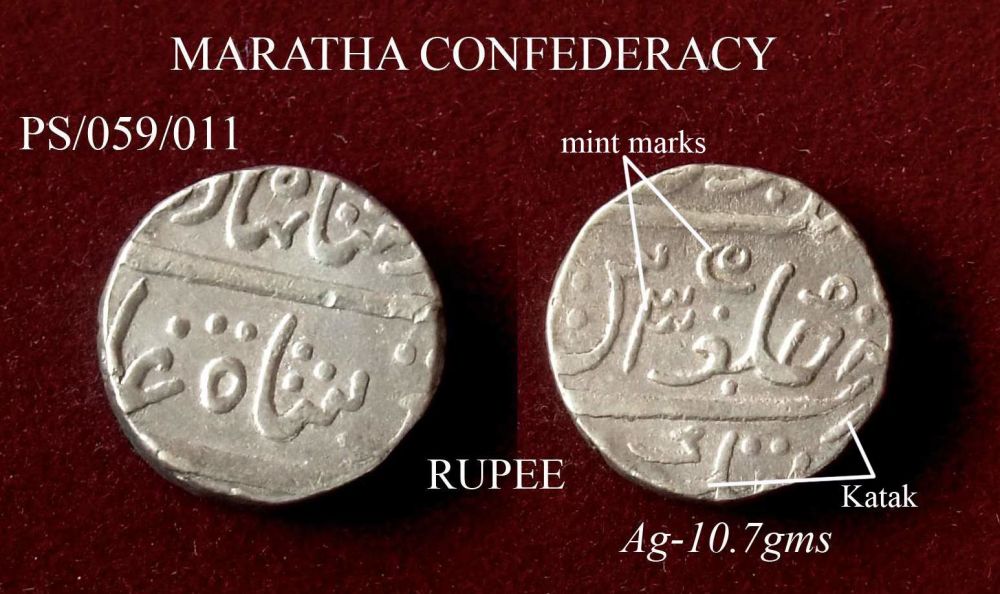
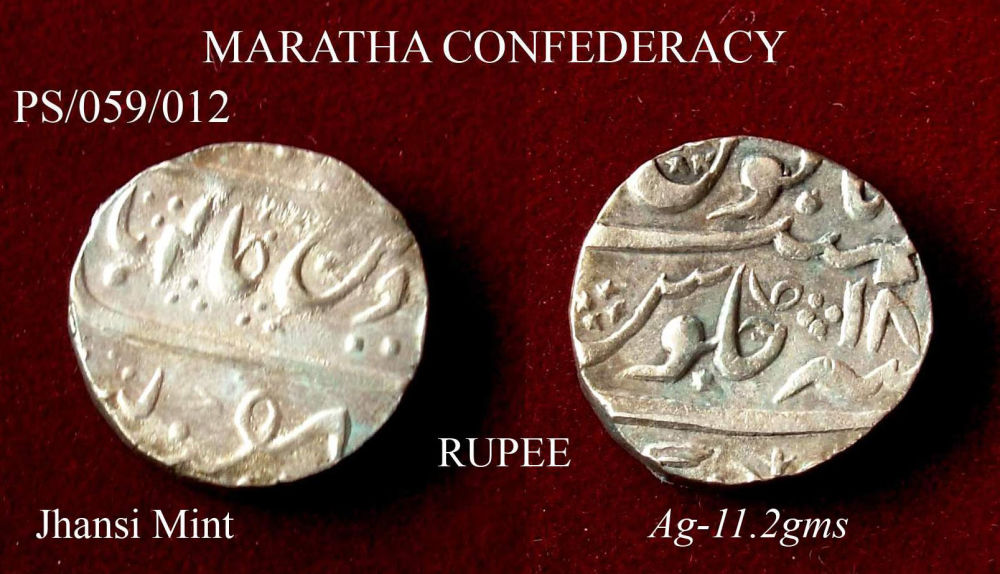
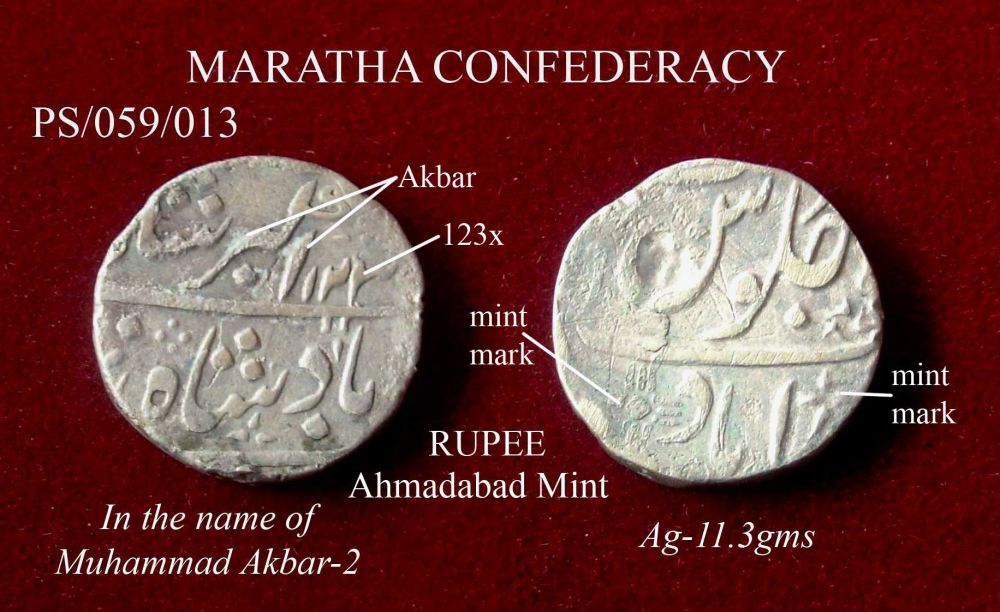
In the seventeenth century, Shivaji who was son of Shahji held a fief under the Bijapur Sultans. Shivaji took advantage of the declining power of the Bijapur Sultanate and organized guerilla wars against Bijapur and the Mughal ruler, Aurangazeb. When Shivaji died in 1680, a well organized Kingdom had been created. They held power in a small area in Thanjavur as well. The Maratha power grew from there. Different areas were conquered at different times by different generals from the Mughals and other rulers in Bijapur, Ahamadnagar etc. They were different units that remained as a confederacy which came together against common threats. This gave them significant power to control central India from East to West, until internal factional dissentions brought about a downfall in their power. Bhonsla rajas of Nagpur who were in the lead of the confederacy were later actually controlled by their Prime Ministers known by name Peshwas. Marathas were in conflict with the British also. That weakened Maratha power. There were several nobles who preferred to seek alliance from the British. They survived extinction while the other group gradually became extinct by British tactics. The remaining groups became Princely States that remained until Indian independence. They were mainly Gekwars of Baroda, Holkars of Indore, Pawars, Sindhias and the like. Coins of the marathas were crude imitations of the Mighal coins. They were not artistically designed, but were generally accepted. Coinage of the Bhoslas came to an end in 1854 when their mints were closed down.
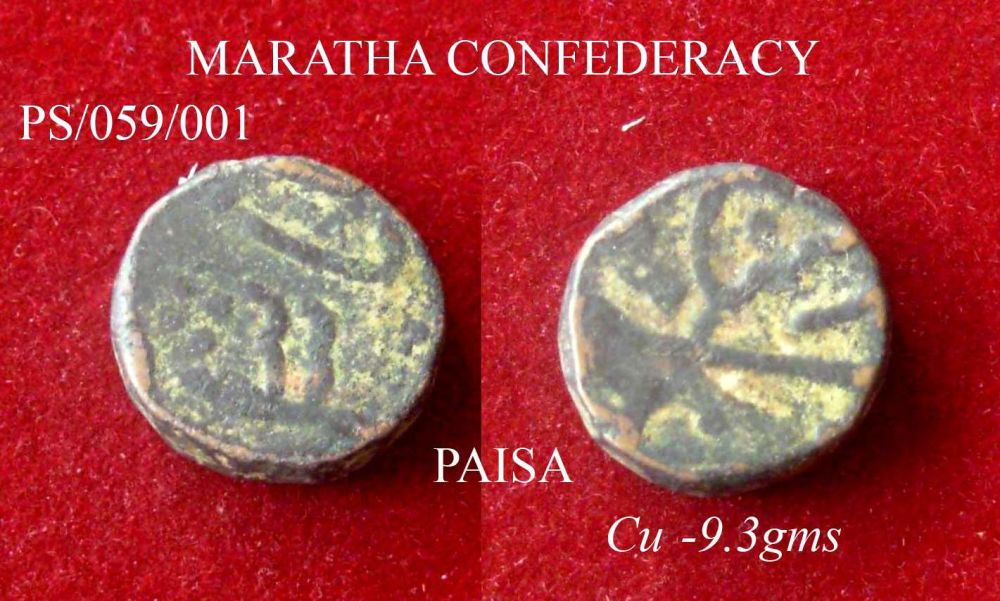
In the seventeenth century, Shivaji who was son of Shahji held a fief under the Bijapur Sultans. Shivaji took advantage of the declining power of the Bijapur Sultanate and organized guerilla wars against Bijapur and the Mughal ruler, Aurangazeb. When Shivaji died in 1680, a well organized Kingdom had been created. They held power in a small area in Thanjavur as well. The Maratha power grew from there. Different areas were conquered at different times by different generals from the Mughals and other rulers in Bijapur, Ahamadnagar etc. They were different units that remained as a confederacy which came together against common threats. This gave them significant power to control central India from East to West, until internal factional dissentions brought about a downfall in their power. Bhonsla rajas of Nagpur who were in the lead of the confederacy were later actually controlled by their Prime Ministers known by name Peshwas. Marathas were in conflict with the British also. That weakened Maratha power. There were several nobles who preferred to seek alliance from the British. They survived extinction while the other group gradually became extinct by British tactics. The remaining groups became Princely States that remained until Indian independence. They were mainly Gekwars of Baroda, Holkars of Indore, Pawars, Sindhias and the like. Coins of the marathas were crude imitations of the Mighal coins. They were not artistically designed, but were generally accepted. Coinage of the Bhoslas came to an end in 1854 when their mints were closed down.