| Author |
 Replies: 2,420 / Views: 165,888 Replies: 2,420 / Views: 165,888 |
|
|
|
Bedrock of the Community
Canada
24885 Posts |
1887 Denmark 1 Ore. 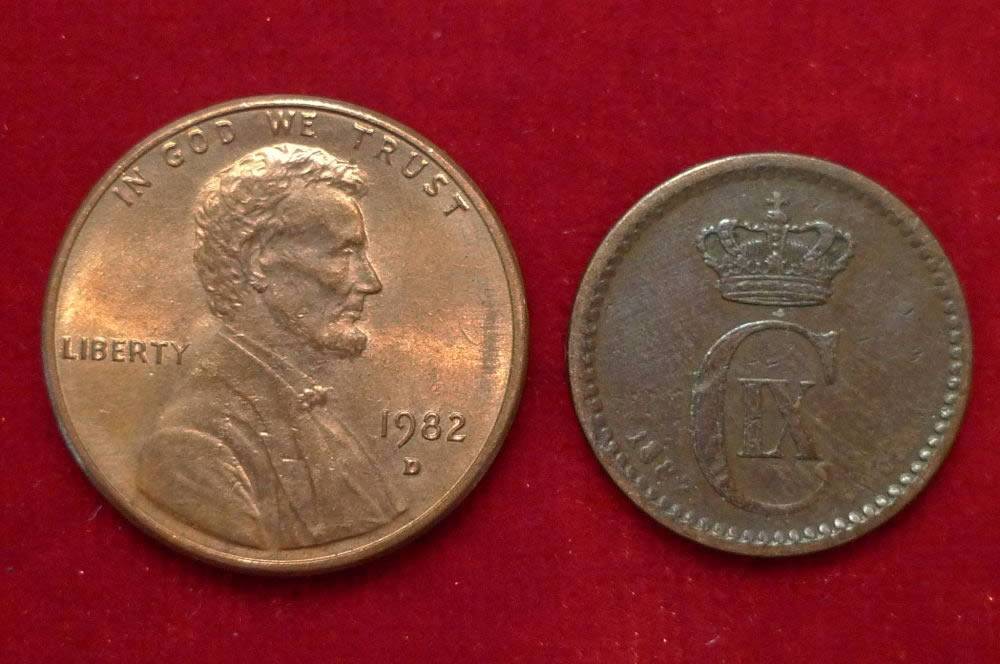 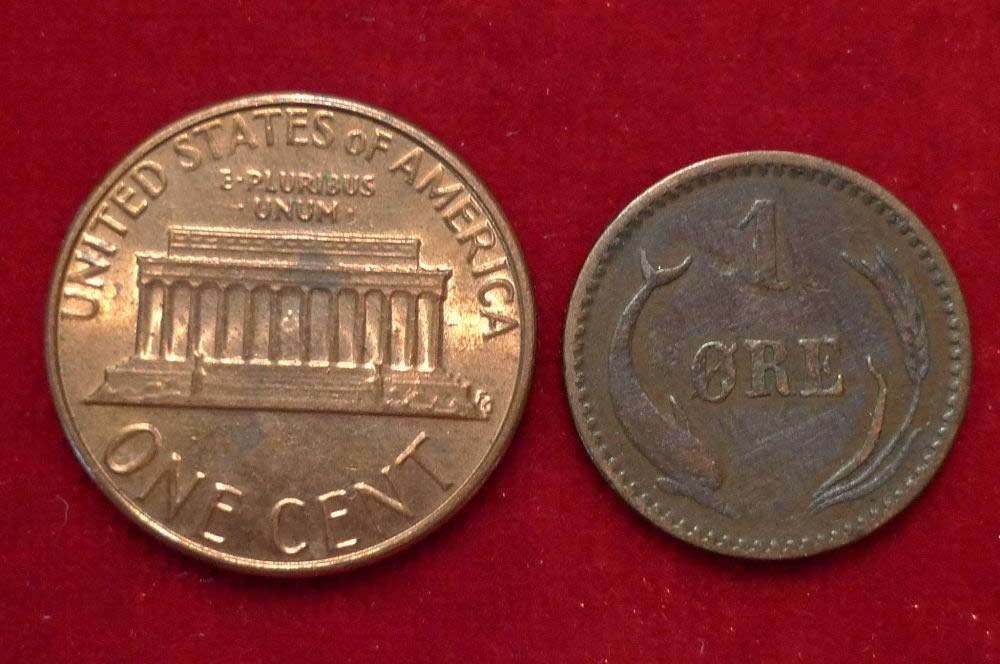 |
|
Formerly nancyc
Australia
5385 Posts |
Finland 1 Markkaa 1960 #36a 15.75mm NiFe 1953-62  life is a mystery to be lived not a problem to be solved
|
|
Bedrock of the Community
Canada
11922 Posts |
At 14 millimetres, here is 1 kurus from Turkey: 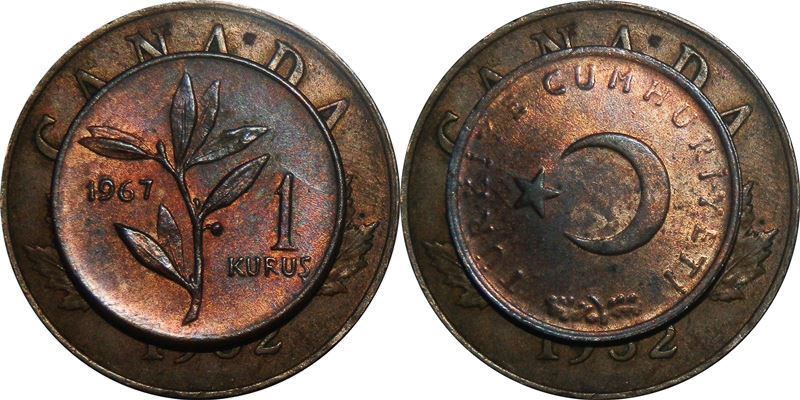 |
|
Bedrock of the Community
Canada
24885 Posts |
2007 Canada 50 cents , 1/25 oz gold coin. the wolf 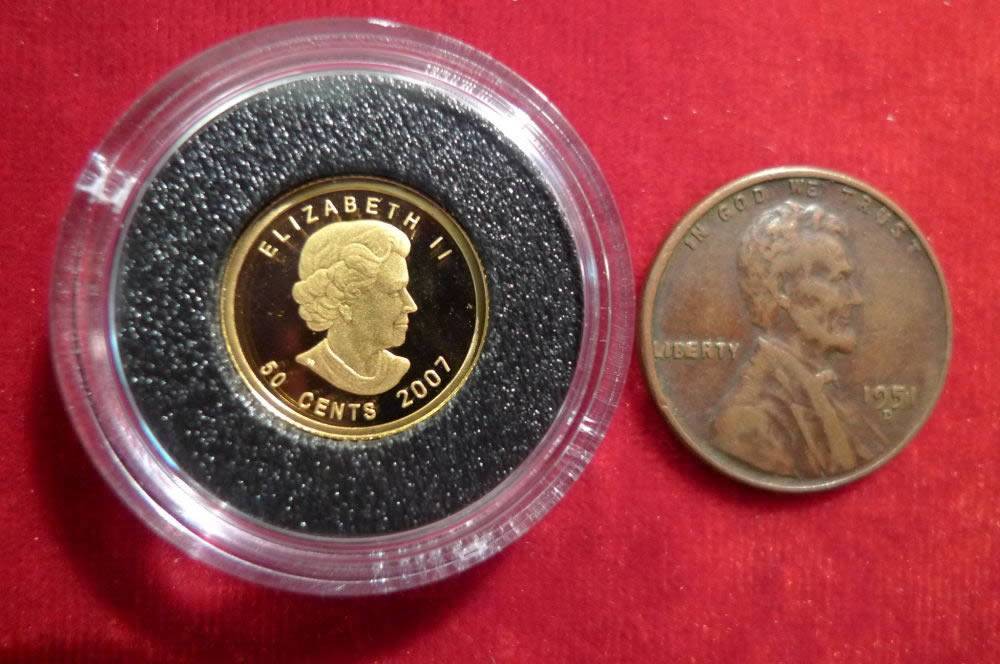 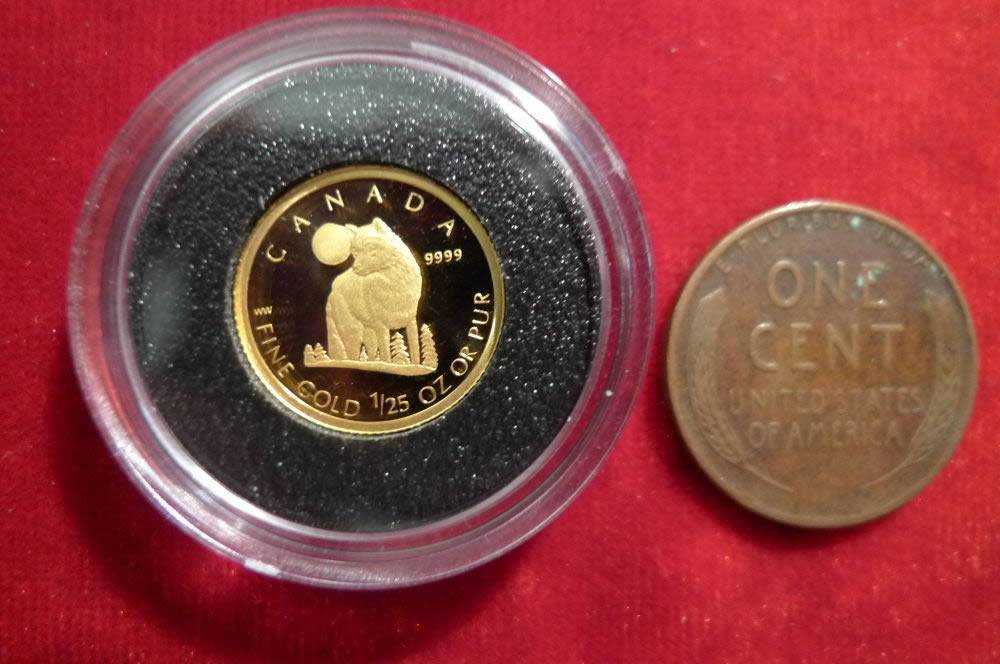 |
|
Formerly nancyc
Australia
5385 Posts |
Thailand 25 Satang 2008 y#441 16mm Cu/Sl 2008-16 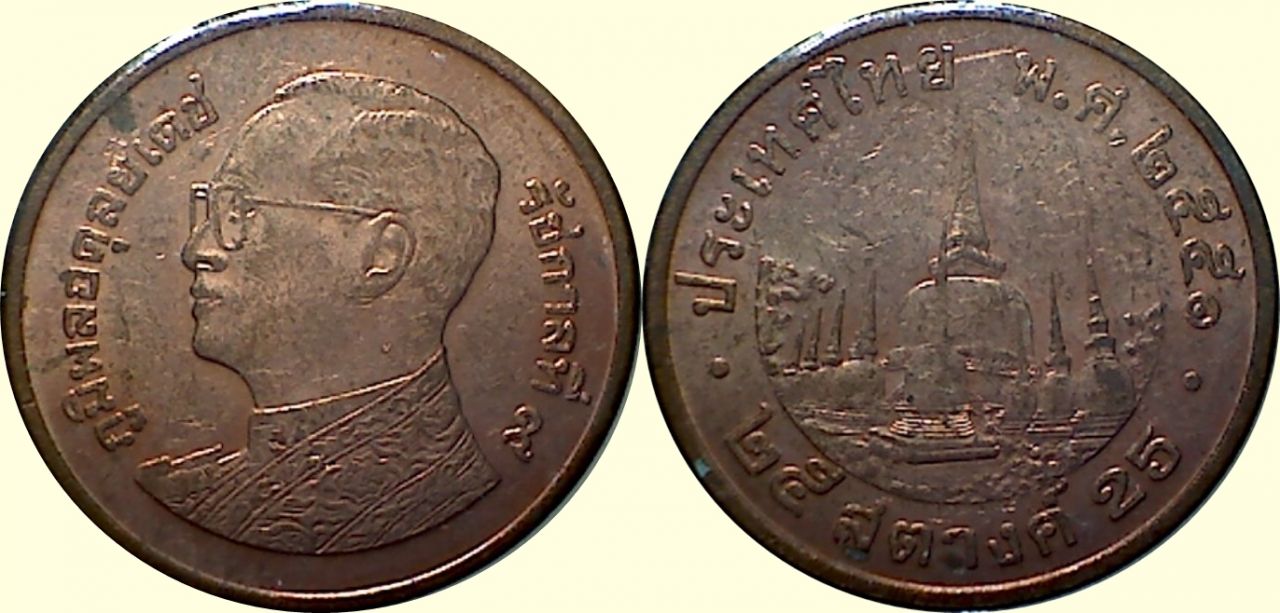 life is a mystery to be lived not a problem to be solved
|
|
Formerly nancyc
Australia
5385 Posts |
Finland 25 Pennia 1917S #19 Ag.750 16mm 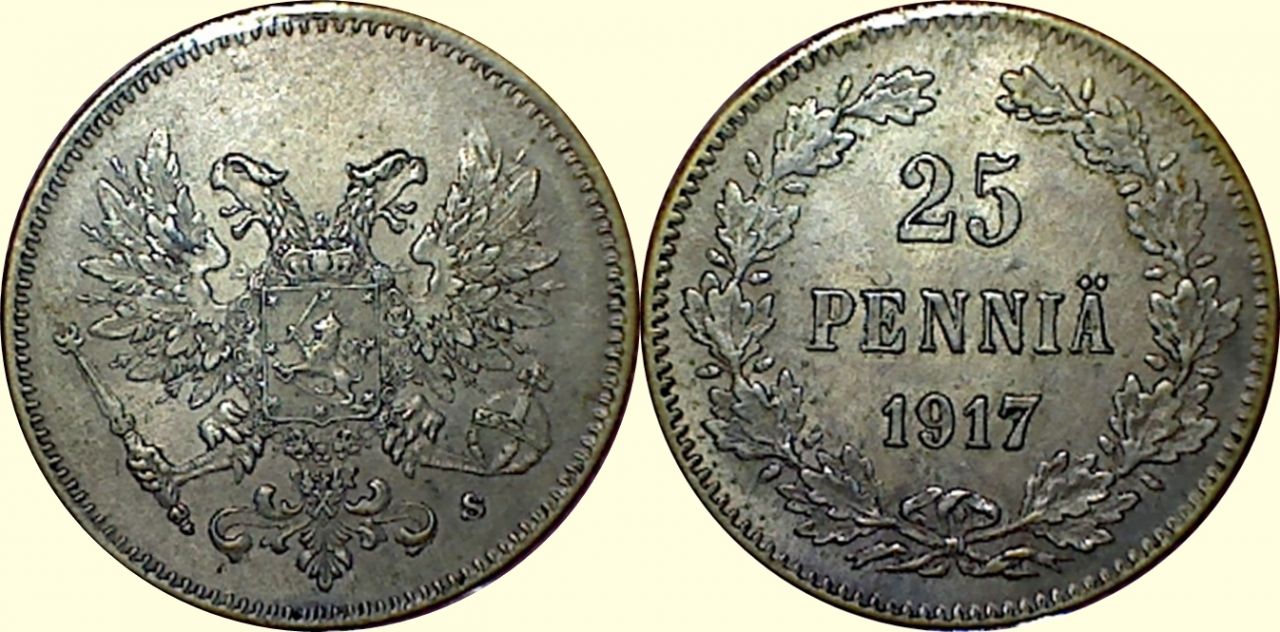 life is a mystery to be lived not a problem to be solved
|
|
Moderator
 United States
197916 Posts |
All of the recent additions have been very nice to see.  |
|
Pillar of the Community
United States
1353 Posts |
|
|
Bedrock of the Community
United States
12057 Posts |
This 1822 silver 1/24 Thaler of Anhalt-Bernburg is a scant 15mm in diameter. 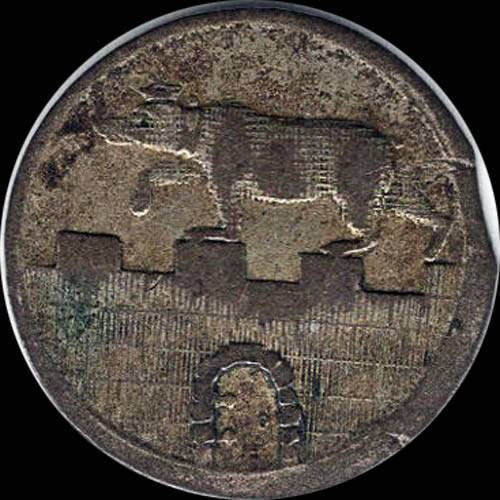 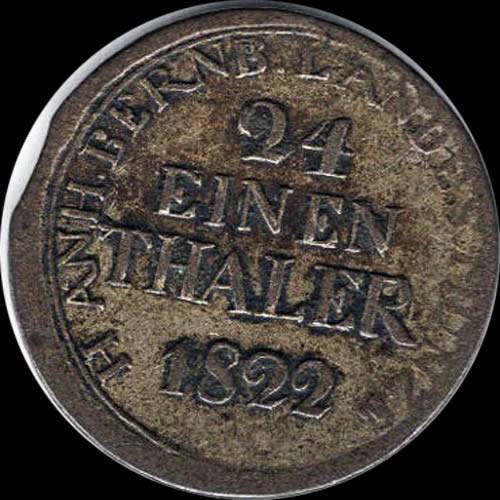 Member ANA - EAC - TNA - SSDC - CCT #890 "Most of the things worth doing in the world had been declared impossible before they were done." -- Louis D. Brandeis |
|
Bedrock of the Community
Canada
24885 Posts |
1948 Netherlands-10 cents-km#177 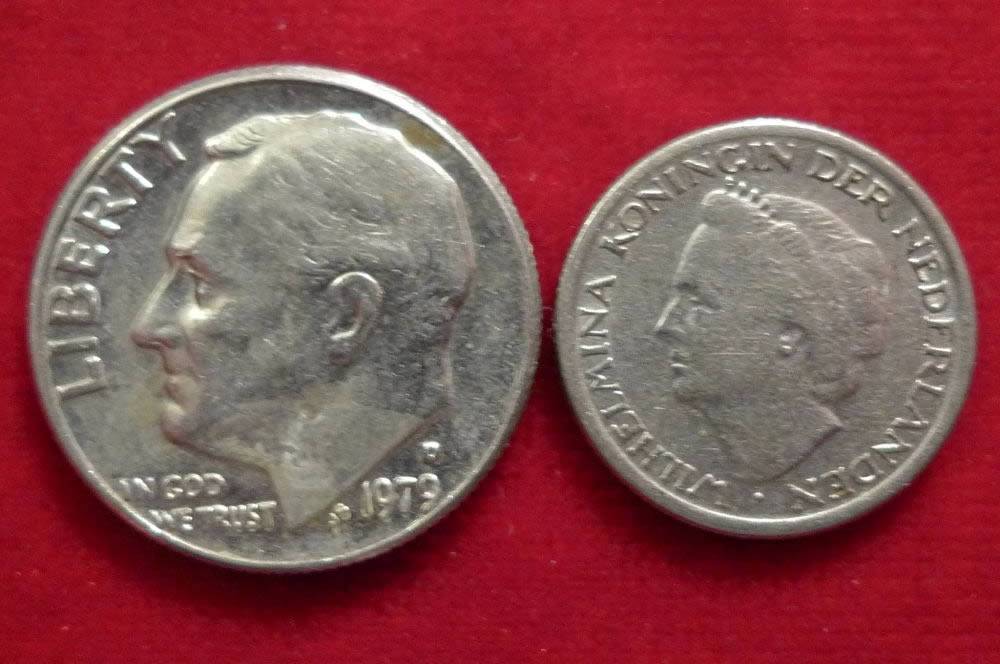 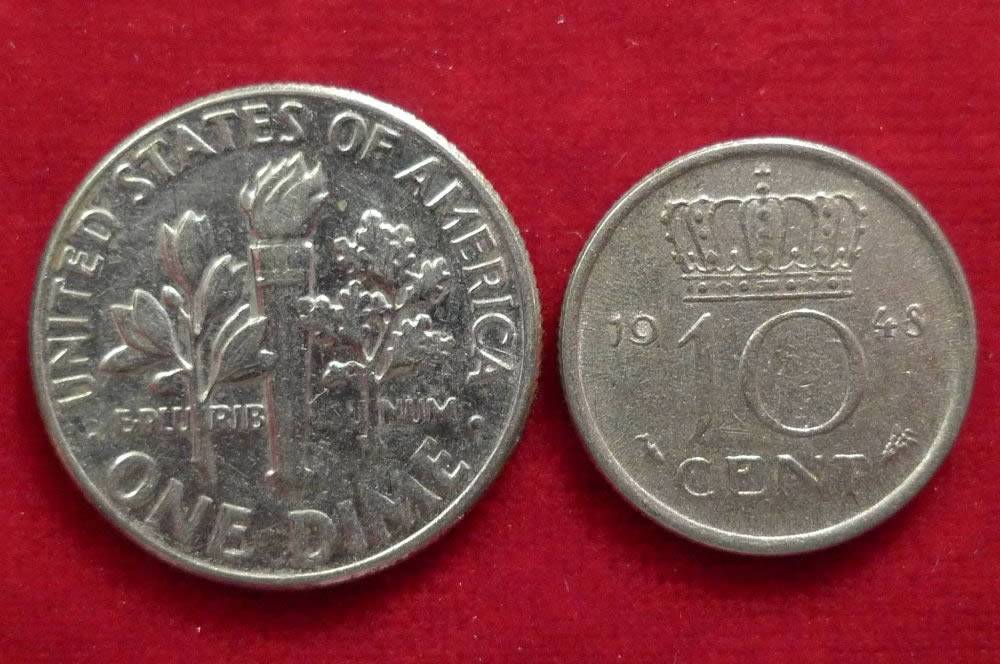 |
|
Bedrock of the Community
United Kingdom
19141 Posts |
Great Britain gold 1800 third-guinea (used in circulation) and 2010 quarter-sovereign (introduced by The Royal Mint as a marketing gimmick as gold coins were getting so expensive) 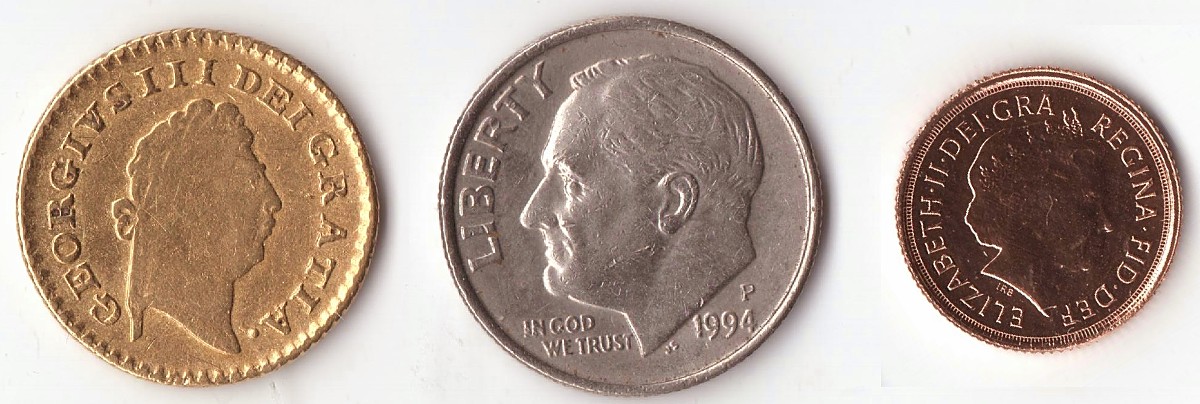 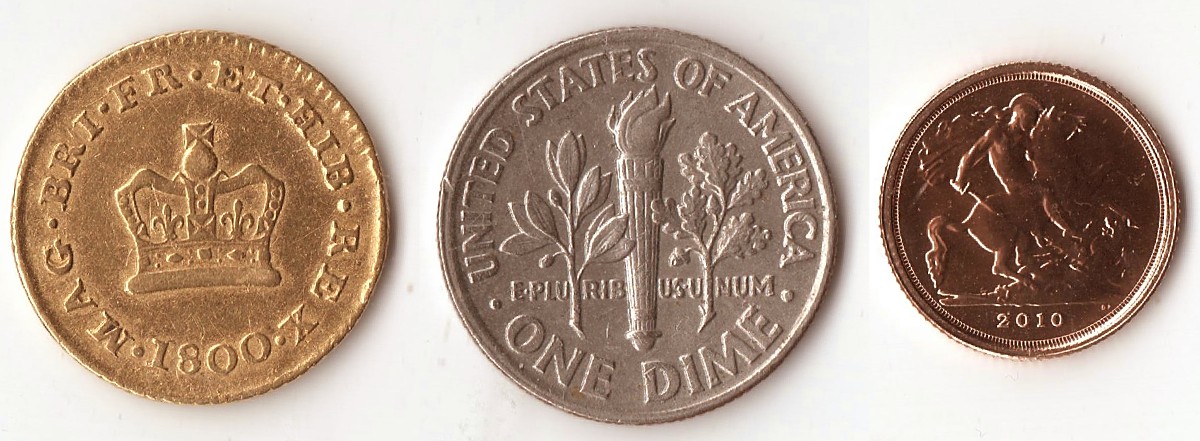 |
|
Moderator
United States
197916 Posts |
Quote:Great Britain gold 1800 third-guinea (used in circulation) and 2010 quarter-sovereign (introduced by The Royal Mint as a marketing gimmick as gold coins were getting so expensive) Nice comparison photo.  |
|
Formerly nancyc
Australia
5385 Posts |
Thailand 5 Satang 1950 #72 15mm Tn 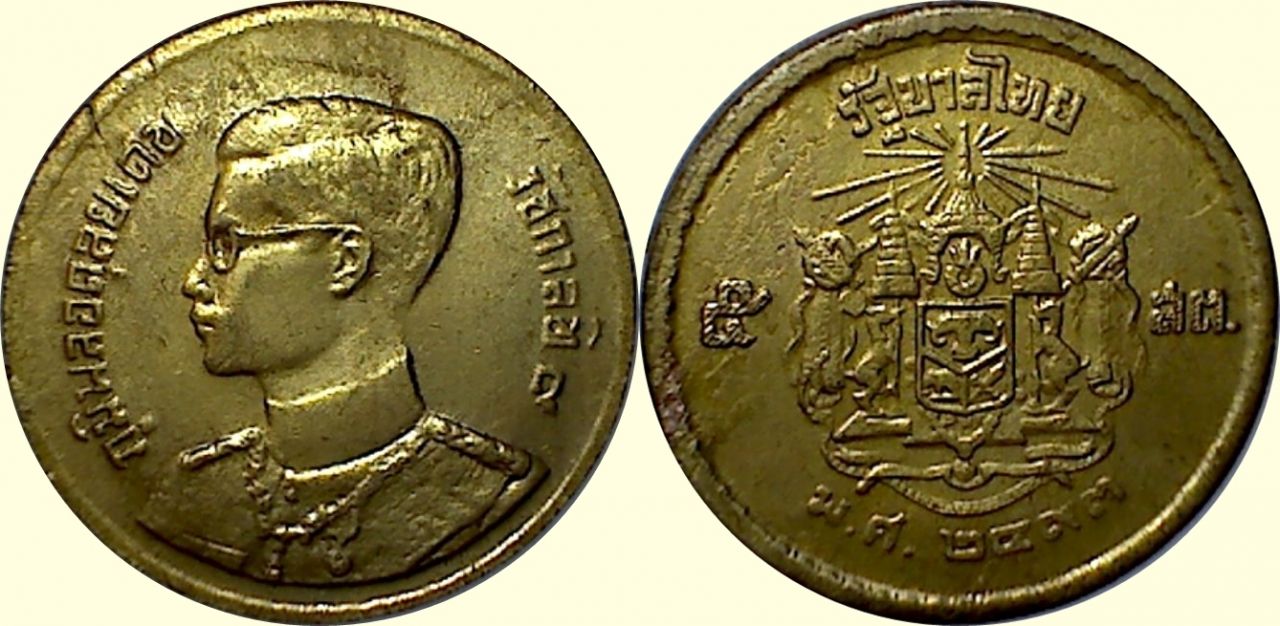 life is a mystery to be lived not a problem to be solved
|
|
Pillar of the Community
United States
6130 Posts |
Here's a nice and obscure one: India Billon damma of the Omkareshwar monastery Minted c. Early 14th century AD   This is actually the final (chronologically) iteration of the "Indo-Sassanian" coinage which began around 500 AD when local Indian dynasties began minting imitations of Sassanian drachms for use on the Silk Road. Over time the design elements were lost to progressive attempts to make the coins hardier against circulation wear, resulting in the preservation of mass (4-4.5g) but the reduction of the diameter from about 25mm down to 15mm. This particular coin bears the legend on the reverse "Sri Omkara" indicating it was minted by that monastery, probably to pay its workers. |
|
Moderator
United States
197916 Posts |
Very nice, Finn! |
| |
Replies: 2,420 / Views: 165,888 |





 First Page
 Previous Page


 Posted 05/12/2017 7:10 pm