| Author |
 Replies: 19 / Views: 2,707 Replies: 19 / Views: 2,707 |
Page 2 of 2
|
|
|
|
Pillar of the Community
 United States
746 Posts |
Thanks guys....Is there a safe way to wipe of the dirt?....I think its more dirt then corrosion.
|
|
Valued Member
United States
126 Posts |
Believe or not I tested brush ups and a little water. It took the dirt off and left the patina. I rubbed pretty hard. also I put it under the scope and other than the dirt being gone I couldnt see any scratching. Test it on a coin you dont care about. I found it to work rather well
|
|
Pillar of the Community
United States
808 Posts |
You can soak it in acetone for a little while just dont scrape it use a soft cloth or a cotton swab (Q-Tip) there is a cleaning agent called Verdi-Care but I havnt been able to get any yet. I also use baking soda and vinager, just watch out for the bubbles...lol.
|
|
Valued Member
United States
126 Posts |
I tried the baking soda mix it turned my cents a funny red. maybe I mixed it wrong
|
|
Pillar of the Community
United States
2150 Posts |
I would avoid any type of "cleaning" that involves scrubbing the coin. A dip in acetone then a rinse in distilled water is about as far as I would go.
|
|
Pillar of the Community
United States
746 Posts |
I did not want to use the brush on the coin.But I did use the acetone and clear water.It did come a bit cleaner.Maybe I try again to get the rest of the dirt of. 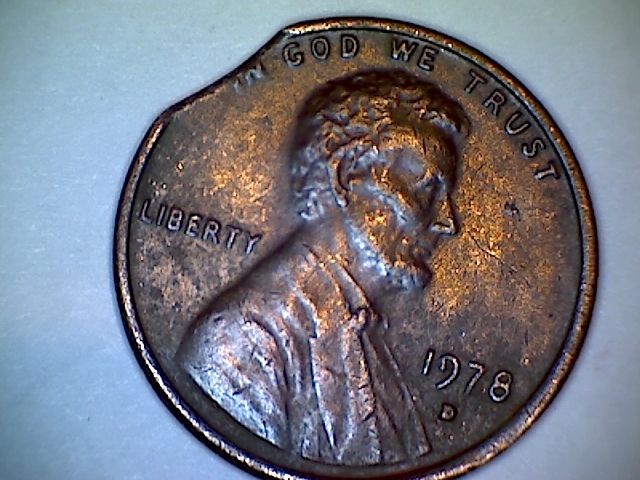 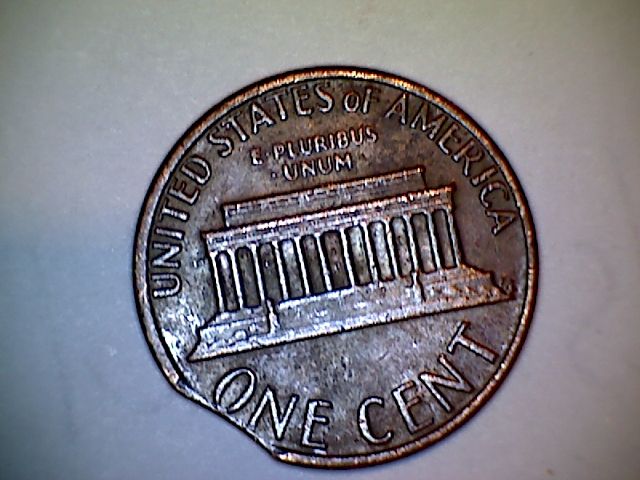 |
|
Pillar of the Community
United States
4132 Posts |
The most important thing is not to rub or scrub. It's not a huge money coin by any means, but it's a cool find and not something you want to make worse.
|
|
Pillar of the Community
Canada
1161 Posts |
Nice genuine clip. Prominent Blakesley effect on the Obverse.
|
|
Pillar of the Community
United States
3592 Posts |
Keep using the cleaning tips mentioned above...you'll soon have a genuine error worth 2.2 cents.
|
|
Pillar of the Community
Canada
1161 Posts |
Don't clean the coin. Any type of rubbing or brushing will most likely cause damage to the coins surface. You might not be able to see the damage with the naked eye but it is there. Acetone is good if their is any residue on the coin that you want to remove. Short dip in acetone then a rinse with distilled water works well. I will usually dip the coin again in clean acetone and allow to air dry. Acetone evaporates completely and will not leave water spots. Please...be sure to read the safety warnings when using acetone. It is not good for you and is harmful is used incorrectly.
If you can avoid doing anything at all to the coin...that is highly recommended. As stated above...Verdi-Care is a good option.
There are several methods explained on this forum on how to conserve a coin. There is a difference between conserving and cleaning. Do a search and a bit of reading before you do to much to any coin you collect.
In the end...the coin is yours. All we can offer is our opinions and personal feelings about how we as individual collectors when it comes to all aspects of this great hobby.
|
|
Pillar of the Community
United States
746 Posts |
Thanks guys...Well I did the acetone method and I think thats all the cleaning I'm going to do on the coin.I did put a couple pics on here after I cleaned it with acetone.Looks a bit better than the first pics.
|
|
Pillar of the Community
Australia
4411 Posts |
I will advise getting a cotton bud, dipping it in olive oil and then wiping the surface gently. Dnt need much oil, just a very little bit on the tip of the bud. Should work well in removing any dirt or grime and make the coin much nicer in appearance.
Its not a particularly valuable coin so it really doesn't matter about the most minor of surface scratches (not that the oil and cotton will do that IMO).
|
|
Pillar of the Community
United States
7629 Posts |
Most of the advice given prior to this post regarding cleaning the coin is clearly bad advice and should NOT be given under any circumstance. Basically what started in this thread as a decent curved clip turned out to be a partially off-color cleaned curved clip worth about 10% of its previous value, and the OP has all of you to thank for ruining the coin.
If you do NOT know exactly what you are doing by having tested, cleaned, then tested again with hundreds of normal coins until you get it right, WHY on EARTH would you want to try cleaning a decent error coin you've spent good time finding? This makes no sense! There was nothing wrong with the coin before, and now it's irreversibly damaged!
The ONLY correct advice to give a new collector wanting to "polish-up" their coins is to simply NOT do it.
|
|
Pillar of the Community
United States
2150 Posts |
I have used acetone and distilled water a number of times, as I know many forum members have, with no adverse affect to the coin. I see it recommended almost daily here on the forum. Coppercoins do you feel like using acetone on copper or zinc cents can lead to negative results?
|
|
Pillar of the Community
United States
7629 Posts |
jokingjoker - Nearly all the time what you do to a coin depends completely on the specifics of what's on the coin that needs to come off. Acetone is not the answer to all scenarios. in fact NOTHING is the answer to all scenarios. In many cases the coin should be left alone because nothing will chemically help it. In other cases one thing is right and another thing is completely wrong. it is IMPOSSIBLE to tell someone using photos what would be the right thing to do with any coin, and it would be IMPOSSIBLE for any newbie to guess what the correct solution is the first time given one coin and a chemistry lab. It takes years of practice, testing, trial and error, experience, and hundreds of coins to perfect an eye for what's wrong with a coin and what will fix it (if anything).
Blindly handing out advice about what they used, what works, and what to try is akin to my asking what to do about my car that has a strange noise coming out of the engine compartment. You gonna tell me I need to rebuild my engine because I typed out on a message board that I hear a noise in my car?
To answer your question directly - acetone and distilled water will work for certain issues, but will do absolutely nothing positive for a number of other issues. It can help some things, but is a complete waste of time for others. And in still other cases it will do more harm than good. I have to see the coin, get a good understanding of its texture, color, and what the issue is...only then could I tell you with THAT COIN whether your solution is right or wrong. There are no blanket policy answers to your post.
The absolute best bet is to never offer advice for methods of cleaning or conserving coins on a message board for a coin you have never seen in person. It can be dangerous, costly, and can lead to ruining perfectly good coins that should have been left alone....as is the case in this thread.
Additionally, I have personally witnessed in message boards across the internet - including this one - that fewer than 25% of people who read the posts can really follow directions, and even with the perfect solution printed in front of their face will find a way to screw it up.
Dispensing advice on a message board should be left to those who truly understand the subject and can write directions very clearly. That advice should ONLY be used by those who are honestly certain they can read and follow directions fully and carefully.
Edited by coppercoins
06/01/2012 04:27 am
|
|
Page 2 of 2
|
Replies: 19 / Views: 2,707 |
Page 2 of 2
|






 First Page


 Posted 05/29/2012 7:23 pm


