| Author |
 Replies: 19 / Views: 10,398 Replies: 19 / Views: 10,398 |
Page 2 of 2
|
|
|
|
Bedrock of the Community
United States
62064 Posts |
The coin was polished with a machine. Note the rims are rolled out wider than the normal coin. The finish is very shiny. Even the incuse devices on the outside ring are almost totally gone. Just look for someone with burned fingers. LOL
|
|
Pillar of the Community
United States
2563 Posts |
 looks like they buffed out the design |
|
New Member
 United States
3 Posts |
^
|
I was thinking that as well the first time To be honest with you, but... the part that threw me was that the quarter was in a new roll (sealed) directly from the Fed/Mint and that the entire roll were all Harper Ferry quarters all of which look uncirculated. Is that something that may have been done at the Mint?
Thanks for the input !
|
|
Pillar of the Community
Canada
891 Posts |
So it is polished as you say, and it came from the mint in a sealed roll, was it done by someone at the mint?  |
|
Pillar of the Community
United States
1699 Posts |
Quote:
The coin was polished with a machine. Note the rims are rolled out wider than the normal coin. The finish is very shiny. Even the incuse devices on the outside ring are almost totally gone. Just look for someone with burned fingers. LOL I disagree. I believe this very well may be a genuine Mint error, possibly struck through something very thin. A smooth, shiny surface is very common on genuine struck-through errors (especially when struck through another planchet or deteriorating die cap). The smooth surface of this coin also lacks any hairlines which would be expected from post-strike alteration. The incuse lettering on the periphery is actually extended into the rim. In fact there is almost no space between this lettering and the rim. This suggests to me that whatever may have been in between the planchet and the die had been struck previously and when struck into this coin stretched out to create the observed effect. This may also explain what looks like a shallow valley or channel outlining the design elements. The rims appear to be relatively unaffected, in my opinion. Polishing should thin he design rim, not make it significantly larger. What I actually don't like about it is the molten, wavy look. In support of your conclusion, coop, I believe this effect could result from circular polishing. At least that's what other experts have concluded in the past. Lastly, I think we should put more weight on the OPs story. Certainly it limits the possibility of damage, but does not exclude it. This coin deserves a second look and more scrutiny. Rhemler, is there any chance that you could get sharper pictures? That would help immensely, in my opinion. |
|
Bedrock of the Community
United States
62064 Posts |
Weight would also be nice to see if it is normal or reduced a bit. But closer images would be a plus.
|
|
Moderator
 United States
56855 Posts |
|
|
Pillar of the Community
United States
1699 Posts |
Well that's interesting. At least two others like this have sold on ebay. Both have been found in Pennsylvania. Being that there are other, nearly identical examples, I would say that it is even more likely that it is an error. |
|
Bedrock of the Community
United States
62064 Posts |
It is probably more of a struck through a thinned capped die. Good eye ErrorCoins. I wish I have better images of this for my educational files. The coin looked polished from what I saw the first time.
|
|
Valued Member
United States
150 Posts |
|
|
Pillar of the Community
United States
2752 Posts |
Glad you found another example; that makes three.
Error coin writer and researcher.
|
|
Pillar of the Community
United States
1699 Posts |
Great to have an answer to this one. Thanks for the link, ATB, and the article, Mike. For this being a die issue, the most interesting thing to me is the smooth surfaces of the design elements. I wonder how many more of these we will pop up.....? |
|
Pillar of the Community
United States
2752 Posts |
Yes, the smooth, glossy texture of the raised design elements is an unfamiliar aspect of this form of die deterioration/deformation. I would be most interested in seeing earlier stages, provided they even exist. As I mention in my article, this deformation may have developed quickly and then stabilized.
Error coin writer and researcher.
|
|
New Member
United States
12 Posts |
I found one a few months ago. Adding it for comparison. I apologize for the poor camera quality. There appear to be scratches in the pic, but there are none. 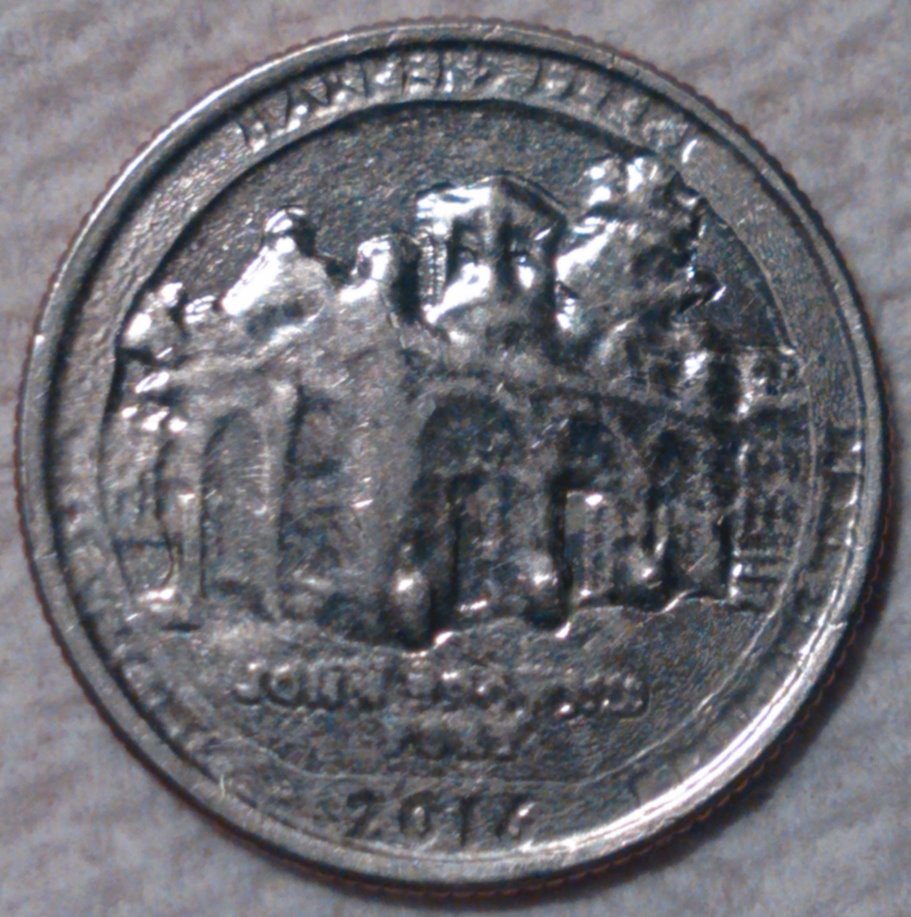 |
|
Bedrock of the Community
United States
62064 Posts |
Not sure what that is Gdcole, but it maybe a Struck Through Grease issue, or a struck through a capped die? But looks nasty. I'd save it for now. You might start another thread to figure this out. (Best not to add to another's thread)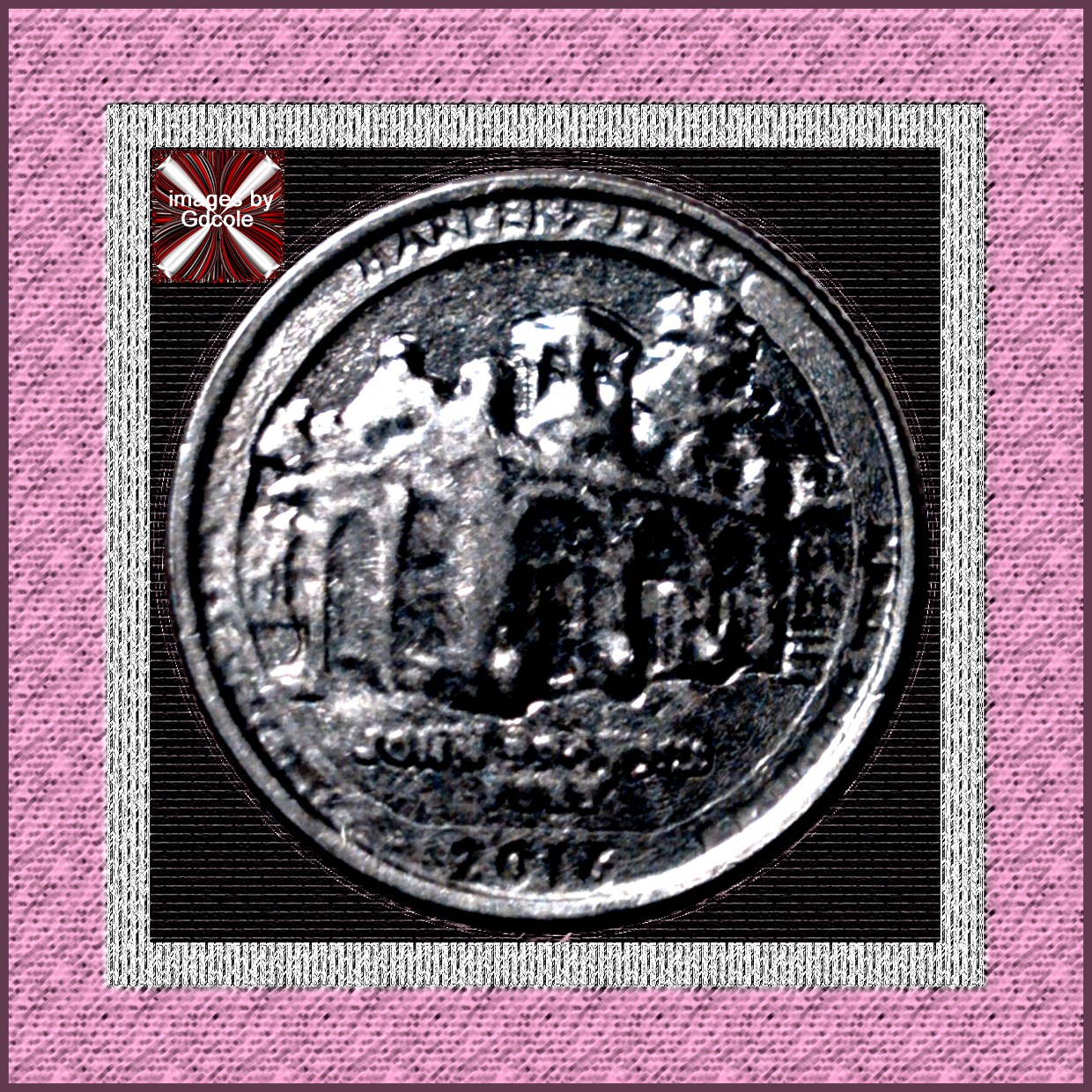 Just noticed that I hadn't seen Mike Diamond's comment. 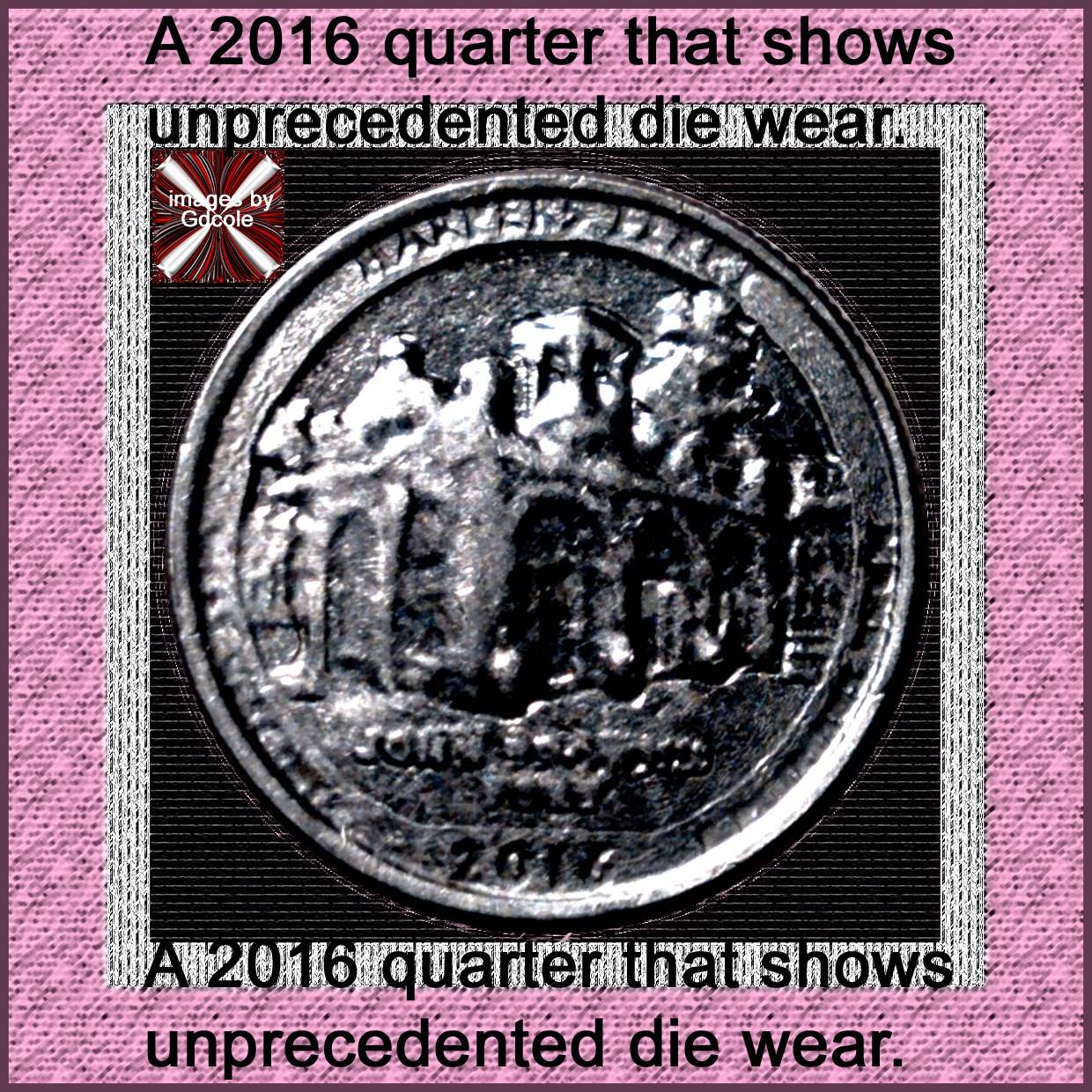 Edited by coop
10/16/2018 2:18 pm
|
|
Page 2 of 2
|
Replies: 19 / Views: 10,398 |
Page 2 of 2
|






 First Page


 Posted 01/31/2017 7:40 pm





