| Author |
 Replies: 22 / Views: 2,765 Replies: 22 / Views: 2,765 |
Page 2 of 2
|
|
|
|
Moderator
 United States
56855 Posts |
Quote:
big question is *how* do you discern a BB I am not sure but maybe an XRF tester? I wonder how the TPG's test for them. John1  |
|
Rest in Peace
United States
18456 Posts |
The color of a Black Beauty is very dark grey , virtually black . It will be consistent through out the Nickel on both sides .  |
|
Valued Member
United States
424 Posts |
From what I understand there are at least three criteria that have to be met for the Black Beauty designation. 1. Consistent dark grey color over the entire coin surface including the rim. 2. The original mint luster must be intact. 3. The year. While there are a handful of examples from a few other years and in theory this could happen in any year, the average collector is only going to find them from 1958 and 1959. Also I think this only happened at the Philadelphia mint. Do some online studying, look at some pictures. If you can find a certified one that you can see in person. Once you see it you will never mistake environmental damage for what these beauties are. Remember that the coin was improperly annealed before it was struck and it turned dark after it was struck. Most of the coins I see on this forum are examples of the coin being improperly annealed after it was struck, i.e. heated with a torch or heated in an oven. People will do this in hopes of getting some wild toning effects. Check ebay for toned Jefferson nickels and you will find some wildly toned coins, these were heated to get the effect. |
|
Pillar of the Community
 United States
715 Posts |
Okay, thanks much everyone for all the info and input. Always trying to learn. =)
|
|
Valued Member
United States
219 Posts |
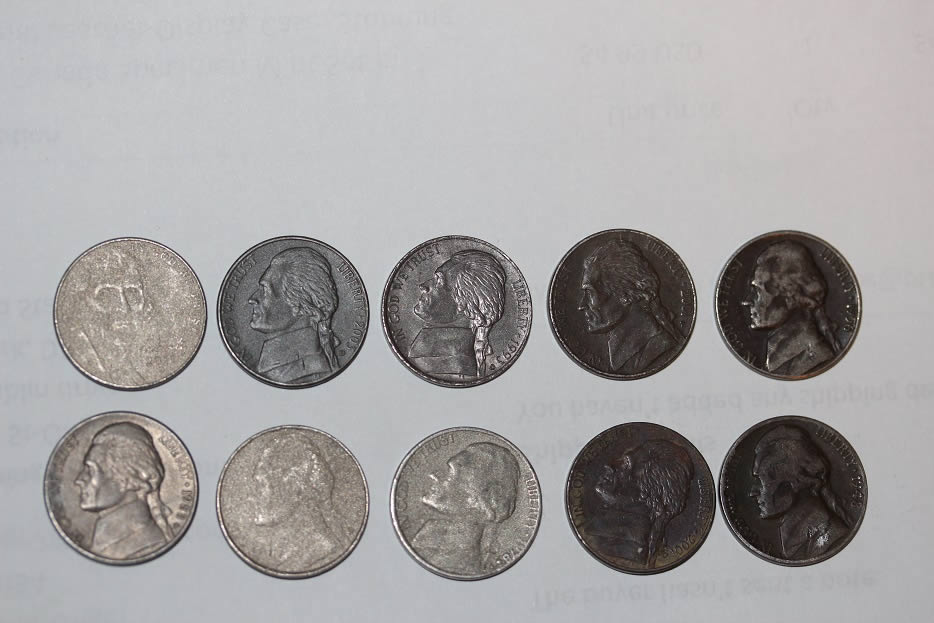
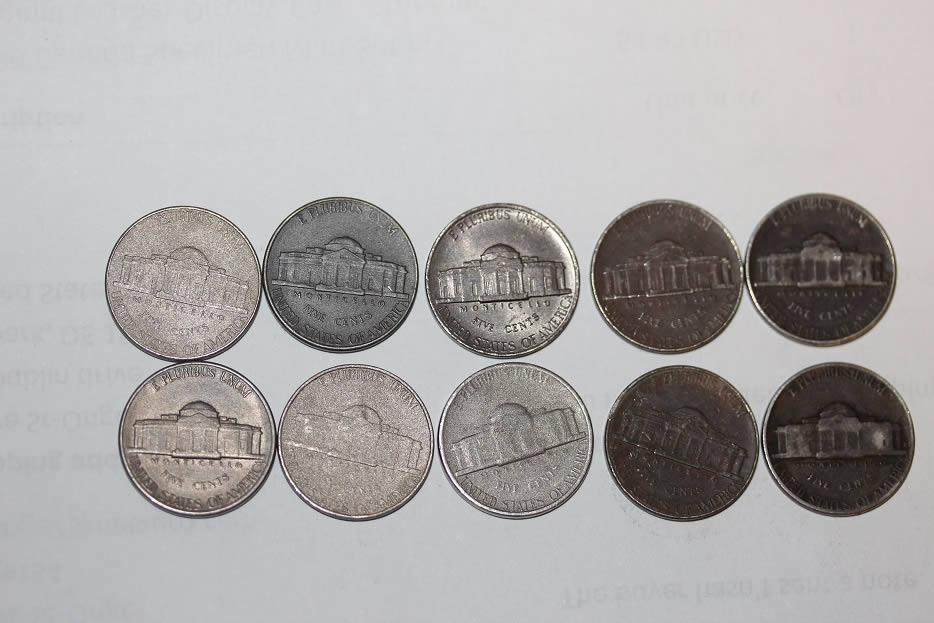
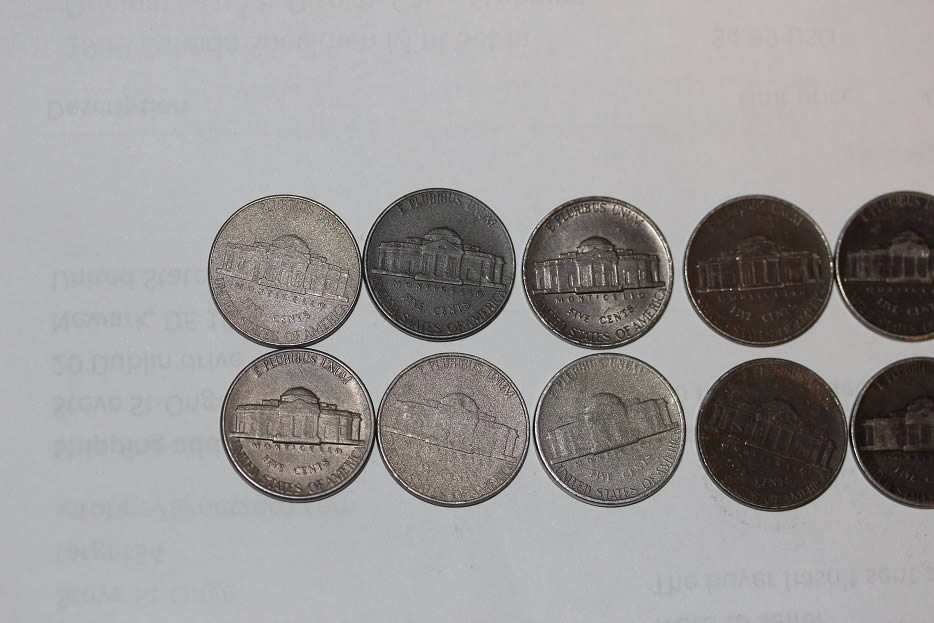
Oijogja....while I pretty much agree with what has been said, I truly believe that there is something going on with some of the more modern nickels. I have an entire coin tube filled with "brown" nickels. The ones most interesting to me are five or six that would be grade as UNC, but they look like they have been powder coated. All of these from over a year of collecting and thousands of nickels searched. I did luck out and find a 1959-D Black Beauty, but mine is more brown than black. There was a guy on the forum from Canada that was going to try to figure out why some turn brown. His research was from a scientific standpoint, but he emailed me several weeks ago and said he suspended his study because it destroys the coin.
|
|
Pillar of the Community
United States
715 Posts |
Interesting. Would you mind sharing a few pictures of your brown nickels?
|
|
Rest in Peace
10197 Posts |
I've heard that if you take an older composition nickel, meaning pre-1964. heat it in a vise until red hot and immediately into COLD water this will change the metallic properties to simulate improper annealing, be interesting to grab a few 64's and destroy a few trying...gee, need a torch, think all my O2 bottles by my vise will be safe...  |
|
Pillar of the Community
United States
715 Posts |
Maybe someone tried something like that with this poor Jeffy. Mmmelty! 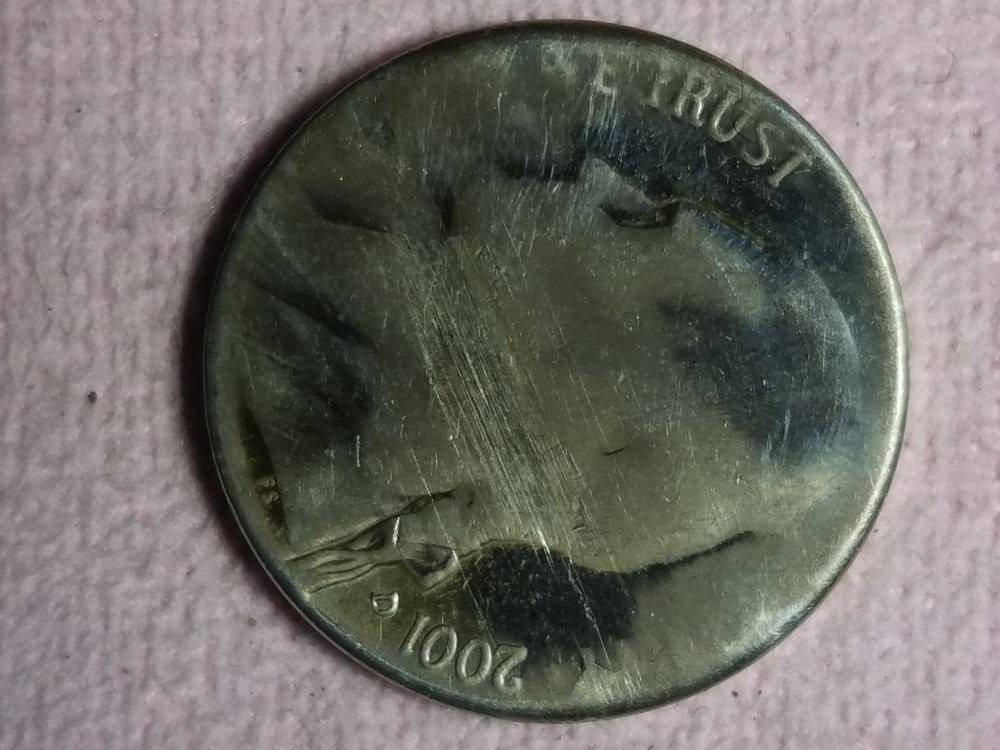 |
|
Bedrock of the Community
United States
11951 Posts |
I would agree identify a black beauty nickel can be very difficult. My suggestion would be to acquire some books on Jefferson nickels. Some Jefferson books will a little information on black beauty nickel. Learning the years that expert have found them will narrow your search. I know I have Black beauty nickels from 1955, 1958 and 1959. I do set them aside when I think I have found one. When one really jumps out at me, then I know I have found one. For the nickel posted ...it is a obvious environmental damaged coin. For me .. sometimes I look at a coin and see what I want to to see. Wanting to see something special. I try to set coins like that aside, come back to it with a second look. The second look try to see the negatives ...see what the coin really is. |
|
Pillar of the Community
United States
715 Posts |
I may have to buy one of these beauts just for reference! I tried to look through pictures before starting this thread of course. As I am sure we all are familiar with, pictures of coins often leave a little something to be desired. Nothing quite like having a coin in hand.
|
|
Pillar of the Community
United States
2775 Posts |
  I too scratch my head and grabbed some popcorn on this subject. Sorry I can add nothing more than whats already been said. But hope to learn if more is revealed. Thanks, Doug. |
|
Valued Member
United States
219 Posts |
|
|
Bedrock of the Community
United States
12437 Posts |
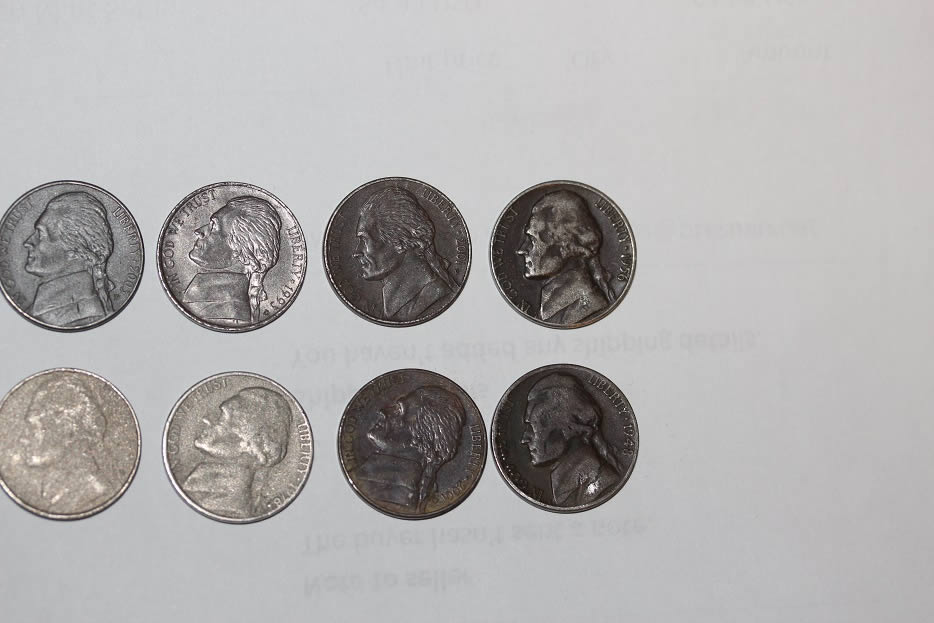
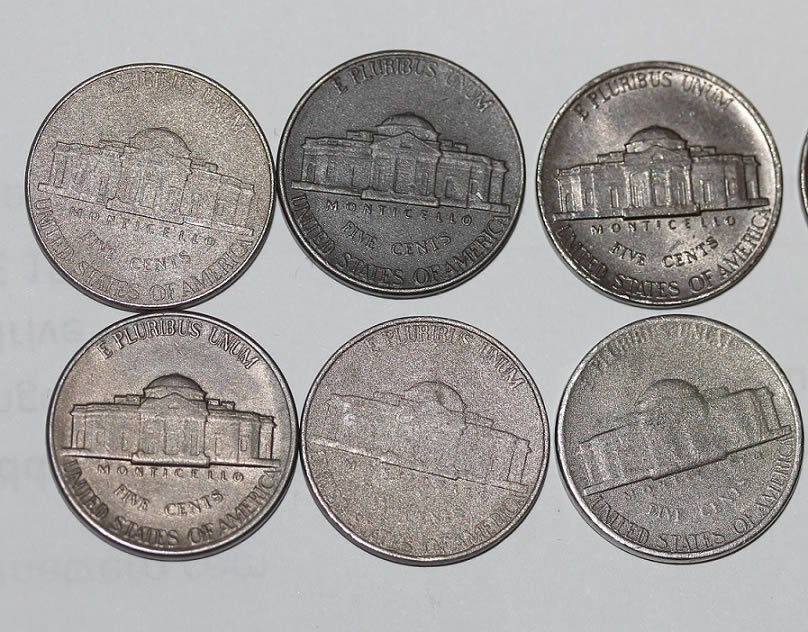
The majority of the nickels shown in the previous post show obvious signs of environmental damage.
|
|
Bedrock of the Community
United States
12437 Posts |
Quote:
I've heard that if you take an older composition nickel, meaning pre-1964. heat it in a vise until red hot and immediately into COLD water this will change the metallic properties to simulate improper annealing There is no such thing as an "older composition nickel". Other than the 1942-45 wartime issues which had no nickel content, the cupronickel five cent coin has had the exact same composition and weight since 1866. |
|
Pillar of the Community
Canada
955 Posts |
Though not on the OP's subject I have a 72 Can. penny from a proof set that has similar damage(?)to the pic's Wildhare posted. The case the set was issued in smells like a wet basement and the other coins have not been effected . 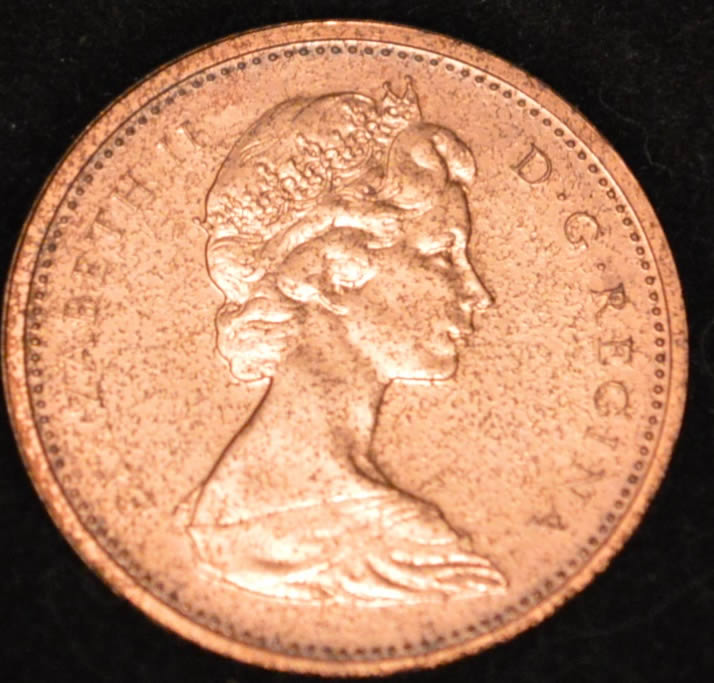 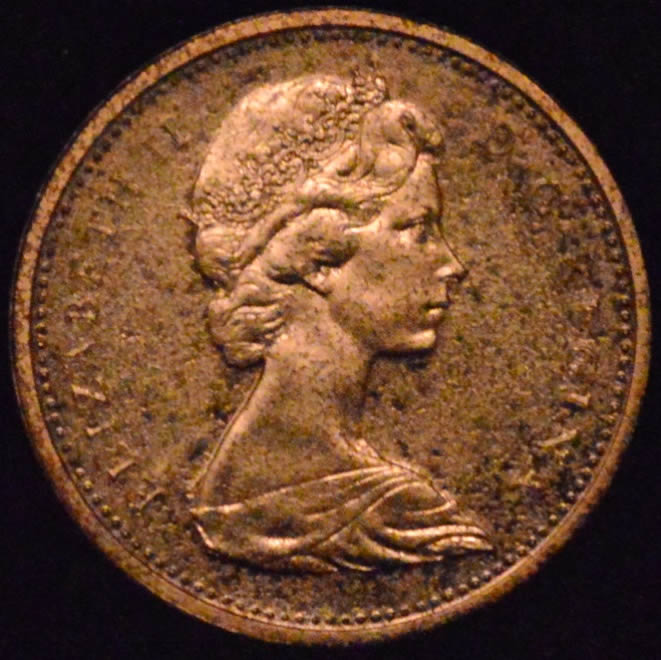 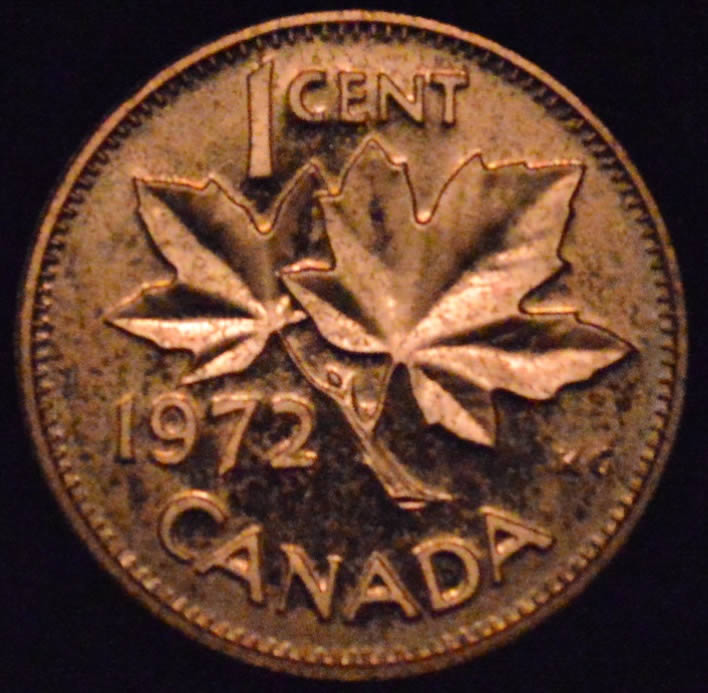 |
|
Page 2 of 2
|
Replies: 22 / Views: 2,765 |
Page 2 of 2
|





 First Page


 Posted 03/27/2017 1:59 pm