| Author |
 Replies: 22 / Views: 4,575 Replies: 22 / Views: 4,575 |
Page 2 of 2
|
|
|
|
Pillar of the Community
United States
3656 Posts |
Well sorry that I am not a professional coin attributer Mark. We are all here to learn from each other without a comment like that. I'll make sure I add in to my posts (IMHO)
Crazyb - I didn't even think of that - so you are saying that the whole middle section there is a struck through? It is such are large section of the coin and a really cool one at that then.
|
|
Rest in Peace
10197 Posts |
Quote:
so you are saying that the whole middle section there is a struck through? Yes CoinCents, exactly. I did send both Mike Diamond and Coop an email request to check this out, but it must have gotten overlooked. Laminations don't usually form along perpendicular lines, they are erratic and variable. There should be some evidence of separation extending into the formed area of the rim and toward the outside by the collar contact. But I see no evidence that the peeling runs over the rim. Under magnification a closer look at the field area as it approaches the rim offset...that is where I believe the foil became cut off evenly, should see a circular edge there. |
|
Valued Member
 United States
493 Posts |
|
|
Pillar of the Community
United States
3402 Posts |
I can see what is being said about the parallelism of the lines, but metal has been shown to do this also. Additionally I have seen de-laminations that do not go to the rims. I'm not sure how it could be explained that planchet material can be pulled away from the coin due to a strike through. Finally some people need to reasses (look what's in the middle of that word!!) their holier than thou know it all attitude when others come up with a hypothesis. If someone is having a hard day they should pause to choose their words more carefully before replying. Getting hysterical in your response serves no purpose. Chillax.
KK
|
|
Valued Member
United States
493 Posts |
I'm slightly more confused then before, Sorry, but all this coin lingo is making my head hurt. In simple terms am I safe to say its a Lamination error? I appreciated everyone help I just need to catch up on all wording used to explain errors. I will take notes on this one and do some research like I should. Again thank you!
|
|
Pillar of the Community
United States
2376 Posts |
Not trying to stir a boiling pot here as I am certainly no expert nor do I have coin in hand, but
A lam is basically where part of the coin metal has lost its bond to the adjacent coin metal. This could be as CBo said that a foreign scrap of metal was bonded to the planchet at the time of the strike. The fact that there are parallel lines of lams on this coin may be inconclusive because all the metal that makes up this coin appears to be coin metal thus the extra metal would most likely come from a lamination of another coin or planchet that lamed that way.
Weighing the coin could possibly give some insight.
A lam could also be caused by impurities in the coin metal bar stock which is rolled to the proper thickness before the coin blanks are punched. This rolling does leave a linear structure to the coin metal that could possibly form parallel lines of lams.
|
|
Bedrock of the Community
United States
79726 Posts |
If you can get the weight as stoneman said, that would be great.
Errers and Varietys.
|
|
Valued Member
United States
493 Posts |
The coin weighs, Drum roll.....3.067 grams'If you need more pic's I can take them.
|
|
Pillar of the Community
United States
2376 Posts |
Try a few other pre 82 cent on your scale. If they come up as a similar weight or heavier than I think a piece of coin metal scrap struck onto your coin is a less likely scenario
|
|
Valued Member
United States
493 Posts |
Okay, I did five coins pre/1982 3.072, 3.067, 3.047, 3.060 and 3.056
|
|
Pillar of the Community
United States
7600 Posts |
Quote:
I think a piece of coin metal scrap struck onto your coin is a less likely scenario Absolutely agree with. Quote:
all this coin lingo is making my head hurt. I can see why, and I am sorry for that, we are suppose to help you here not to confuse you further. Quote:
am I safe to say its a Lamination error? Yes, it is a Lamination issue and not a struck thru. |
|
Pillar of the Community
United States
2376 Posts |
Many thanks for the extra effort cldague.
I agree with Chase above.
|
|
Valued Member
United States
493 Posts |
|
|
Valued Member
United States
89 Posts |
I have a 1966 penny that has a "Lamination Fold over Before Strike" error on the reverse. The pattern on your coin vs mine may be different but I'm just offering my opinion on the correct coin error term. In my photos, a part of the fold over appears to have folded twice before being struck. PS. I don't want to clean the dirty coin until I'm certain it's not worth anything. 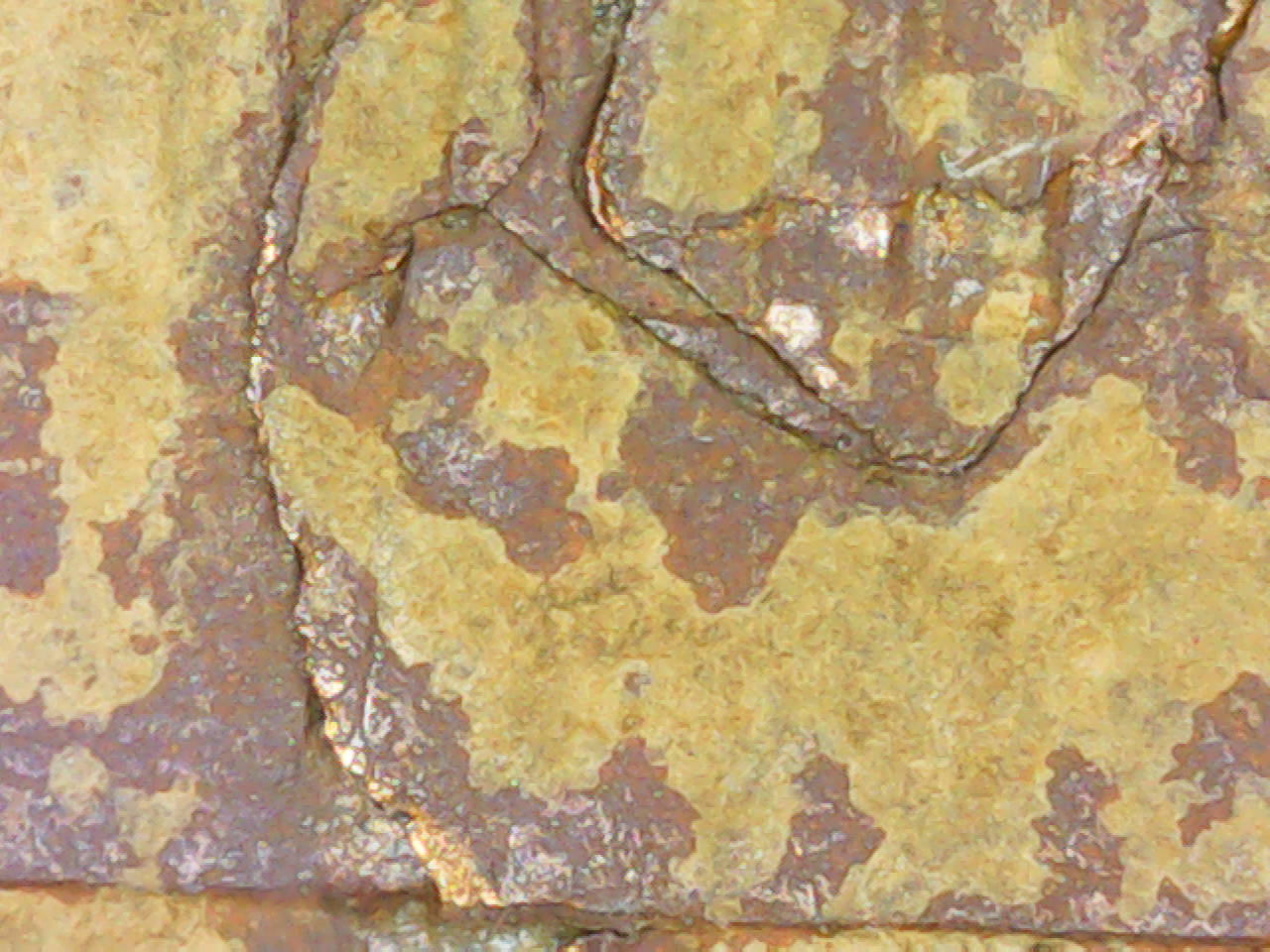 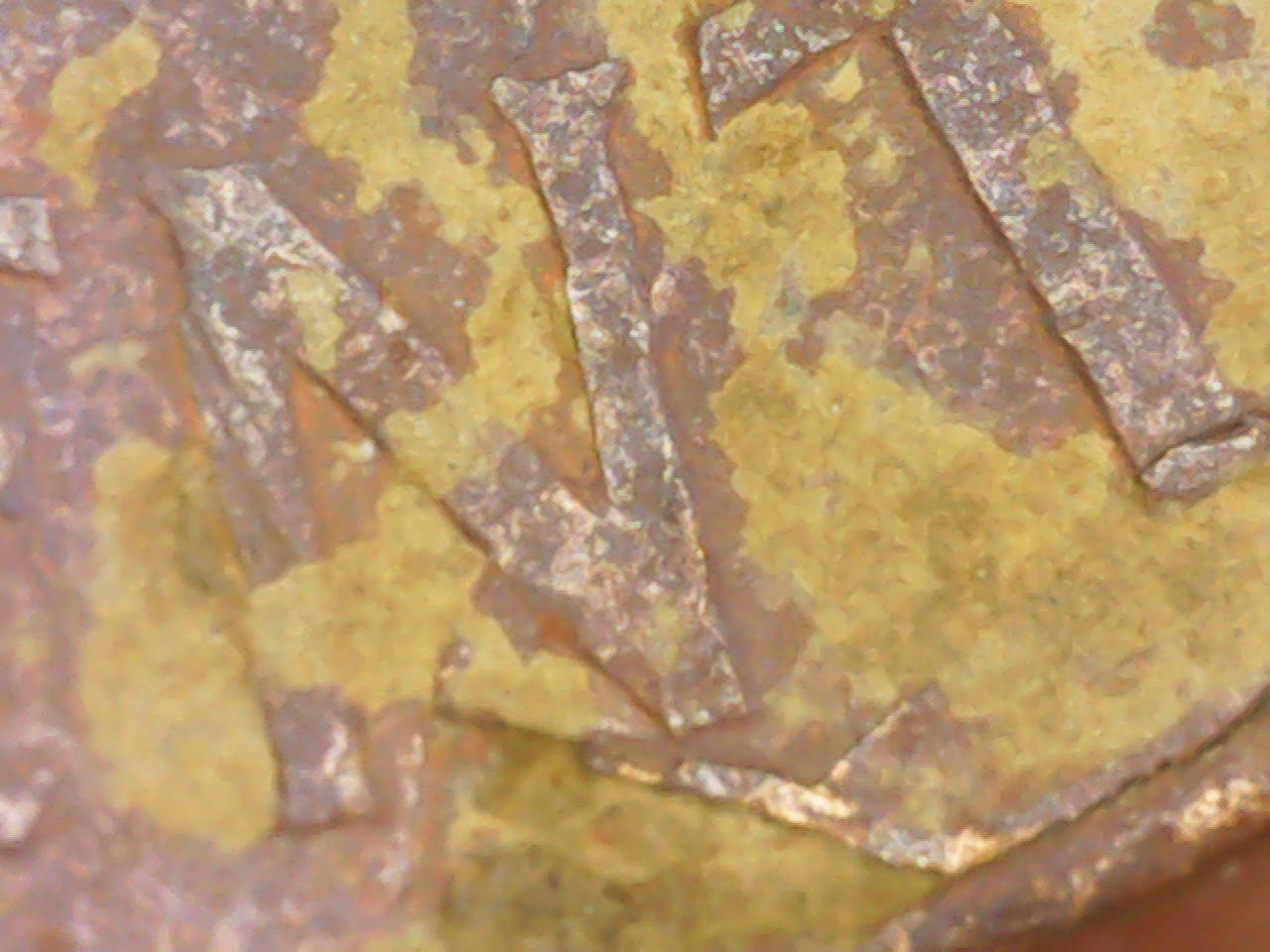 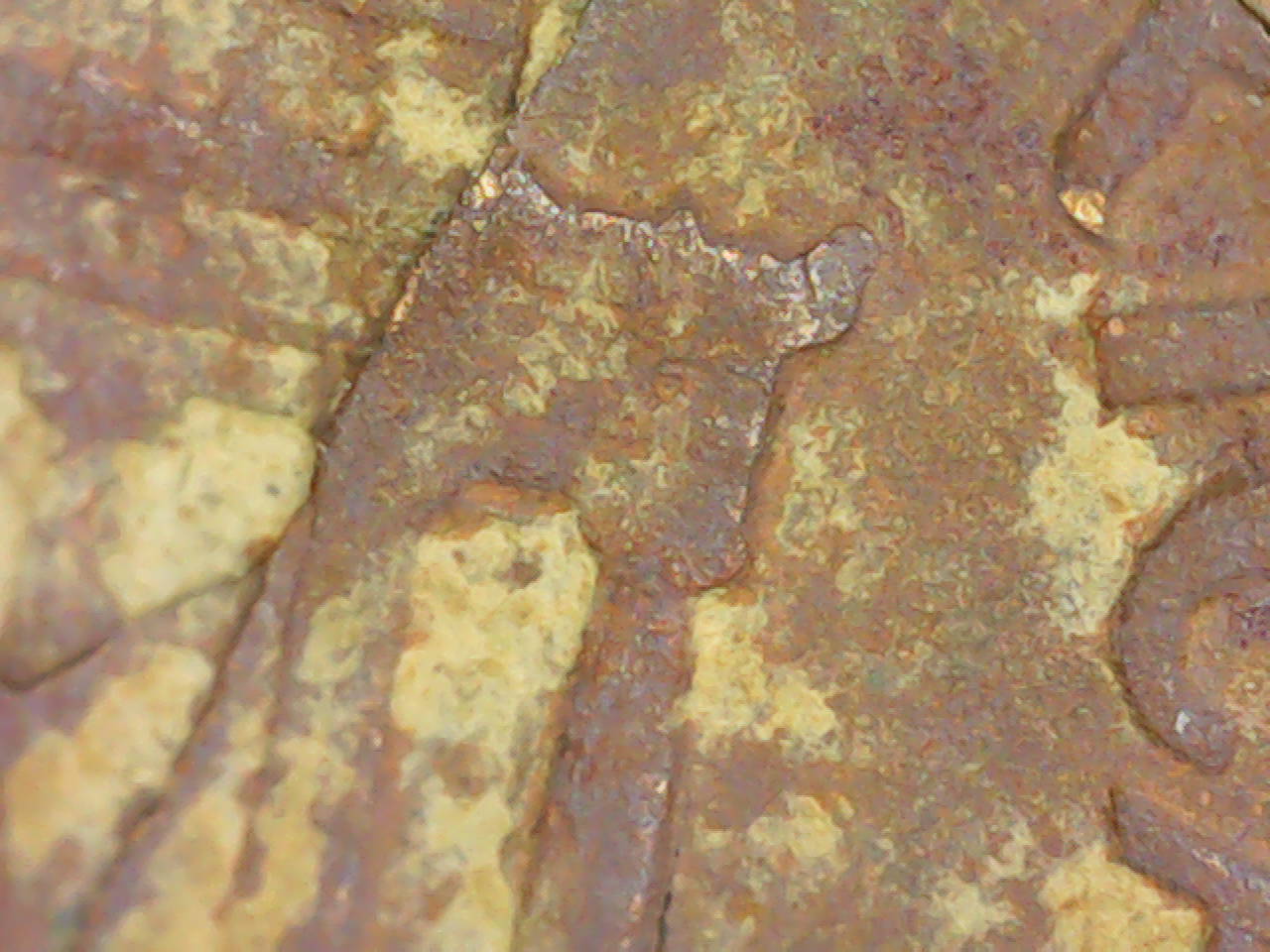 |
|
Bedrock of the Community
United States
10635 Posts |
Once again you are posting ina thread over four years old. Please start your own thread with your own cent, and... never ever never clean your coins.  |
|
Page 2 of 2
|
Replies: 22 / Views: 4,575 |
Page 2 of 2
|





 First Page


 Posted 08/17/2018 10:07 pm


