| Author |
 Replies: 21 / Views: 2,306 Replies: 21 / Views: 2,306 |
Page 2 of 2
|
|
|
|
Bedrock of the Community
United States
94367 Posts |
Right, just someone with too much time on his hands.  to the CCF! |
|
Pillar of the Community
United States
7600 Posts |
 with Crazyb0 to community. |
|
Pillar of the Community
United States
4427 Posts |
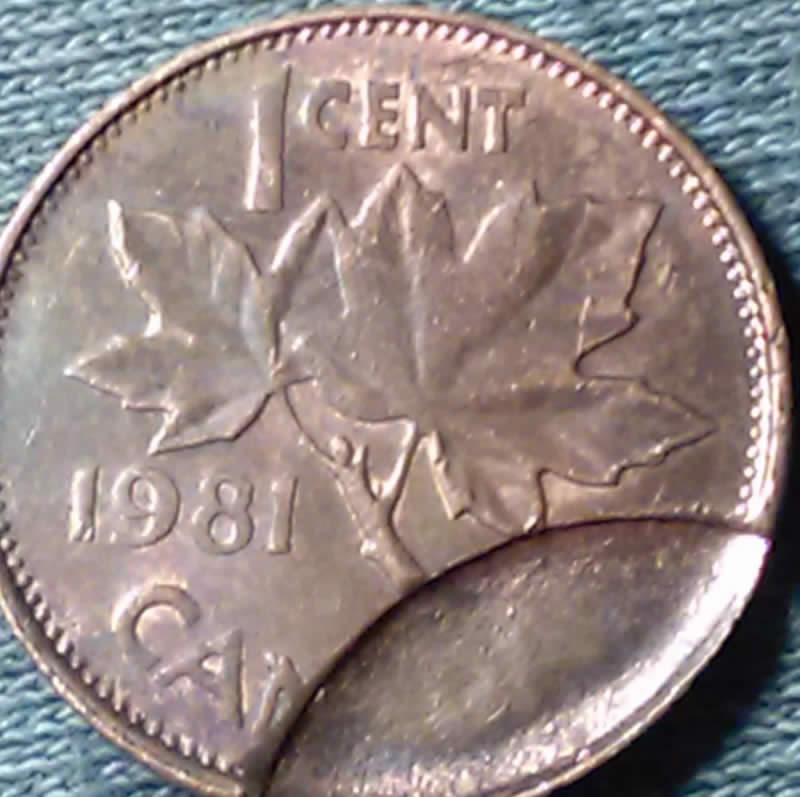
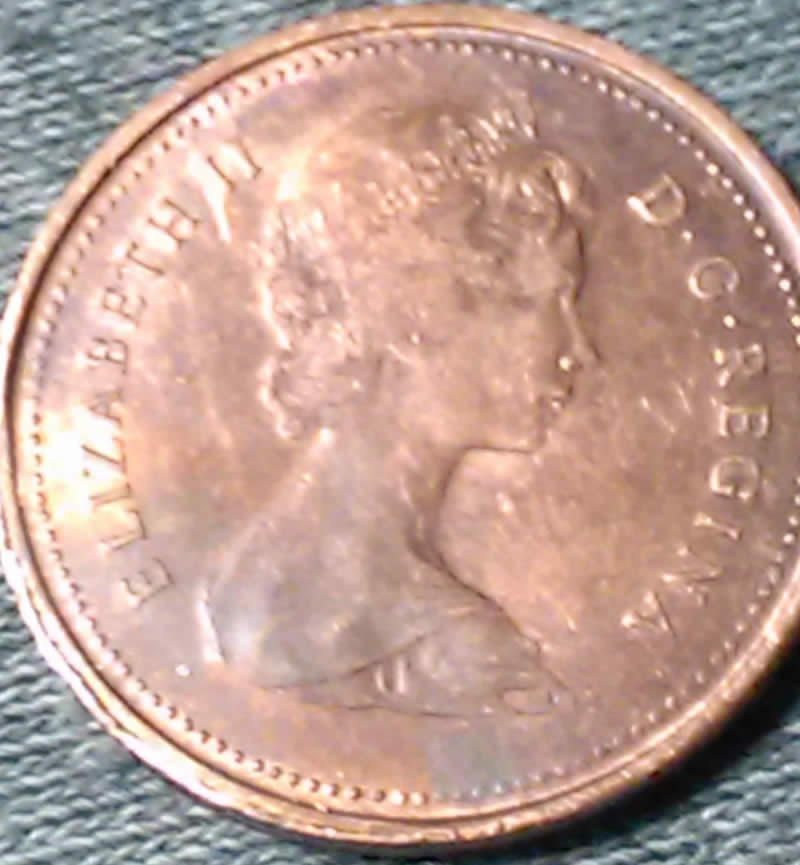
to the forum! Not an error, just damage. Maybe a vise job or a hydraulic press like mentioned before. |
|
Pillar of the Community
586 Posts |
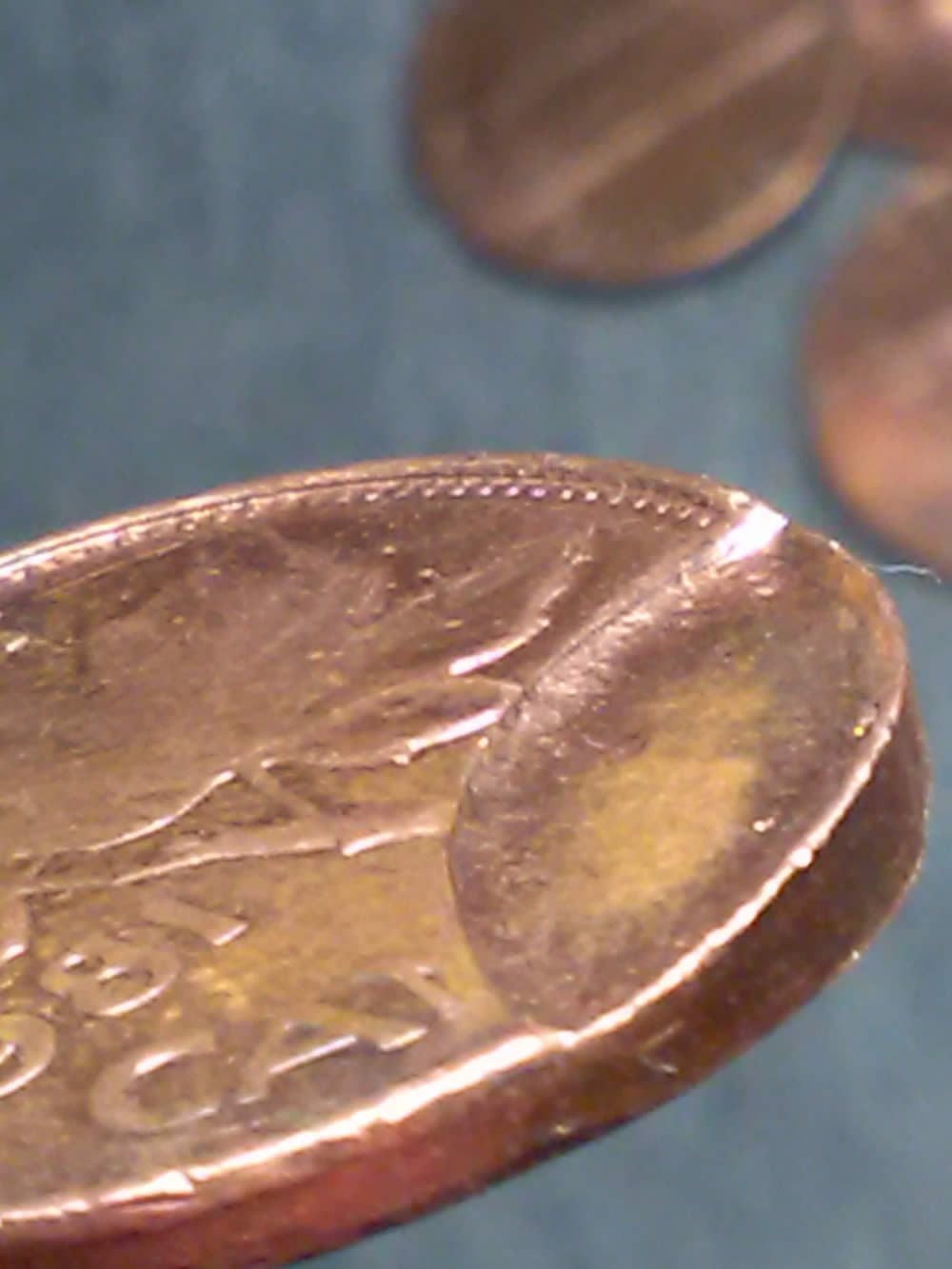
Like I said, I don't know much about this type of error and therefore am not disagreeing. I just find it odd that there seems to be evidence of the blakesley effect exactly opposite the affected area. You can clearly see weakening of the rim on the opposite side. Is that just coincidental then?
|
|
New Member
 United States
3 Posts |
thanks guys ,
I figured it was a 50/50, that's why I posted here. I did forget the question mark on the title ...Sorry. Took it to a shop close to me I do biz with and he was on the fence after going under his scopes. I'm putting this with my little collection of "nice try, Bubba" coins. they're good for conversation pieces.
|
|
Rest in Peace
10197 Posts |
Waynoah....may have been held in a vise or slide clamp of the press.
Edited by Crazyb0
08/20/2018 8:03 pm
|
|
Pillar of the Community
586 Posts |
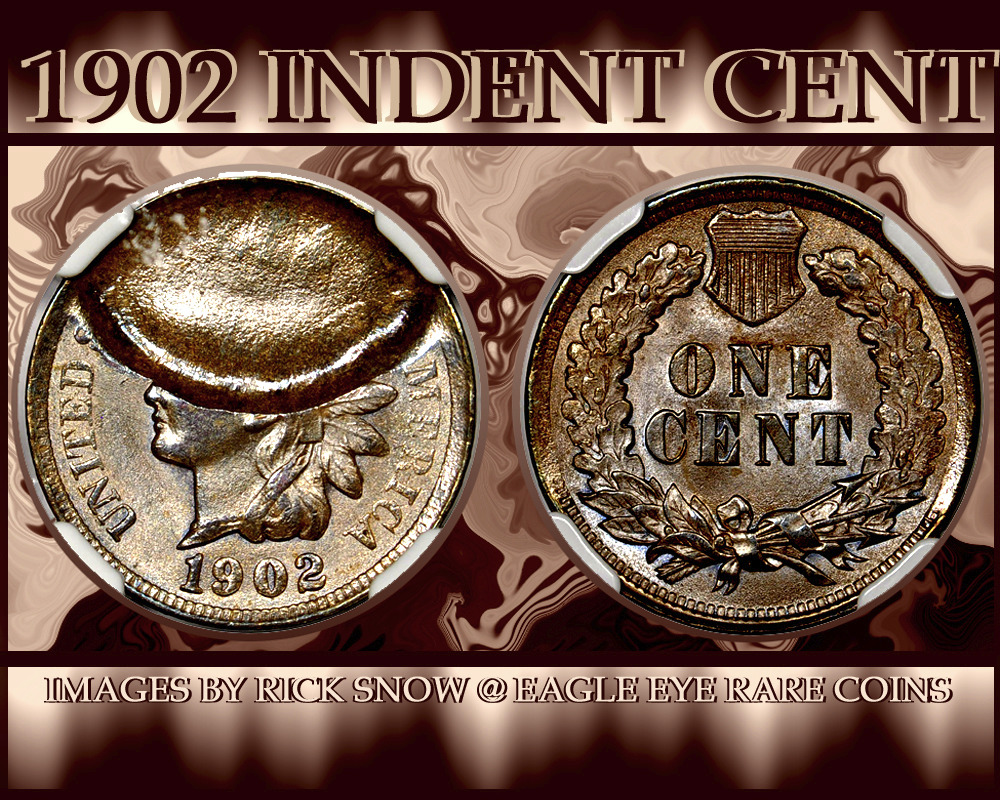
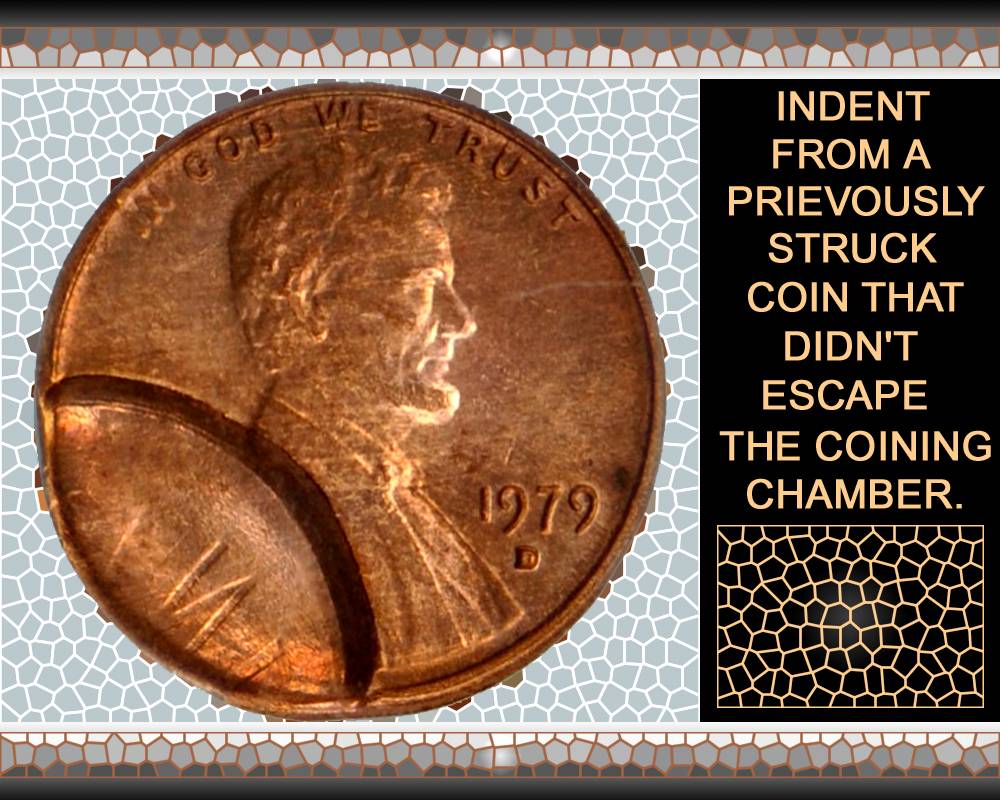
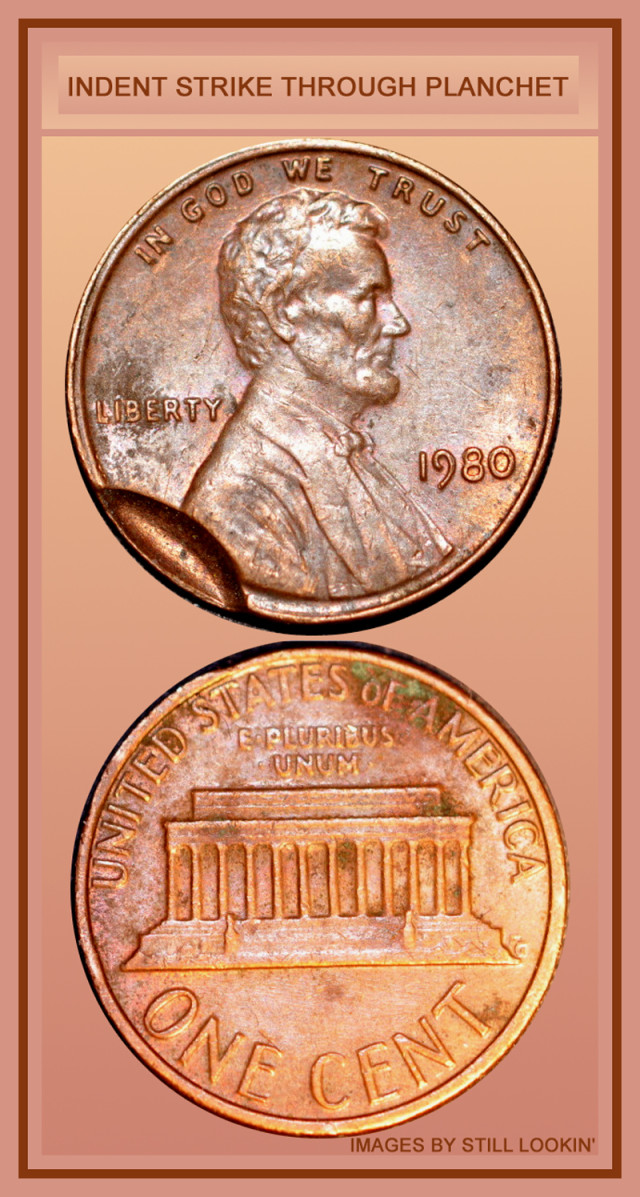
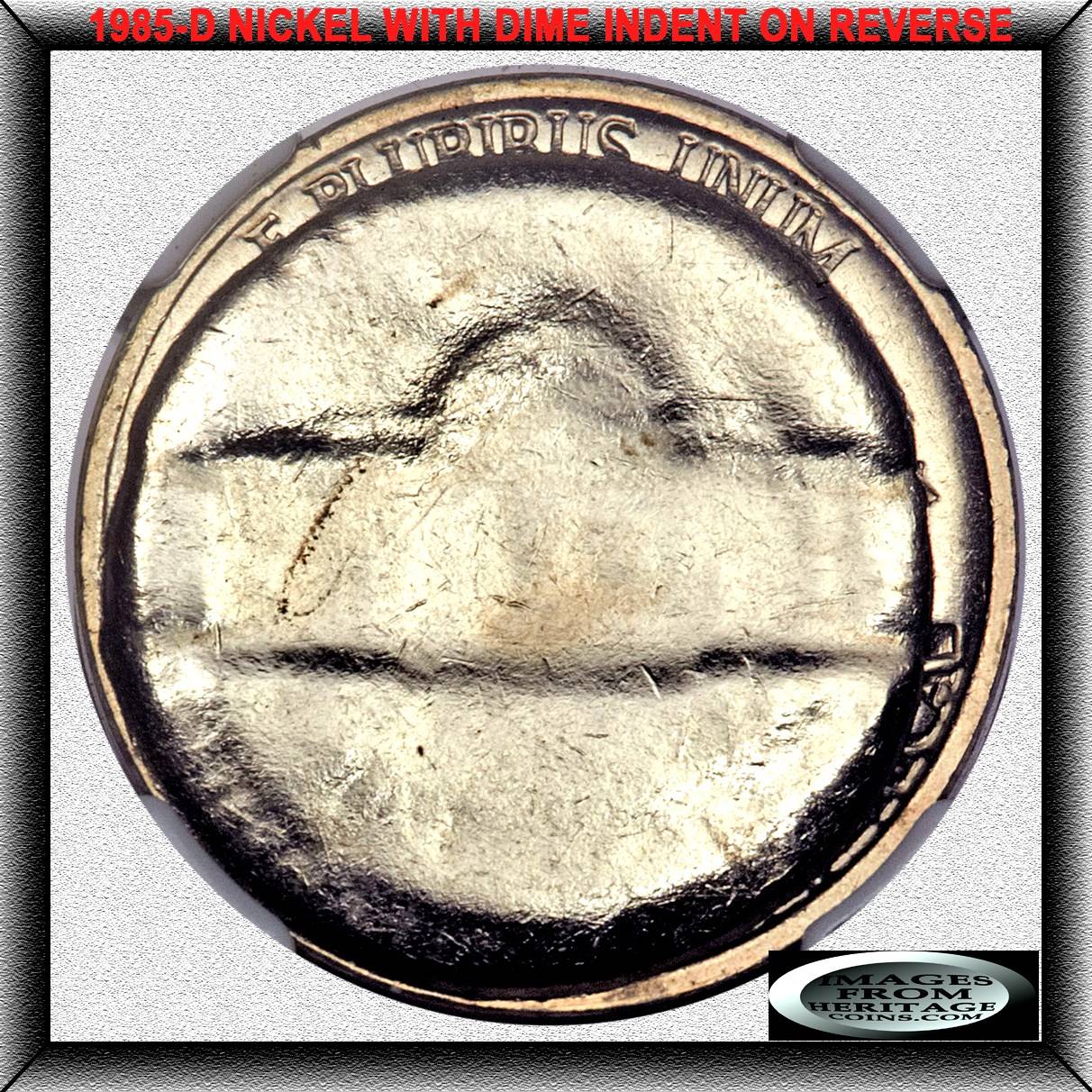
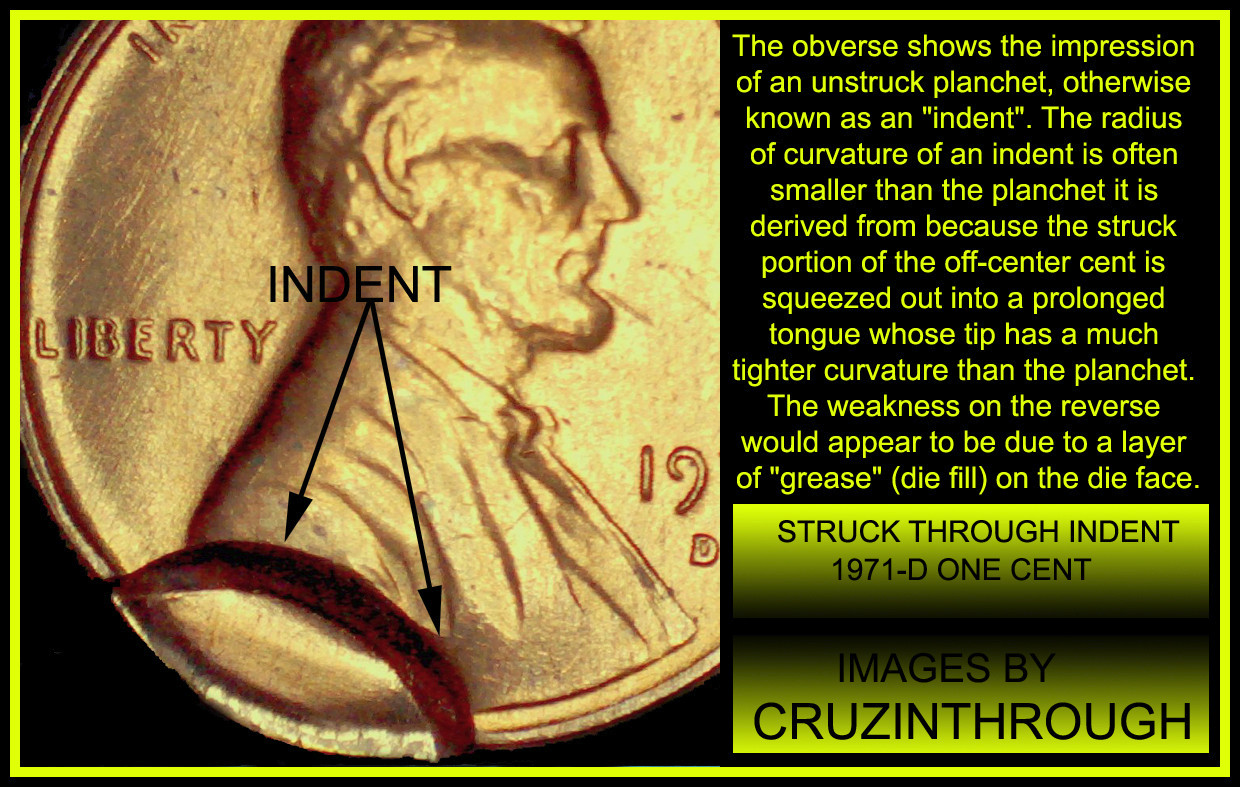
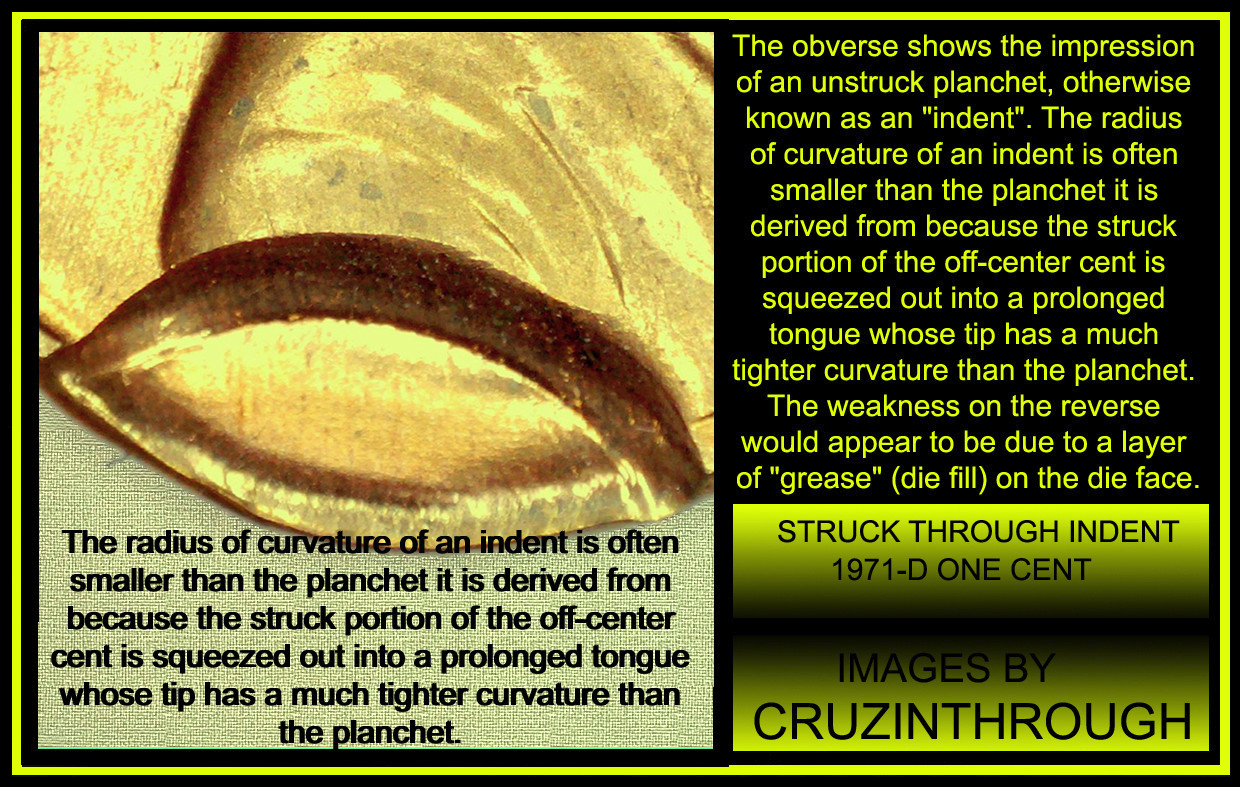
After doing some research and checking out EV's links this actually looks like a partial indent and not incomplete clip. In a partial indent, the coin doesn't eject and a blank planchette is then stamped onto the face of the coin. You can see in the examples on error coins that the rim and devices we're in fact there from the initial strike and then flattened when pressed with the edge of the blank planchette. Again, I'm not saying this isn't homemade, I'm just saying when looking at it through the perspective of that type of error and not clip it makes a lot sense. The example also shows weakness on the opposite rim. The only difference between the two examples is the one on error ref was partially ejected where as this one I think was fully stuck in. Anyways, I'm just saying I think it's a rational possibility. If I'm totally wrong then someone please explain to me why. this isn't sarcasm but I honestly am always trying to learn something new and like to learn anything and everything about coin errors.
Edited by Waynoah83
08/20/2018 8:41 pm
|
|
Bedrock of the Community
United States
62064 Posts |
|
|
Bedrock of the Community
United States
79609 Posts |
|
|
Bedrock of the Community
United States
62064 Posts |
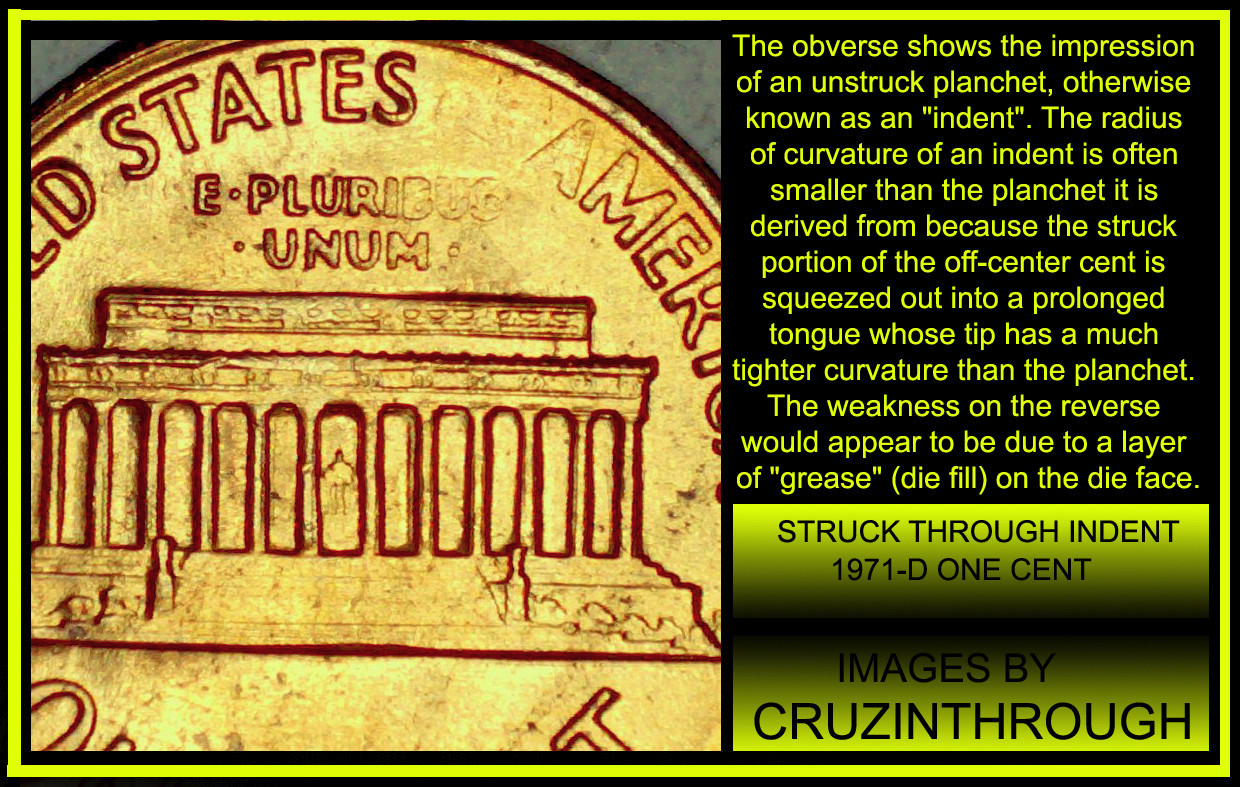
Again a full strike on one side.
|
|
Bedrock of the Community
United States
79609 Posts |
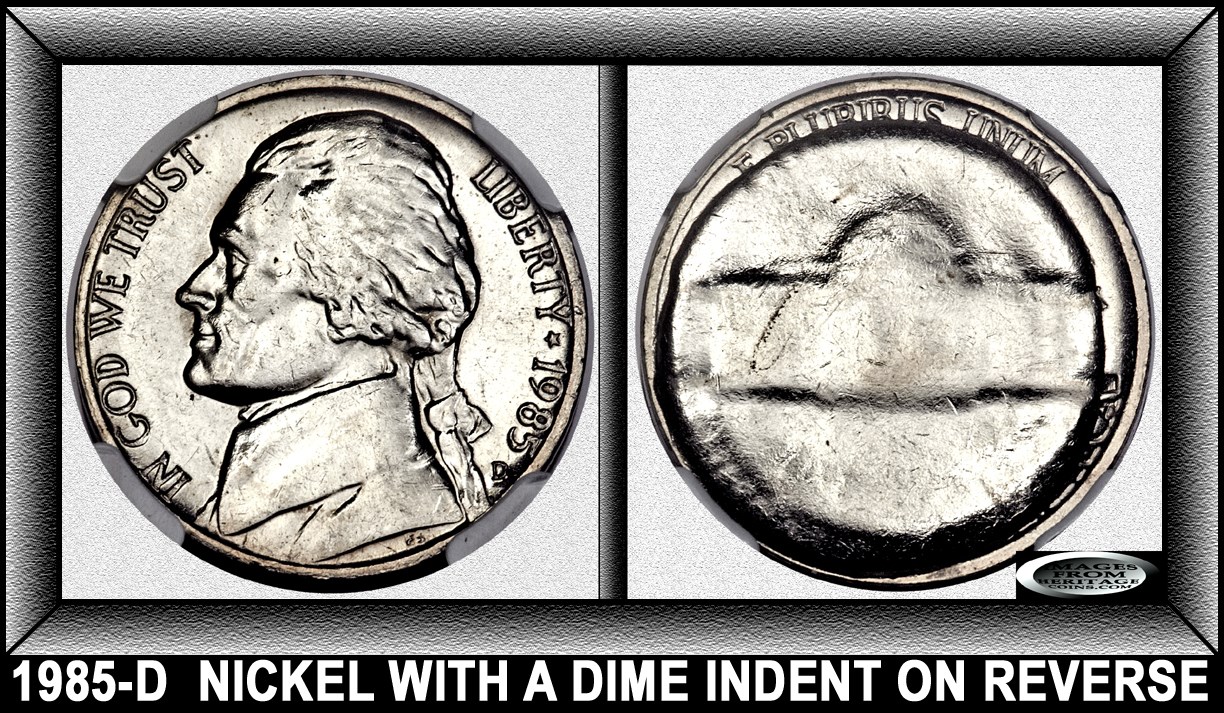
So Coop, what type of Indent would mine be?
Errers and Varietys.
|
|
Bedrock of the Community
United States
62064 Posts |
On the Canadian cent. It looks like the secondary coin. The other planchet was not struck yet, except for the area area that caused the indent on your coin.
|
|
Bedrock of the Community
United States
79609 Posts |
I see. Thank you for helping me out Coop! I highly appreciate it!  Errers and Varietys.
|
|
Pillar of the Community
586 Posts |
So basically because the back was affected this would leave you to pretty much assume it's not a real indent?
|
|
Pillar of the Community
United States
7600 Posts |
Waynoah,
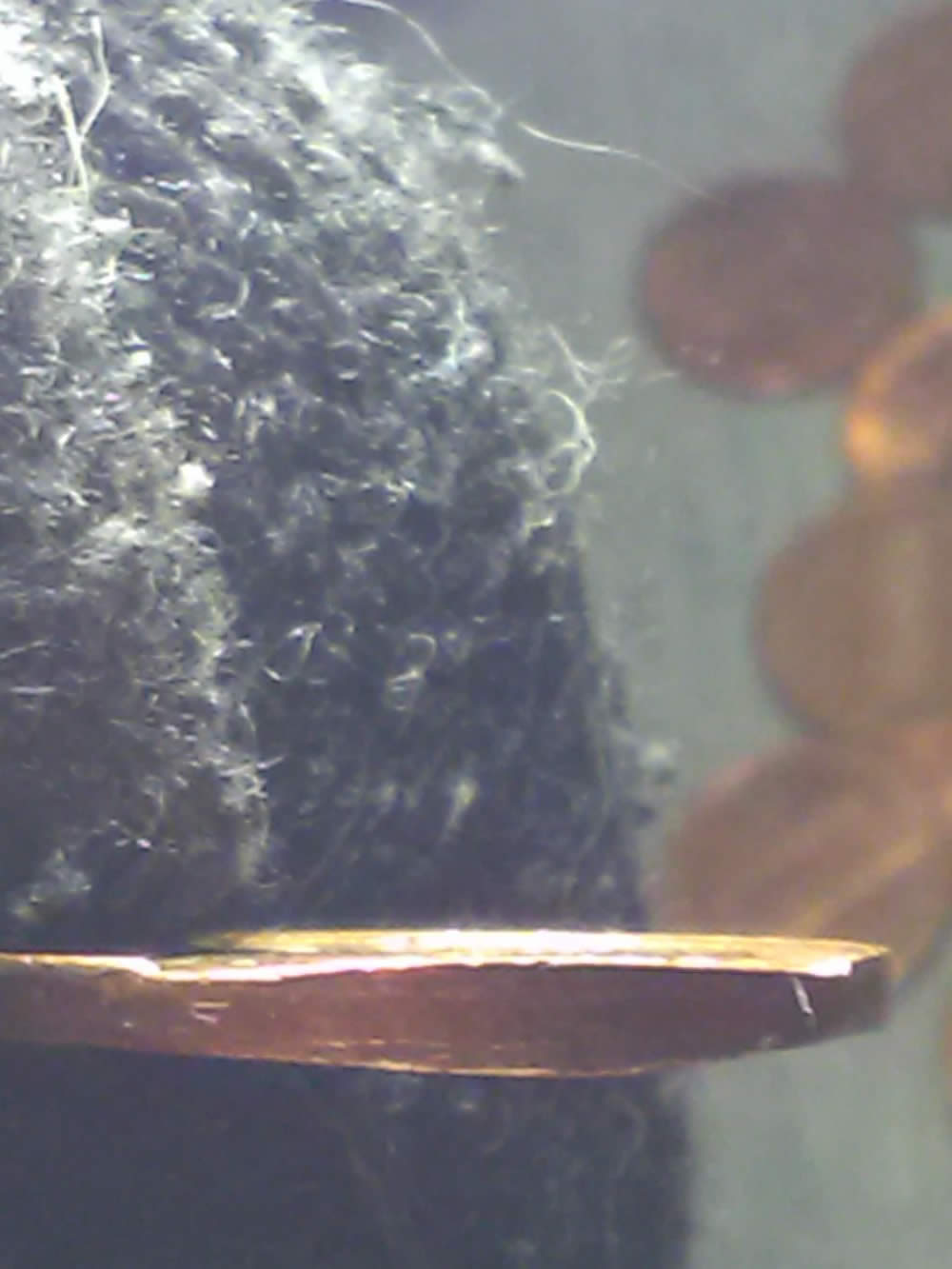
OP's coin was crafted by a third party outside of mint, the taltale signs particularly the uniformed indentations on the Rim and on the edge shows it was done by a hydraulic press and most obvious one is the FULL RIM as mentioned.
|
|
Page 2 of 2
|
Replies: 21 / Views: 2,306 |
Page 2 of 2
|





 First Page


 Posted 08/20/2018 6:49 pm