| Author |
 Replies: 35 / Views: 5,547 Replies: 35 / Views: 5,547 |
Page 3 of 3
|
|
|
|
Pillar of the Community
 United States
2112 Posts |
@silviosi Thank you for your input, not sure where excitement is coming into this conversation, its about learning how to identify these types of errors and any other potential error that gets posted. I used this site to gain experience and to share cool finds as well. I have had plated coins before, Cents, Quarters, and Half Dollars. This is the first one that has that mint luster. Most plated coins I have had didn't show cartwheels like this one. Matter of fact I don't recall ever seeing cartwheel luster like this on plated coins. My question is if a unplated Zinc planchet was struck and found in almost BU condition, would this unplated Zinc Cent show the mint luster like a regular Zinc Cent? Also this coin is not as reflective as other plated coins I have had over the years. With that being stated this still could be a Plated LMC which I am still leaning that way. The first photo is more how the coin looks in hand, but with cartwheels. I glad you are very confident in your opinion what you think this coin is. That is where I am trying to get. Thanks again. "LOVE THE HUNT!"
|
|
Pillar of the Community
United States
2112 Posts |
Hey Everyone, My curiosity got the best of me and I did a tiny scrape test, and I now am positive that this 1994D is a plated coin. In the photo it appears to be copper under the plating. @silviosi good job on your observation. I had a feeling it would turn out that way. Not knowing enough about unplated Zinc coins and how they appear in a UNC condition left me guessing of what I had. Great debate on this feed. It would have been a great find if it were a real Unplated Zinc, this time not the case. This is why we search, correct? Please remember when someone post a coin they are posting it to see if they have an error or rare find. Please don't be so quick to dismiss what has been posted. Most of us are here to learn and gain knowledge. Excitement comes once an item has been confirmed to be a true error or rare find. Thanks to you all for your input. It was a fun debate. Just wish the results turned out better. 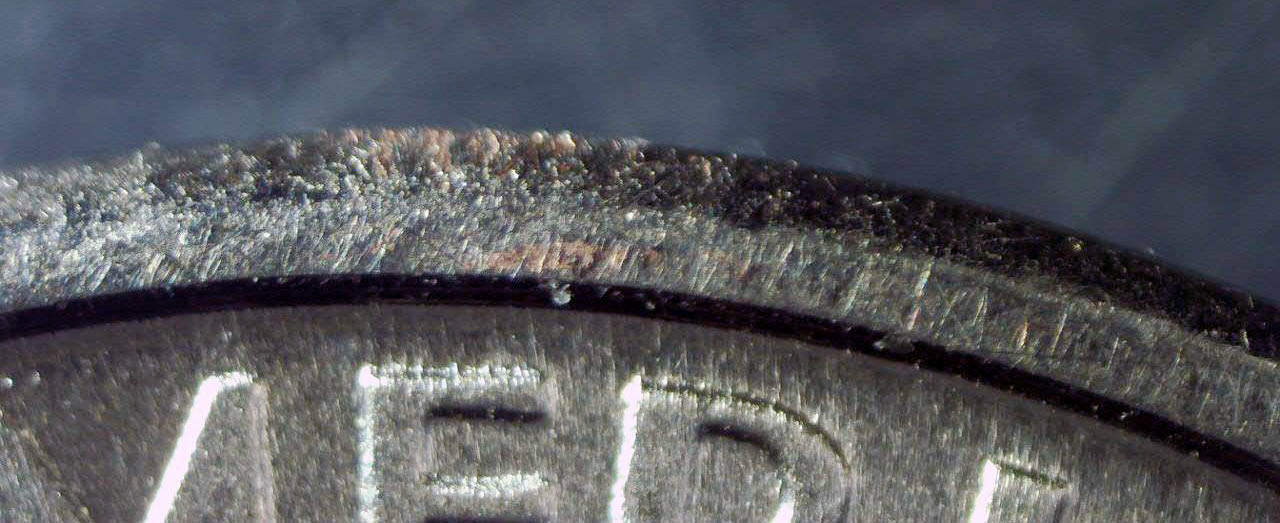 "LOVE THE HUNT!"
|
|
Pillar of the Community
 United States
9023 Posts |
I was rooting for you, even though I had my doubts. Keep up the search and I look forward to your next find.
-makecents-
|
|
Moderator
 United States
108384 Posts |
Well, sorry to see it turn out to be a re-plated cent. So this coin is (most likely) a zinc plated, copper plated, zinc core Lincoln Cent. I did have some reservation about it being an unplated cent due to the weight, But one can always hope for the best outcome Edited by Dearborn
05/19/2023 2:09 pm
|
|
Pillar of the Community
United States
2112 Posts |
Dearborn I had to do a scratch test. It was driving me crazy not knowing. I think even if it was a true Unplated Zinc that tiny scratch would not hurt it too much. Back to searching and learning.
"LOVE THE HUNT!"
|
|
Moderator
United States
108384 Posts |
Oh, I know, I would have done the same thing too. If this were a reeded coin, I would scratch it in between the reeds to hide it
|
|
Pillar of the Community
Canada
6244 Posts |
@ arby96
Your last pic show some Cu.
Now your question about the cartwheel. I say basic all the coins (Blanks), indifferent of the compositions or procedures as: clad or plating will pass the Blank polishing. Base on those procedures must be a cartwheel. After strike the difference will come from the type of Die polishing.
WEIGHT: Theoretically an unplanted coin must be less. TRUE = NO. Why? because a thicker planchet will balance the weight. So is necessary to look at the coins from many aspects and not just go ONE idea.
Me I do not state it is re-plated. I state has the characterizes of a coin boil in special solute which will detach Zn ions to the surface and broke the Cu ion and complete the Zn molecules with CU. This it is names semi reverse engineering of electroplating.
ARBY: we all learn every day till we go. Also in that moment, the last we will learn that we had only one life not two as we believed.
Edited by silviosi
05/19/2023 7:48 pm
|
|
Moderator
United States
108384 Posts |
@Silvio, What are the solution ingredients you talk about in the boiling process?
|
|
Pillar of the Community
Canada
6244 Posts |
I will give you private with the tracking No.
|
|
Moderator
United States
108384 Posts |
sounds good, thanks Silvio.
|
|
Valued Member
United States
169 Posts |
@Silvio, do you think it was boiled in an aqueous zinc sulfate solution?
|
|
Pillar of the Community
United States
1648 Posts |
Quote:
do you think it was boiled in an aqueous zinc sulfate solution? Please see my first post on page 1 further down for a link and video, chemistry experiments used hot sodium hydroxide solution as an example to plate cents which was my secondary suggestion for this coin as mentioned there further down in the post if it turned out not to be a unplated zinc planchet. unplated Lincoln cents are difficult to authenticate in even the best of circumstances, even for grading services also as mentioned. Normally they are more greyish white like this one and I'm still learning like everyone else which is many times why I also post links to where I got the info from. https://www.coinworld.com/numismati...g-hobby.htmlEdited by datadragon
05/19/2023 10:13 pm
|
|
Valued Member
United States
138 Posts |
A 'copper' coin is dipped into a solution of sodium zincate in contact with zinc. The coin is plated with zinc and appears silver in colour. This is what LMC would look like Zinc does not have as much luster as copper does 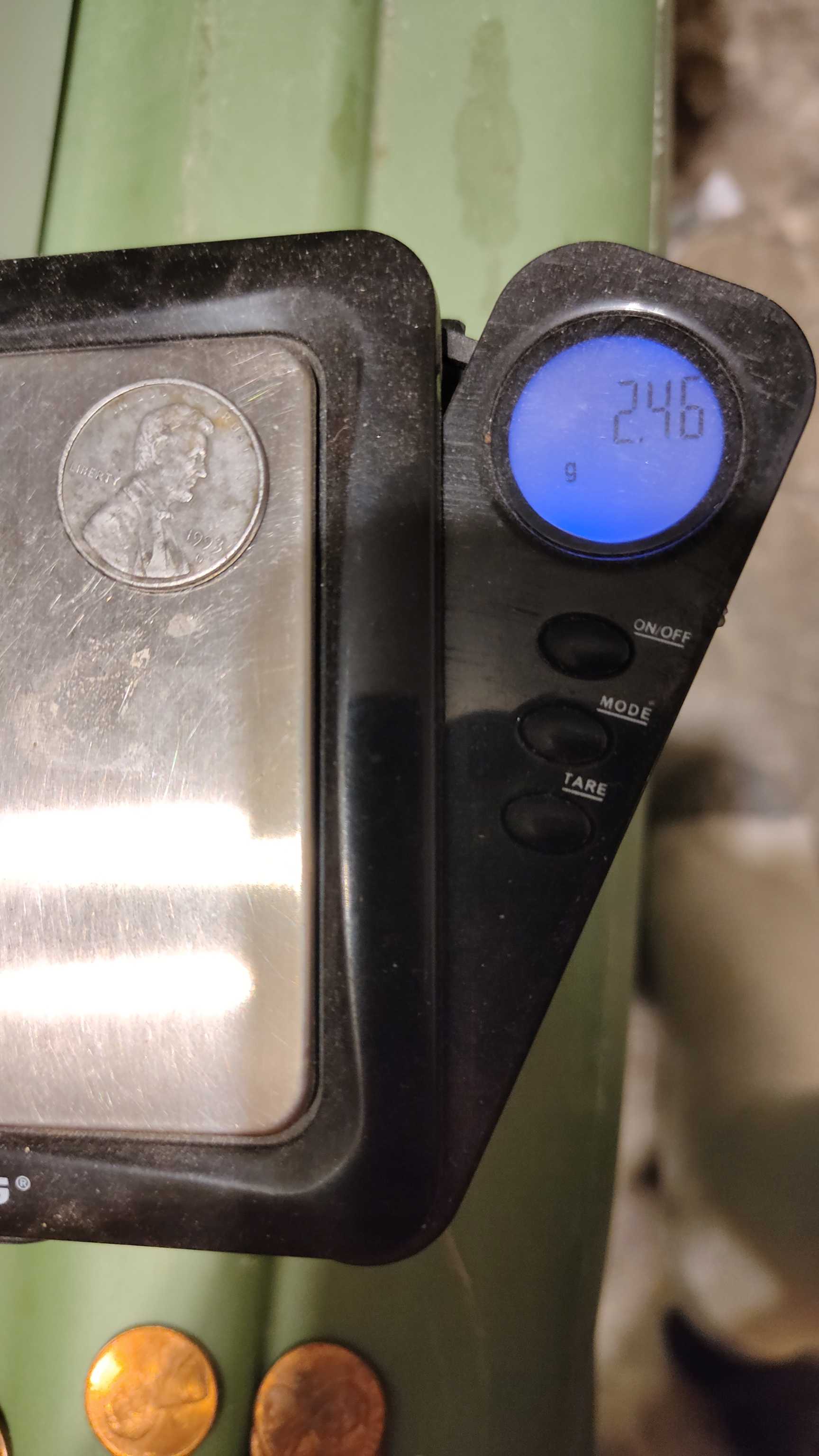 |
|
Valued Member
United States
116 Posts |
just throw a bunch of cents on the electric range top, set the temp to about halfway turns them red, silver, grey, or gold. Vary the temp and time to tune the results 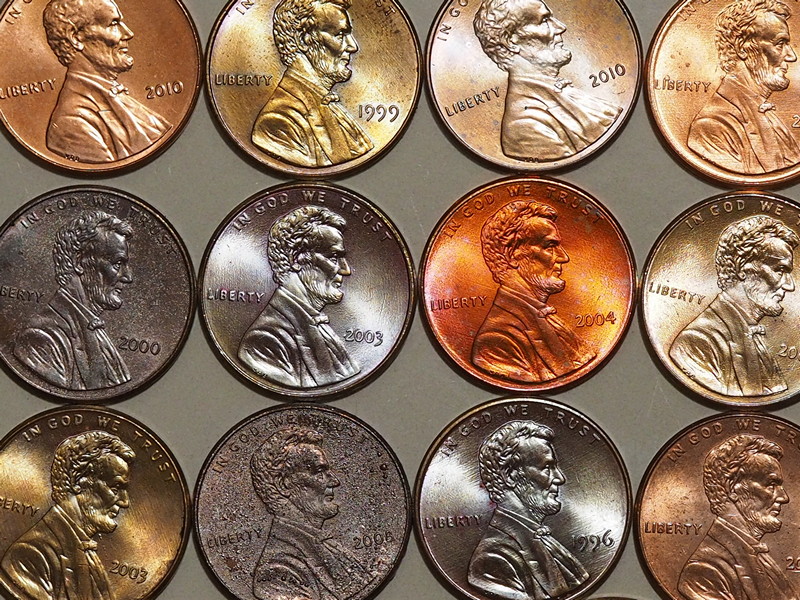 |
|
Moderator
United States
108384 Posts |
I wonder if that works on a glass cooktop too
|
|
Page 3 of 3
|
Replies: 35 / Views: 5,547 |
Page 3 of 3
|






 First Page
 Previous Page

 Posted 05/19/2023 1:06 pm


