| Author |
 Replies: 39 / Views: 1,811 Replies: 39 / Views: 1,811 |
Page 3 of 3
|
|
|
|
Valued Member
 United States
198 Posts |
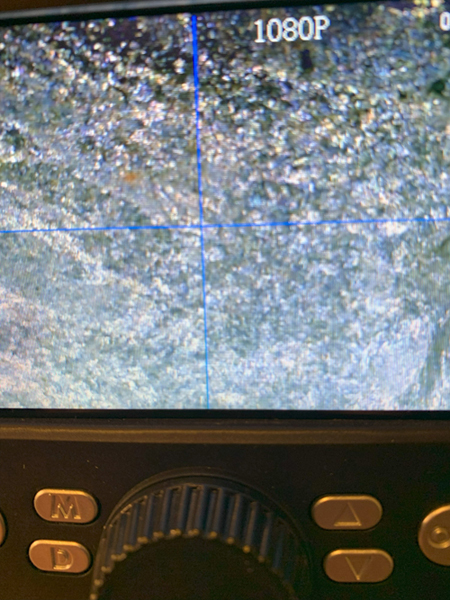
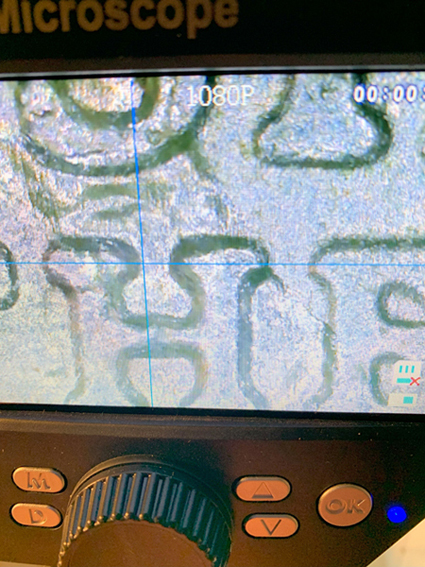
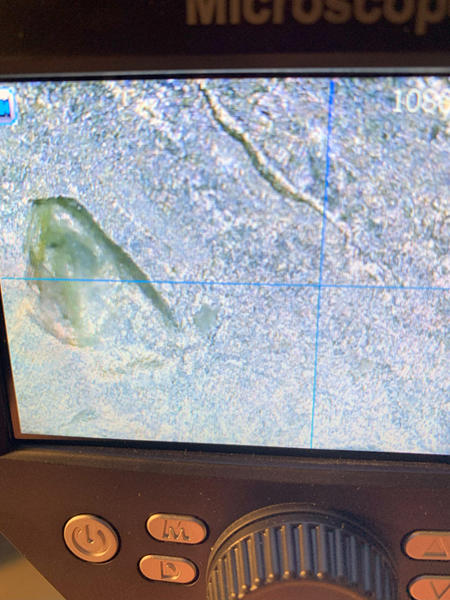
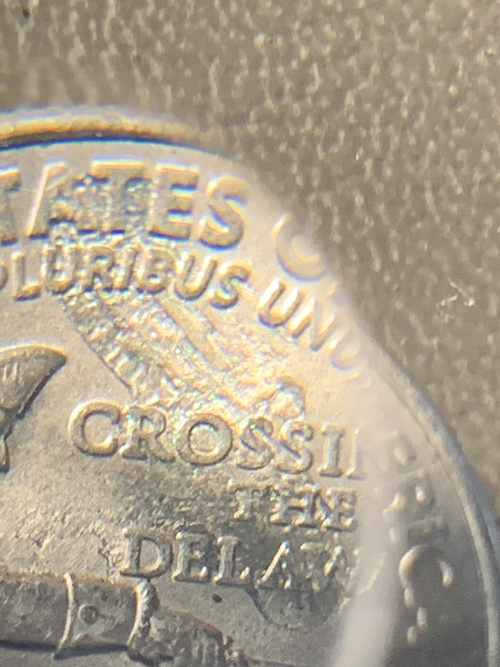
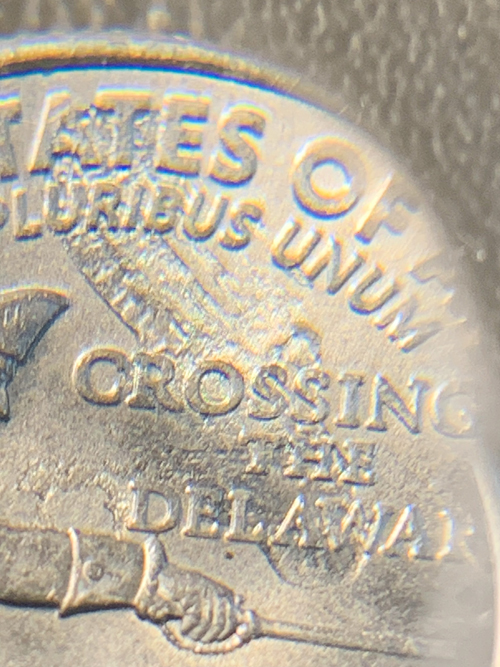
Definately incused. Here's another pic. Found a difficult way to get a pic with a magnifying glass.. 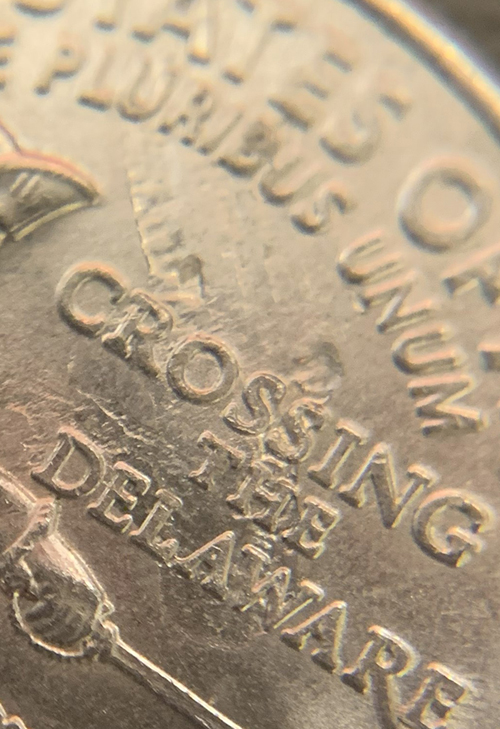 |
|
Pillar of the Community
United States
6909 Posts |
Quote:
So the grease is not flattening the the devices, but instead just fills them up and won't let the metal move into the voids that were on the die. That's what I meant. The grease in the die results in flattened or disappearing devices on the coin. |
|
Pillar of the Community
United States
6909 Posts |
Anyway, that new picture definitely shows structure to the anomaly. It's not a blob. Some of those indented areas look like letters or other shapes.
|
|
Moderator
 United States
108458 Posts |
Ah, ok, I guess it was the way it was stated...
EML: Thanks for the latest image, that helps.
If this coin was an older copper cent, I would say it was a lamination. However, that is not possible on a clad quarter, Maybe a planchet flaw.
|
|
Pillar of the Community
United States
6909 Posts |
Given that you've got a microscope, maybe check out the thing between the O in crossing and the U in Pluribus. Try both orientations. It almost looks like a readable word. There is also some kind of mangled thing under and around the H in The.
Could also be a cloud horsie. =)
|
|
Pillar of the Community
 United States
2401 Posts |
Die clash? Can't find an over lay though...?
smat
|
|
Valued Member
United States
198 Posts |
|
|
Pillar of the Community
United States
592 Posts |
Since the devices appear to have struck up fully, even in the presence of the incuse defect, stuck through grease does not seem likely.
Is it possible the defect was introduced during the cladding process? In order to bond the layers of metal they use rollers that apply substantial pressure, which, while not as great as when struck by the dies, still must be great enough to cause the layers to bond.
Might a foreign substance on the clad layer as it's being rolled produce something like this?
|
|
Pillar of the Community
United States
6909 Posts |
It has some features reminiscent of a late stage die cap, or a struck through encrustation coin. It doesn't seem to be a die clash, brockage, or anything of that nature—unless someone with much better analysis tools can trace the original outlines.
That thing under the H is puzzling, though. As are the squiggly lines that almost look like the water surface below the boat.
|
|
Moderator
United States
56855 Posts |
We need Mike on this for a once and for all answer. John1  |
|
Valued Member
United States
450 Posts |
Did you guys notice there are some other odd things going on with this coin? Sorry if this was mentioned previously. 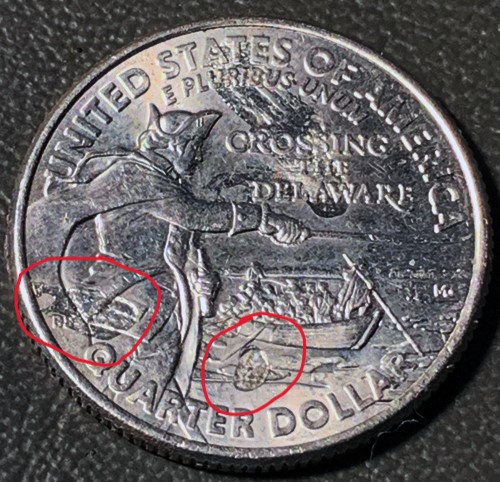 |
|
Valued Member
United States
198 Posts |
HGK3 might be on to something. I'm thinking that this crater stuff was present prior to the die being applied since most of the die is actually readable which rules out anything grease related since it is not smooth, but rough and under the surface of the coin.
On top of it it looks like part of a letter between letters S and H making it look like the coin slipped as the die was applied and added a part of a letter die where there should be space.
Marlies
|
|
Valued Member
United States
198 Posts |
Cointree
Yeah those were mentioned earlier, but the comet area is the main focus.
Edited by EML Coin Collector
06/25/2023 2:16 pm
|
|
Valued Member
United States
198 Posts |
Would love to hear Mike's input on this!
Marlies
|
|
Valued Member
United States
198 Posts |
Will be keeping this. Can't wait until I get some definite ID on what this is exactly.
Marlies
|
|
Page 3 of 3
|
Replies: 39 / Views: 1,811 |
Page 3 of 3
|





 First Page
 Previous Page

 Posted 06/24/2023 11:06 pm