| Author |
 Replies: 39 / Views: 5,545 Replies: 39 / Views: 5,545 |
|
New Member
United States
6 Posts |
Hello all, I am new to this post so please, bare with me. I went to my grandparents house In mass about just just over a year ago and I got a Garrett Ace 250 for Christmas. My grandparents have A lot of property so I went and used it and found a few coins to add to my old collection. I recently looked up the price value on and got really excited to see how much the 1652 pine tree shillings where going for.Needless to say, I will be getting rid of it in the new future, Lol. I am seeking help from this forum to get as much info as I can on this Coin. I would like to know how rare of a coin I possess. I posted 3 pictures along with this post, The last picture shows me comparing the thickness of the coin to a cd. It has been tested 100% silver. 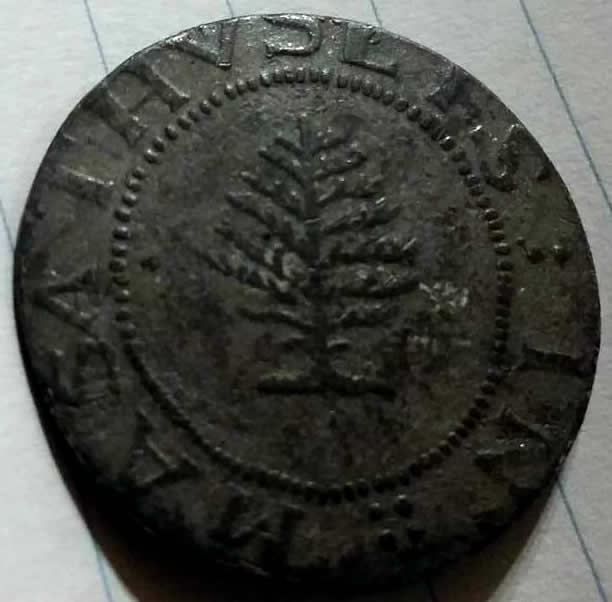 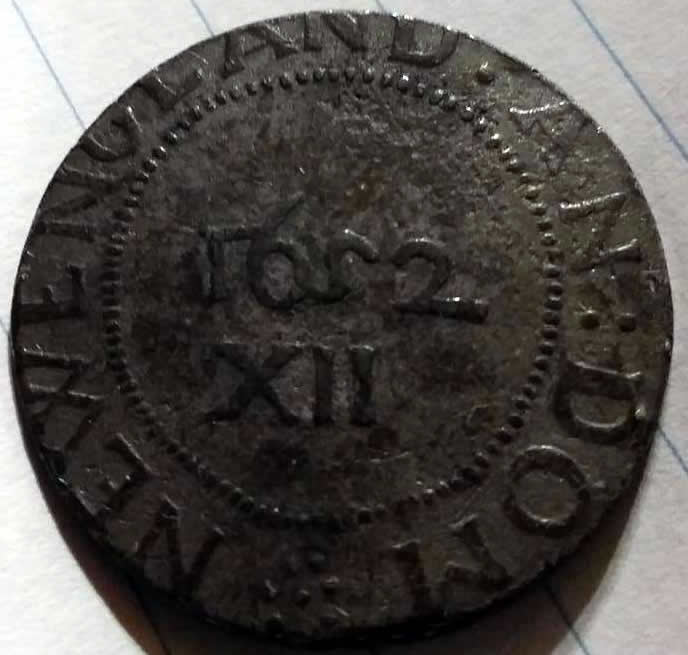 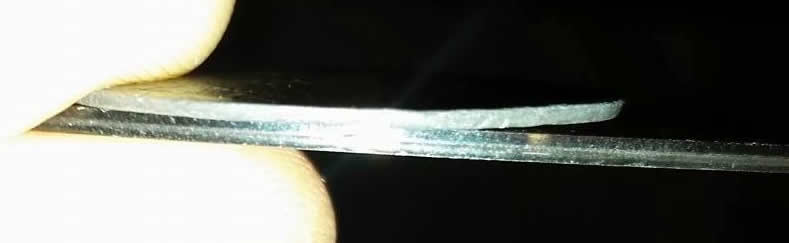 *** Edited by Staff to crop images. Please crop images before uploading. If you do not have software to do this you can use the free image optimizer. *** *** Edited by Staff to crop images. Please crop images before uploading. If you do not have software to do this you can use the free image optimizer. *** |
|
|
|
Pillar of the Community
United States
4433 Posts |
Welcome to the CCF ....  What a phenomenal find you've made ... America's first, Godly coin, AN DOM 1652. IMHO, you'll want to get this coin certified and the variety noted. I'd anticipate an XF grade. Optimized images: 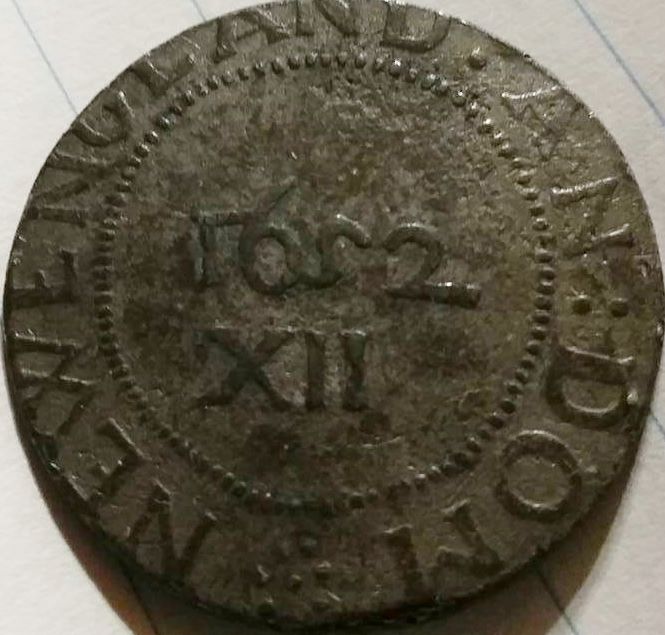  Edited by ExoGuy
10/22/2016 02:37 am
|
|
New Member
 United States
6 Posts |
So I should send it to get certified before I sell it? Also, is this a rare piece or are there many of them? Thank you so much for the help!
|
|
Valued Member
United States
171 Posts |
It is an incredibly rare coin if genuine... but they were heavily copied too. I don't know all of the "tells" for a coin like that. Fake ones are a thicker planchet, good ones are thinner planchets...
Yes, it must be graded to sell, otherwise you'll lose a lot of money. If it is genuine, this is one of those holy grail finds, trust me....
|
|
Pillar of the Community
United States
4433 Posts |
IMHO, certification of a coin like this will help sell it. There were copies made of many early colonial coins; this, even back in the 1800's. By getting rare coins certified, the risk of being fooled is far less likely, and the field of prospective buyers is widened. I'd recommend finding a PCGS authorized dealer whom you would pay to submit the coin, or else find a reputable auction service, like Stacks or Heritage, to handle the certification and eventual sale. That's my take. Let's see what others say ....
|
|
Pillar of the Community
United States
1681 Posts |
If genuine, rarity depends on the variety. Many are relatively common as colonial coins go but even so are in great demand and command a good price.
|
|
Pillar of the Community
United States
7379 Posts |
Grading is a must. Not only will grading help it sell, it will holder it, so criminal buyers can't just swap it with a fake, and return it.
Edited by edweather
10/22/2016 09:24 am
|
|
Pillar of the Community
United States
1499 Posts |
I have a recollection that variety with the line running from the top of the "1" in the date to the "6" is a copy, but I can't pull up a reference to confirm that. PCGS weighs these pieces, and if they don't come up to a certain weight, they won't give them a straight grade because of clipping concerns. In the old days crooked people would snip off little pieces of these coins before they passed them. If you handled a lot of coins, you could accumulate enough silver to amount to something. Barring confirmation of my feeling that this might be a copy, you do need to have it authenticated. It won't get a straight grade even if it is genuine because of environmental damage. Here is a genuine piece that is the Noe 1 variety. These pieces were struck with hand made dies, and every variety is different. 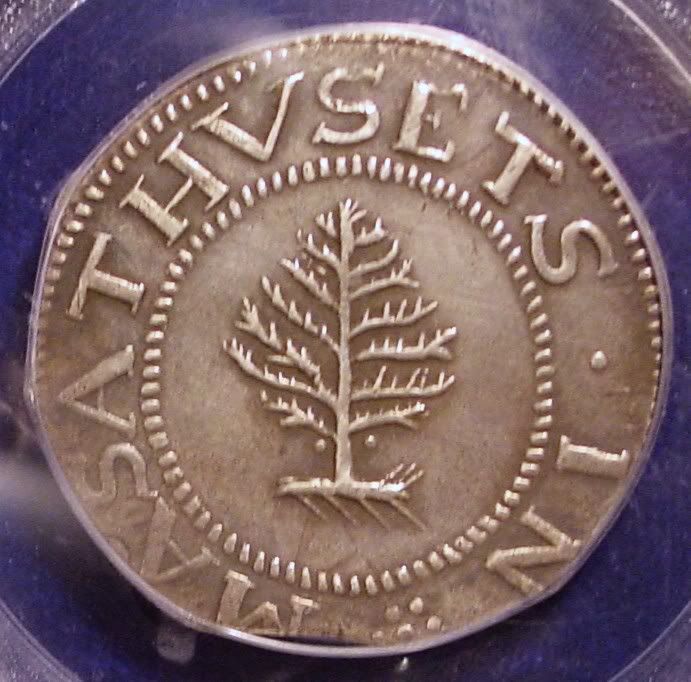 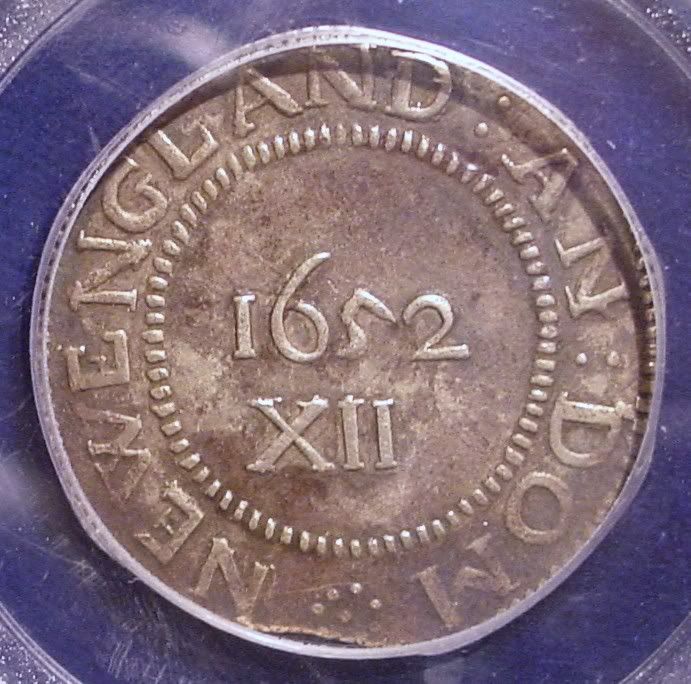 |
|
Valued Member
204 Posts |
Pretty darn cool find if it all checks out.
|
|
New Member
United States
6 Posts |
Thank you all for the replies. I have read that the raised bit of metal joining the "1" and the "6" in the date is caused by a die break. what is y'all's opinion on this being the real deal? Thanks.
|
|
Pillar of the Community
United States
1681 Posts |
I have serious doubts about the authenticity. I hope I am wrong, maybe the photos make it look different than it does in hand. What is the weight of the coin? The weight is very important in authenticating it.
|
|
Valued Member
United States
309 Posts |
It resembles Noe-1 by variety but is a little offf with regard to roots and legends and does not appear to be silver. You mention detecting in Massachusetts but did not say you dug this. I am sure this is a copy not needing slabbing, but that is up to you. Good luck.
|
|
New Member
United States
6 Posts |
I dug it up over a year ago at my grandparents. It was a little over half a foot in the ground. I really appreciate everyone's input, Thanks!
|
|
Pillar of the Community
Germany
1856 Posts |
Nice find if a real coin!
It has elements of Noe-1 Large planchet, but is lacking certain key elements on the tree, namely roots, 2 pellets side of the tree trunk, which should be visible even at low grade levels. Not sure about this one. Needs certification.
|
|
Pillar of the Community
United States
1681 Posts |
My guess would be that it was made to mimic Noe 1, right down to the "die crack" on the reverse. The mid die state Noe 1 has a similarly sized crack however the shape is off.
Edited by lcutler
10/23/2016 07:37 am
|
|
Pillar of the Community
United States
790 Posts |
If fake, I wonder how it came to be buried.
|
| |
Replies: 39 / Views: 5,545 |




 Posted 10/22/2016 02:49 am





