| Author |
 Replies: 11 / Views: 1,104 Replies: 11 / Views: 1,104 |
|
|
Bedrock of the Community
United States
11991 Posts |
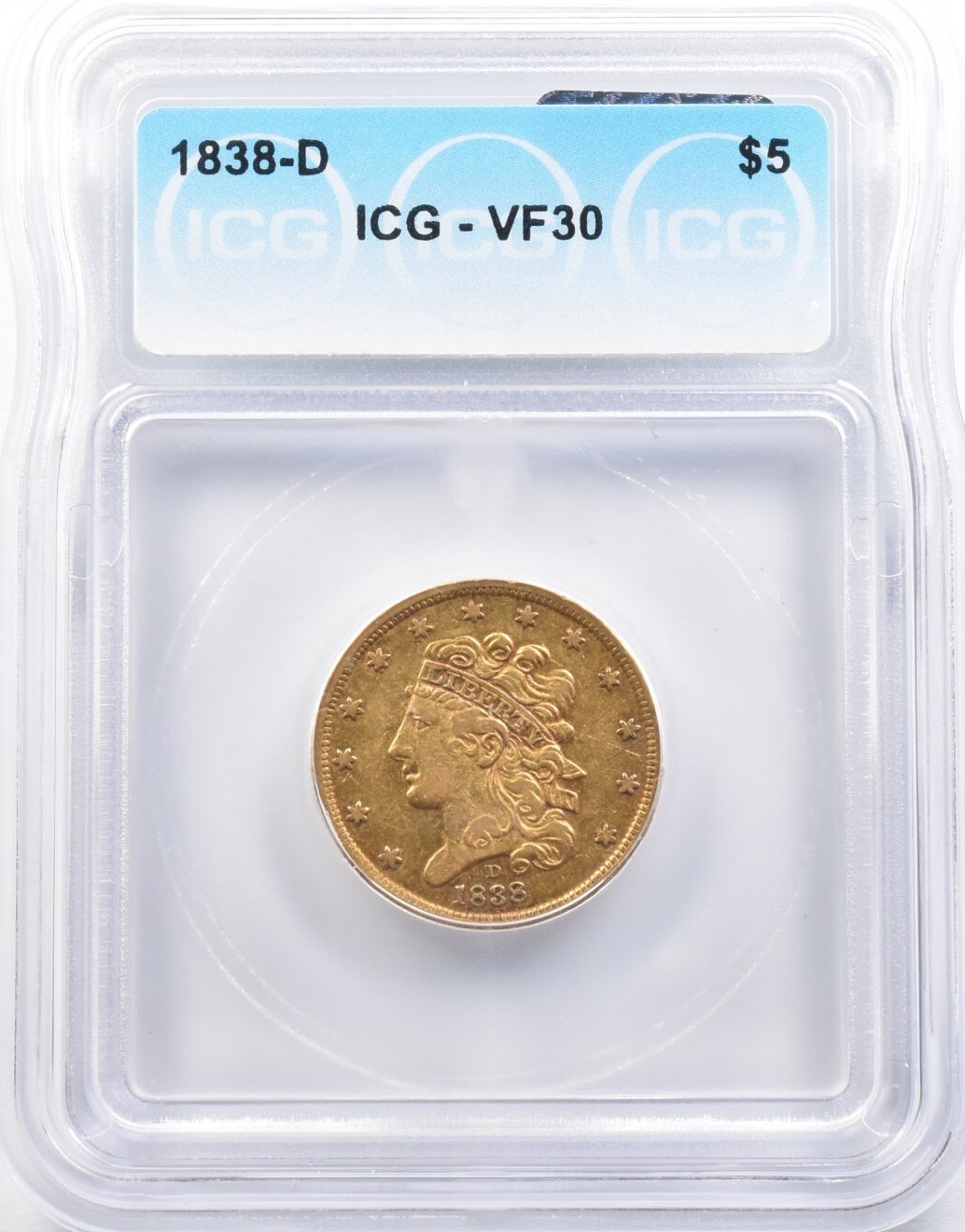
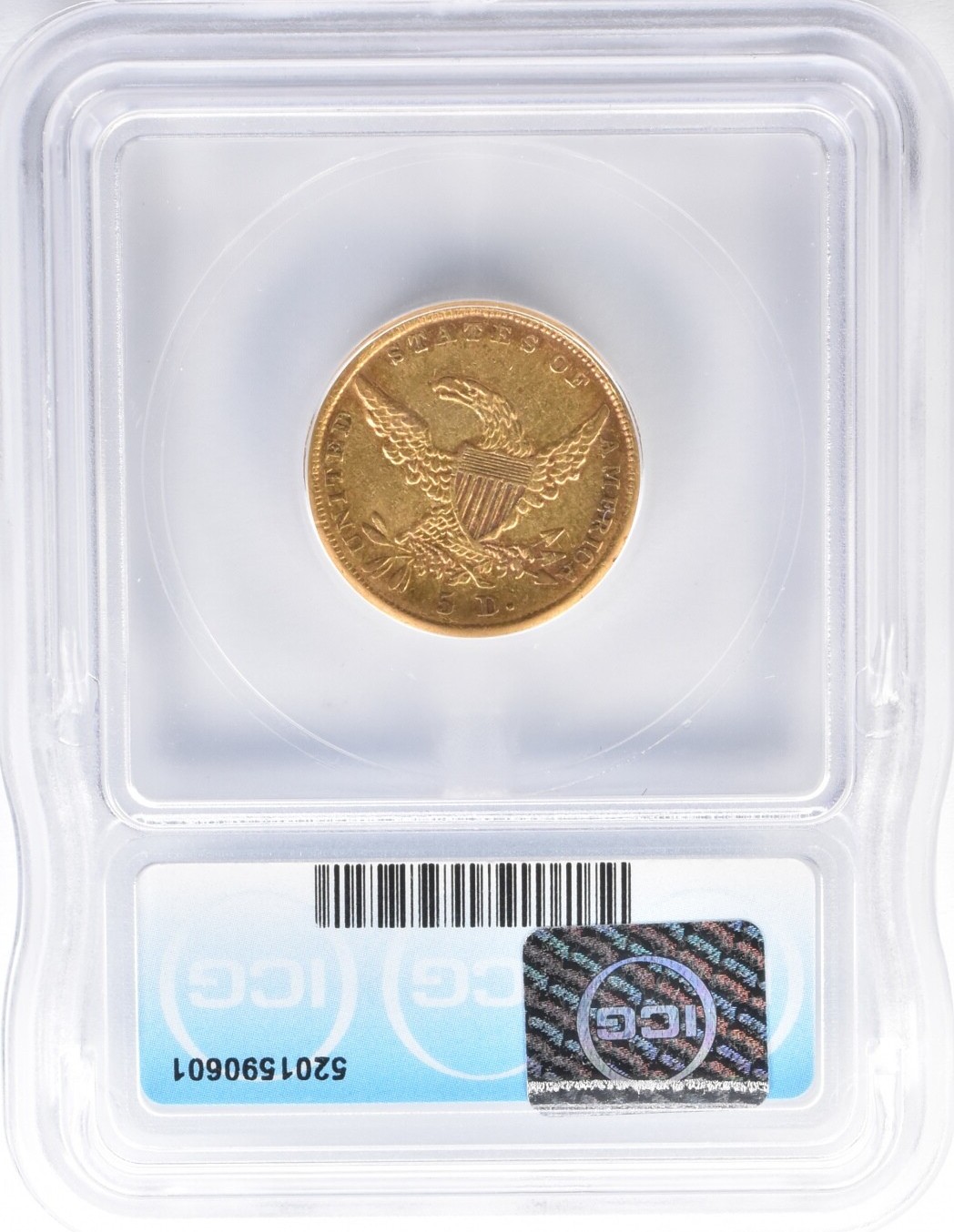
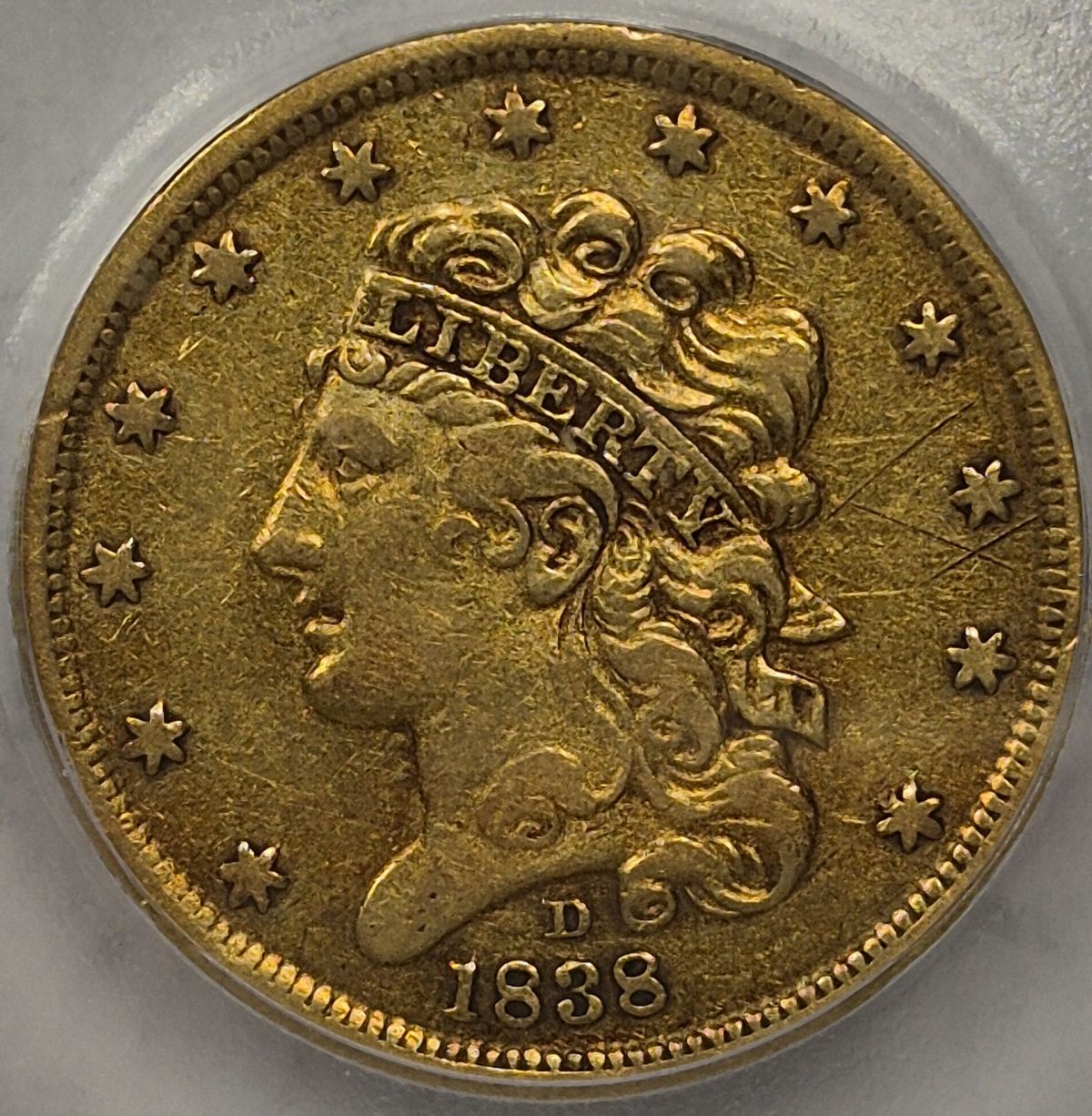
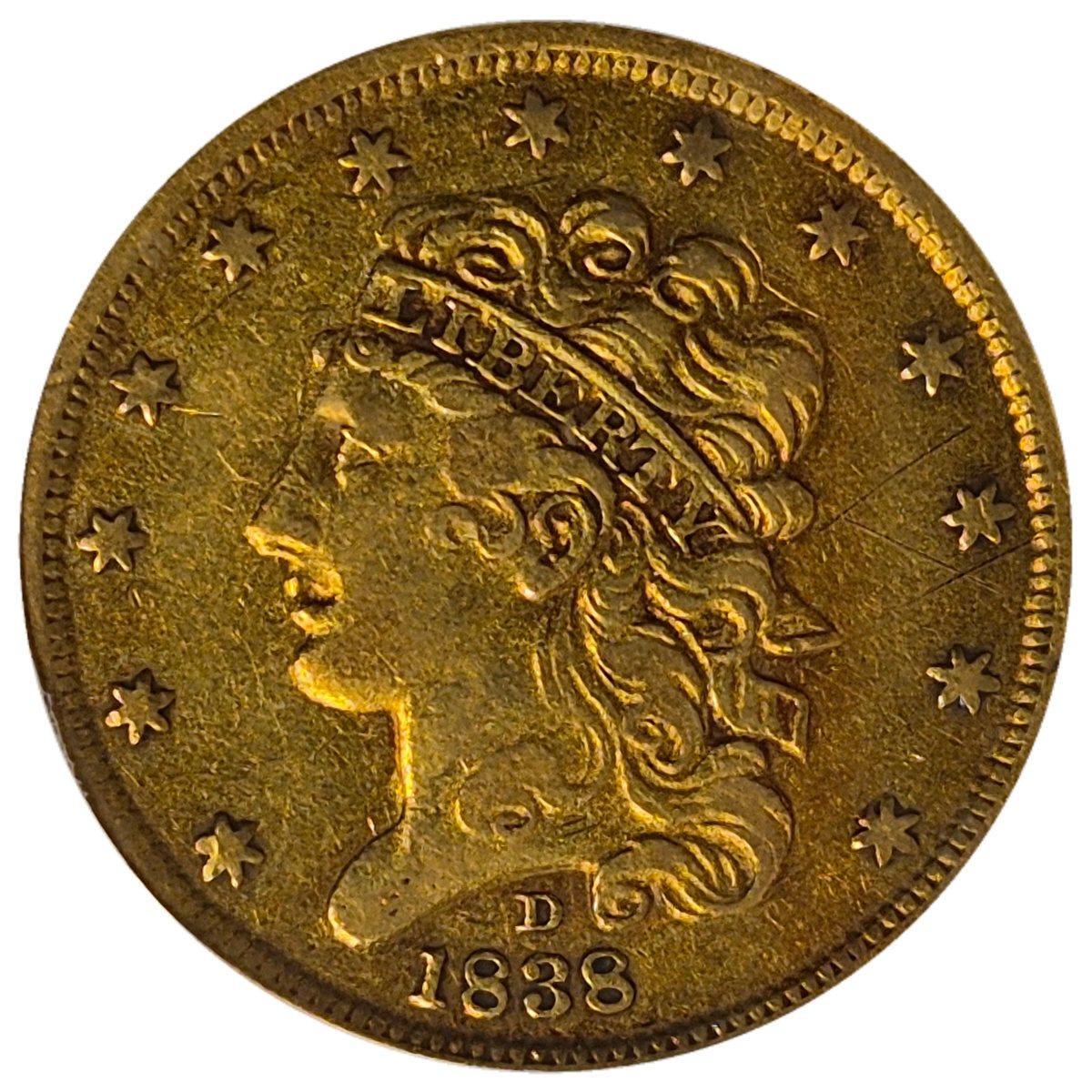
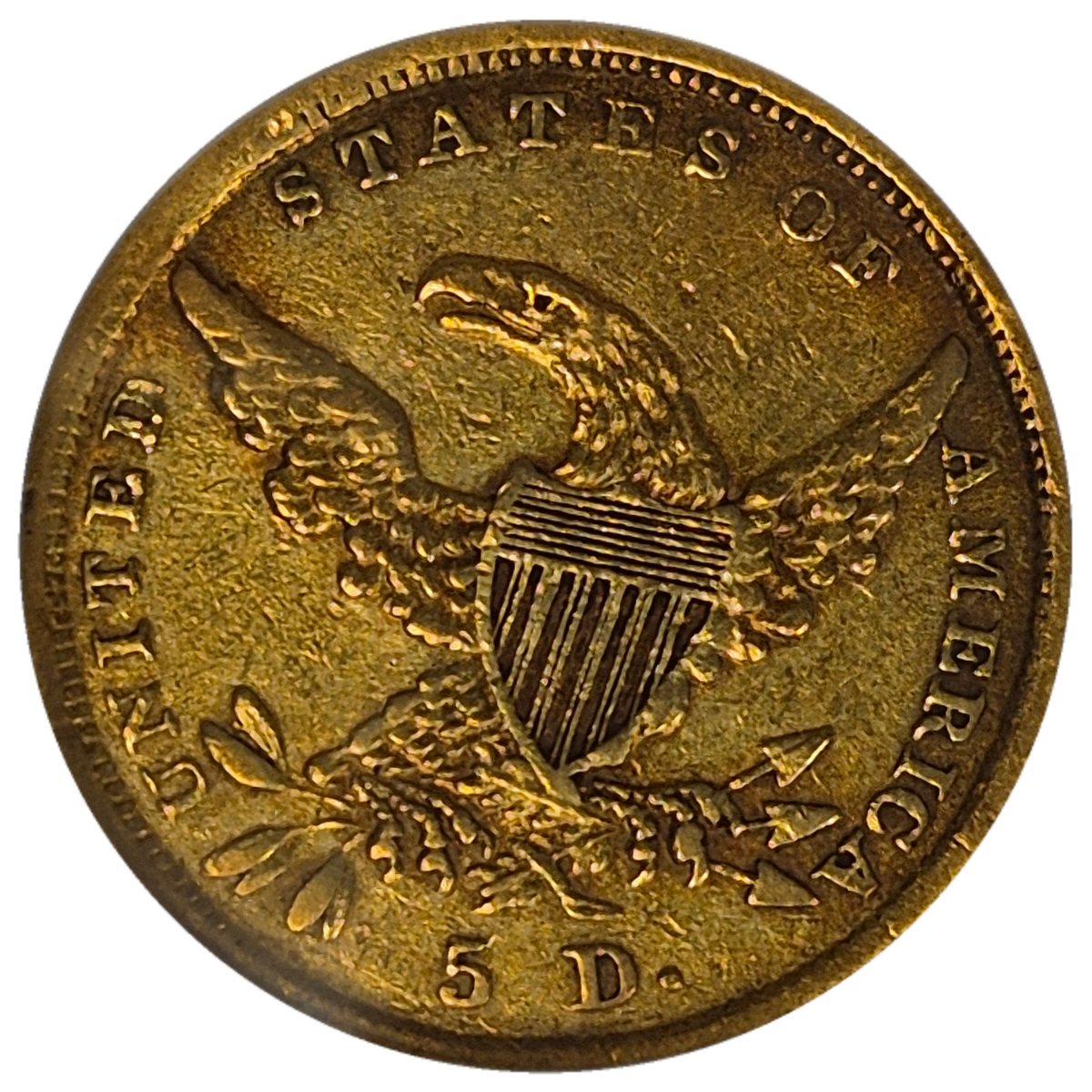
The first U.S. gold rush started on 1799 when a 12-year old boy named Conrad Reed found a 17lb (7.7kg) gold nugget while playing in Meadow Creek on his family's farm in Carrabus County, North Carolina. The nugget was used as a doorstop in the family home until 1802 when Conrad's father showed the rock to a jeweler and sold it for $3.50 (about $76.91 in 2024 and 1 week's pay for a farm laborer at the time). The large nugget's value was around $3,600 in 1802. In 1803, John Reed, Conrad's father, with a few associates in a gold searching venture found a nugget weighing 28lbs (13kg). And thus the first gold rush in our young Nation began in the Carolinas. Back in 1540, the Cherokee in Northern Georgia had told Spanish conquistador Hernando de Soto how small quantities of gold were mined, melted and refined by their tribe. In 1828, it has been told that several people had found gold nuggets along several creeks. One of these places was Ward's Creek in Dahlonega, Georgia. By 1829, the second major gold rush in our Nation was taking place. By 1830, the Philadelphia Mint received $212,000 in gold for coining from Georgia. The Georgia gold rush attracted 6,000-10,000 miners who quickly began encroaching on land that belonged to the Cherokee by U.S. Treaty, and their sovereignty was ignored in the search for gold. Tensions between the Cherokee and neighboring states, including Georgia, led to the forced removal and relocation of Native Americans better known as the Trail of Tears. President Jackson authorized the Indian Removal Act in 1830 which among other things allowed the takeover of mining areas and the removal of 60,000 people from the "Five Civilized Tribes." 2,500-6,000 died in the Trail of Tears and Southern slaves were made to work the gold mines. In 1835, the Coinage Act of 1835 was signed into law by President Andrew Jackson. The law called for the establishment of new branch mints in Charlotte, NC, Dahlonega, GA, and New Orleans, LA. Jackson lobbied hard for the establishment of the NOLA Mint. 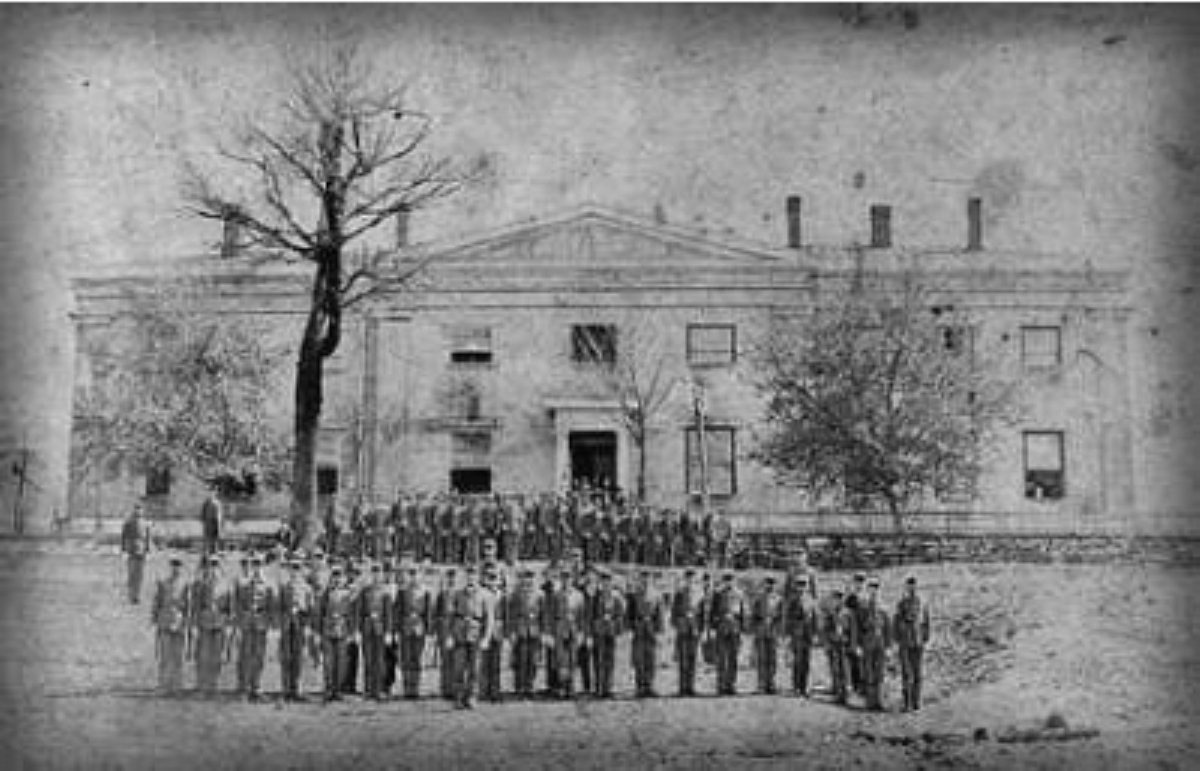 The Dahlonega Mint (pictured above in 1877) opened in 1838 as did the Charlotte and New Orleans Mints. In 1838, the Dahlonega Mint reported a mintage of 20,583 half eagles, the only denomination minted that year. The quarter eagle was first minted in 1839, the gold dollar began production in 1849 and the gold $3 was minted only in 1854. No eagles, double eagles, copper nor silver coins were produced at the Dahlonega Mint. Both the Dahlonega Mint and the Charlotte Mint operated from 1838 to 1861 failing to survive through the Civil War. In those 24 years, the Dahlonega Mint coined $6.1 million in gold and the Charlotte Mint managed to coin only $5 million in gold, a tiny fraction of the production that came out of the San Francisco and New Orleans Mints. In just the partial, initial year of production at the San Francisco Mint in 1954, the facility minted $4 million of gold into coins. By the time of the earthquake in 1906, the SF Mint held $300 million in gold (7.63 billion in 2023) or a third of all U.S. gold reserves. The New Orleans Mint coined $307 million in gold and silver coins between 1838 and 1909. Was able to acquire the 1838-D half eagle pictured below. A little beaten up but beautiful in my eyes. It was the first and only coin minted at the Dahlonega Mint in 1838. It is also a one year type as the Classic Head half eagle was only minted in 1838. From 1839 to 1908, the half eagle design changed to the Liberty Head design. The first quarter eagles were minted at Dahlonega in 1839, and were also in the classic head design, just for the first year of that denomination. The quarter eagle changed to the Liberty Head design in 1840. This small piece of history reminds me that the gold in this coin played a role in some tragic parts of our Nation's past. Gouverneur Morris wrote in the Preamble to our Constitution: "We the People of the United States, in order to form a more perfect Union.." I am thinking tonight that is up to me and all of us to improve the World and the Country that we live in so that it is better for those who come after us by our efforts. As always, thank you for indulging my long-windedness and kindly share your thoughts on grade and/or other attributes of this coin.  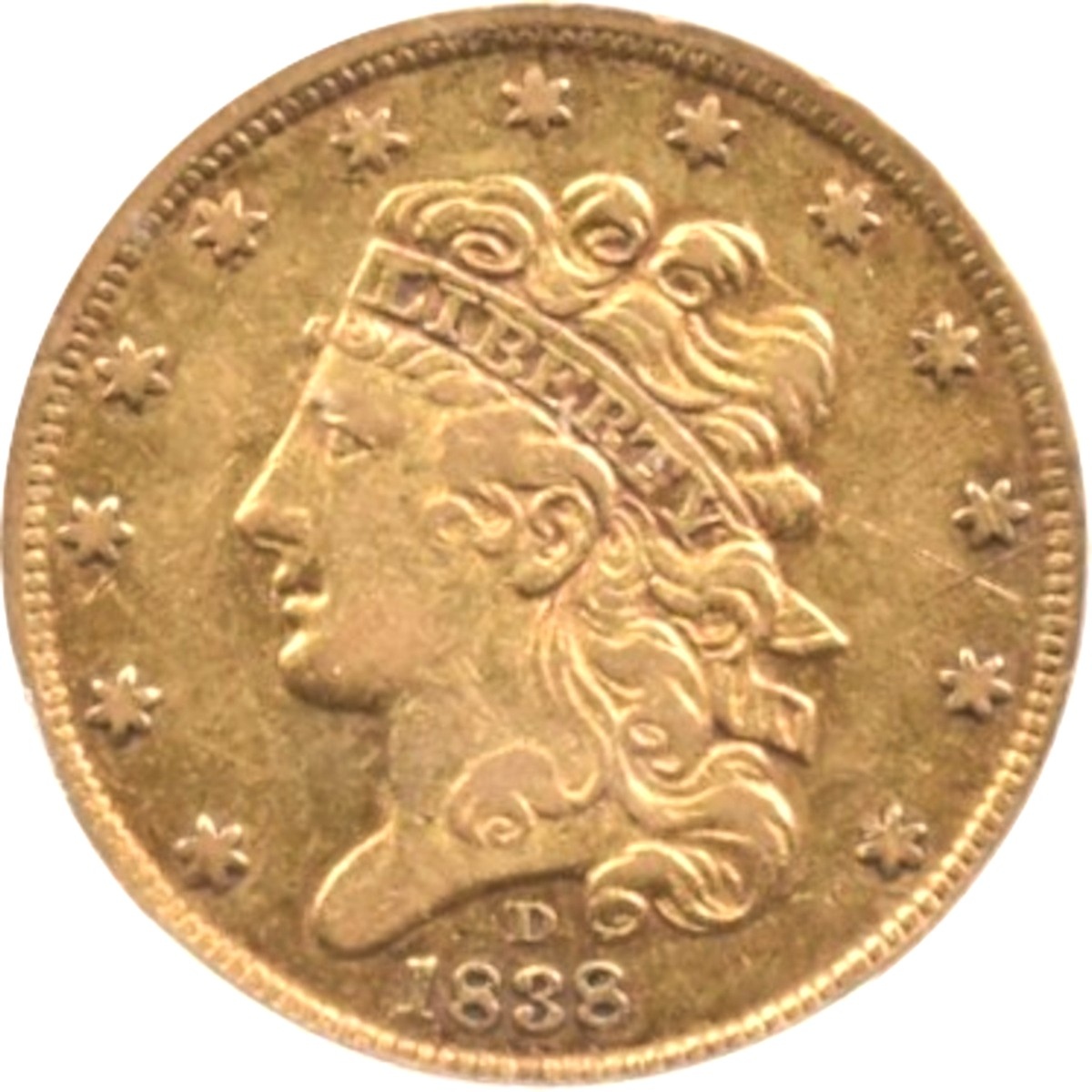 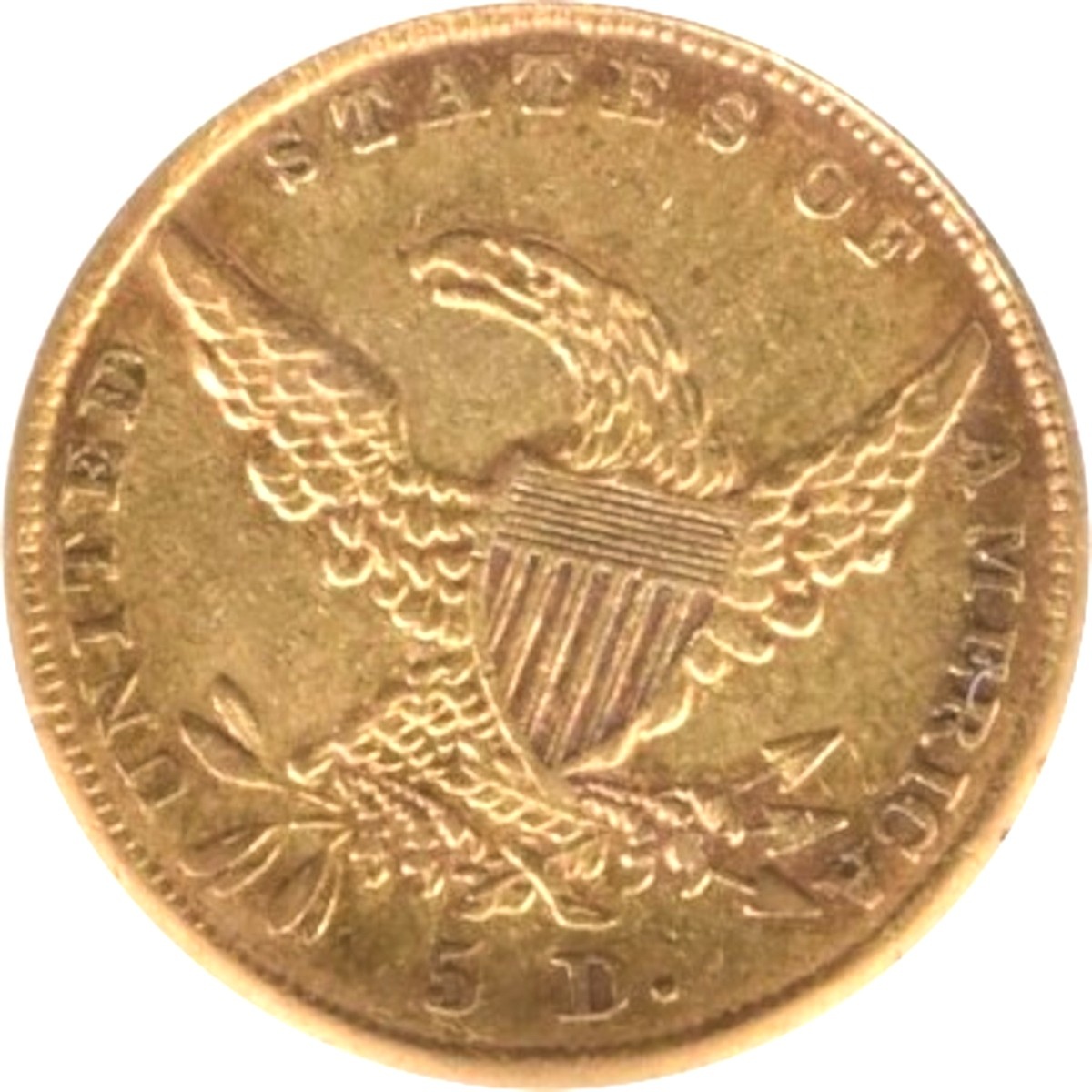 IN NECESSARIIS UNITAS - IN DUBIIS LIBERTAS - IN OMNIBUS CARITAS THE MAN IN THE ARENA, Theodore Roosevelt at the Sorbonne Paris on April 23, 1910: " It is not the critic who counts; not the man who points out how the strong man stumbles or where the doer of deeds could have done better. The credit belongs to the man who is actually in the arena, whose face is marred by dust and sweat and blood, who strives valiantly, who errs and comes up short again and again, because there is no effort without error or shortcoming, but who knows the great enthusiasms, the great devotions, who spends himself in a worthy cause; who, at the best, knows, in the end, the triumph of high achievement, and who, at the worst, if he fails, at least he fails while daring greatly, so that his place shall never be with those cold and timid souls who knew neither victory nor defeat." My coin website: https://fairfaxcoins.comEdited by numismatic student
10/16/2025 05:06 am
|
|
|
|
Moderator
 United States
15982 Posts |
Well done NS. That is an outstanding coin with tremendous history.  Thank you for sharing the backstory behind the Georgia gold rush and forming of the Dahlonega and New Orleans branch mints. |
|
Pillar of the Community
United States
867 Posts |
Very nice write up.
I learned something new today.
Any coin from the Dahlonega mint is a nice coin.
|
|
Valued Member
United States
450 Posts |
Great history lesson, much appreciated.
TY Student.
|
|
Moderator
United States
197031 Posts |
Fascinating, thank you for sharing. |
|
Pillar of the Community
United States
2854 Posts |
What a beauty!  It's very difficult to find attractive pieces from Dahlonega. Certainly a treasure for your collection! Thanks for sharing the history of your piece! |
|
Bedrock of the Community
United States
37220 Posts |
I'll take a stab at grade, reverse looks AU but obverse has a good amount of wear, EF-45.
A great piece history you have, congrats!
|
|
Pillar of the Community
United States
6453 Posts |
Great coin with a great history. Looks XF-45-ish, attractive overall. I'd love to pick up one of these but they are pretty expensive.
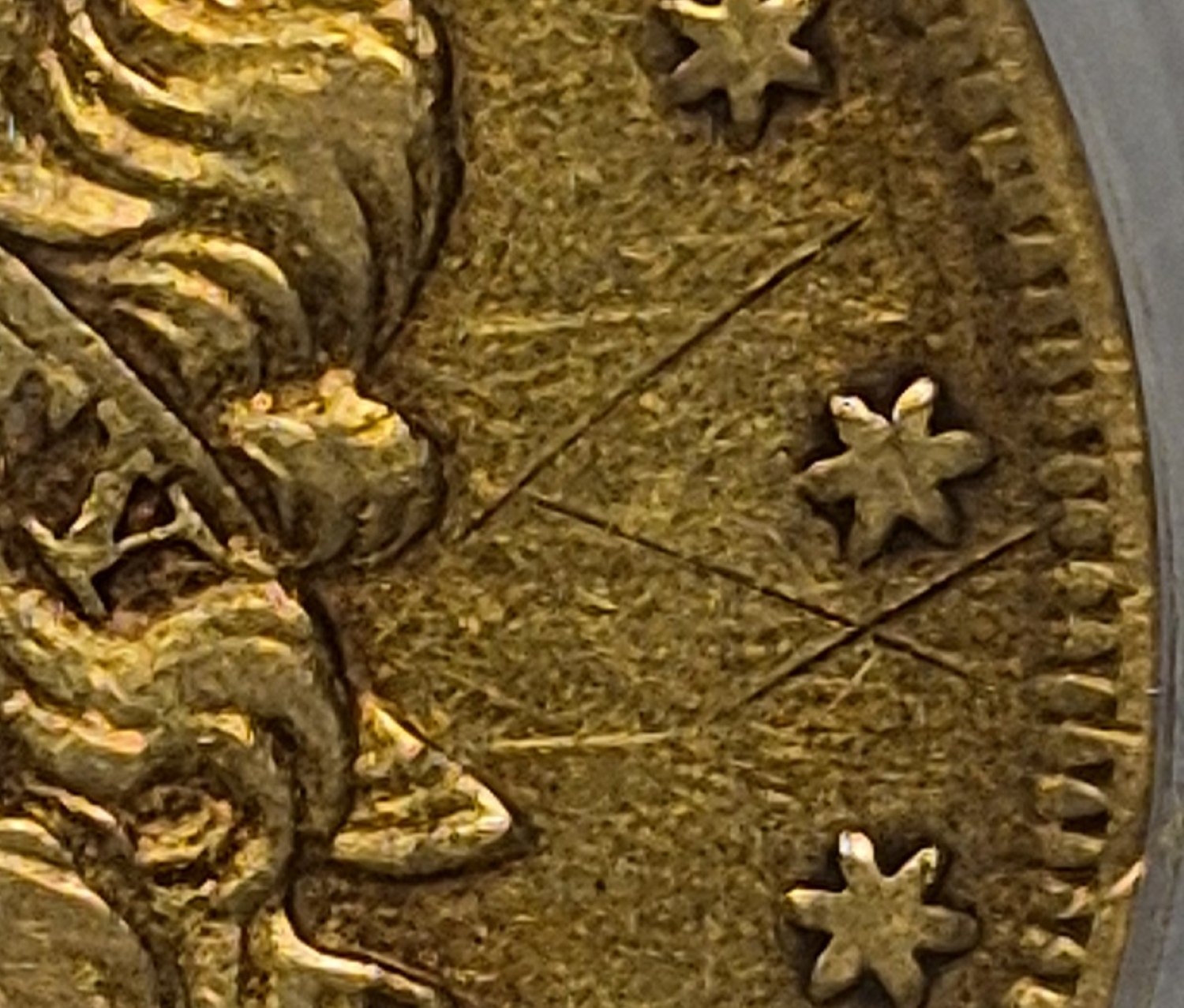
Are those lines between stars 11 & 12 scratches on the coin, or possibly the as-struck result of die scratches?
|
|
Pillar of the Community
United States
3185 Posts |
nice background story and coin!
|
|
Bedrock of the Community
 United States
11991 Posts |
IN NECESSARIIS UNITAS - IN DUBIIS LIBERTAS - IN OMNIBUS CARITAS THE MAN IN THE ARENA, Theodore Roosevelt at the Sorbonne Paris on April 23, 1910: " It is not the critic who counts; not the man who points out how the strong man stumbles or where the doer of deeds could have done better. The credit belongs to the man who is actually in the arena, whose face is marred by dust and sweat and blood, who strives valiantly, who errs and comes up short again and again, because there is no effort without error or shortcoming, but who knows the great enthusiasms, the great devotions, who spends himself in a worthy cause; who, at the best, knows, in the end, the triumph of high achievement, and who, at the worst, if he fails, at least he fails while daring greatly, so that his place shall never be with those cold and timid souls who knew neither victory nor defeat." My coin website: https://fairfaxcoins.com |
|
Bedrock of the Community
United States
11991 Posts |
Seller took until the deadline for a decision but opted to accept my return. Coin is now making its trek back to the seller.
IN NECESSARIIS UNITAS - IN DUBIIS LIBERTAS - IN OMNIBUS CARITAS THE MAN IN THE ARENA, Theodore Roosevelt at the Sorbonne Paris on April 23, 1910: " It is not the critic who counts; not the man who points out how the strong man stumbles or where the doer of deeds could have done better. The credit belongs to the man who is actually in the arena, whose face is marred by dust and sweat and blood, who strives valiantly, who errs and comes up short again and again, because there is no effort without error or shortcoming, but who knows the great enthusiasms, the great devotions, who spends himself in a worthy cause; who, at the best, knows, in the end, the triumph of high achievement, and who, at the worst, if he fails, at least he fails while daring greatly, so that his place shall never be with those cold and timid souls who knew neither victory nor defeat." My coin website: https://fairfaxcoins.com |
|
Moderator
United States
197031 Posts |
Quote:
Seller took until the deadline for a decision but opted to accept my return. Coin is now making its trek back to the seller. |
| |
Replies: 11 / Views: 1,104 |
|
To participate in the forum you must log in or register.
 
- How Far Back Can We Go? Ninth Edition!
- Are You Looking For A Steal?
- Real Stinker Of An ICCS Grade. Anyone Else Ever Experienced This?
- Seamonkey's Eisenhower Dollar - Dansco 8176
- Publishing Toned Copper Coin Here
- 1988 Mexico - 50 Pesos, 10-15% Off-Center Strike
- 1990-D Dime Minor Greaser
- 1944-D Lincoln Cent Altered To Be A 1914-D Lincoln Cent - 100% Authentic
- 1795 Liberty Cap Large Cent, PCGS AU-58+, S-76 Struck Over 1794 S-71, Jeff Garrett Discovery
- 1974 San Marino 20 Lire, PCGS MS-67, San Marino, Lobster
- 2026 P Nickel: Low Potential DDR
- All Members, Post Your Most Recent US Coin Purchases!
- Continuing List To Show Everyones Latest Acquisitions
- Post Your Coins With Coats Of Arms, Shields, Crests, Crowns, Etc.
- Around The World With Coins - A Coin Geography Game
- G L B 49's Random Silver Coins
- Post Your Bird Coins
- Yet Another Forum Game - Numismatic Go Fish!
- Post Your Coins With Stars
- Post Your Coin Or Medal With Flora
Disclaimer: While a tremendous amount of effort goes into ensuring the accuracy of the information contained in this site, Coin Community assumes no liability for errors. Copyright 2005 - 2026 Coin Community Family- all rights reserved worldwide. Use of any images or content on this website without prior written permission of Coin Community or the original lender is strictly prohibited.
Contact Us | Advertise Here | Privacy Policy / Terms of Use
|
| Coin Community Forum |
© 2005 - 2026 Coin Community Forums |
| It took 0.39 seconds to rattle this change. |
 |
|




 Posted 10/16/2025 07:12 am