Posted 06/11/2009 5:58 pm


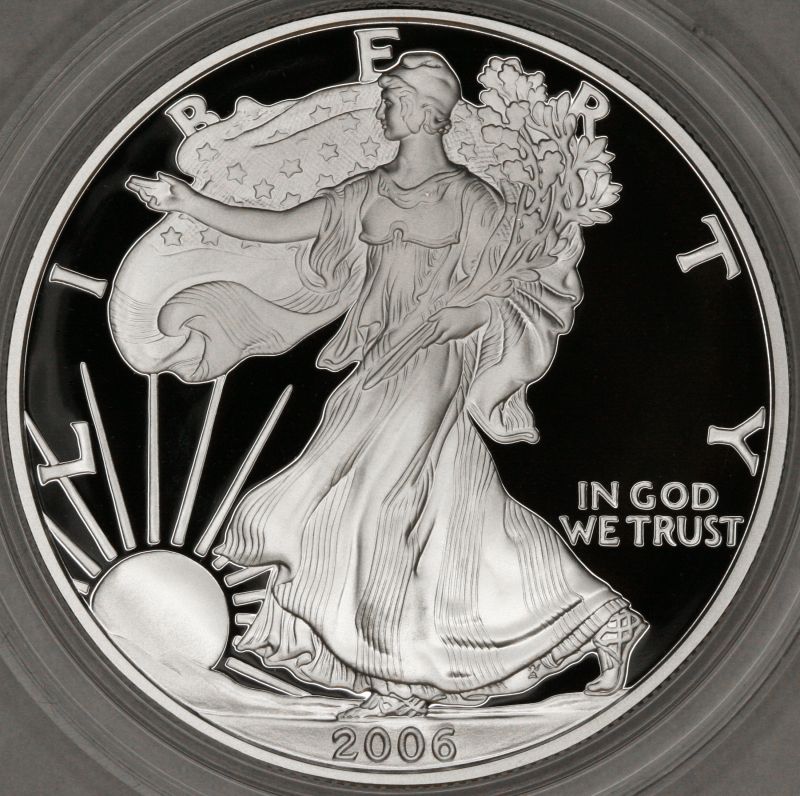
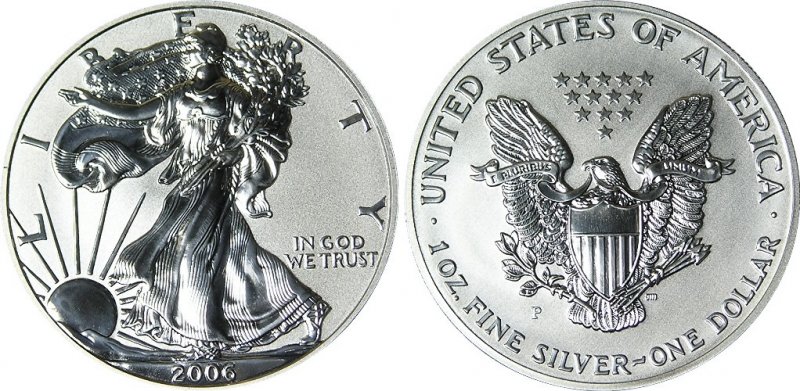
The problem is, the better your result with capturing the true reflectivity and luster of a Proof, the more likely the camera is to show up in the shot. Kinda self-defeating. 
Here's what I do with Proofs:
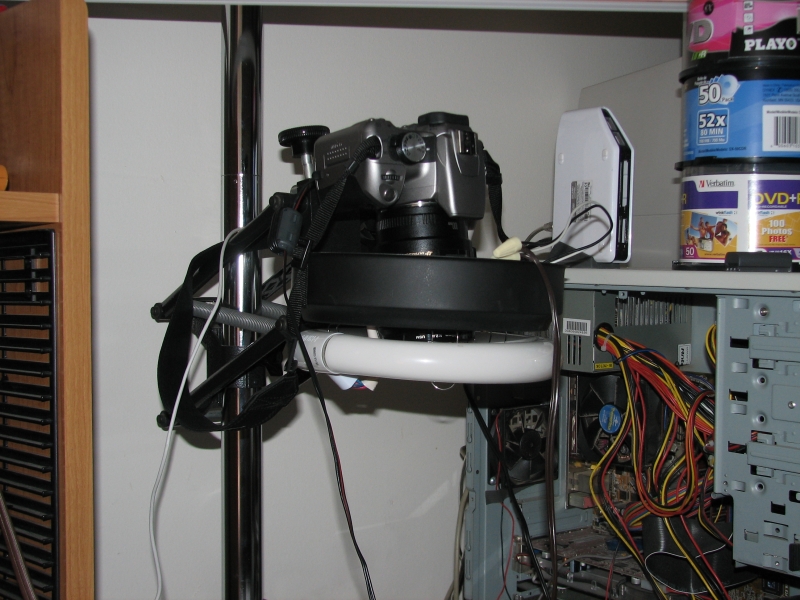
Circular fluorescent fixture modified so the camera can extend through the center. Note that the camera isn't absolutely perpendicular; that takes it out of the coin's reflection. The disadvantage is, the angle requires a much greater depth of field than normal coin photography, so I have to make compromises in the size of the resulting shot - it's less of a "macro" than my usual work. It also forces some cleanup work in postprocessing to return the coin to round.
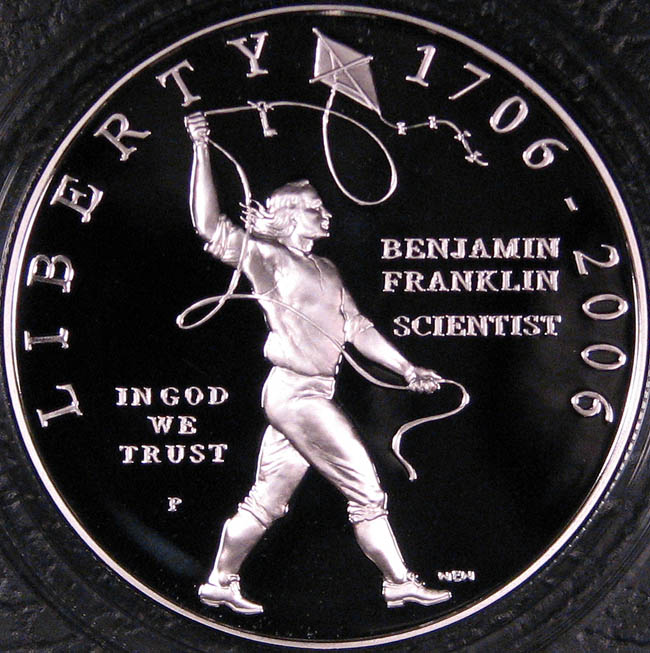
Here's an early result of this setup:
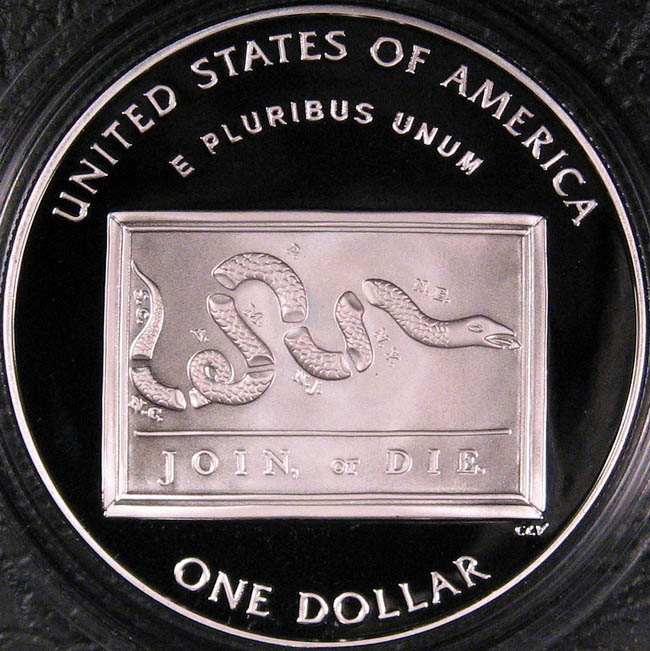
This is an area of photography I really have to revisit; there's just not enough time in the day to go everywhere I want to.
Here's what I do with Proofs:
Circular fluorescent fixture modified so the camera can extend through the center. Note that the camera isn't absolutely perpendicular; that takes it out of the coin's reflection. The disadvantage is, the angle requires a much greater depth of field than normal coin photography, so I have to make compromises in the size of the resulting shot - it's less of a "macro" than my usual work. It also forces some cleanup work in postprocessing to return the coin to round.
Here's an early result of this setup:
This is an area of photography I really have to revisit; there's just not enough time in the day to go everywhere I want to.