

 Posted 12/19/2025 12:36 pm


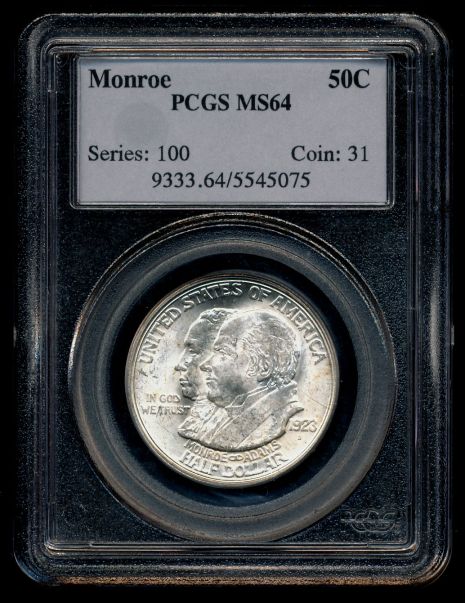
I've never been a fan of those two low relief coins. IMO the designs are not well served by using such a flat surface.
As did Chester Beach, the coins designer. Alas he 'borrowed' heavily from a previous artist work.
In a prior thread commems summs it up nicely as follows:
I appreciate the bonus tie in with the Philippines McArthur coins.
Quote:
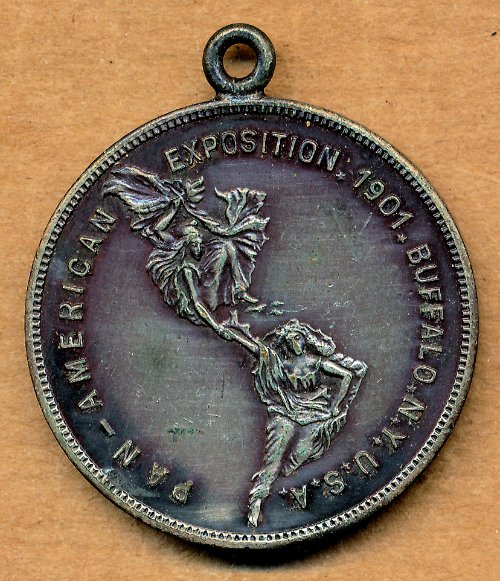
I do like how the artist used people to form the American Continents.
I do like how the artist used people to form the American Continents.
As did Chester Beach, the coins designer. Alas he 'borrowed' heavily from a previous artist work.
In a prior thread commems summs it up nicely as follows:
Quote:
There was a bit of contemporary controversy regarding the design of the coin. Chester Beach is credited with the coin's design, but, though there are differences in execution, it does appear that he may have "borrowed" the concept for the reverse from a prize-winning design by Ralph Beck which was used as the emblem for the 1901 Pan American Exposition held in Buffalo. Here's a link to nice image of Beck's design: http://panam1901.org/panamlogo.htm
There was a bit of contemporary controversy regarding the design of the coin. Chester Beach is credited with the coin's design, but, though there are differences in execution, it does appear that he may have "borrowed" the concept for the reverse from a prize-winning design by Ralph Beck which was used as the emblem for the 1901 Pan American Exposition held in Buffalo. Here's a link to nice image of Beck's design: http://panam1901.org/panamlogo.htm
I appreciate the bonus tie in with the Philippines McArthur coins.
Take a look at my other hobby ... http://www.jk-dk.art
Edited by nickelsearcher
12/19/2025 12:38 pm
12/19/2025 12:38 pm