As some of us know (

) the first saints pictured on coins of the Italian peninsula were Saint Michael (the archangel), as a Chirstian adaptation of Victory, first appearing on a solidus of the Lombard Kingdom around 690 AD:
https://en.numista.com/144646... and Saint Peter who shows up on papal coins beginning a century later:
https://en.numista.com/347264.What EVERYONE knows is that by the mid-13th century, using the local patron saint on your city's coin had become the norm across much of Italy (see this thread for example
https://goccf.com/t/485605) and that in many cases, the saint is a post-biblical personage of local origin, from Ambrose of Milan to Ubaldus of Gubbio and Zeno of Verona.
That tradition began in the Duchy of Naples in the early 9th century, with folles that featured a forward facing bust of San Gennaro (Saint Januarius), their patron saint (better example here:
https://en.numista.com/357048)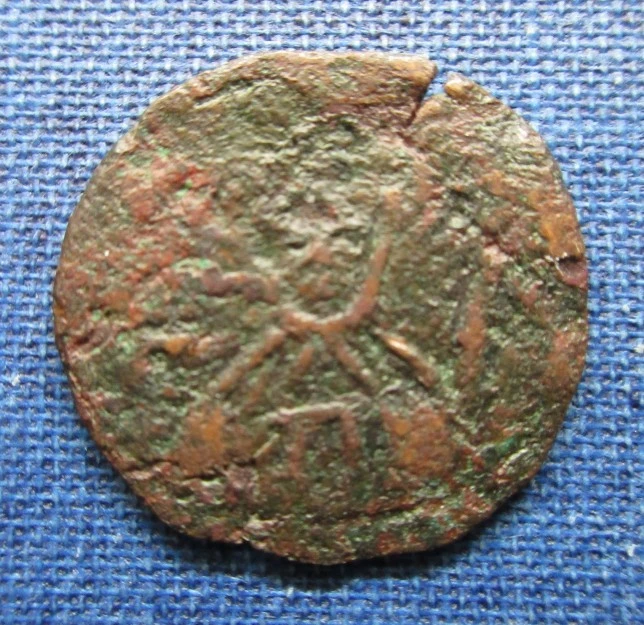
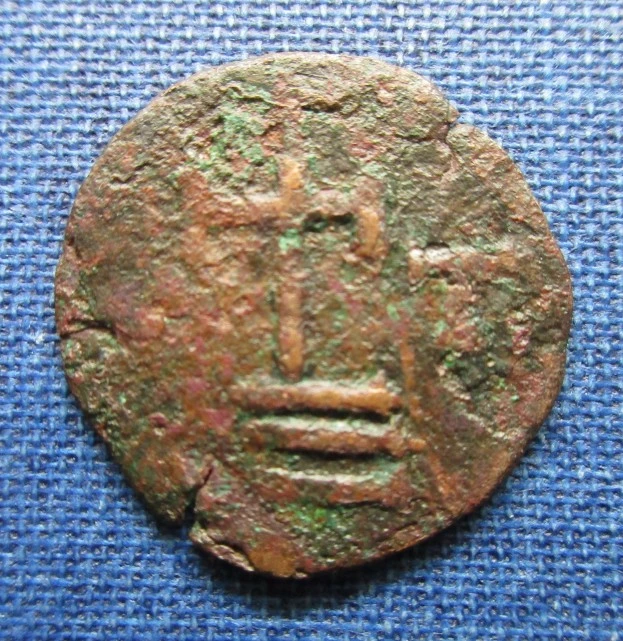
The design reflects the complex cultural and political situation south of Rome at that time. Though Naples was nominally under Byzantine rule, Byzantine grip in Italy was weakening through the 8th century, there were still Lombard strongholds south of Rome, and the Islamic caliphate was angling for a foothold (eventually resulting in the establishing of the emirate in Sicily in 831). It was still two centuries before the Norman arrival that would transform things in yet another direction.
So we see an imitation of the Papal/Roman design linked above for the obverse, clearly refuting Byzantine iconoclasm principals by just swapping out Saint Gennaro for Saint Peter, but then a standard Byzantine design on the reverse.
The practice would spread first south, to later folles with Saint Matthew, Saint Nicholas, Saint George, and eventually to the silver coinage of the north a few decades into the next millenium.







 Posted 03/18/2026 6:53 pm


