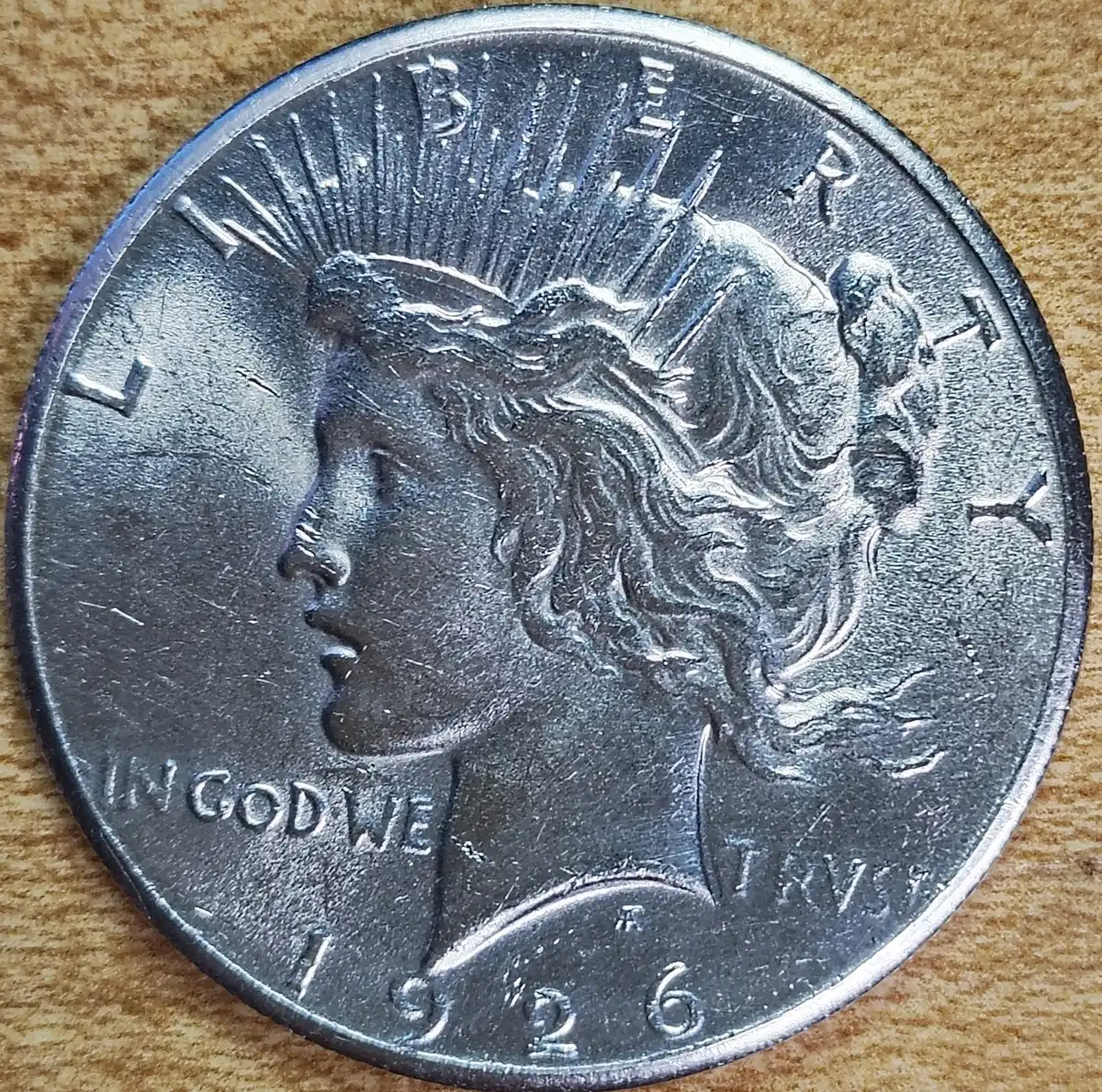
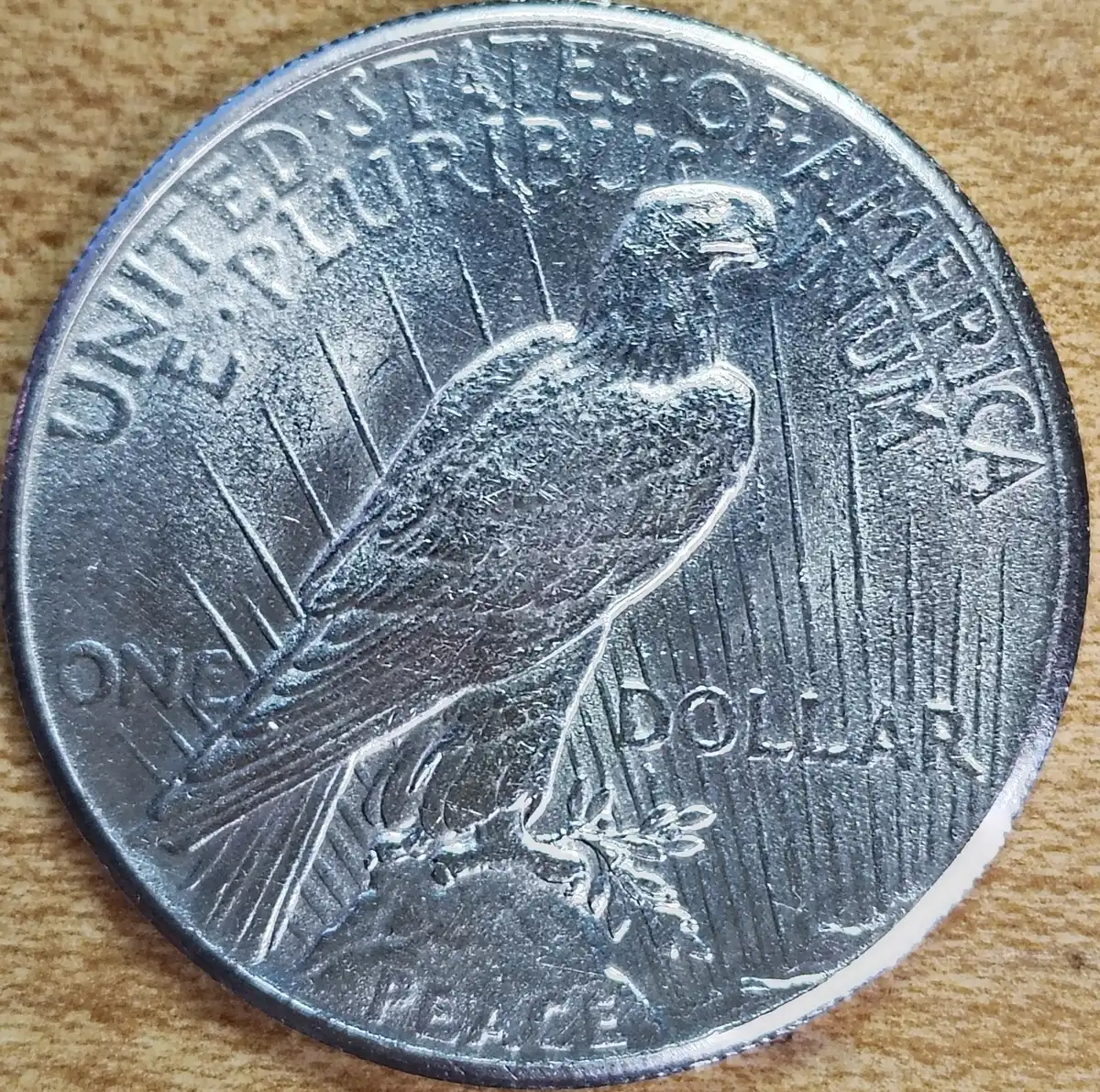
Whizzing: Mechanical Alteration to Fake Luster
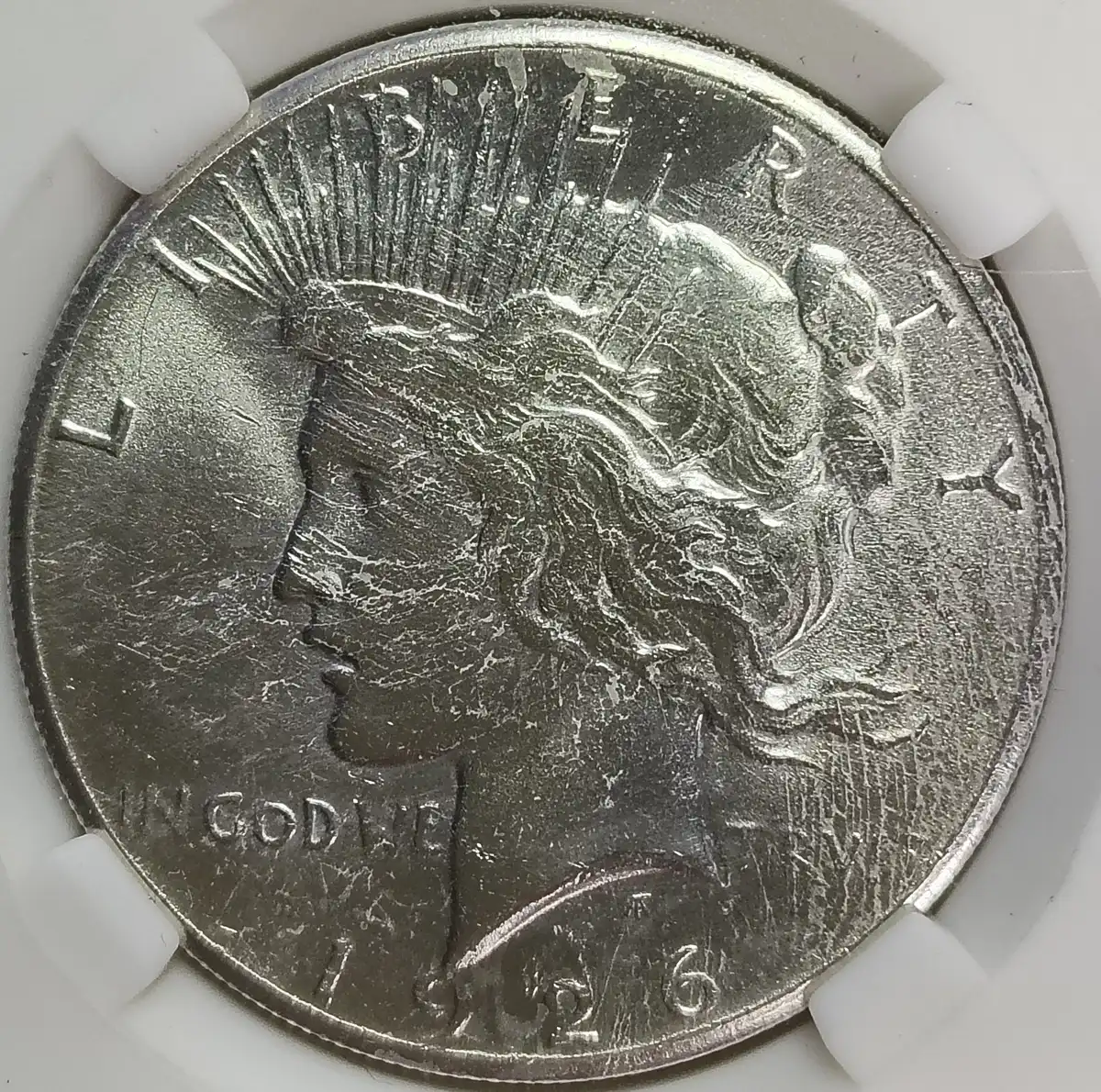
Whizzing is a mechanical process used to imitate mint luster. A high-speed brush or rotary tool is applied to the surface. This forces the upper metal layer to smear. The coin may look bright at first glance, but the brightness is artificial. Whizzing destroys the microscopic structure responsible for real luster.
The surface becomes unnaturally smooth, almost melted. Under light, the reflection does not rotate. It moves in straight streaks or slides across the fields. The texture looks "liquid." High points of the design often appear softened or flattened.
Key visual signs of whizzing:
Surface looks glossy but shallow
Reflection does not form a cartwheel pattern
Raised details lose sharpness and look rounded
The entire coin has a uniform, synthetic shine
Whizzing cannot be undone. Once the metal flow lines are destroyed, the surface will never display natural luster again.
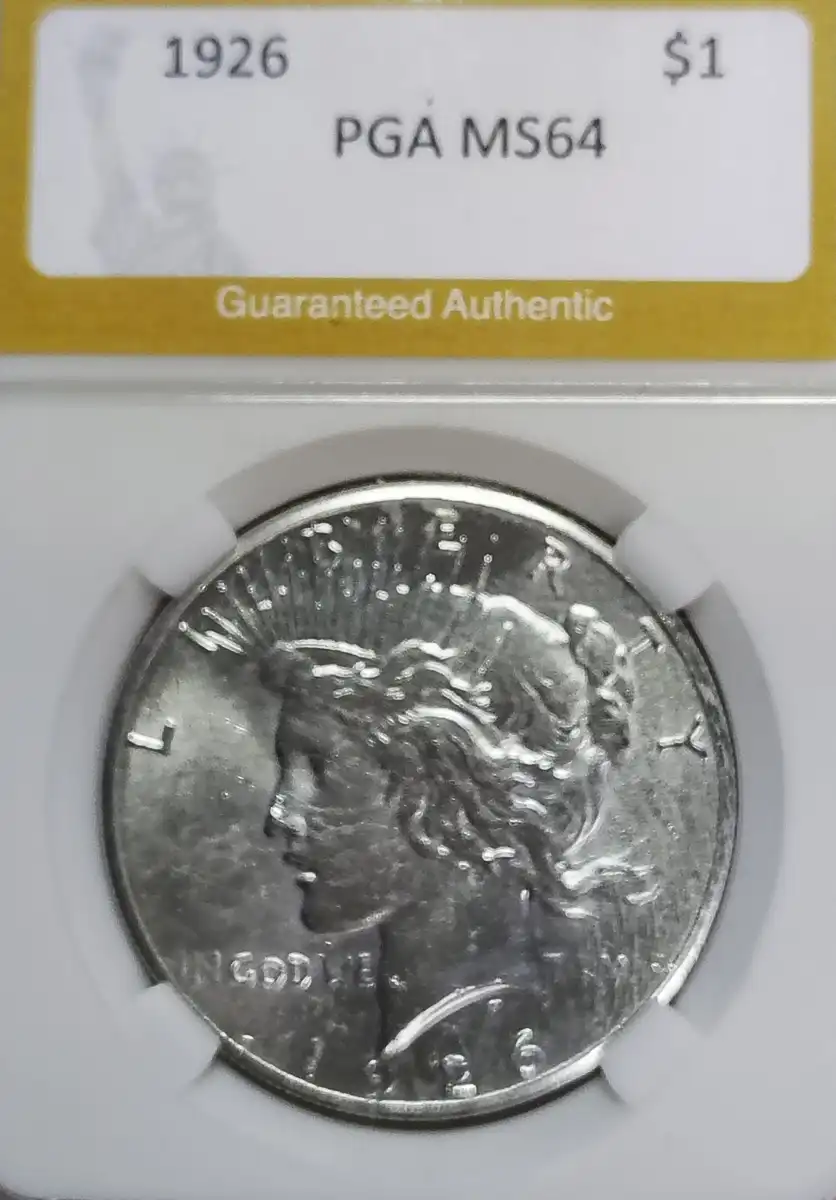
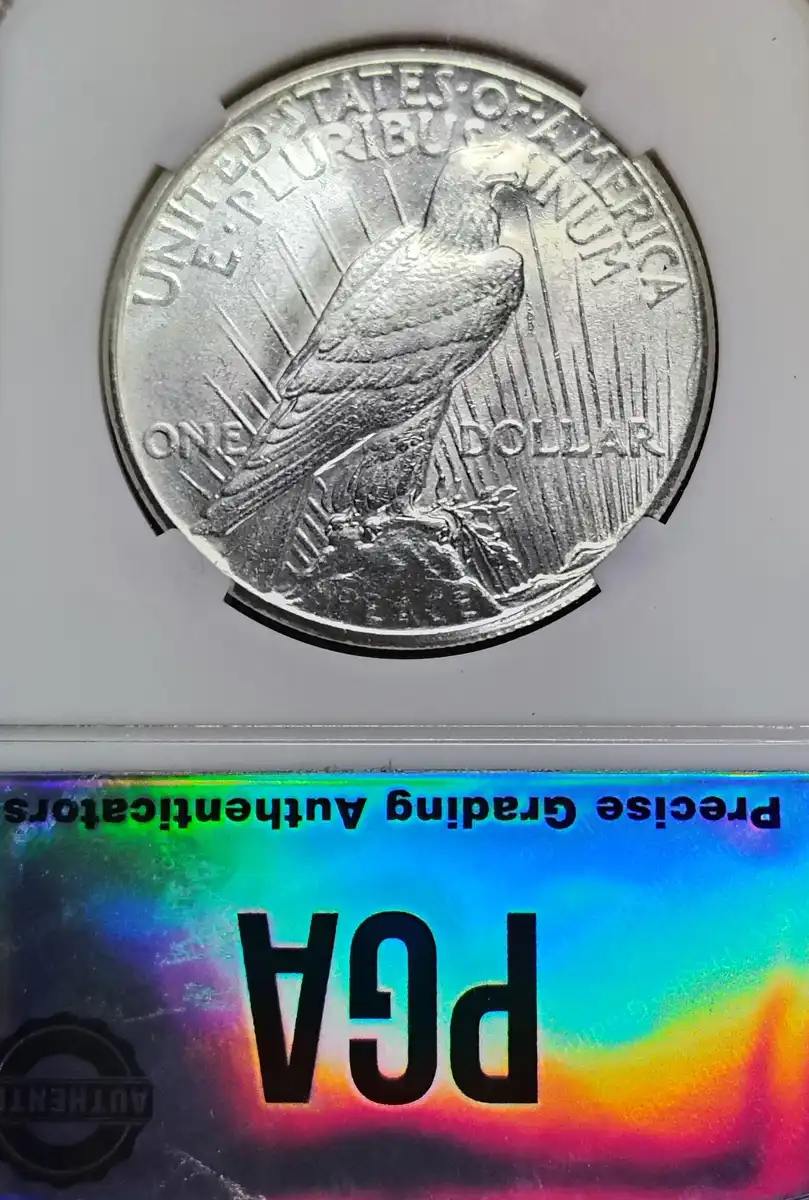
In the market, whizzed coins lose most of their collectible value. Even scarce dates are often sold at or near bullion value. The coin still contains metal, but it has lost its numismatic character.












 Posted 06/20/2026 2:52 pm