| Author |
 Replies: 14 / Views: 1,202 Replies: 14 / Views: 1,202 |
|
|
New Member
Canada
8 Posts |
I have around 20 of these coins. This from my opinion the best looking coin. What grade would you give? Thanks for your help 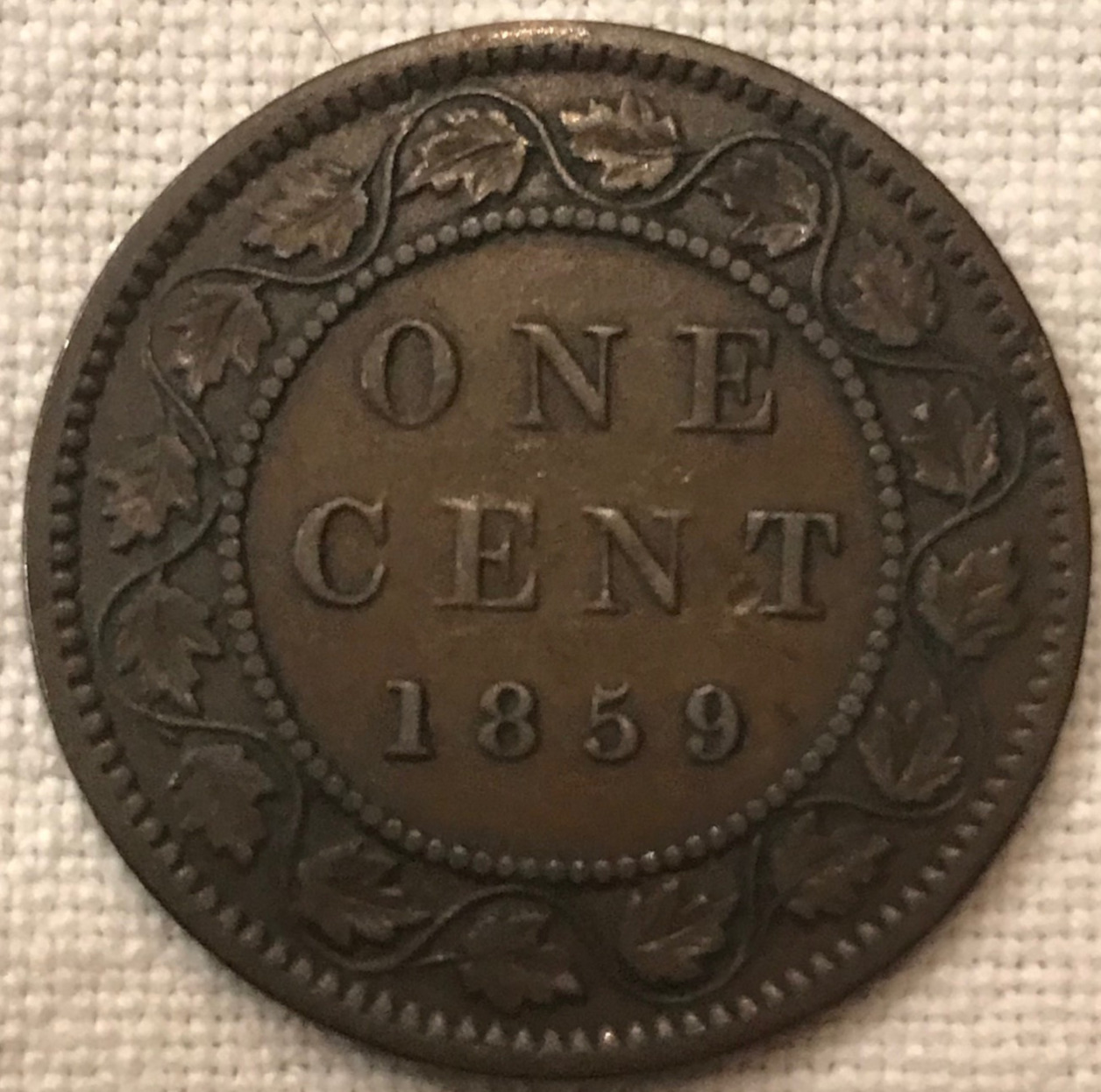 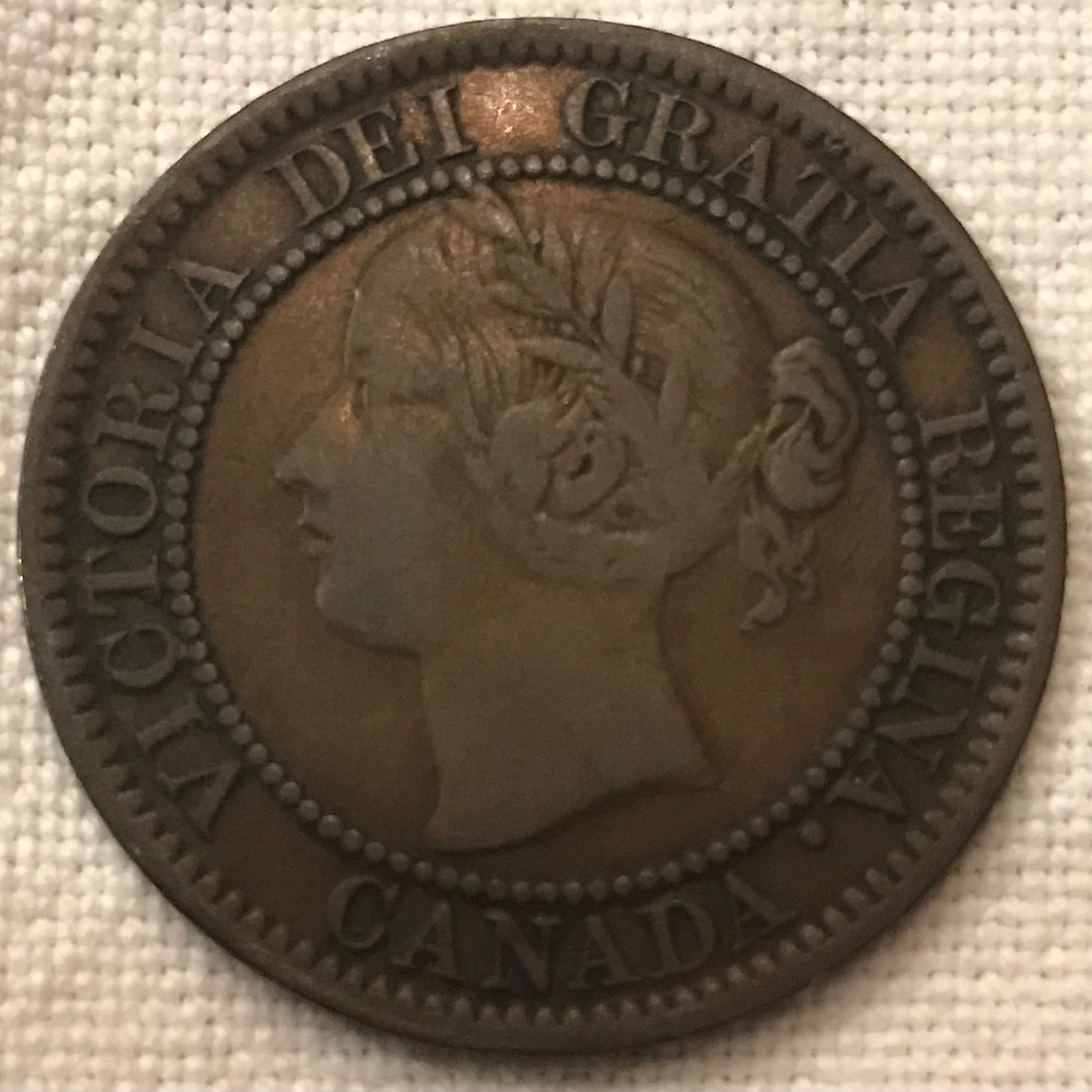 Edited by pangolin
01/20/2024 7:47 pm
|
|
|
|
Pillar of the Community
United States
819 Posts |
Will need pictures of both the front and back. In order to help with a grade.
|
|
New Member
 Canada
8 Posts |
Oups, my mistake. Sorry about that.
First post edited.
Edited by pangolin
01/20/2024 7:48 pm
|
|
Pillar of the Community
 Canada
5644 Posts |
Well, the first time that I looked at your post/inquiry, there were 2 pics of the Reverse. We need both sides and a clearer photo. From the first pics, it looks like you have a R/P 9 on the tail. Check out this site to see which of the 200 or so varieties of these. Oh, I'll say F-15 https://www.vickycents.com/Edited by okiecoiner
01/20/2024 8:29 pm
|
|
Bedrock of the Community
United States
78441 Posts |
 To CCF! I'll say Fine. Errers and Varietys.
|
|
New Member
Canada
8 Posts |
I should have read more about all the varieties of 1859. I just discovered a new world!
Would you explain to me what R/P 9 stands for?
Thanks in advance
|
|
Moderator
 United States
56855 Posts |
|
|
Bedrock of the Community
United States
94367 Posts |
What's that bright spot at the top of the portrait side? to the CCF! Edited by Coinfrog
01/21/2024 05:56 am
|
|
Pillar of the Community
Canada
5644 Posts |
pangolin .... R/P 9 means repunched 9. The Vicky large cent started in 1858 with planchets thinner than the Brit 1/2 penny, but the same diameter and, naturally, a lighter weight. The Royal Mint in London struck the coins and tried to use the same presses and force that they used for the 1/2 p but the thin bronze coins ate up the dies. It took so long to get things right at the Mint that they onlly were able to strike 900k of the 10 million needed before 1859 rolled in. They didn't want to make up more master punches for making the dies, so they just ground off the "8" of the master punch, so all dies just read "185" and they had to be finished to complete the date.. Each die had the be handpunched with the 9 and it took 2-3 whacks with the punch to fully impress the 9 into the die. After each punch attempt, the punch itself had to be hardened with heat and quenching and the die itself had to be softened (annealed). It may have been hours, days or weeks before the next attempt at punching in the 9, and the guy wielding the hammer and punch didn't always get the punch just right. As a result, you will find all mannner of positions and repunches with the 9. Just look at the Haxby site to see how many different spacing and repunches that there are. You have near, far, high, low, tilt right, tilt left. Each die only lasted an average of 40-50,000 coins, but there were dies that may have only lasted 1-2,000 before the die broke, so some repunches are quite scarce. Yours looks to have doubling on the tail/knob of the 9, but the photos aren't clear or large enough to see things clearly. Take a loupe and look. |
|
New Member
Canada
8 Posts |
Thanks to all for your reply and tips.
@okiecoiner
I thought RP meant "repunched". However, since I couldn't see a double letter, I mistakenly concluded that RP meant something else.
I now understand that "repunched 9" doesn't necessarily mean double 9 like the following :
1859 - Narrow 9 - Double 9 #1 (DP N9 #1)
1859 - Narrow 9 - Double 9 #2 (DP N9 #2)
1859 - Narrow 9 - Double 9 #3 (DP N9 #3)
1859 - Narrow 9 - Double 9 #4 (DP N9 #4)
1859 - Narrow 9 - Double 9 #5 (DP N9 #5)
Please tell me if I am wrong, I will send it for grading then.
|
|
Pillar of the Community
Canada
5644 Posts |
Yes, RP or R/P means repunched. However since EVERY 1859 is technically repunched so, when I said that your 9 looked repunched, I meant that there was some offset in the punches so that the R/P can easily be seen. The list of 1859's that you put in your response are the formal names of some 1859's that are scarcer than the others and they are number DP#1 thru DP#5 .. but they are names only. There are so many 1859's with visible offsets that can be seen by the naked eye, that there is very little increase in value for some of them. Your coin is an F-12, maybe 15 and it will cost more to have it certified than it will ever be worth, if it is a fairly common one. Get a loupe and carefully examine your coin and compare it to the Haxby site. On that site, there is a rarity section and, if your coin is above an R-2, then MAYBE it will be worth more than the cert & mailing costs. There are many many 1859 varieties and only a small percentage are worth anything to write home about, unless you start getting up to VF+ and XF and above. Remember that there were 9 million 1959's minted, 100% more than the next most common date.
Edited by okiecoiner
01/22/2024 1:21 pm
|
|
Moderator
United States
194816 Posts |
to the Community! |
|
New Member
Canada
8 Posts |
@okiecoiner
Thanks for your explanation.
I have no intention to grade a penny that worth not much. However. I did get a loupe and found (maybe) a 1859 with a 9 width. I will start a new topic about it this evening.
|
|
Pillar of the Community
Canada
5644 Posts |
You will need a nice enlarged pic of the 9. Try to find your coin on the Haxby site (vickycents) and take a close look at the stems and die cracks to find it on Haxxby. There's NO TPG that will grade all the varieties that folks find; only to recognized ones. Just to have a "variety" cert'd would be more than $50 just to grade it, above the normal price. |
|
Bedrock of the Community
United States
36940 Posts |
F-15 with nice original surfaces.
|
| |
Replies: 14 / Views: 1,202 |
|





 Posted 01/20/2024 7:48 pm





