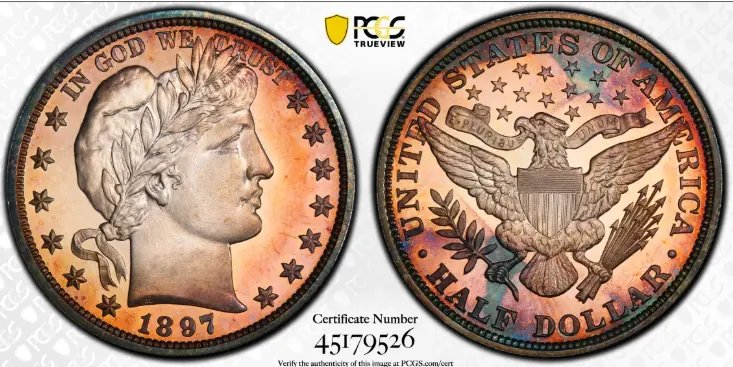
Just a few thoughts on the 19th Century proofs and collectors. As background, I've worked as a buyer's agent for 55-ish years. In that role, my duty is to flag as many concerns with a coin as possible for the buyers, so they can make informed buying decisions. Of necessity, that makes the way I look at coins more critical and more conservative on grading.
CCF has several members who collect 19th Century proofs, and a couple members who have fantastic collections of toned proofs.
Over the years. I've handled several Barber Half proofs. A quick look at my digital records shows that I handled five 1892 Barber half proofs, including one impaired proof, and it looks like none of those were slabbed. Most 19th Century proofs exist in sufficient quantity
for the demand, which is why most dates don't attract huge prices in mid-Proof grades (63-64-65). Very few people actually try to assemble complete series proof date sets. More seek proof type coins for type sets. Because of suppressed demand, the seemingly low proof mintages are deceptive. Survivorship numbers for proofs vary widely. The depression of 1893-1897 forced many 1870s-mid1890s proofs into commerce. It is not unusual to see mid-UNC business strikes sell for much higher prices than the same mid-Proof grades. That is especially noticeable in the five cent series, where UNC Shield or
Liberty nickels frequently outpace the proofs. Even the proof-only dates in those series don't command the premium people would expect.
There are still quite a few raw proofs out there, and most larger coin shows will have an ample supply of most common date proofs. Not many trade on
ebay, but that isn't a surprise. Marketplaces such as Great Collections and Greysheet Marketplace handle many more proofs.
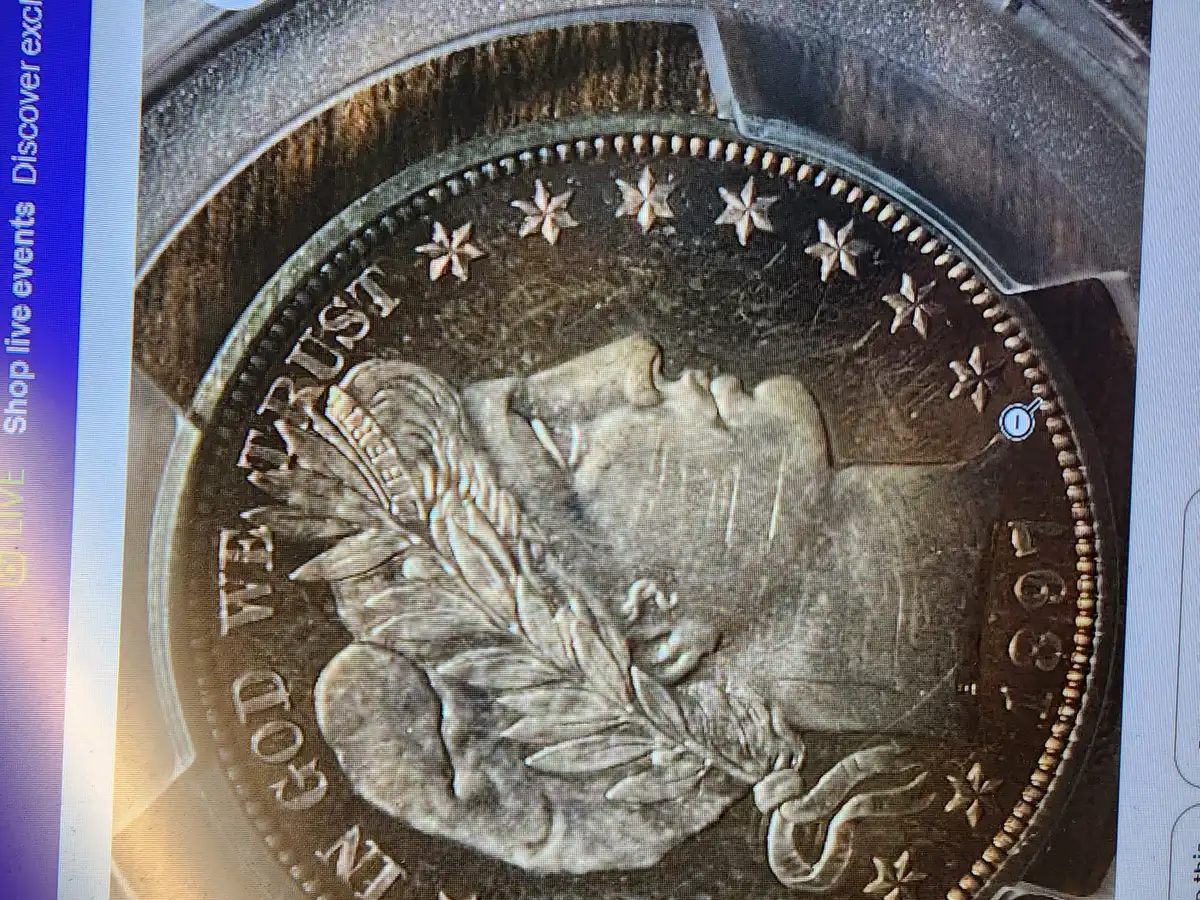
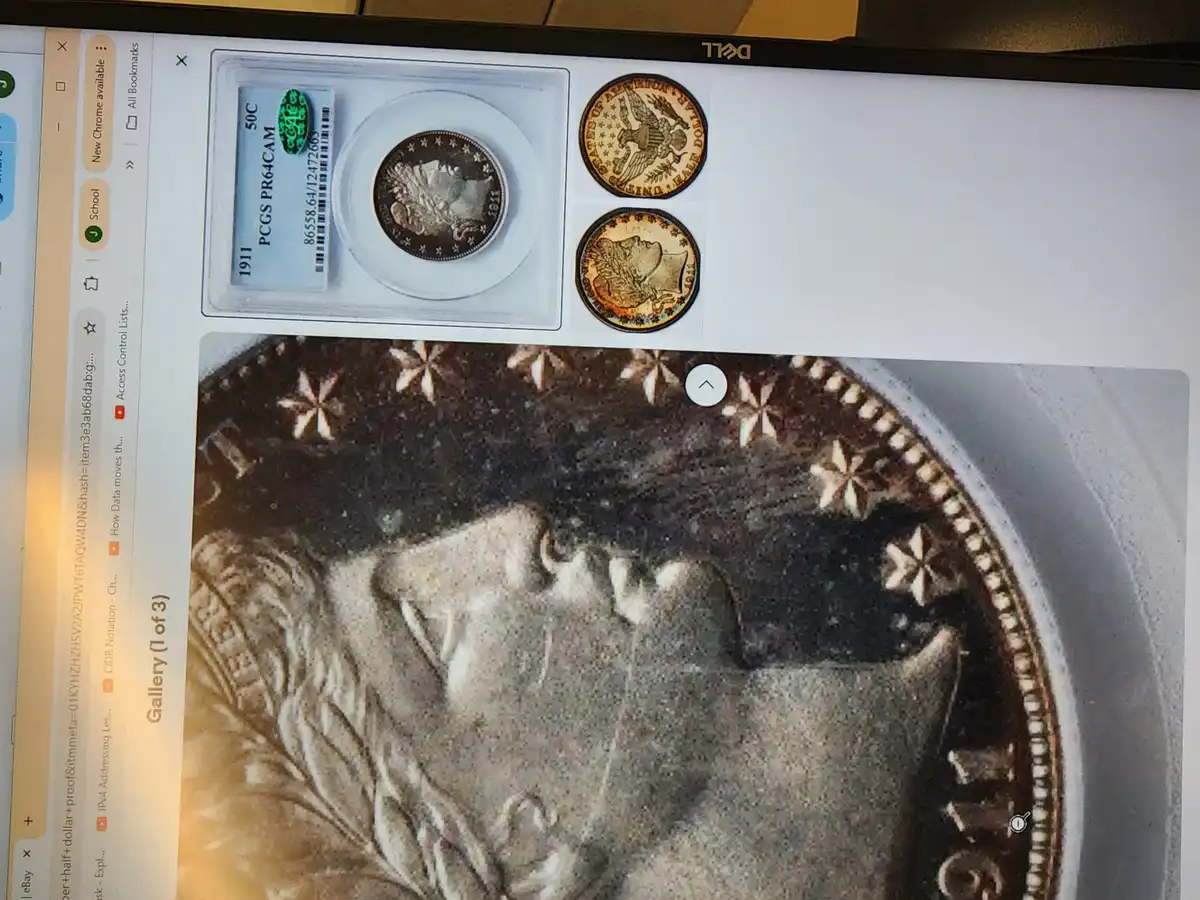
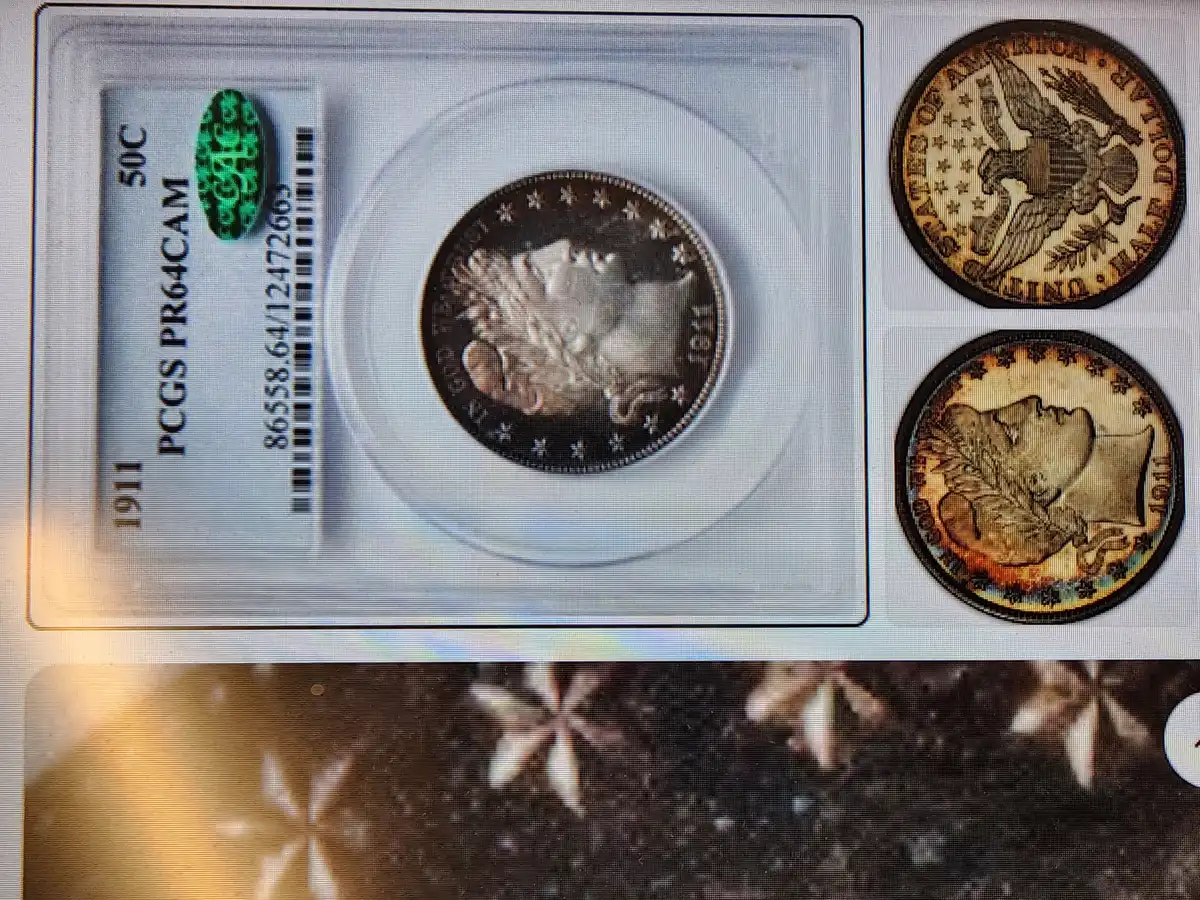
Toning is temporary. It is an ongoing process, and today's toning likely will not look the same in 20-30 years. There aren't many ways to arrest that process, although using Argon gas in sealed slabs would be an interesting option. Very few of the adjectives applied to toning matter. In reality, there are only two types of toning -- attractive and unattractive -- and perceptions will vary widely. See the old adage about beauty and beholders.
Typical album toning is light, with a golden ring inside the rim. Some of the brighter colors immediately start the debate about artificial versus natural toning, and several members on here will be quick (and correct) to point out that the real debate is between market acceptable and market unacceptable toning.
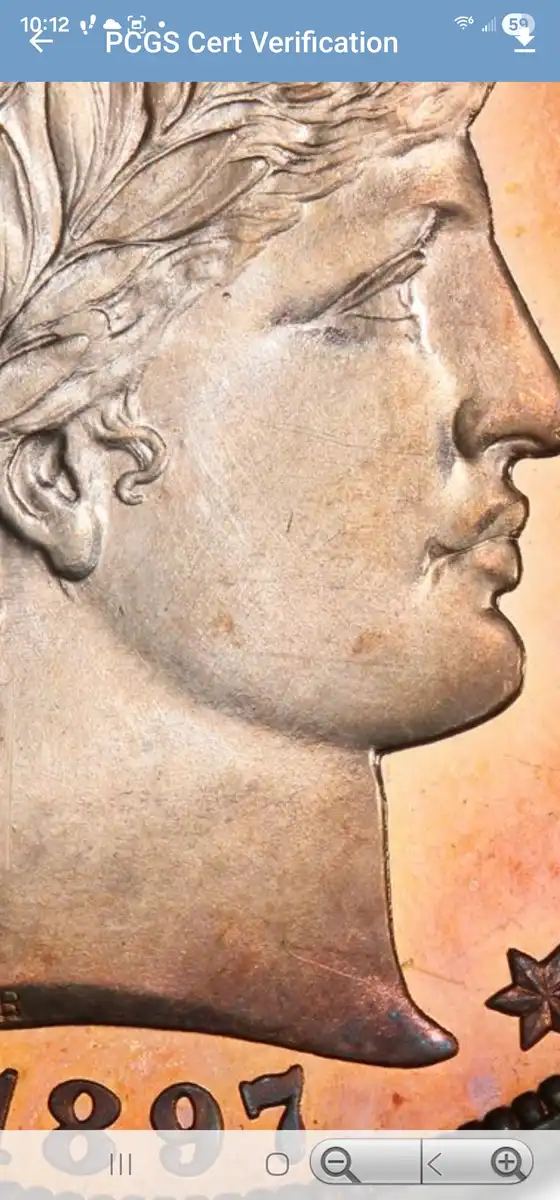
Just from my vantage point, the toning on a proof is far less important than the surface conditions, which will strongly affect the grade. Once the technical grade is established, then the attractive versus unattractive discussion comes into play.
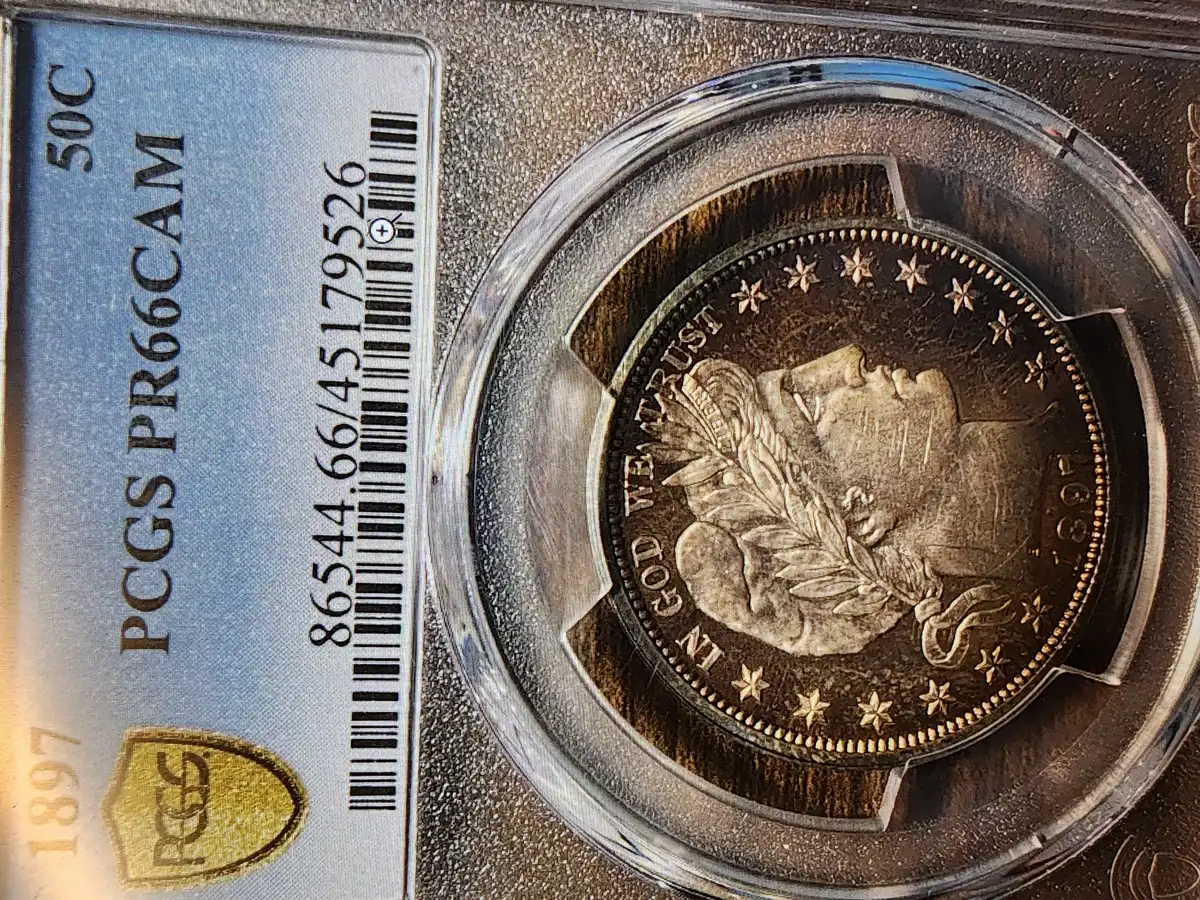
Again, just some thoughts in general. I certainly agree with the comments upthread about the difficulty in photographing proof coins, especially the silver proofs.







 First Page
 Previous Page



 Posted 07/27/2026 2:35 pm