Nic - OK that is a very valid question.
Why is 2 grams too much of a weight difference on a typical Dollar sized coin? The answer is both simple and complex depending on the level of background detail you want. I will go for a moderate length explanation. When the world used Hard Money back around the year 1800 the only value that mattered was in the weight of the silver or gold a coin contained. Paper bills were not trustworthy and most currencies were tied to a metal standard. The coins that circulated normally had to have a metal value between 95% and 100% of the face value to circulate.
That is also the point theoretically where the design on a silver coin starts to disappear. In case you ever wondered why coins are struck in LOW RELIEF that is why. A high relief coin like a typical medal does not wear smooth quickly enough to maintain a set standard of value.
Underweight or worn coins (especially gold) were often weighed by bankers or merchants and the purchasing power adjusted DOWNWARD for wear. It was legitimate to REFUSE to accept a worn coin for face value. The coins found to weigh 95% of standard were normally removed from circulation by banks and sent back to the mint to be melted.
During this same time world silver and gold prices were controlled (called the FIX) and for many years England maintained the standard value of an ounce of silver at or near $1.25 US. Gold was worth 16 times as much as silver. But the Gold silver ratio is a whole other story.
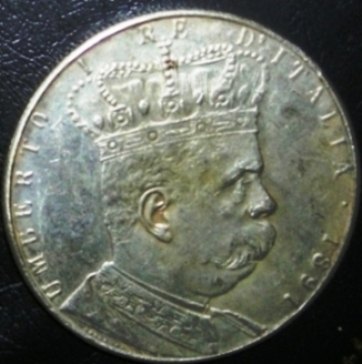
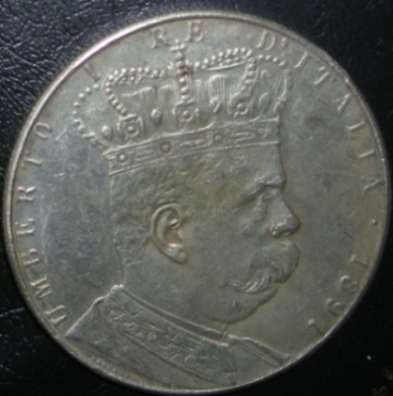
So while by 1891 silver prices were down on the world market due to the US Comstock discovery, BULLION COINS like the Eretria Tallero had a value based on a theoretical silver content of 0.72 ounces of silver. A coin 2 grams underweight would contain only about 0.66 ounces of silver. In the days when a man earned 10 cents a day, he would not accept being short changed by 6 cents on the value of a dollar coin. That was simply unacceptable.
So based on WEAR (the coin in question is far from Poor-1) and VALUE BOTH - a real Tallero could never be 2 grams underweight.
You say a couple things in your note that are accurate today but which are not accurate when viewed in historical context. First, you say;
Quote:
My fake crowns all are weighed on a digital scale with 0.01 resolution, and the general rule I found was that the fakes come out 19-21 grams as against the real ones at 25-26 grams a difference of 20% or about 4 grams.
That may be a true statement today for modern Chinese counterfeits, but it was definitely NOT the case in the days when silver value was important. Counterfeit weights were typically much closer to the weight of originals. A 4 gram difference is rarely seen for example in JL Riddell's book on counterfeit dollars circulating in 1845. The average counterfeit was closer to 95% of the correct weight and of the 293 examples he gives in his book only 12 were over 4 grams underweight. That variation is the exception not the rule.
Weight often is a good preliminary indication of the age of a forgery. Older period counterfeit coins tend to be closer in weight to originals than are modern fales.
The second thing you said was;
Quote:
but the tone of silver is against it as well as having any real silver in it would "lessen" the faker's profit margin, not a good idea.
It sounds logical today that real silver would not be used in a counterfeit meant to circulate at face value. But once again in 1891, people were very used to the feel and color of silver. Forgers often used a significant amount of silver in making their forgeries. Once again Riddell provides assay data on the 293 counterfeits in his book. Some contain silver contents as HIGH as 700 fine when standard was 900. The forgers were content to make a small profit on the silver they used.
By the 1890s silver prices had fallen well below a dollar an ounce. Forgers could make a US dollar or a Mexican 8R for about 50 cents. If that coin passed at face value they doubled their money. In fact, my favorite class of forgeries are the full weight and correct assay 8Rs made for the overseas trade market in the US. The coins allowed a 5% to 10% profit over silver value on goods being purchased in China because the merchants in China trusted the "Bustman Dollar" above all other trade coins. High grade originals were no longer available so a business began stpplying the need. The margins a forger operated on used to be SMALL.
But finally, you should also be aware that copper and bronze alloys can "ring like a bell". Bells are made of bronze. There is a tone difference between silver and bronze but unless you have good ears and perfect pitch you might miss it. The ring test was used to disclose - hollowed out coins, cast coins, German Silver and lead coins. None of those rings. Copper-nickel, nickel and bronze coins all ring.
So to summarize - a coin which was valued based on silver content should never be more than 5% light.
A coin that is 5% under weight should grade between PR1 and AG3 NOT Fine 12 or higher.
Forgers DID use silver and gold to make contemporary forgeries.
Forgers DID operate on SMALL profit margins.
I hope that covers your inquiry.












 Posted 04/21/2011 12:15 am


 when dropped, I'd have doubts if it's a fake, it could be real