









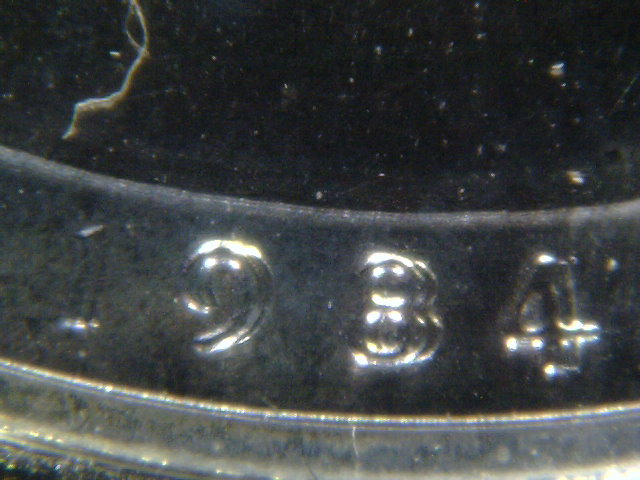
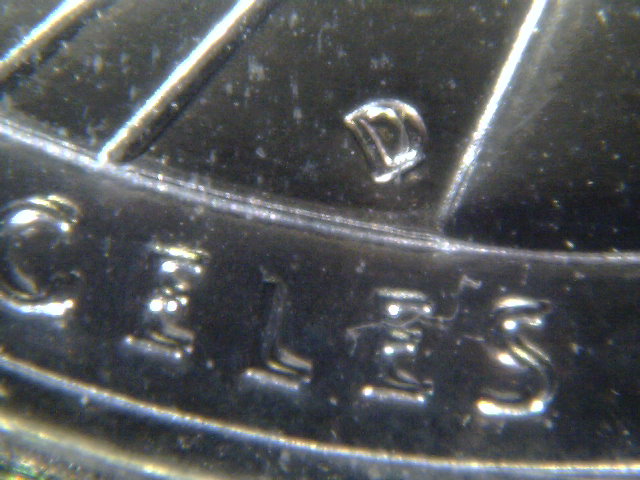

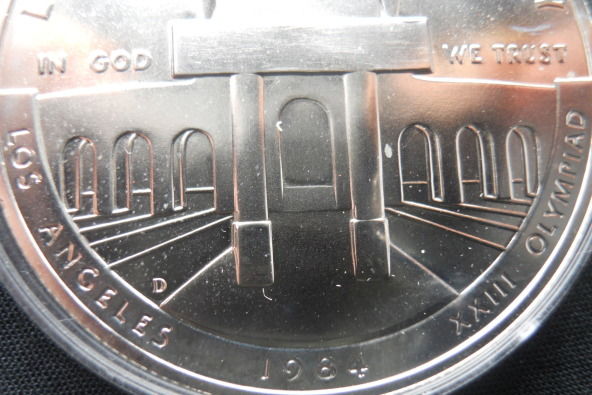


 Posted 01/04/2012 01:59 am


Those peripheral devices are incuse, correct? If so, then it is just Machine Doubling and not a doubled die.
To explain, a doubled die is created when a die(negative design) is impressed on a hub(positive design) for the second time and the second hubbing is not perfectly aligned with the first. Prior to the late 1990s for US coins, dies were typically hubbed, annealed(heat treated to soften), and then hubbed a second time- hence the term "hub doubling". Current coin dies are produced with a "single squeeze" process so most doubled die types are no longer possible.
On a die that strikes incuse details on a coin, those portions of the die are positive just like a hub. Because of that fact, Machine Doubling on incuse details will have a similar appearance to a coin with hub doubling(doubled die).
To explain, a doubled die is created when a die(negative design) is impressed on a hub(positive design) for the second time and the second hubbing is not perfectly aligned with the first. Prior to the late 1990s for US coins, dies were typically hubbed, annealed(heat treated to soften), and then hubbed a second time- hence the term "hub doubling". Current coin dies are produced with a "single squeeze" process so most doubled die types are no longer possible.
On a die that strikes incuse details on a coin, those portions of the die are positive just like a hub. Because of that fact, Machine Doubling on incuse details will have a similar appearance to a coin with hub doubling(doubled die).


