











 Posted 01/17/2007 12:28 am


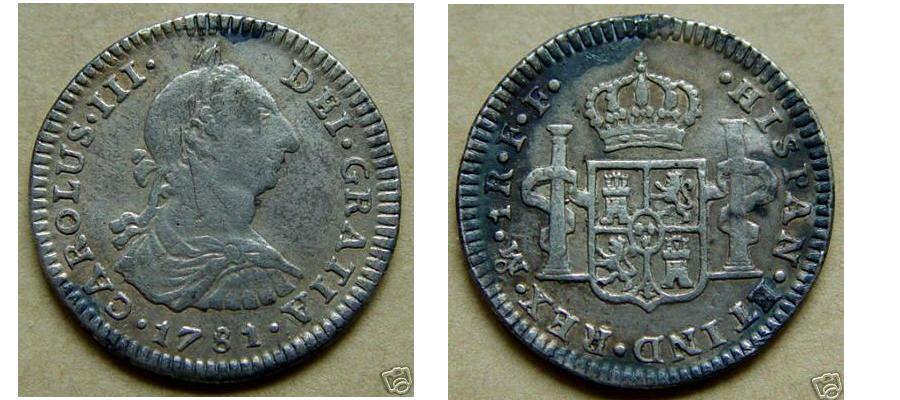
Irishraider Actually I do collect some real coins to "keep my hand in" so to speak. But in this case this coin is a COUNTERFEIT. 
This coin is in fact a very recently made (2007) copy from China - State of the Art. HOT OFF THE PRESS. If I didn't know the forger, I might be fooled if I was using only a loupe and more conventional tests (i.e. weight, SG and production methods - namely strike and edging). If this coin was tumbled polished a bit and if the artificial toning was a shade better it would pass easily.
Just this weekend, I was discussing this most recent generation of forgeries with several dealers at a local coin show. One dealer who collects counterfeits, as I do, suggested that the dies may have been laser cut by a computer of some sort. Under very high magnifaction there are surface anomalies never seen on originals (even sea salvaged coins). They resemble very tiny rounded lumps forming a uniform texture over the entire surface. That of course translates to little tiny round dimples in the die surface. They resemble but are much smaller than the "spark erosion pits" seen on dies made by that technology. These are a step up from the cast dental plastic dies. The dealer indicated that the newer computer guided lasers are producing better models with much finer details than before. He also indicated that some counterfeiters are melting worn original coins to produce planchets for some of the counterfeits to defeat XRF testing.
Technology is getting scary.
It appears that the Chinese forgers are making rapid progress in perfecting their die making techniques and soon this flood of forgeries will start to pass readily onto the secondary market.
If you notice, Krause values for this particular coin are LOW. It is a very common part of a series that is not too popular. So it will be unlikely to ever be sent in for authentication to a TPG. But what better place to perfect your forgery skills than an area few if any collectors notice or take seriously. I presume the forgers will move on to higher ticket items as they get better.
Perhaps they already have!
This coin is in fact a very recently made (2007) copy from China - State of the Art. HOT OFF THE PRESS. If I didn't know the forger, I might be fooled if I was using only a loupe and more conventional tests (i.e. weight, SG and production methods - namely strike and edging). If this coin was tumbled polished a bit and if the artificial toning was a shade better it would pass easily.
Just this weekend, I was discussing this most recent generation of forgeries with several dealers at a local coin show. One dealer who collects counterfeits, as I do, suggested that the dies may have been laser cut by a computer of some sort. Under very high magnifaction there are surface anomalies never seen on originals (even sea salvaged coins). They resemble very tiny rounded lumps forming a uniform texture over the entire surface. That of course translates to little tiny round dimples in the die surface. They resemble but are much smaller than the "spark erosion pits" seen on dies made by that technology. These are a step up from the cast dental plastic dies. The dealer indicated that the newer computer guided lasers are producing better models with much finer details than before. He also indicated that some counterfeiters are melting worn original coins to produce planchets for some of the counterfeits to defeat XRF testing.
Technology is getting scary.
It appears that the Chinese forgers are making rapid progress in perfecting their die making techniques and soon this flood of forgeries will start to pass readily onto the secondary market.
If you notice, Krause values for this particular coin are LOW. It is a very common part of a series that is not too popular. So it will be unlikely to ever be sent in for authentication to a TPG. But what better place to perfect your forgery skills than an area few if any collectors notice or take seriously. I presume the forgers will move on to higher ticket items as they get better.
Perhaps they already have!


